 Beihai Fiberglass
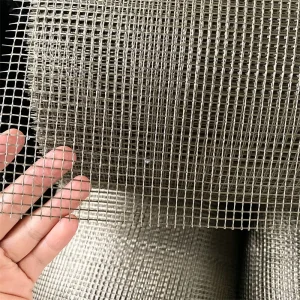
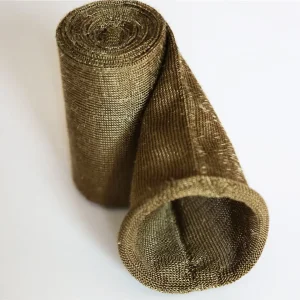
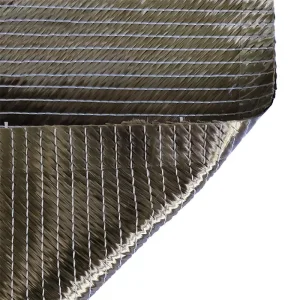
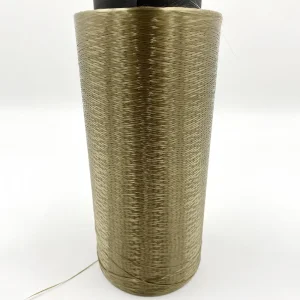
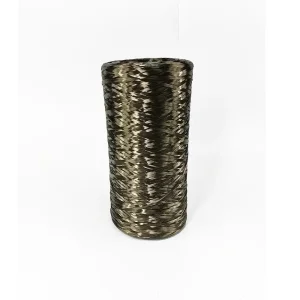
The Global Imperative for Basalt Fiber Reinforcement
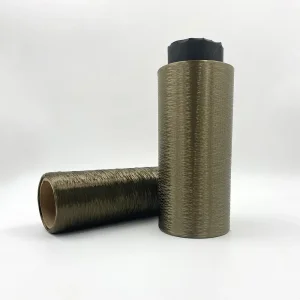
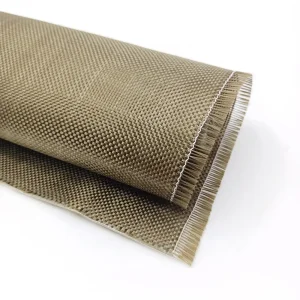
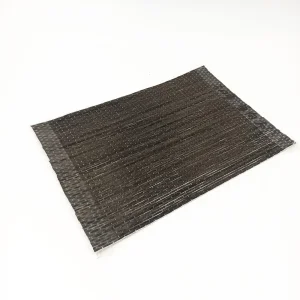
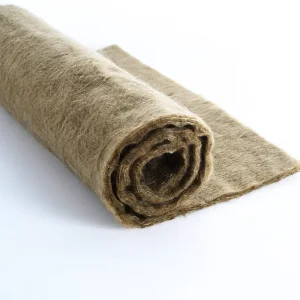
In the modern era of civil engineering and industrial manufacturing, the search for materials that balance extreme tensile strength, corrosion resistance, and environmental sustainability has led to a paradigm shift toward basalt fiber. As a high-performance, non-metallic alternative to steel, basalt reinforcement is no longer just an experimental choice—it is a cornerstone for longevity in infrastructure.
Macro Industry Solutions & Economic Impact
The global construction market faces an estimated multi-trillion dollar deficit in infrastructure maintenance, primarily driven by the premature failure of reinforced concrete due to chloride-induced corrosion. By integrating basalt rebar and mesh, enterprises are effectively extending the lifecycle of bridges, roads, and maritime structures by 30-50%. This creates a massive Information Gain for procurement managers: moving from CAPEX (initial cost) to lifecycle value optimization.
Technical Roadmap: The Future of Basalt
Our commitment to R&D ensures we stay at the forefront of the basalt industry. The current roadmap focuses on:
- Nanotechnology Enhancement: Coating basalt filaments with nano-silica for superior bonding with matrix resins.
- Hybridization: Combining basalt fiber with carbon fiber for cost-effective, high-stiffness structural aerospace components.
- Zero-Carbon Manufacturing: Optimizing furnace energy efficiency to reduce the carbon footprint of basalt fiber production.
Global Procurement & Compliance
Sourcing high-quality basalt material requires navigating a complex web of international standards. We provide full compliance documentation for international ASTM and ISO standards, ensuring our partners in Europe, North America, and Asia meet all regulatory requirements for public works projects. Our local support teams facilitate logistics, quality inspections, and onsite technical guidance, mitigating the risks associated with cross-border industrial procurement.