Explore our high-performance continuous basalt fiber products, engineered for superior mechanical strength, corrosion resistance, and thermal durability.
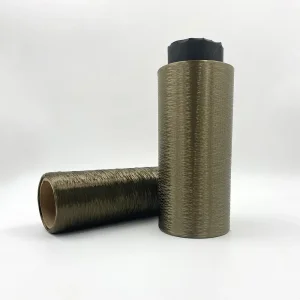
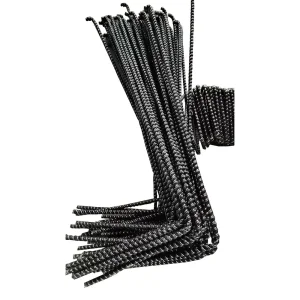
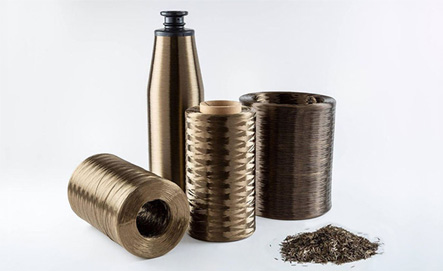
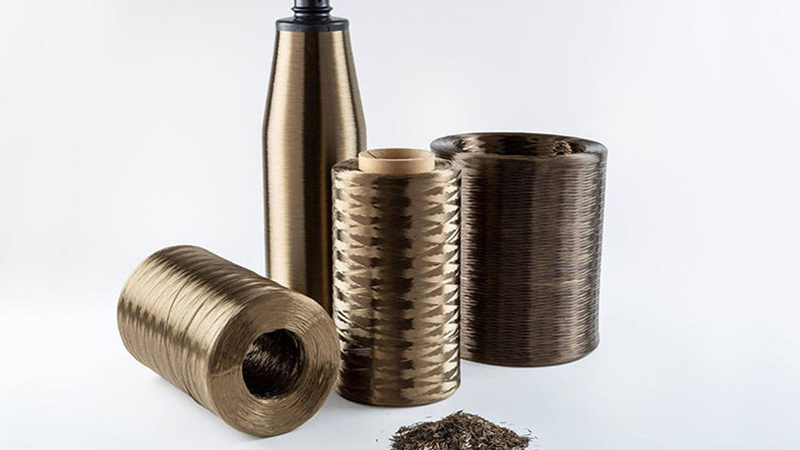
Basalt rock, a dark-colored, fine-grained igneous rock formed from the rapid cooling of basaltic lava, stands as one of the earth's most abundant and ecologically benign raw materials. In modern industrial manufacturing, this natural volcanic mineral is transformed into an advanced technical material: Continuous Basalt Fiber (CBF).
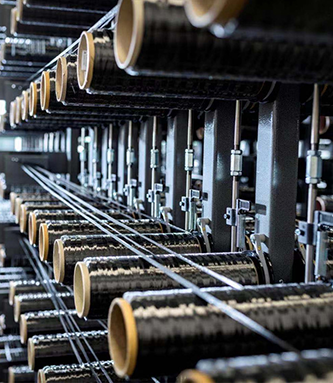
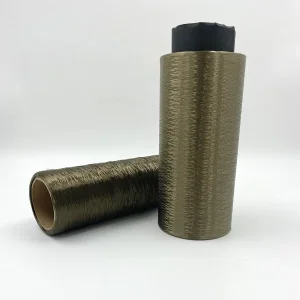
Unlike composite systems that rely on complex synthetic chemicals, basalt fiber is manufactured in a single-component melting process without chemical additives. Basalt rock is simply washed, crushed, fed into high-temperature furnaces, melted at approximately 1450°C, and then extruded through platinum-rhodium alloy bushings into ultra-fine filaments ranging from 9 to 22 micrometers in diameter.
By using 100% natural volcanic rock, the resultant fibers exhibit physical properties that bridge the gap between traditional E-glass fibers and high-cost carbon fibers. They feature a tensile modulus exceeding 85 GPa, high chemical resistance against strong acids and alkalis, and an exceptionally wide operating temperature range from -260°C to +700°C.
Melting Point
Elastic Modulus
Steel Strength-to-Weight
Ecological & Inert
Leading the next generation of continuous basalt fiber innovation from Jiujiang, Jiangxi, China.
Founded in 2015 and located in Jiujiang, Jiangxi Province, China Beihai is a high-tech enterprise focusing on the research, development, production, and sales of high-performance basalt continuous fiber and its production equipment manufacturing. As a leading enterprise in the domestic basalt fiber industry, we maintain a complete supply chain integration, from raw material quarry selection to custom downstream composites formulation.
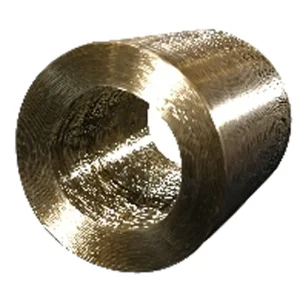
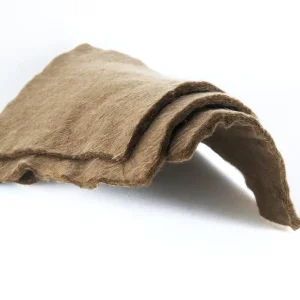
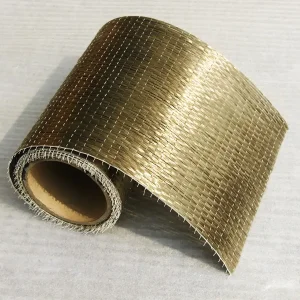
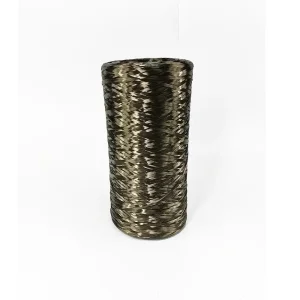
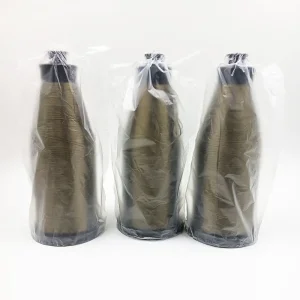
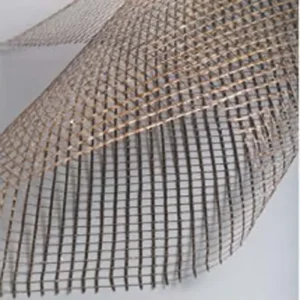
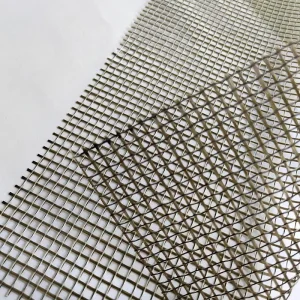
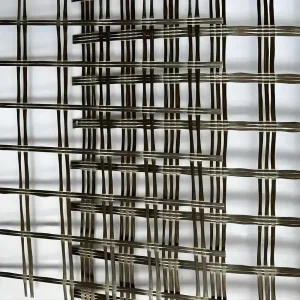
At China Beihai group, we specialize in the production of a wide range of products including basalt fiber mat (Basalt fiber chopped strand mat, Basalt fiber cloth), basalt fiber roving, basalt fiber yarn, basalt fiber chopped strands, and structural basalt fiber products (Basalt Fiber rebar, basalt fiber sleeves, and tape). Our products are designed to meet the diverse needs of various industries, providing high-quality solutions for our customers.
We are dedicated to the production of a wide array of basalt-based products, ranging from basalt fiber mat, fabric, and roving to chopped strand and specialized construction materials. Our focus is on delivering high-quality, sustainable solutions for industries such as construction, geotechnical engineering, and manufacturing. With a commitment to innovation and excellence, we strive to cater to the unique requirements of our clients by offering a comprehensive selection of basalt-derived products.
Choosing to work with China Beihai means working with a leading manufacturer of basalt products. Our commitment to quality, innovation, and sustainability sets us apart, ensuring our customers receive best-in-class solutions for their diverse needs. With reliability and customer satisfaction, we offer a wide range of high-quality basalt materials and construction products, backed by our dedication to excellence and industry expertise. When you partner with China Beihai, you can trust that you are working with a reliable and forward-thinking supplier for all your basalt product needs.
Understanding the infrastructural and supply chain realities that make Chinese basalt production unmatched globally.
China possesses massive, high-quality basalt deposits across various provinces. In regions like Jiangxi and Sichuan, volcanic rock structures exhibit optimal chemical composition profiles—highly rich in silica (SiO2) and alumina (Al2O3), while maintaining consistent low percentages of iron oxides (Fe2O3 and FeO). This precise geological profile is crucial: high raw rock consistency prevents temperature fluctuations inside the furnace and guarantees stable fiber draw-down with minimal filament breakage.
Chinese manufacturing facilities lead the transition from small, energy-inefficient unit furnaces to massive multi-position tank furnaces. By scaling the furnace capacity, energy consumption per ton of finished fiber is reduced by up to 35%. This thermal integration, paired with automated batching and computerized raw material feeding, allows China Beihai to provide premium basalt products at highly competitive wholesale rates without compromising on mechanical parameters.
The performance of basalt fiber in composites depends heavily on the chemical "sizing" agent applied to the filament surface. Through close collaboration with scientific institutions, Chinese factories have developed advanced silane coupling agents that maximize interfacial shear strength (IFSS) between basalt fibers and various polymer matrices (epoxies, polyesters, vinylesters, and phenolics). This yields superior adhesion, resulting in products like basalt rebar that outperform steel in corrosive environments.
China's manufacturing ecosystem enables massive vertical integration. At China Beihai, we do not just manufacture continuous basalt fibers; we run automated downstream processing lines that weave geotextiles, pultrude FRP rebars, stitch high-density insulation needle mats, and chop strands for BMC/SMC compounding. This complete control of the value chain ensures consistent quality checks at every transition stage, verified by international certification bodies.
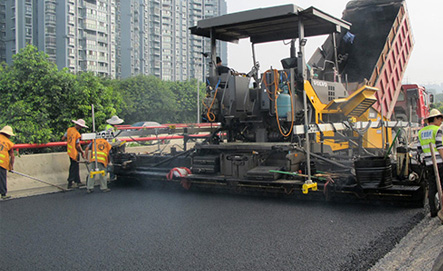
In structural engineering, traditional steel reinforcement is vulnerable to corrosion, particularly when exposed to de-icing salts, marine coastal winds, or acidic industrial chemicals. The result is structural spalling and degradation, leading to millions of dollars in maintenance overheads.
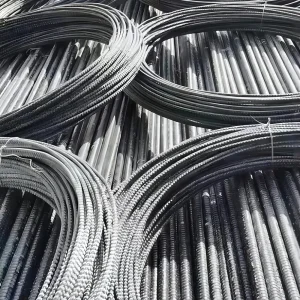
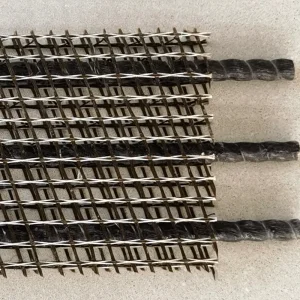
Basalt Fiber Reinforced Polymer (BFRP) Rebar represents the ultimate engineering upgrade. Featuring a tensile strength that is double to triple that of mild steel, yet weighing only a quarter of its weight, BFRP rebar is 100% rustproof, chemically inert, non-conductive, and non-magnetic.
Why basalt continuous fiber is transitioning from a niche specialty material to a mainstream industrial standard.
Proven real-world performance of basalt fiber materials across critical sectors.

Corrosion-proof reinforcement for structures exposed to seawater, salt soils, and high humidity.

Lightweight wings, fairings, and high-performance vibration damping interior panels.

Structural elements requiring extreme temperature ranges, thermal shielding, and high tensile values.

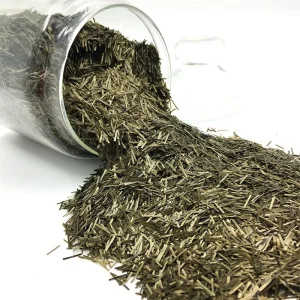
Basalt fiber chopped strands integrated directly into concrete to prevent shrinkage cracking.

Thermal shielding, mufflers, exhaust system insulation, and lightweight body composites.

BFRP structural jackets providing impact resistance, containment, and defense against corrosion.

Corrosion-proof underground pipes, storage tanks, and valve wraps handling harsh organic chemicals.

Composite hulls, docks, seawalls, and structural ocean platforms completely unaffected by salt water.
Comprehensive systems for international engineering firms, infrastructure projects, and advanced compounding.
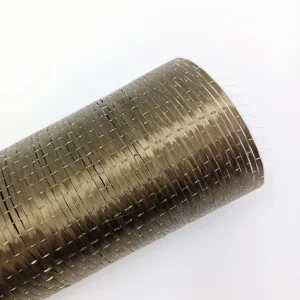
In zones prone to seismic activity, traditional concrete structures suffer catastrophic brittle failures. Wrapping concrete columns, bridge supports, and masonry walls with our unidirectional basalt fiber fabric creates a highly ductile confinement jacket. This external confinement increases structural load capacity, improves deformation performance under dynamic loads, and provides crucial evacuation time during structural shifts.
Furthermore, the non-magnetic nature of basalt ensures it does not interfere with electronic diagnostics or building automation systems, making it the preferred retrofitting material for critical municipal buildings, transit hubs, and power generation units.
Industrial manufacturing units, power plants, and chemical refineries operate hundreds of miles of super-heated steam pipelines. Conventional fiberglass insulation breaks down at these temperatures, and ceramic wool brings serious safety concerns for on-site personnel.
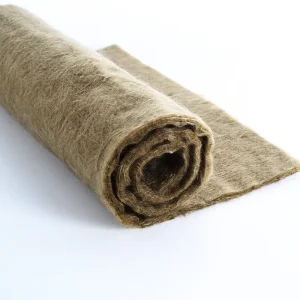
Our China High-Temperature Basalt Fiber Needle Mat provides a reliable thermal barrier. Mechanically bonded with zero chemical binders, this material does not outgas toxic smoke or lose structural cohesion under high heat, providing optimal insulation efficiency over a long service life.
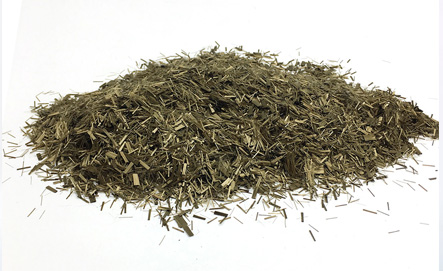
A reference guide for purchasing departments, procurement specialists, and quality control engineers.
When submitting a Request for Quote (RFQ), global buyers should specify sizing compatibilities (e.g., epoxy-compatible vs. phenolic-compatible silanes), tex densities (ranging from 600 to 4800 tex), and testing standards such as ASTM D7913 for bond strength, or ISO 3341 for break tenacity.
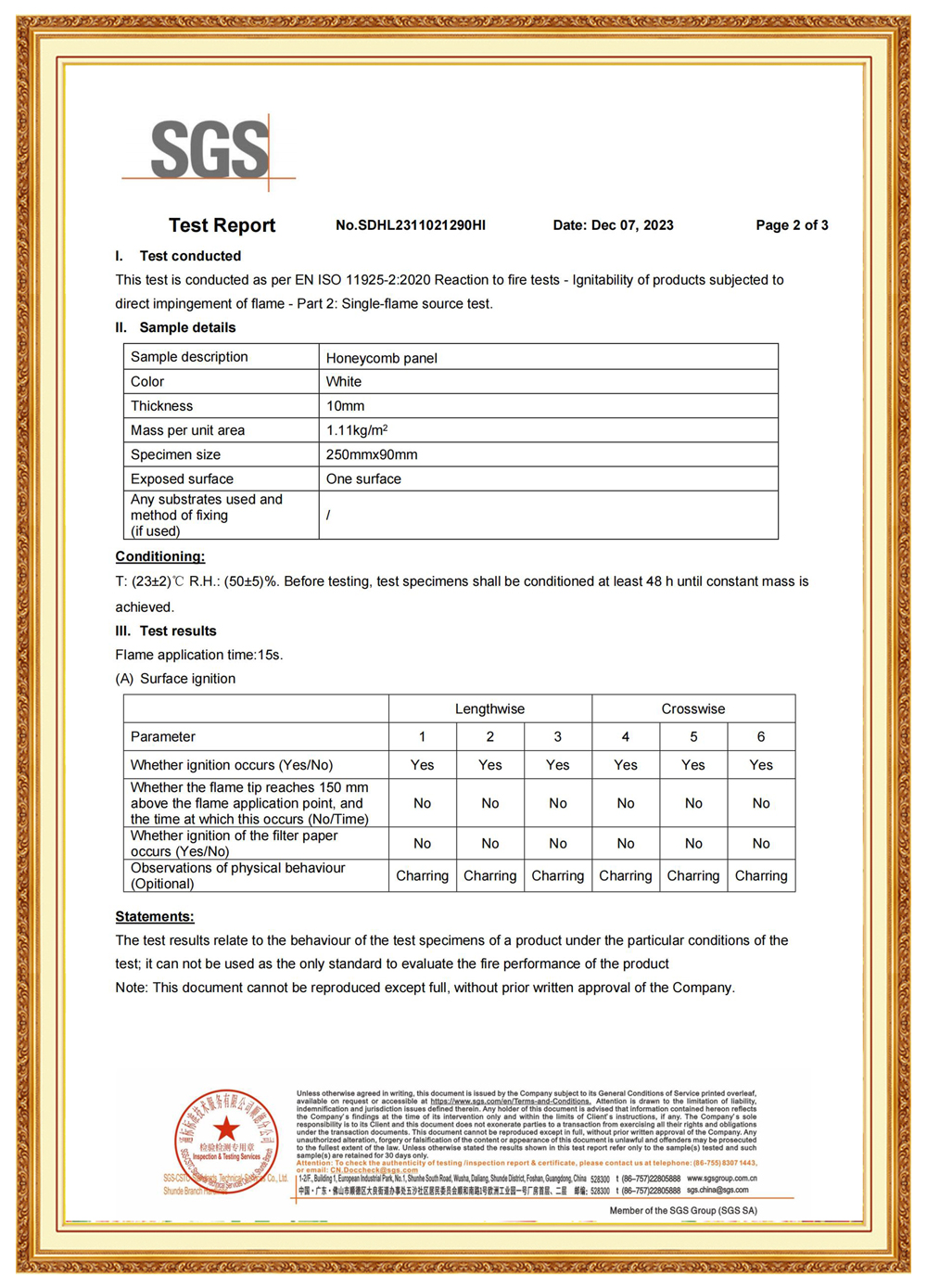
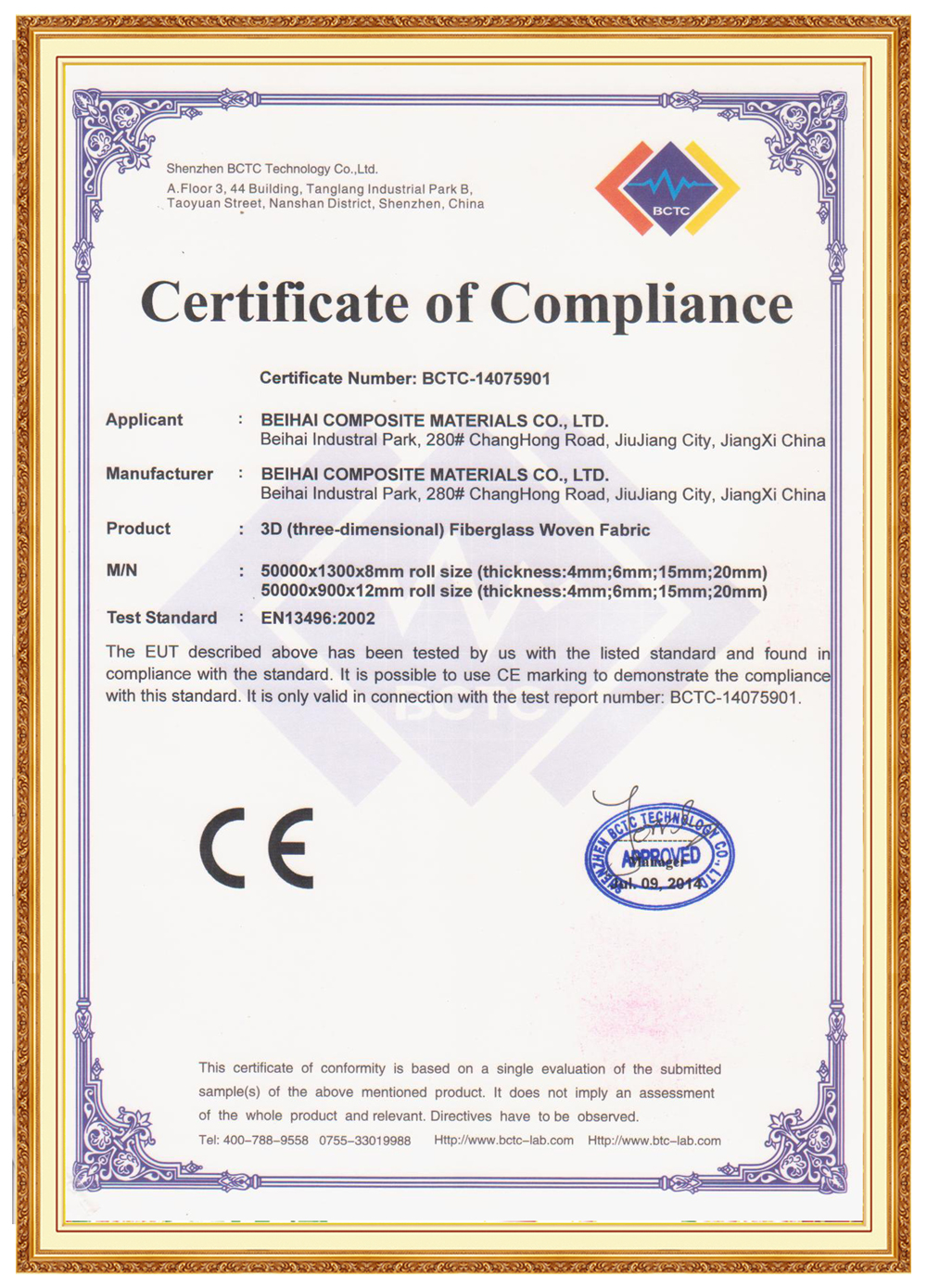
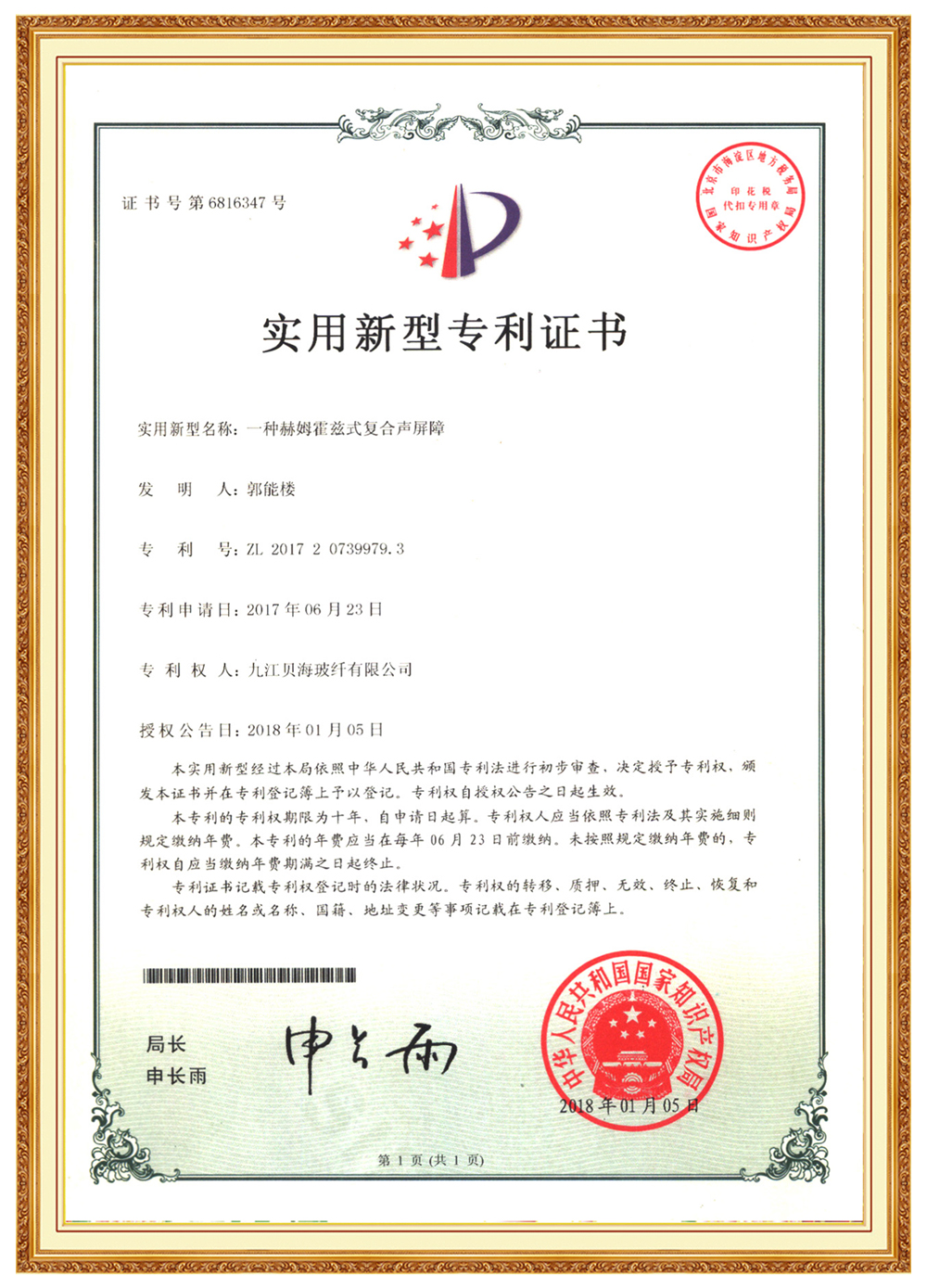
Verified manufacturing quality, adhering to strict international structural and environmental standards.
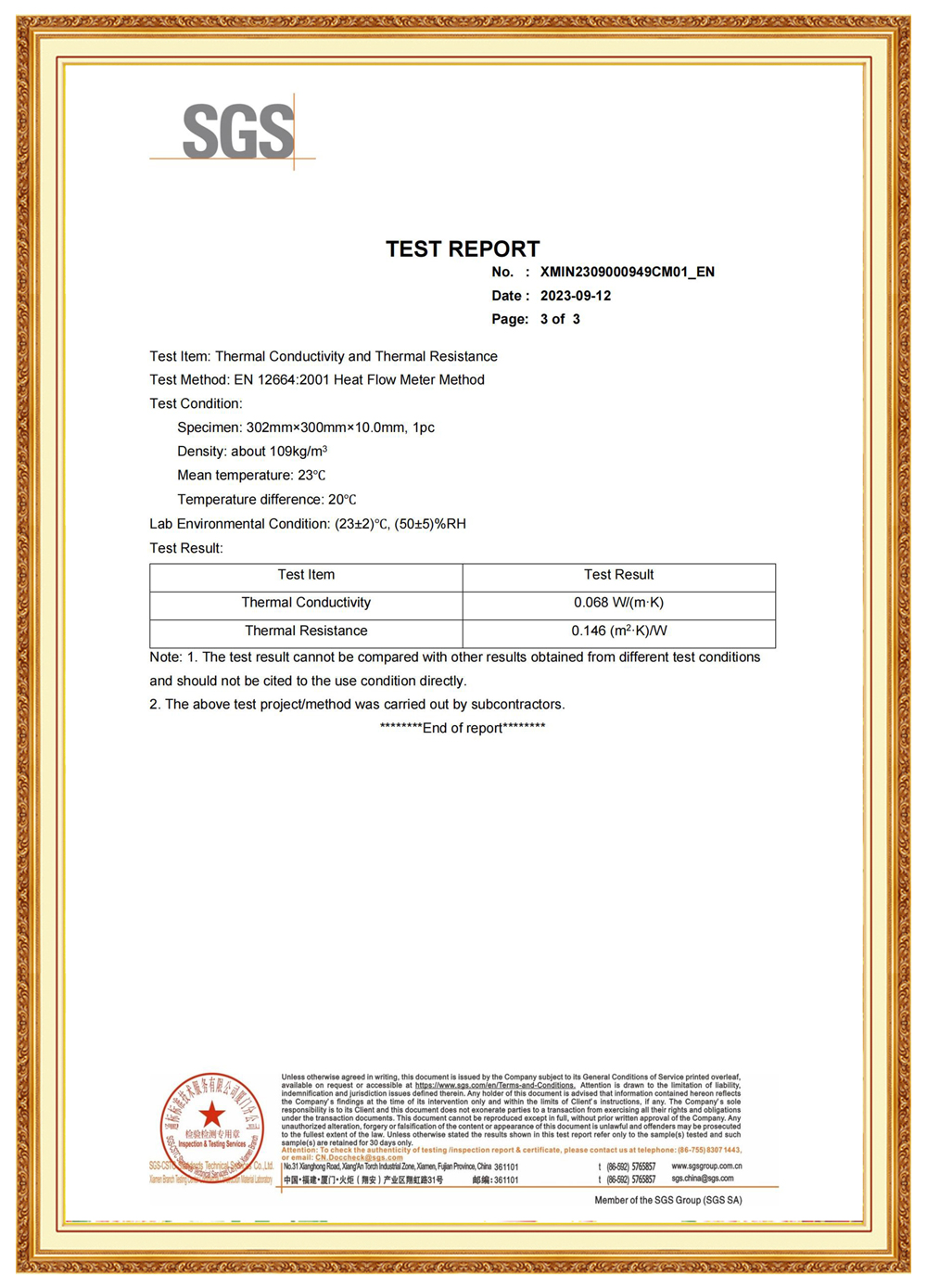
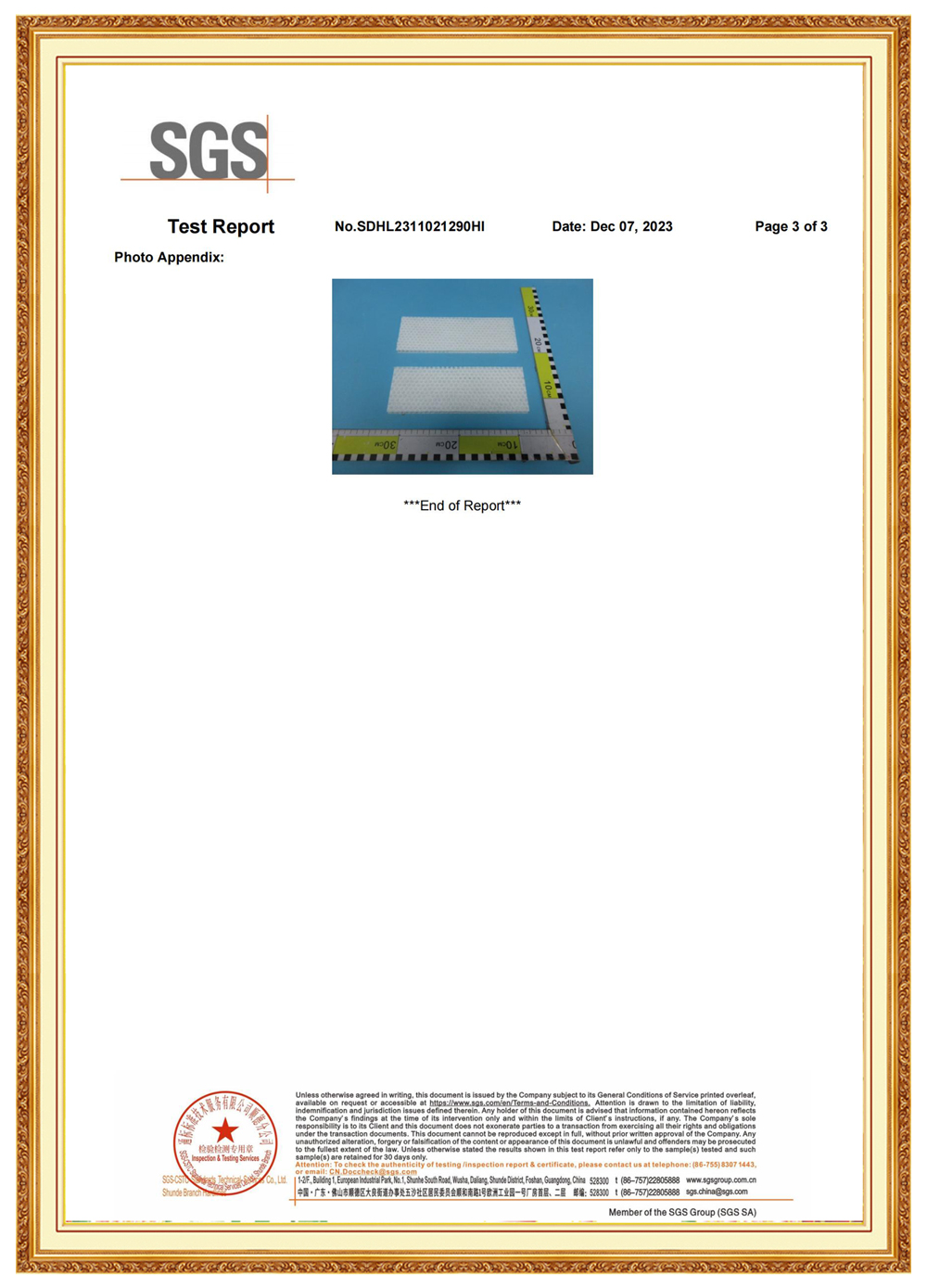
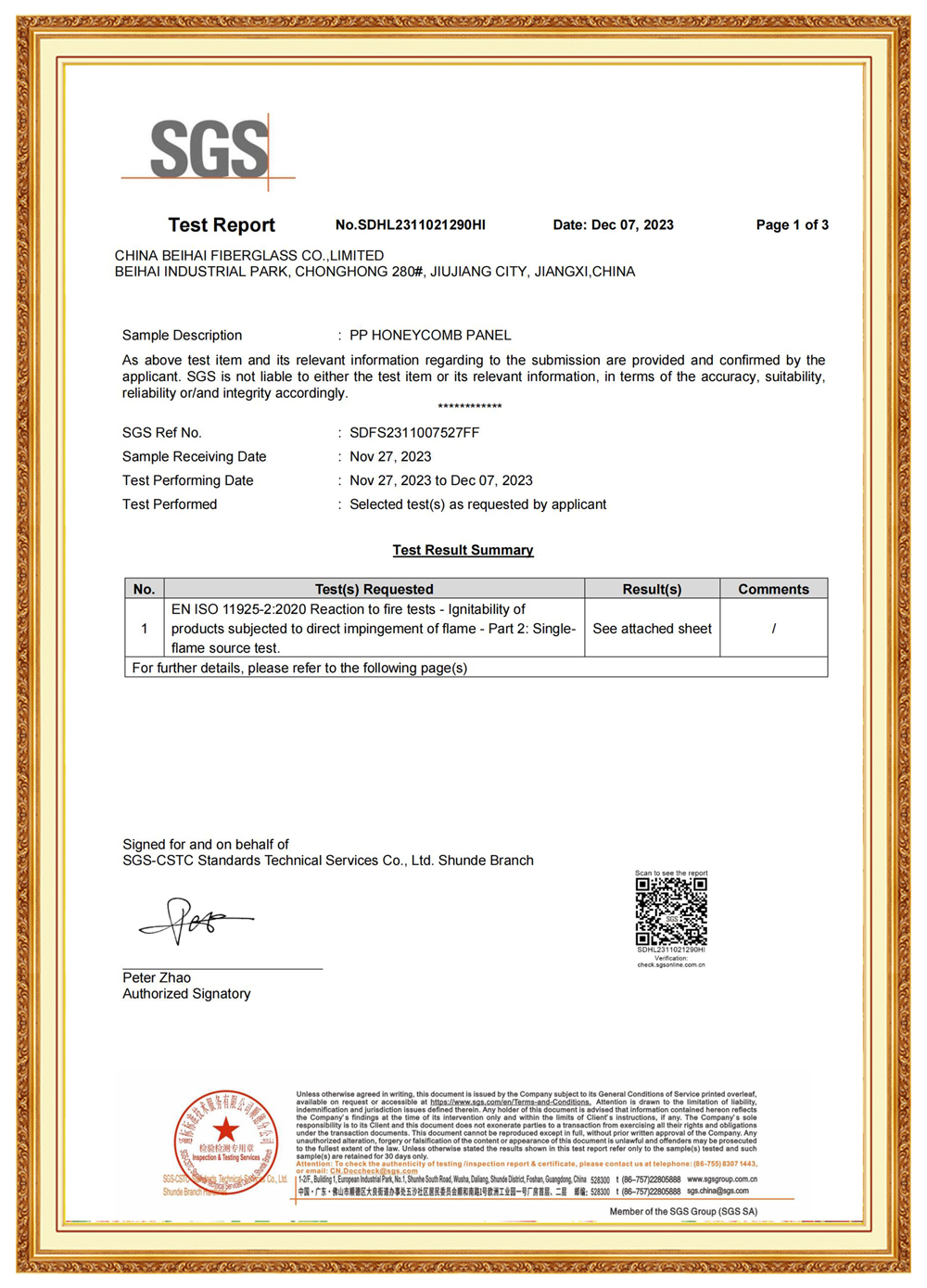
Stay updated with our latest R&D milestones and structural material updates.
As drones slice through the sky to monitor wildfires, and intelligent robots execute repetitive tasks with precision on the factory floor, the efficient operation of this smart equipment is often underpinned by high-strength, lightweight composites. Basalt fiber is driving this revolution, offering structural parts that deliver high tensile capacity, electrical isolation, and impact protection.
Read Full ArticleTechnical answers to key engineering, composition, and procurement questions.
Complete structural and reinforcement profiles including geotextiles, direct rovings, and specialized woven fabrics.
 Beihai Fiberglass