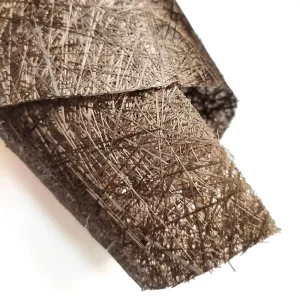
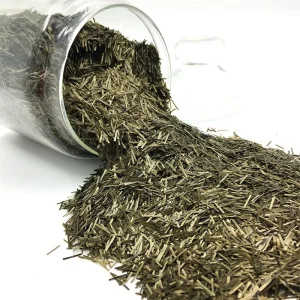
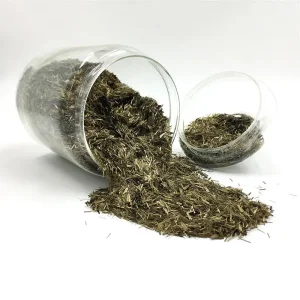
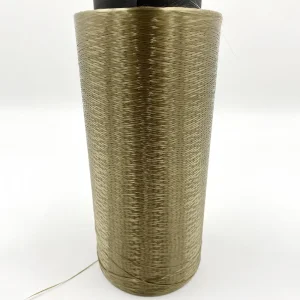
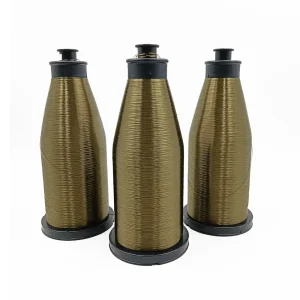
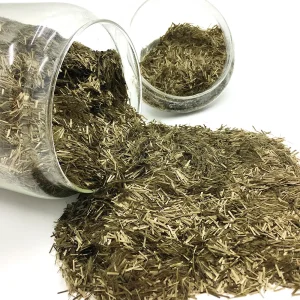
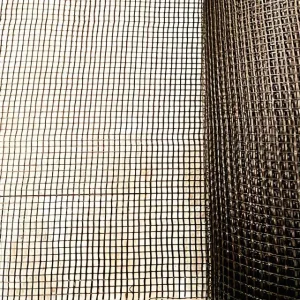
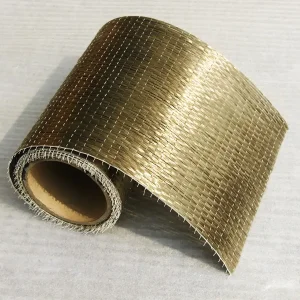
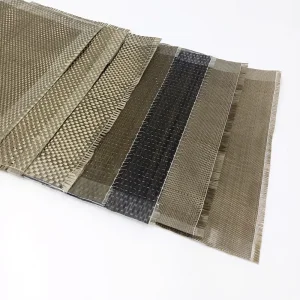
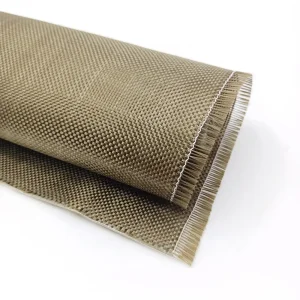
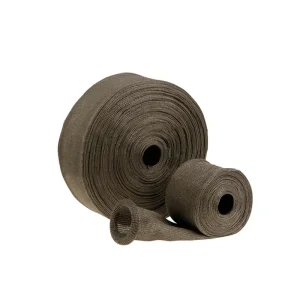
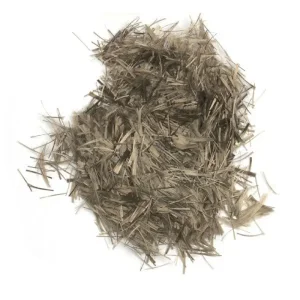
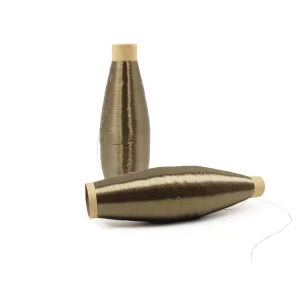
In the landscape of modern material science, Chopped Basalt Fiber (CBF) has emerged as a disruptive alternative to glass fiber and carbon fiber. Sourced from natural volcanic rock through high-temperature extrusion (typically exceeding 1450°C), basalt fiber is a 100% inorganic, eco-friendly material. As global industries pivot towards decarbonization and circular economy frameworks, wholesale chopped basalt fiber strands manufacturers are becoming critical nodes in the supply chains of construction, automotive, and aerospace sectors.
This white paper explores the technical superiority of basalt fibers, the structural advantages of China-based manufacturing units like China Beihai Group, and the evolving procurement requirements for global enterprises seeking high-modulus, corrosion-resistant reinforcement solutions.
Thermal Processing Stability
Tensile Strength Potential
Relative Alkali Resistance Increase
Toxic Emissions During Production
Located in Jiujiang, Jiangxi Province, China Beihai (founded in 2015) leverages the region's rich basalt mineral resources and advanced logistics. Our integration of R&D with large-scale production equipment manufacturing ensures lower overheads and higher consistency for wholesale buyers.
We utilize the latest furnace technologies that reduce energy consumption while maintaining the pristine mechanical properties of the basalt filaments. Our "Continuous Basalt Fiber" (CBF) processing allows for precise control over strand length (3mm to 50mm) and sizing compatibility.
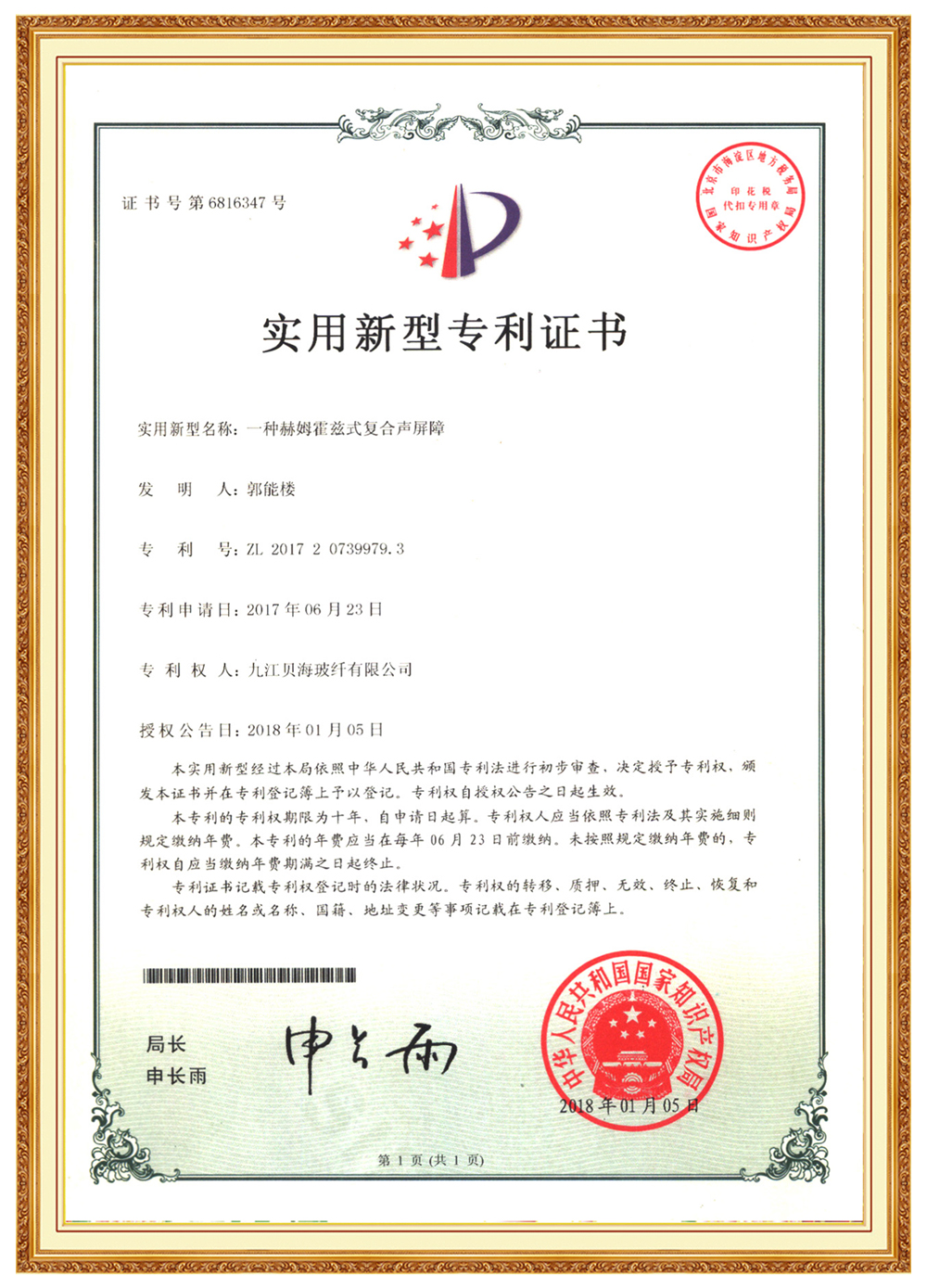
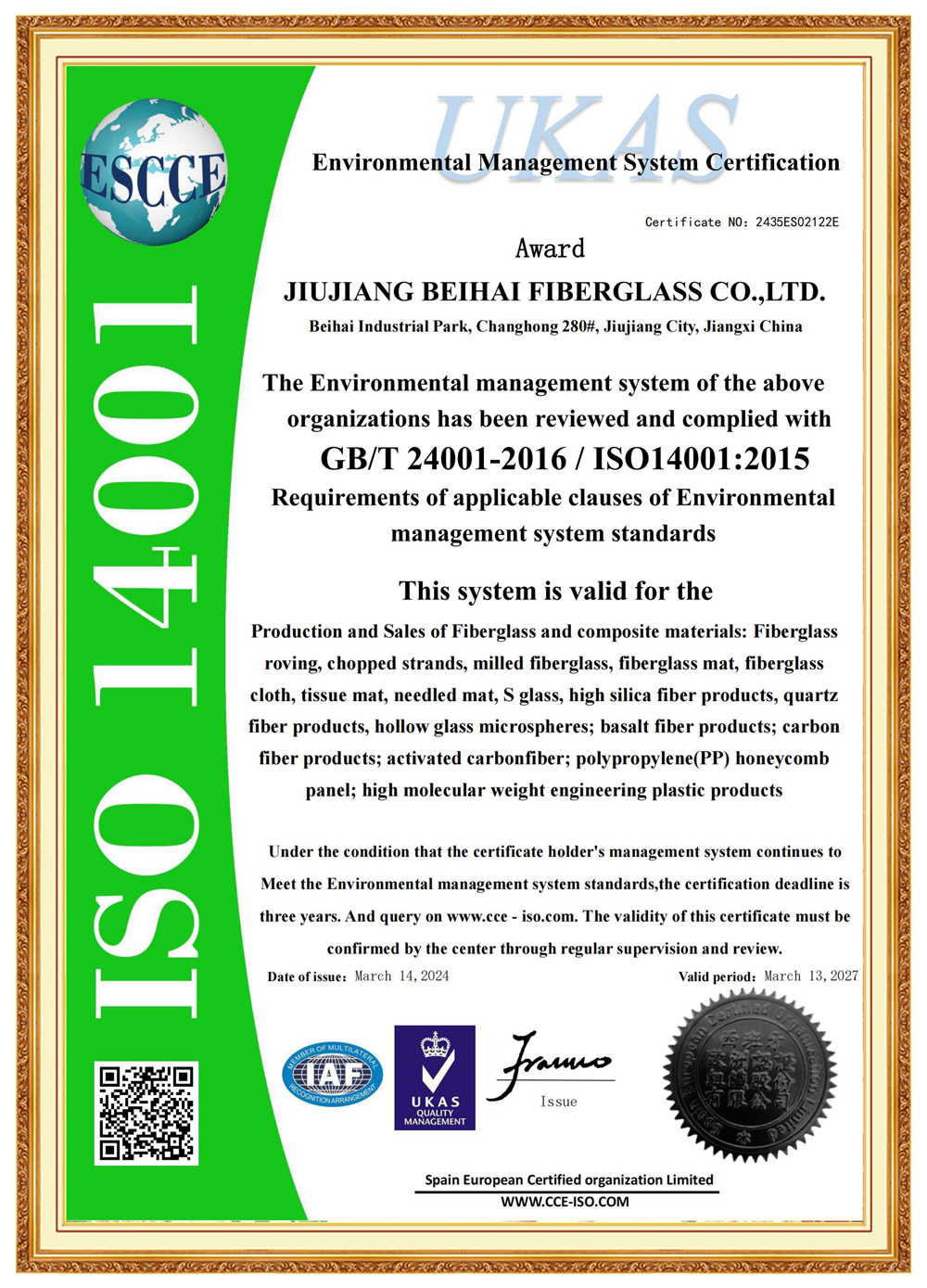
With a comprehensive range of certificates including ISO and industry-specific quality markers, we bridge the gap between "low-cost production" and "high-tier engineering standards," making us the preferred supplier for Fortune 500 infrastructure projects.
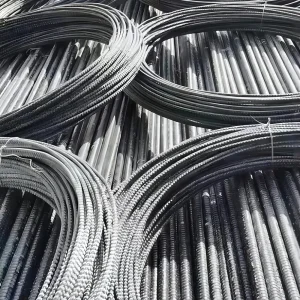
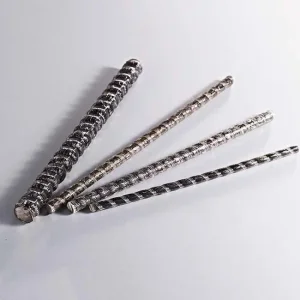
The global construction industry is moving away from traditional steel rebar due to corrosion issues and high carbon footprints. Basalt fiber rebar and chopped strands are being redefined as "Green Steel." Manufacturers are seeing a 40% year-on-year increase in demand for basalt-reinforced concrete in coastal infrastructure.
Chopped basalt fiber is no longer just a filler; it's a functional additive. In Bulk Molding Compounds (BMC), basalt provides superior thermal insulation and electromagnetic transparency compared to glass fibers, making it vital for 5G telecommunications housing and EV battery trays.
New research into "Sensory Basalt Fibers" is emerging, where fiber-optic-embedded basalt grids are used for real-time structural health monitoring in bridges and tunnels.
Reinforcing high-rise exterior walls to prevent cracking and enhance fire resistance. Basalt's natural UV stability makes it ideal for architectural facades in extreme climates.
Replacing heavy metal components with basalt-reinforced plastics (BRP). This reduces vehicle weight by up to 25%, directly contributing to fuel efficiency and EV range extension.
Bridge piers and harbor structures. Unlike steel, basalt does not rust. Using basalt fiber chopped strands in marine cement increases service life from 30 to 100 years.
Storage tanks and underground piping systems. Basalt fiber's resistance to acids and alkalis ensures leak-proof containment of hazardous chemicals.
Thermal protection shields and rocket motor casings. Basalt's ability to withstand temperatures from -260°C to 700°C provides a critical safety margin.
When sourcing wholesale basalt fiber strands, global enterprises focus on three pillars: Traceability, Sizing Compatibility, and Scalability.
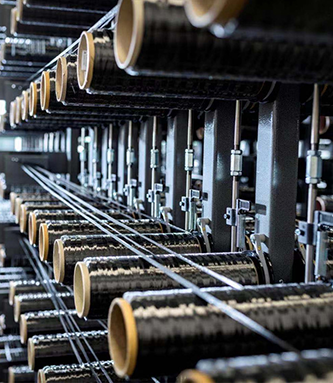
China Beihai Group is a high-tech enterprise at the forefront of the basalt continuous fiber industry. Our mission is to provide sustainable, high-performance reinforcement solutions. We don't just manufacture fiber; we innovate the equipment that makes the fiber, ensuring we hold the IP and quality control at every stage of the value chain.

 Beihai Fiberglass