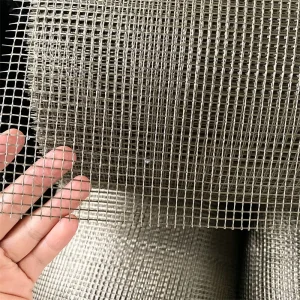
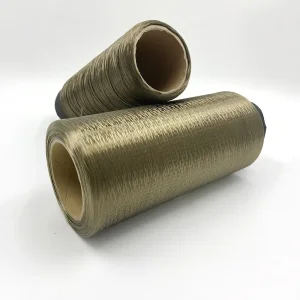
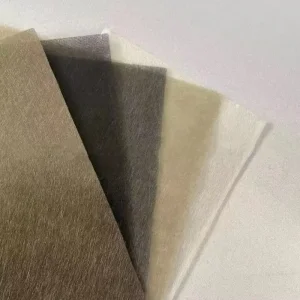
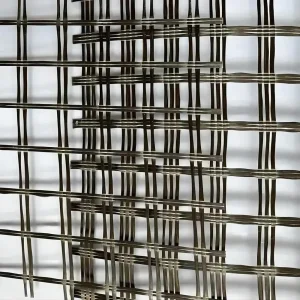
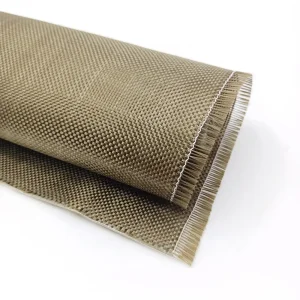
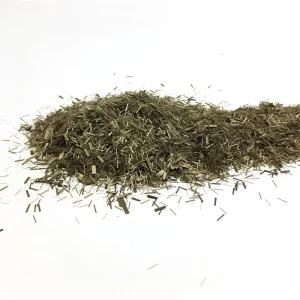
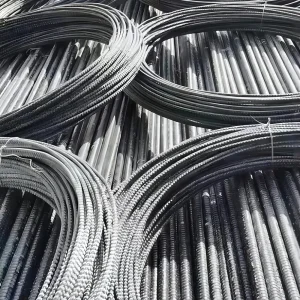
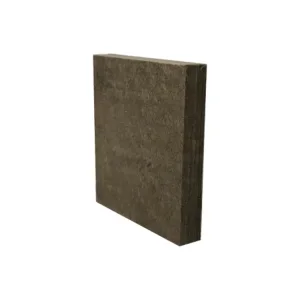
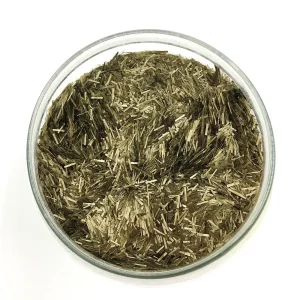
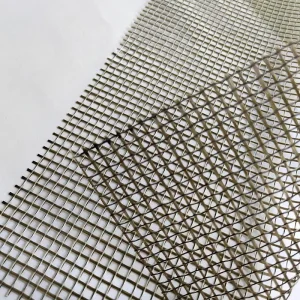
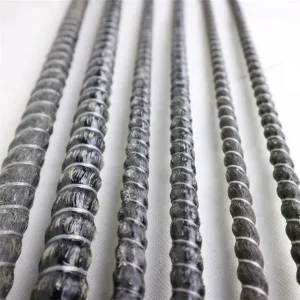
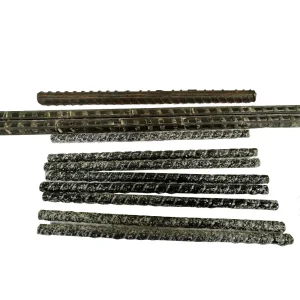
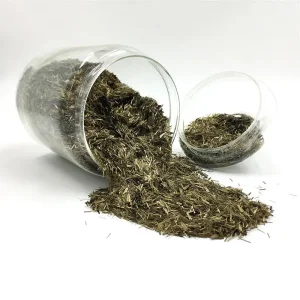
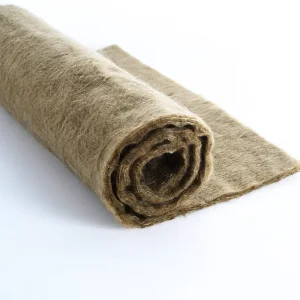
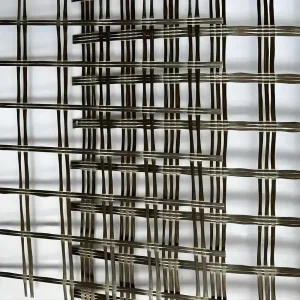
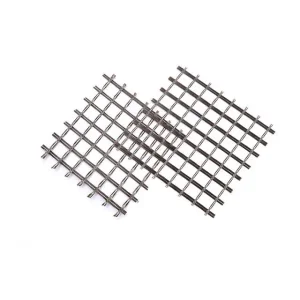
In the modern landscape of material science, Corrosion Resistant Veils—often produced from advanced basalt fiber—represent the pinnacle of surface reinforcement. Unlike traditional fiberglass or organic alternatives, basalt fiber veils provide an inert, chemically stable barrier essential for environments subjected to high acidity, alkali exposure, and extreme thermal fluctuations.
Our analysis indicates that as infrastructure projects globally move toward sustainable longevity, the demand for non-corrosive reinforcement materials is surging. Procurement managers are no longer just looking for "fiber," they are seeking information gain regarding material compatibility, resin adhesion, and lifecycle cost-efficiency.
Enterprises across the petrochemical, maritime, and civil engineering sectors are shifting procurement strategies. The focus is transitioning from initial capital expenditure (CAPEX) to total cost of ownership (TCO). Our basalt fiber veils are engineered to reduce maintenance frequency by up to 40% compared to traditional metallic or glass-fiber counterparts.
The Technical Roadmap for Basalt Fiber Technology (2025-2030) focuses on three pillars: Nanotechnology integration, optimized resin-fiber interface sizing, and modular construction. We are currently advancing our manufacturing processes to produce ultra-thin, high-density veils that offer superior drapability for complex 3D composite manufacturing.
We understand that international procurement involves strict regulatory hurdles. Our products are manufactured to meet ISO 9001, ASTM, and CE standards. We provide comprehensive documentation support, ensuring that our clients in the Middle East, Europe, and North America can seamlessly integrate our materials into their projects without compliance risks.
Q: What makes basalt fiber veils more corrosion-resistant than glass?
A: Basalt fiber is inherently acidic and alkali resistant. Its mineral composition is stable under pH ranges where glass fibers typically dissolve or suffer degradation.
Q: How do I request a bulk quote?
A: Simply navigate to our product categories or contact our sales engineering team with your specifications (GSM weight, width, and application details) for a detailed technical quote.
Q: Are these products suitable for high-temperature environments?
A: Yes. Basalt fiber retains its structural integrity at temperatures exceeding 600°C, significantly outperforming synthetic veils.
 Beihai Fiberglass