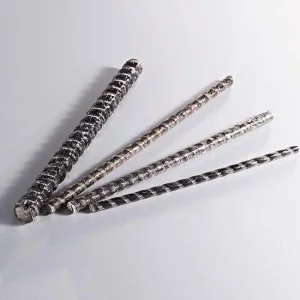
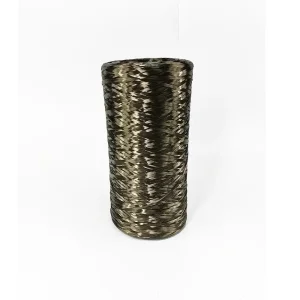
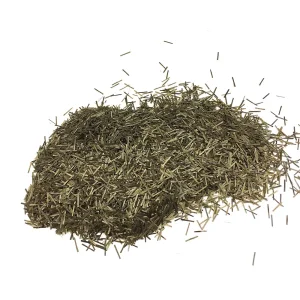
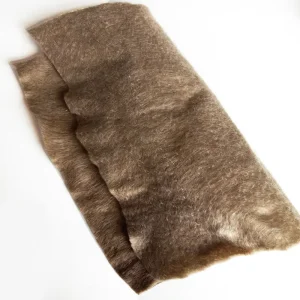
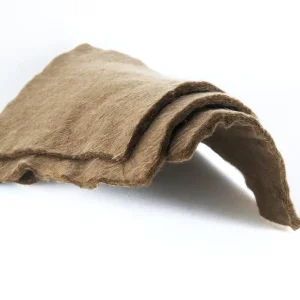
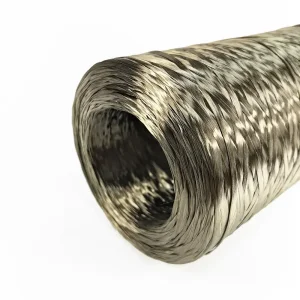
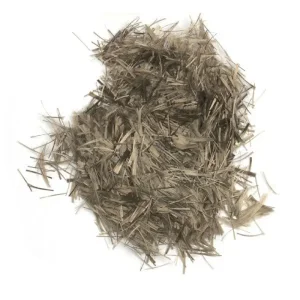
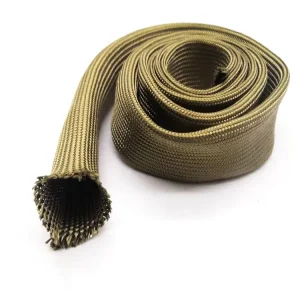
In the evolving landscape of civil engineering and material science, the inquiry "Is basalt good for construction?" is no longer just a question of suitability; it is a question of necessity. As global infrastructure faces the dual challenge of aging assets and environmental regulations, industries are pivoting toward high-performance basalt continuous fiber (BCF).
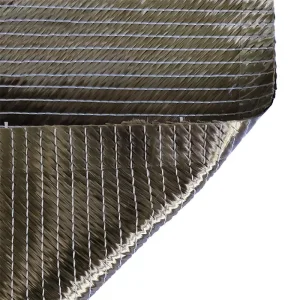
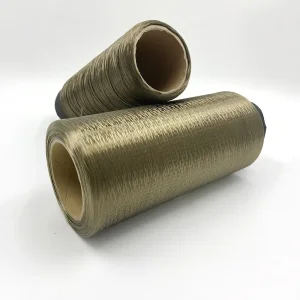
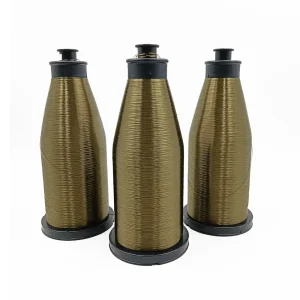
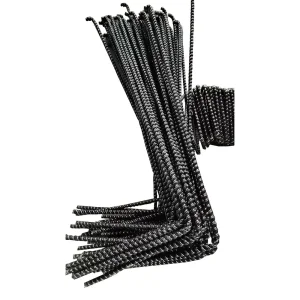
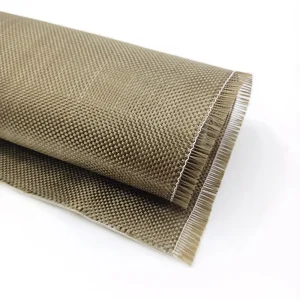
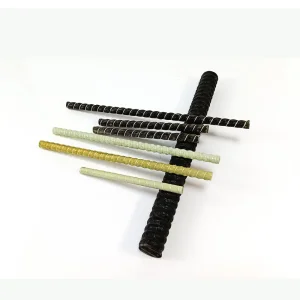
Basalt fiber is derived from volcanic rock through a melt-spinning process. Unlike steel, it is naturally inert. It does not rust, it is resistant to alkali attacks (the primary cause of concrete degradation), and it boasts a tensile strength significantly higher than common construction-grade steel.
The basalt fiber industry is currently experiencing a CAGR (Compound Annual Growth Rate) driven by the demand for "lightweight and durable" construction materials. Key trends include:
The roadmap for basalt fiber involves moving beyond basic rebar applications. We are seeing breakthroughs in:
As a leading enterprise in the sector, our focus is not merely on selling raw material, but on providing integrated solutions. We serve sectors ranging from Petrochemicals (corrosion-resistant piping) to Aerospace (thermally stable composites). Our factory-direct wholesale model ensures that contractors and engineers can access the R&D expertise required to implement these materials effectively.
A: While upfront procurement costs may differ, the "Total Cost of Ownership" (TCO) is lower. Reduced maintenance, zero corrosion risk, and easier transport (lighter weight) provide massive long-term savings.
A: Basalt is inherently non-combustible and maintains structural integrity at extreme temperatures, providing better passive fire protection than many synthetic materials.
 Beihai Fiberglass