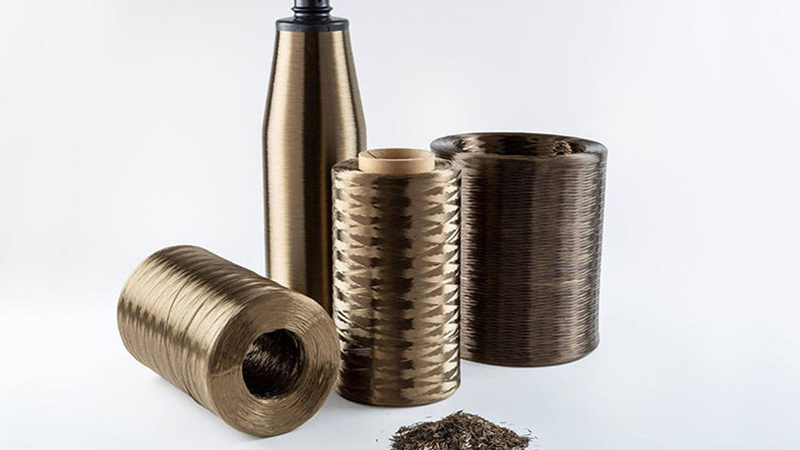
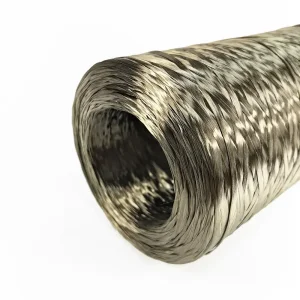
In the era of rapid industrial decarbonization and extreme engineering specifications, continuous basalt fiber (CBF) and its lightweight derivative yarns have emerged as the premier green material alternative to carbon and E-glass fibers. Unlike traditional synthetics, lightweight basalt yarn is extruded directly from volcanic igneous rock melted at high temperatures (typically 1450°C to 1500°C), without any artificial chemical additives. This single-component inorganic matrix yields exceptional tensile strength, innate fire proofing, and unmatched corrosion resistance.
At China Beihai, founded in 2015 and located in the historic high-tech manufacturing hub of Jiujiang, Jiangxi Province, we have established one of the world's most integrated research, development, and high-output continuous basalt fiber production lines. Our proprietary cold-furnace technologies and precise sizing control deliver lightweight basalt yarn with unprecedented uniformity in linear density (Tex) and structural reliability. As global infrastructure faces the dual challenge of structural aging and rising saline-alkali exposure, basalt fiber stands as the ultimate, maintenance-free solution.
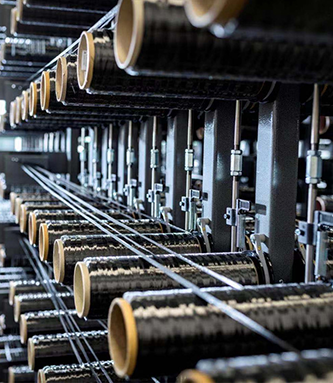
China Beihai is a domestic and global leader in high-performance basalt continuous fiber processing. Operating out of Jiujiang, Jiangxi, we integrate basic research, application development, and downstream product engineering. By designing our own high-tech multi-tip bushing extrusion furnaces, we control filament quality right from the source.
Our focus is to replace heavy, corrosive, and carbon-intensive construction metals with structural basalt composites. Through intense R&D and advanced surface chemistry, our engineering teams have successfully implemented basalt yarns, rovings, chopped strands, and rebars across challenging structural landscapes.

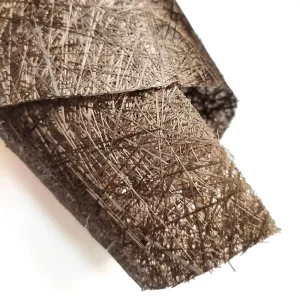
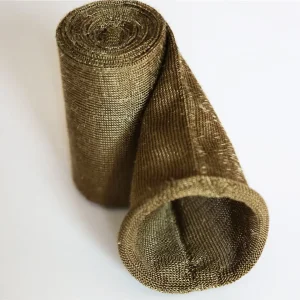
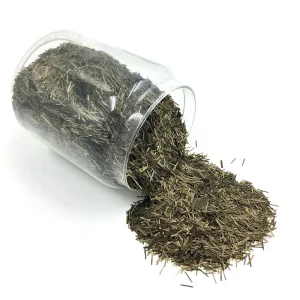
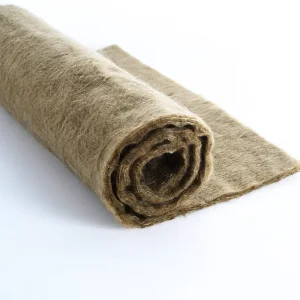
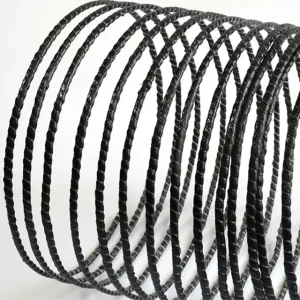
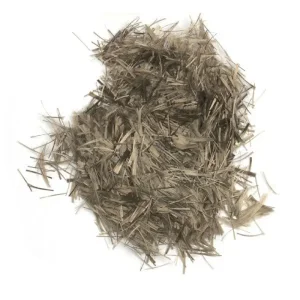
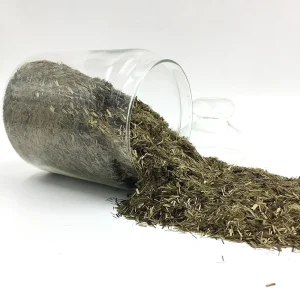
At China Beihai group, we specialize in the production of a wide range of products including basalt fiber mat (Basalt fiber chopped strand mat, Basalt fiber cloth), basalt fiber roving, basalt fiber yarn, basalt fiber chopped strands, and structural finished solutions like basalt fiber rebar, basalt sleeves, and tapes. Our products are customized to tackle chemical degradation and thermal shocks in harsh setups.

We supply advanced geotechnical, building construction, and mechanical materials. Our state-of-the-art facilities turn natural volcanic rocks into high-tensile continuous filament yarns. Our team works hand-in-hand with engineering corporations to design tailored weaving solutions, improving stability, vibration damping, and fire protection profiles.

Working with China Beihai means securing an uninterrupted volume of top-tier basalt products. Our focus on quality and rigorous quality control guarantees that you receive robust composite materials. Backed by industry-leading certifications and deep engineering support, we are your forward-thinking development partner.
Understanding the pricing structure of continuous basalt fiber requires analyzing the underlying technical parameters. Lightweight basalt yarn is priced based on its linear density (Tex), filament diameter (microns), and the chemical sizing formulation applied. Lower Tex counts (such as 22 Tex or 33 Tex) demand highly precise extrusion parameters and slower production throughputs, resulting in a slightly higher price per kilogram compared to thick roving (1200 Tex to 4800 Tex). Below is an analytical guide to structural sourcing specifications.
| Linear Density (Tex) | Filament Dia. (μm) | Standard Weave / Type | Common Applications | Wholesale Quote Range (Est. USD/kg) |
|---|---|---|---|---|
| 22 Tex - 33 Tex | 7 - 9 μm | Ultra-light twist yarn | High-altitude aerospace sleeves, PCB dielectric boards, thermal micro-tapes | $5.20 - $7.50 |
| 66 Tex - 100 Tex | 9 - 11 μm | Medium weight yarn | Automotive engine wire insulation, protective fire sleeves, composite exhaust wraps | $4.10 - $5.80 |
| 136 Tex - 300 Tex | 11 - 13 μm | Multi-filament ply yarn | Chemical pipeline braiding, anti-vibration geotextiles, marine hull reinforcements | $3.50 - $4.90 |
| 800 Tex - 4800 Tex | 13 - 22 μm | Direct / Assembled roving | Basalt rebar pultrusion, unidirectional grids, bridge structural reinforcements | $2.80 - $3.90 |
*Disclaimer on Quotes: The above prices represent current ballpark figures for volume industrial orders (FOB Jiujiang or Shanghai). Prices are susceptible to fluctuations in raw energy costs (natural gas required to reach the 1450°C smelting range) and chemical sizing agent availability. Contact China Beihai directly for exact, project-specific quotes.
In structural engineering, the term "lightweighting" must co-exist with long-term structural survivability. Continuous basalt yarn is the primary material component behind complex composite systems, protecting structures from chemical corrosion, heavy mechanical stress, and thermal decomposition.
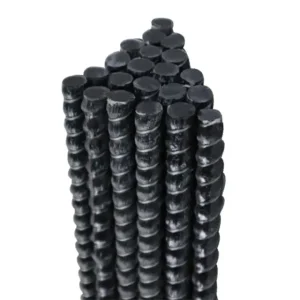
In concrete reinforcement, traditional iron rebar corrodes when exposed to alkaline elements and moisture, triggering concrete degradation. By weaving continuous basalt yarn into high-tensile meshes or pultruding it into basalt fiber rebars, engineers obtain a fully rust-proof, non-conductive reinforcing framework that extends the operational lifespan of bridges, highways, and tunnels by up to 100 years.
Continuous basalt yarn’s lightweight nature and high strength-to-weight ratio make it ideal for structural aircraft panels, cabin insulation panels, and aerospace engine wraps. With its high thermal threshold, it acts as a reliable fire-retardant barrier, preventing thermal runaway and safeguarding critical electronic and mechanical systems in high-altitude environments.
Automobile manufacturers are replacing E-glass composite structures with basalt fiber composites to achieve significant weight reduction and higher impact damping. Basalt-yarn reinforced car interior door panels, engine hoods, and mufflers provide excellent acoustic insulation while absorbing high-frequency vibration and crash impacts.
Bridge piers face the dynamic action of tides, salt-water ingress, and potential debris collisions. Wrapped basalt fiber jackets, constructed from robust continuous basalt yarn, act as an impervious armor shield, insulating concrete pillars from moisture and chemical attacks while providing an energy-absorbing barrier against physical impact.
Petrochemical storage and transport systems operate under high acidity and pressure. Utilizing basalt fiber sleeves and tapes braided directly from chemical-resistant basalt yarns prevents pipeline degradation from hydrogen sulfide and sulfuric acid. It also maintains physical integrity at temperatures that would melt polymer fibers.
Continuous seawater immersion destroys traditional steel and fiberglass structures. Basalt fiber is immune to rust and salt-water degradation. As a result, ship hulls, offshore wind foundations, and harbor docks reinforced with basalt composites survive decades without expensive coatings or cathodic protection.
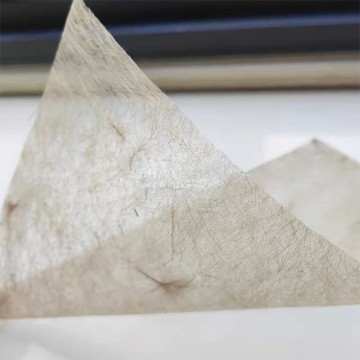
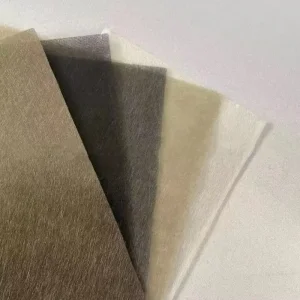
Basalt Fiber Surfacing Tissue Mat is engineered to provide a smooth, resin-rich outer layer for FRP composites...
Request Quotes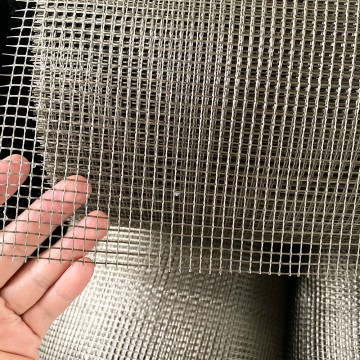
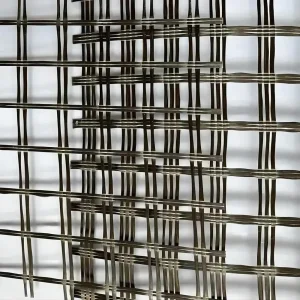
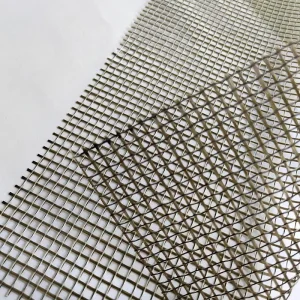
High performance grid mesh providing superior reinforcement for concrete, masonry, and plaster layers...
Request Quotes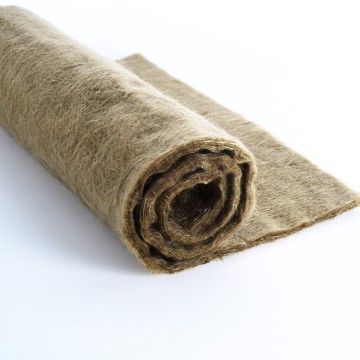
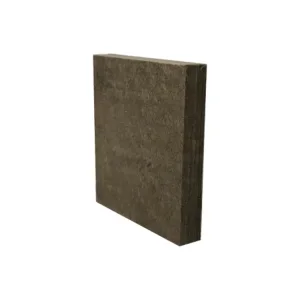
Density-controlled insulation material manufactured by mechanically bonding continuous fibers...
Request Quotes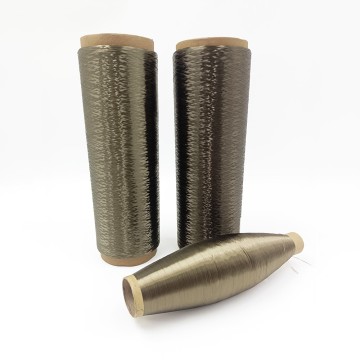
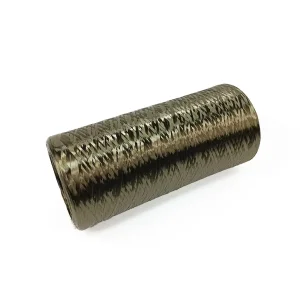
Engineered by twisting multiple continuous filaments to enhance mechanical strength during braiding and weaving...
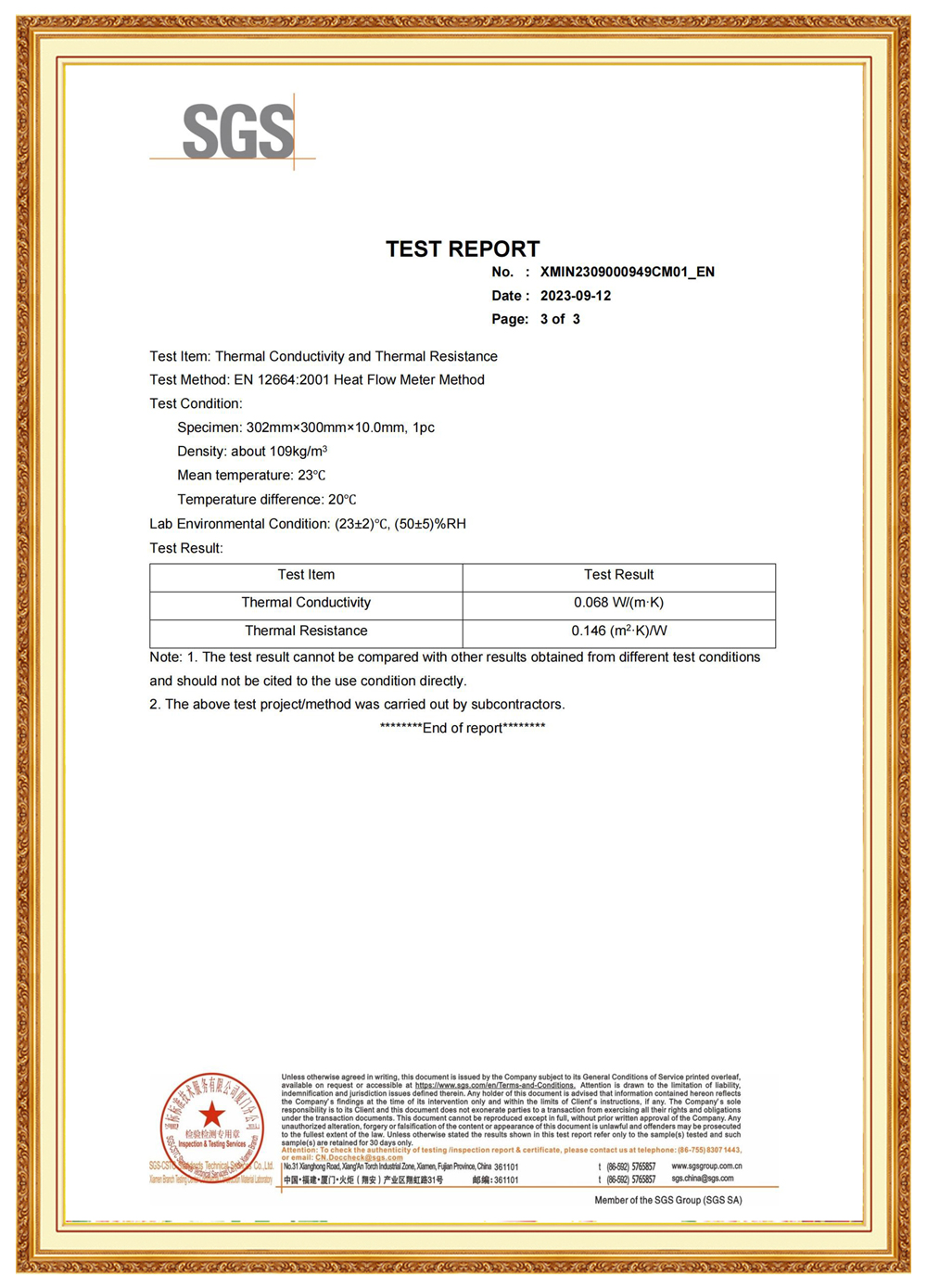
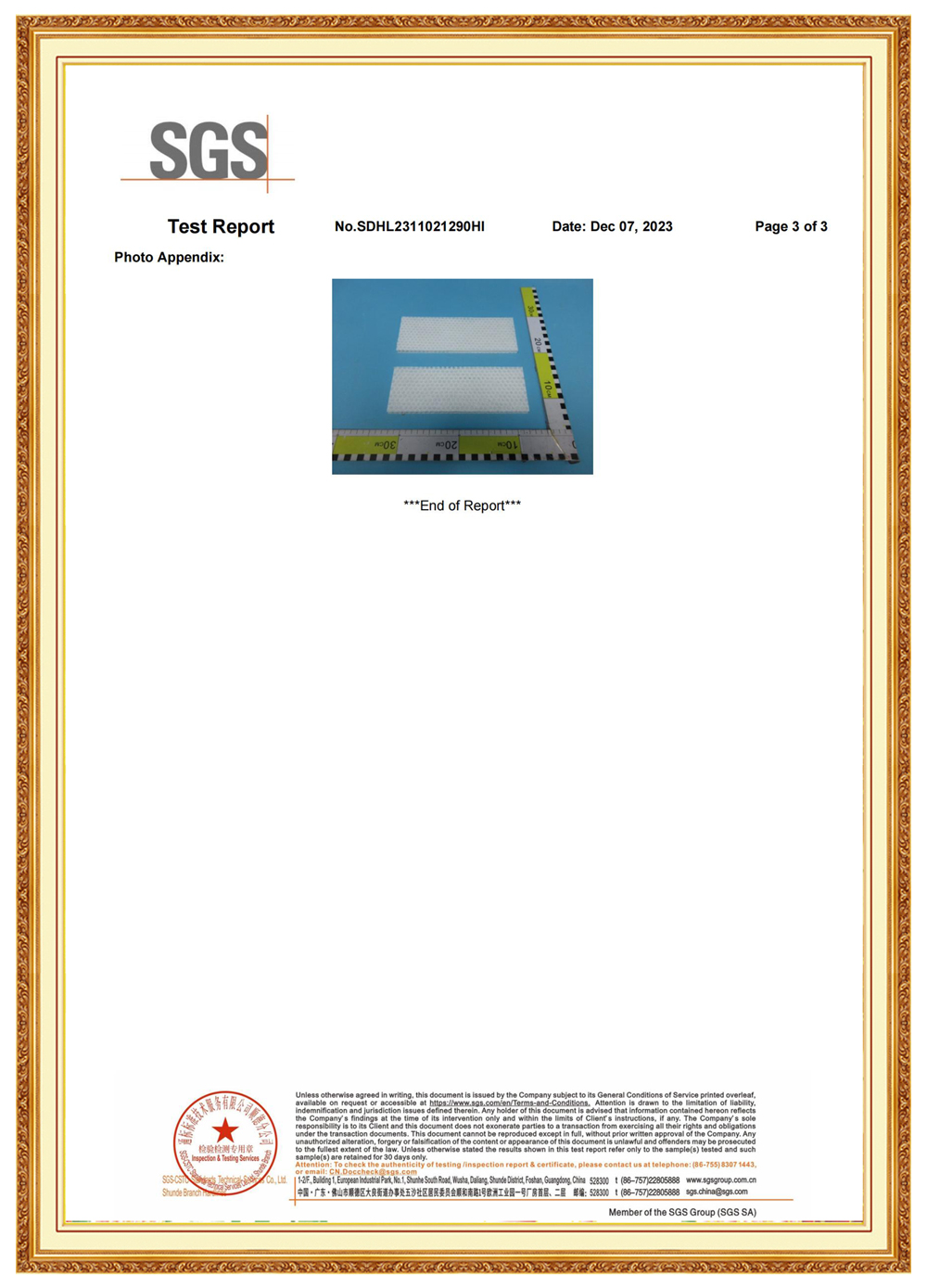
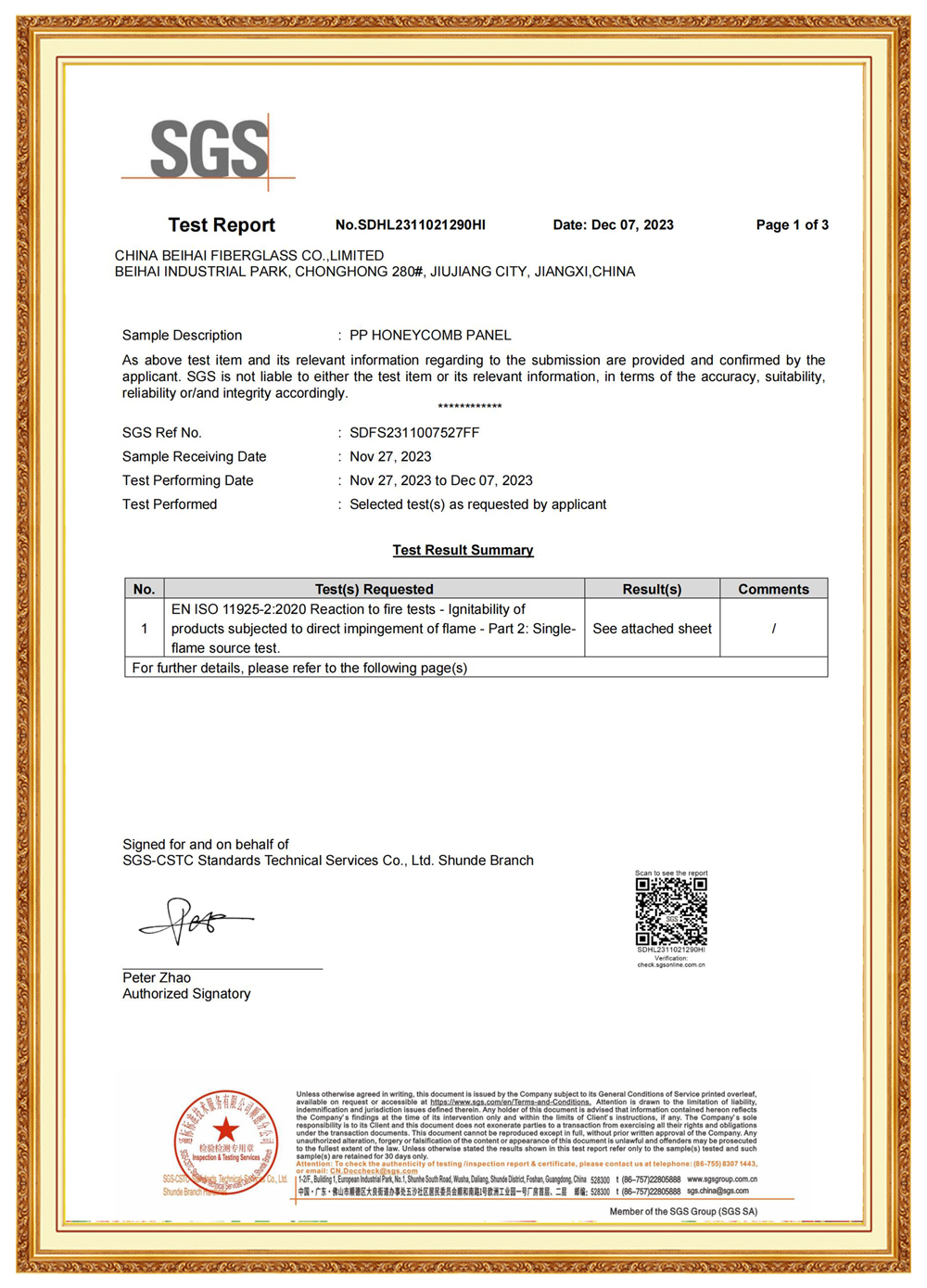
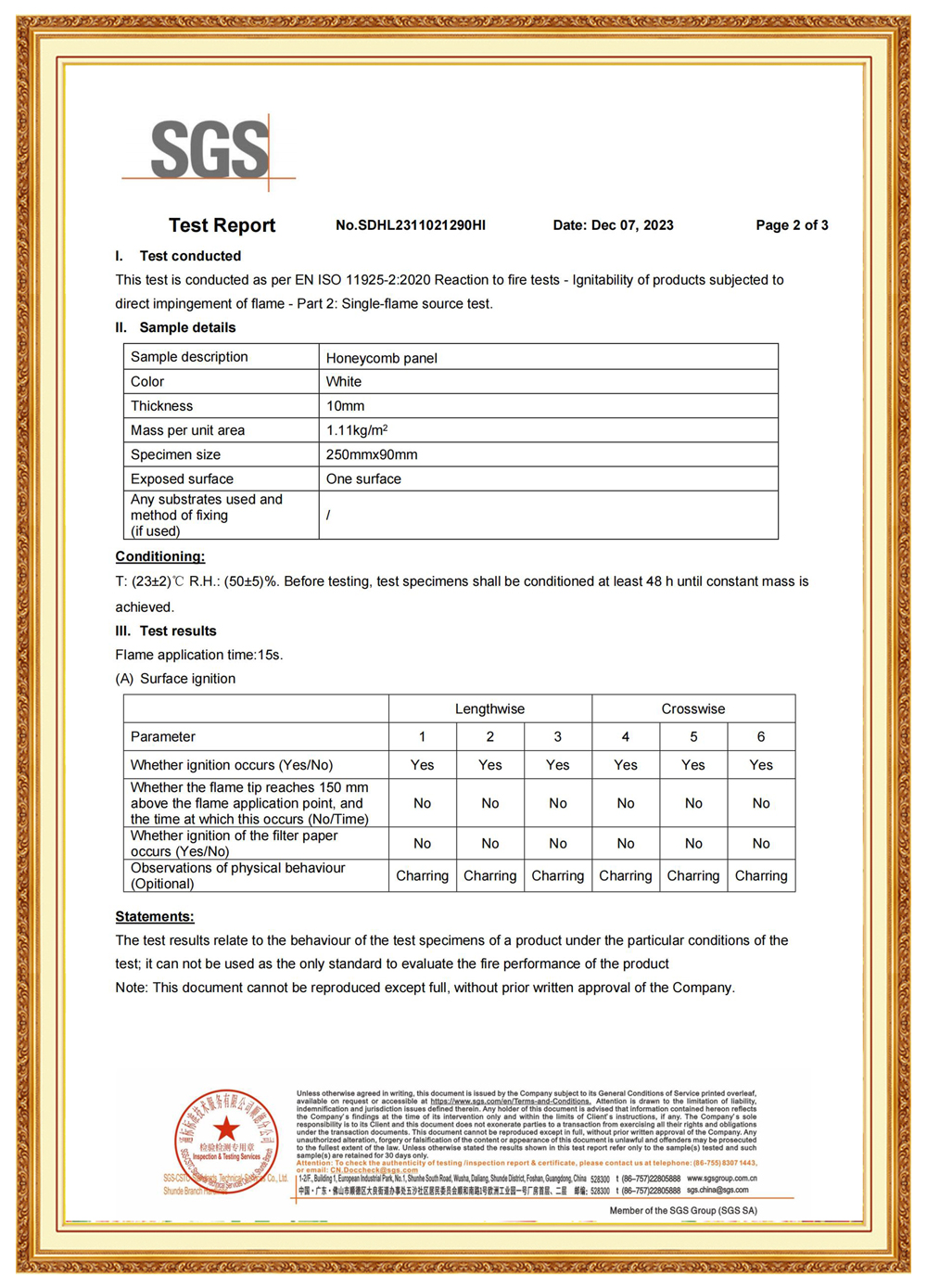
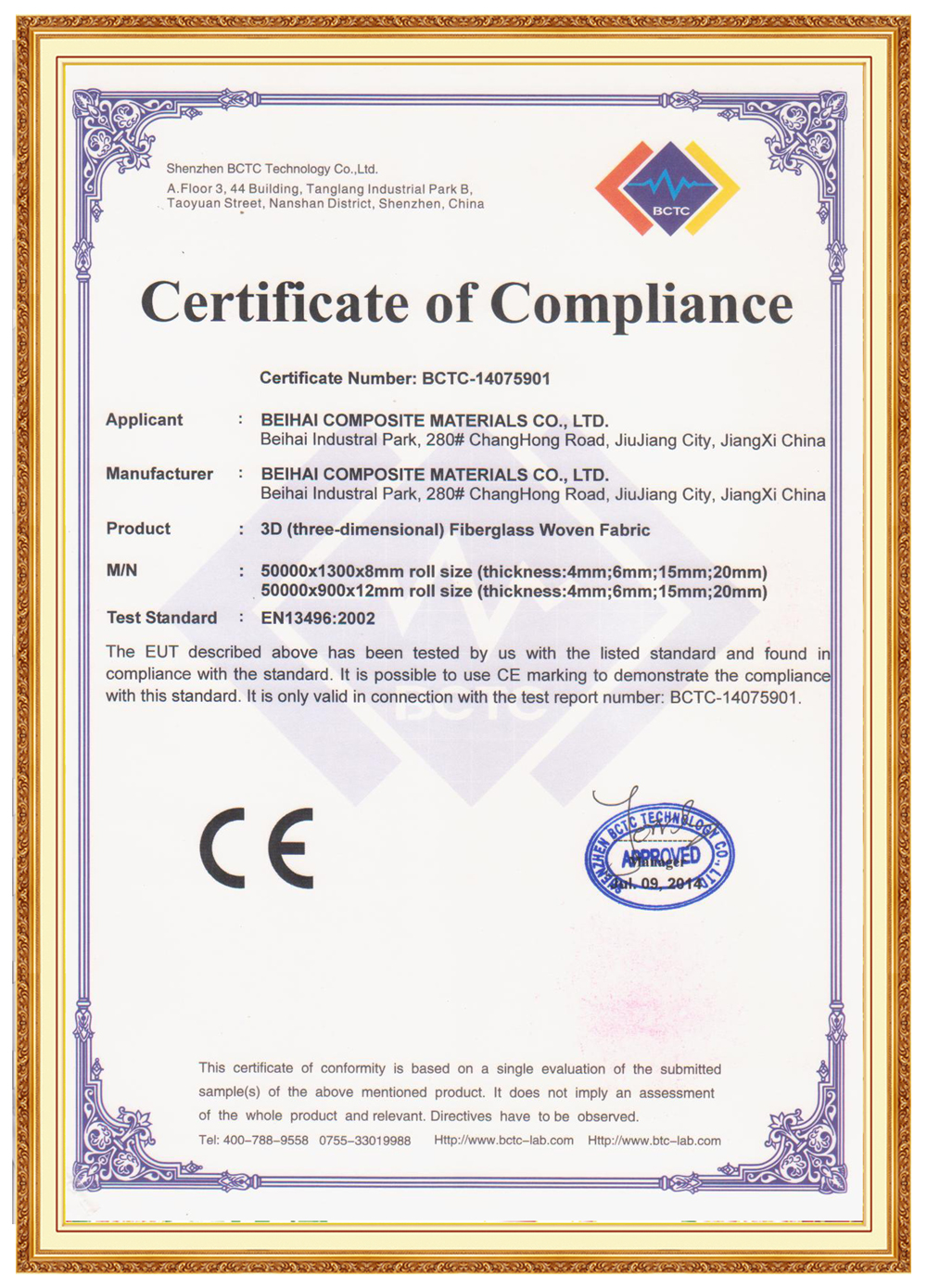
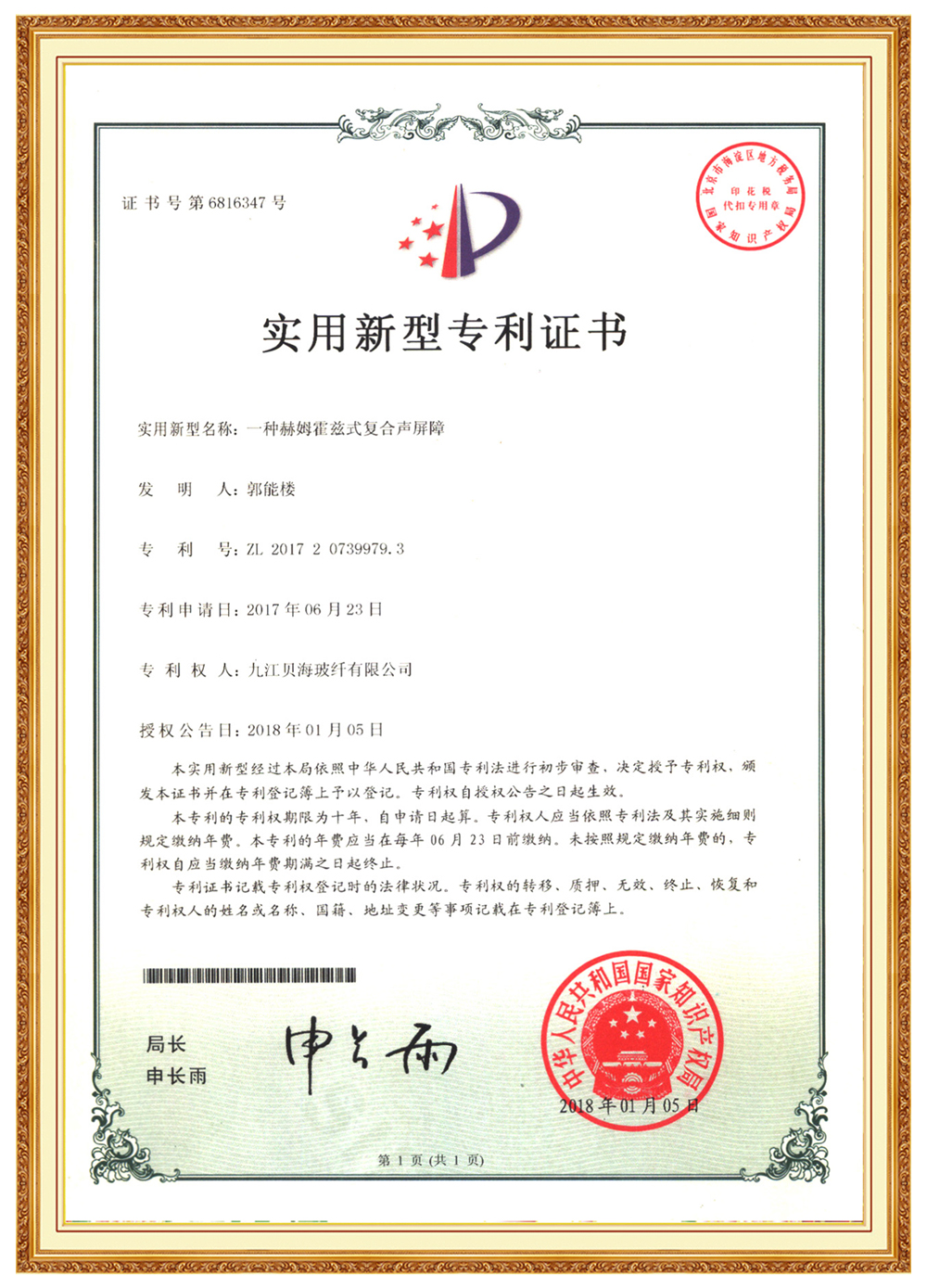
Request QuotesWorking with large scale B2B engineering contracts requires robust compliance credentials. China Beihai ensures that our lightweight basalt yarn and derived structural reinforcement products comply with stringent international standards. Whether you are engineering infrastructure projects in the European Union, managing roadworks under ASTM standards in North America, or laying subsea cables in Asia, our certifications protect your investment.
Our Jiangxi-based manufacturing facility utilizes fully automated monitoring, ensuring batch-to-batch consistency in filament diameter and chemical sizing. We offer fully localized logistical and administrative support, offering customs clearance documentation, technical guidance, and chemical compatibility testing for various resin systems (including epoxy, vinyl ester, and polyurethane).

We are integrating organosilane-based sizing formulas engineered at the molecular level. This ensures absolute chemical bonding between the inorganic basalt fiber structure and thermosetting resins, eliminating interlaminar shear stress failures in complex industrial composites.
By co-weaving ultra-fine lightweight basalt yarn with aerospace-grade carbon fiber, our upcoming composite series will achieve high structural stiffness and extreme impact damping at a lower material cost than pure carbon composites.
Since basalt continuous fiber consists of pure natural stone, we are engineering complete structural reclamation systems. Used basalt concrete grids and automotive structural shapes can be crushed and reconstituted into thermal basalt insulation panels, ensuring a circular lifecycle.
 Beihai Fiberglass