Deploy high-durability reinforcing elements for extreme structural and corrosion-critical parameters. Explore the first segment of our continuous basalt fiber inventory engineered for international commercial demands.
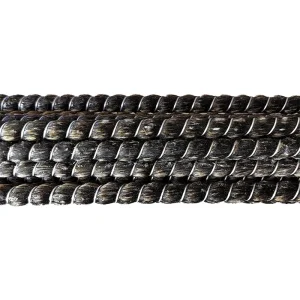
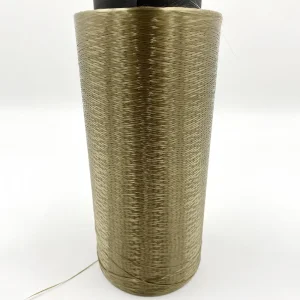
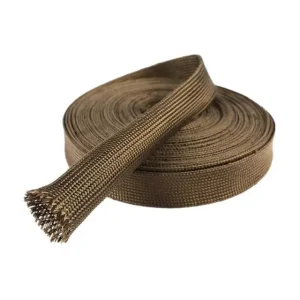
Established in 2015 in the high-tech industrial cluster of Jiujiang, Jiangxi Province, China Beihai has risen as an authoritative powerhouse specializing in the synthesis, processing, and system integration of continuous basalt fiber. Operating at the frontier of industrial materials science, China Beihai is not merely a manufacturer; we are standard-setting engineers who manufacture the specialized high-temperature melting equipment required to extract pristine volcanic basalt rock and draw it into ultra-high-tensile composite rebar structural reinforcements.
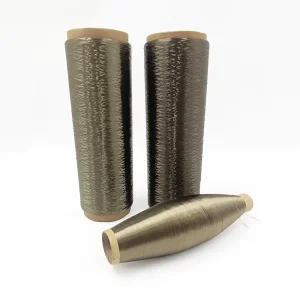
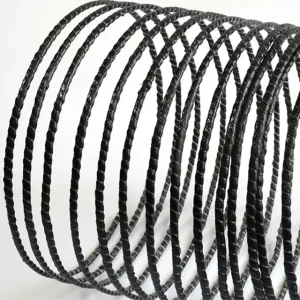
Under our state-of-the-art laboratory protocols, raw basalt rock is liquefied at 1450°C to draw micro-filaments with diameters ranging between 9 to 22 micrometers. These continuous fibers are integrated with highly engineered thermosetting polymer resin matrices via specialized automated pultrusion processes to produce the industry-defining Lightweight Basalt Fiber Reinforced Polymer (BFRP) Rebar. This structural material addresses the critical issues of load-bearing structural degradation, micro-cracking, and chemical corrosion that historically plague concrete infrastructures globally.
At China Beihai Group, our integrated continuous production line provides unique performance values for modern infrastructural projects:
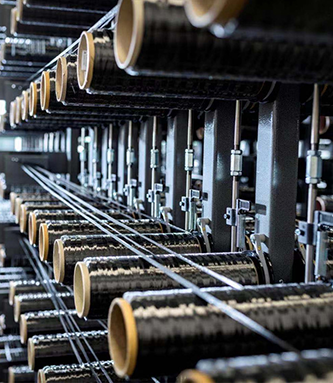
The global construction, civil engineering, and heavy infrastructure markets are undergoing a seismic materials paradigm shift. For over a century, structural reinforced concrete relied implicitly on carbon steel rebar. However, the macro-financial burden of steel-reinforced concrete degradation is staggering. Global corrosion-related infrastructure maintenance cost is estimated at over $2.5 trillion annually, forcing municipal planners and geotechnical engineers to evaluate alternative structural solutions.
Lightweight rebar—specifically Basalt Fiber Reinforced Polymer (BFRP) rebar—has emerged as a highly viable alternative to traditional black steel, epoxy-coated steel, and stainless steel reinforcements. Chemically inert and inherently rust-proof, basalt rebar eliminates the root cause of concrete spalling. When steel oxidizes, it expands up to 600% in volume, generating internal tensile stresses that crack the concrete cover. Basalt rebar prevents this mechanism, allowing developers to design structures with service lives exceeding 100 years without structural maintenance cycles.
From a global supply chain perspective, continuous basalt fiber offers unique macroeconomic stability. Unlike carbon fiber, which is heavily reliant on petroleum precursor pricing and energy-intensive polyacrylonitrile (PAN) thermal processing, basalt fiber is derived from volcanic rock, an abundant geological resource. The conversion process is highly thermal-efficient, requiring no hazardous chemical synthesis. As a result, commercial developers looking to future-proof their supply lines against fluctuating commodity pricing are establishing direct partnerships with integrated manufacturers like China Beihai.
Additionally, logistics are heavily optimized. Because BFRP rebar is 75% lighter than steel of equivalent reinforcing capability, cargo shipments that previously required four heavy-duty trucks can now be transported on a single vehicle. This reduction in deadweight drastically minimizes transportation costs, on-site heavy machinery demands, and localized carbon emissions, aligning structural projects with aggressive global net-zero mandates.
| Performance Metric | Traditional Carbon Steel Rebar | Glass Fiber Rebar (GFRP) | China Beihai Basalt Rebar (BFRP) |
|---|---|---|---|
| Tensile Strength (MPa) | 400 – 500 MPa | 600 – 800 MPa | 1100 – 1350 MPa |
| Density / Specific Weight | 7.85 g/cm³ | 1.90 g/cm³ | 1.95 – 2.10 g/cm³ |
| Chemical Corrosion Resistance | Very Low (Highly susceptible to chlorides) | Moderate (Vulnerable in highly alkaline environments) | Excellent (Highly stable in pH 1.0–13.5 systems) |
| Thermal Conductivity (W/m·K) | 46.0 - 54.0 W/m·K | 0.30 - 0.45 W/m·K | 0.25 - 0.35 W/m·K (Thermal Isolation) |
| Electromagnetic Profile | Highly Conductive / Highly Magnetic | Non-conductive / Non-magnetic | 100% Non-conductive / Non-magnetic |
The functional efficiency of Lightweight Basalt Rebar is realized across highly specialized construction environments where conventional steel reinforcements fail to deliver adequate long-term performance.
Seawalls, pier supports, drydocks, and breakwater systems are continuously exposed to harsh chloride attack. Traditional steel rebar experiences rapid galvanic corrosion, leading to structural failures. China Beihai’s basalt rebar is completely inert to chloride ions and aggressive seawater chemical actions, guaranteeing long structural integrity without expensive cathodic protection systems.
High-voltage substations, magnetic resonance imaging (MRI) clinics, toll booths using automated RFID arrays, and high-frequency communication towers require structures completely free of electromagnetic interference. Because basalt fiber polymer composites are entirely non-conductive and non-magnetic, they prevent field distortions and current inductions within the structural reinforcement matrix.
Subway systems, high-speed rail tunnels, and subterranean civil defenses utilize structural shotcrete and retaining walls. High-performance basalt rebar is easily cut during eventual tunnel-boring machine (TBM) excavation (unlike steel, which destroys cutting heads). This "soft-eye" structural feature greatly accelerates transit construction phases and cuts machinery repair budgets.
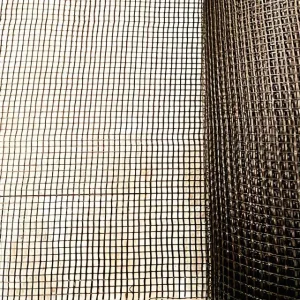
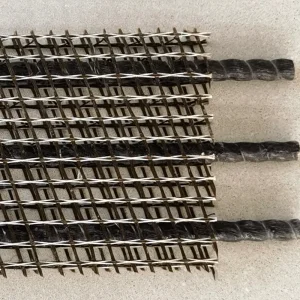
Technical Application Case Study: In northern high-latitude concrete highways and airport runways, chemical de-icing salts (sodium chloride, calcium chloride) penetrate concrete slabs, initiating immediate degradation in steel meshes. Replacing these with our proprietary 3D Basalt Fiber Mesh and Basalt Fiber Rebar has demonstrated a 90% reduction in thermal micro-cracking and eliminated chloride-driven degradation, reducing long-term lifecycle maintenance costs.
As a premier high-tech enterprise, China Beihai's R&D is focused on advancing the performance limits of composite materials. Below is our scientific and industrial development roadmap heading toward the year 2030:
Deploying custom silane coupling agents that establish chemical covalent bonds between the continuous basalt filament surface and hydrophobic thermosetting polymer matrices, improving interfacial shear strength by 22%.
Transitioning from traditional thermoset resins to advanced thermoplastic formulations. This will enable post-production thermal reforming, permitting bent-shapes to be formed directly on the construction site.
Integrating carbon nanotube conductive pathways directly within the core of basalt pultrusions to allow real-time mechanical strain measurement, thermal profiling, and damage detection in smart infrastructure.
We provide comprehensive structural reinforcement systems tailored for challenging structural designs and projects. Our specialized basalt-engineered composites offer comprehensive answers to architectural challenges:
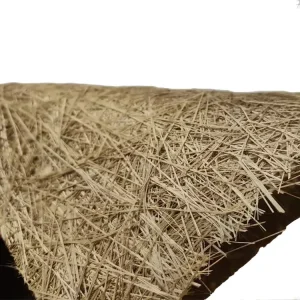
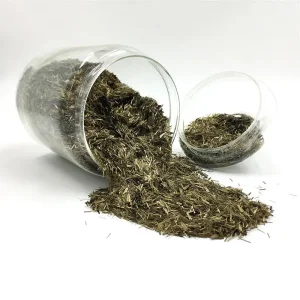
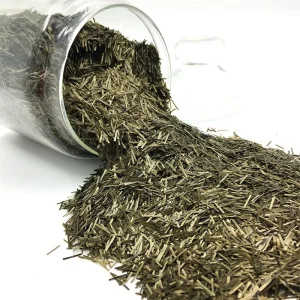
Integrating Basalt Geogrids and Chopped Strands into asphalt layers reduces thermal fatigue cracking, prevents reflective cracking, and extends structural life cycles by 2.5 times under high-frequency truck loads.
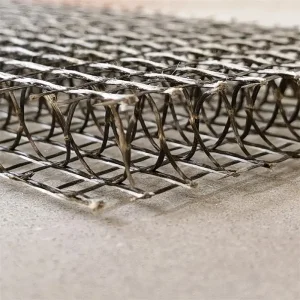
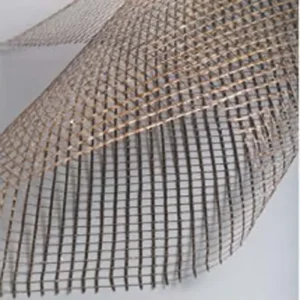
Our lightweight, high-tensile 3D Basalt Fiber Mesh is ideal for exterior plaster reinforcement, historical preservation retrofits, and shear-wall wrapping to enhance load-bearing capacity during seismic activity.
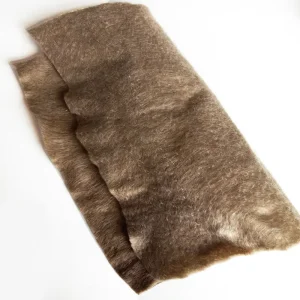
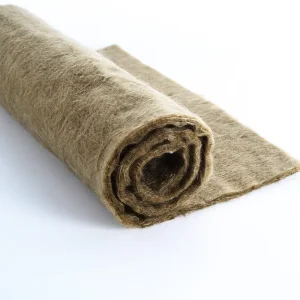
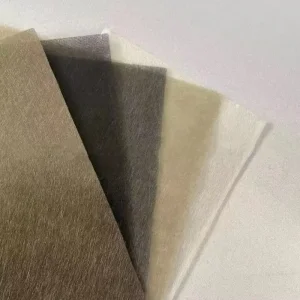
Deploying Basalt Needle Felts and Insulation Sleeves in aerospace components, automobile exhaust shielding, and marine engine compartments to provide fire safety up to 650°C continuous exposure.
Find answers to the most common technical questions concerning structural calculations, compliance codes, and processing parameters for basalt composite systems.
Deploy high-durability reinforcing elements for extreme structural and corrosion-critical parameters. Explore the second segment of our continuous basalt fiber inventory engineered for international commercial demands.
 Beihai Fiberglass