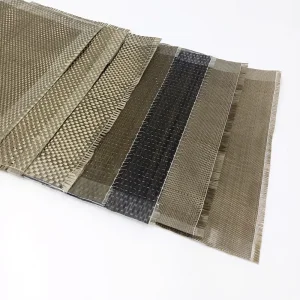
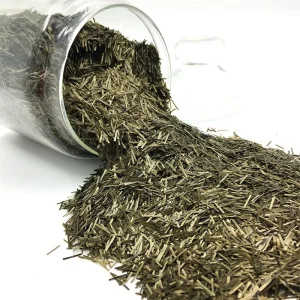
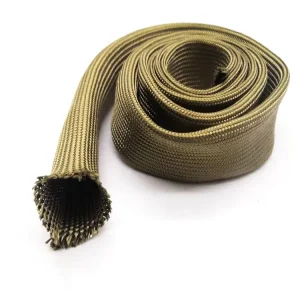
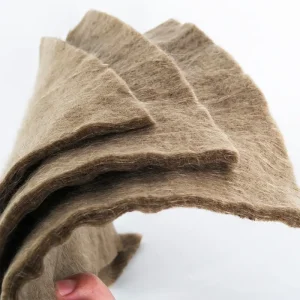
Engineered for extreme environments and structural longevity.
The "Green Material" of the 21st Century: Market Dynamics and Economic Impact
Natural Basalt Fiber (NBF) has transitioned from a niche aerospace material to a cornerstone of modern sustainable engineering. As the world pivots toward ESG (Environmental, Social, and Governance) compliance, basalt fiber stands out as the only high-performance fiber produced through a single-component melt process without chemical additives.
Globally, the market is witnessing a 15.4% CAGR. Europe and North America are leading the adoption in civil infrastructure, while the Asia-Pacific region, spearheaded by China Beihai, is dominating the manufacturing landscape. The primary driver is the urgent need for non-corrosive reinforcement in coastal and marine environments where traditional steel fails.
In terms of commercial viability, Basalt Fiber provides a Strategic Cost Advantage. Unlike carbon fiber, which remains prohibitively expensive for mass construction, basalt offers superior tensile strength and chemical resistance at a fraction of the cost. It is effectively filling the performance gap between E-glass and carbon fiber, providing the "Information Gain" that engineers need to optimize structural weight and lifecycle costs.
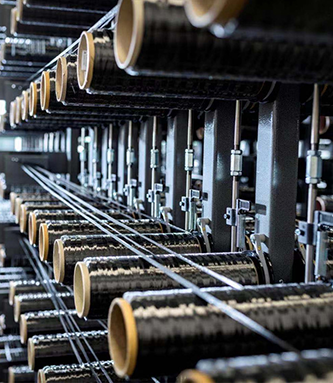
China Beihai is founded in 2015 and located in Jiujiang, Jiangxi Province. China Beihai is a high-tech enterprise focusing on the research, development, production and sales of high-performance basalt continuous fiber and its production equipment manufacturing, as well as a leading enterprise in the domestic basalt fiber industry.
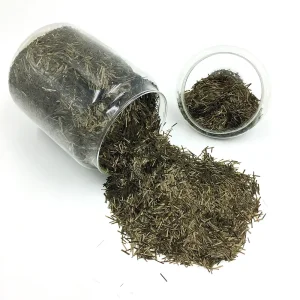
Basalt fiber is ideal for your engineering projects. Its high strength, corrosion resistance and lightweight properties allow it to easily solve a variety of challenges. In buildings, bridges, roads and other infrastructure projects, basalt fibers demonstrate outstanding performance, extending structural life and reducing maintenance costs.
Advanced Manufacturing and Surface Treatment Technologies
Selection of volcanic rocks with specific SiO2 and Al2O3 ratios to ensure optimal viscosity during the drawing process. Our technology ensures a zero-waste manufacturing cycle.
Application of specialized chemical coupling agents to enhance the interfacial bonding strength between basalt fibers and resin matrices in composite applications.
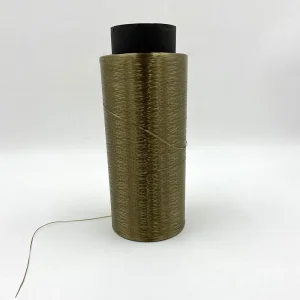
Integration of fiber optics and conductive filaments within basalt rovings for real-time structural health monitoring in "Smart Bridges" and aerospace shells.
Localizing Basalt Applications Across Global Sectors

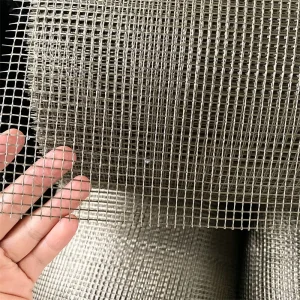
Our basalt products have diverse applications in house construction, replacing steel rebar in high-humidity regions to prevent concrete spalling.

In aerospace, basalt fibers are ideal for manufacturing aircraft wings and engine components due to their superior thermal stability and vibration damping.

Basalt-added concrete offers increased crack resistance, improved chemical resistance (alkali), and better workability in seismic zones.

Facing the trend of lightweight materials, basalt fiber composites are utilized in body panels and brake pads for high-performance vehicles.

Basalt's high strength and protective properties make it ideal for protecting bridge abutments from vehicle collisions, fire, and seawater corrosion.

The corrosion resistance of basalt fiber gives it a unique advantage in pipelines and storage tanks handling aggressive chemical agents.
E-E-A-T Principle: Proven Expertise and Global Compliance
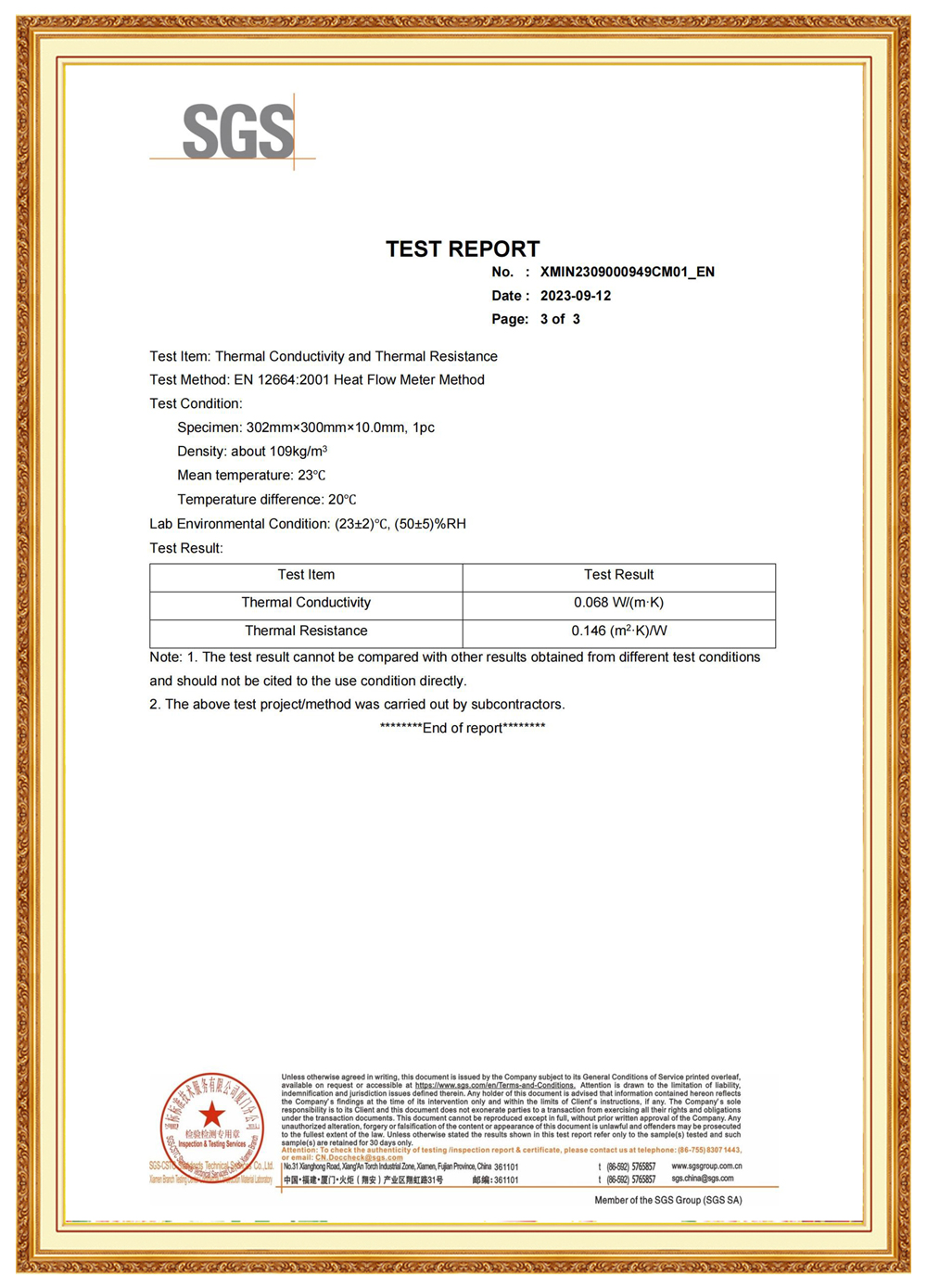
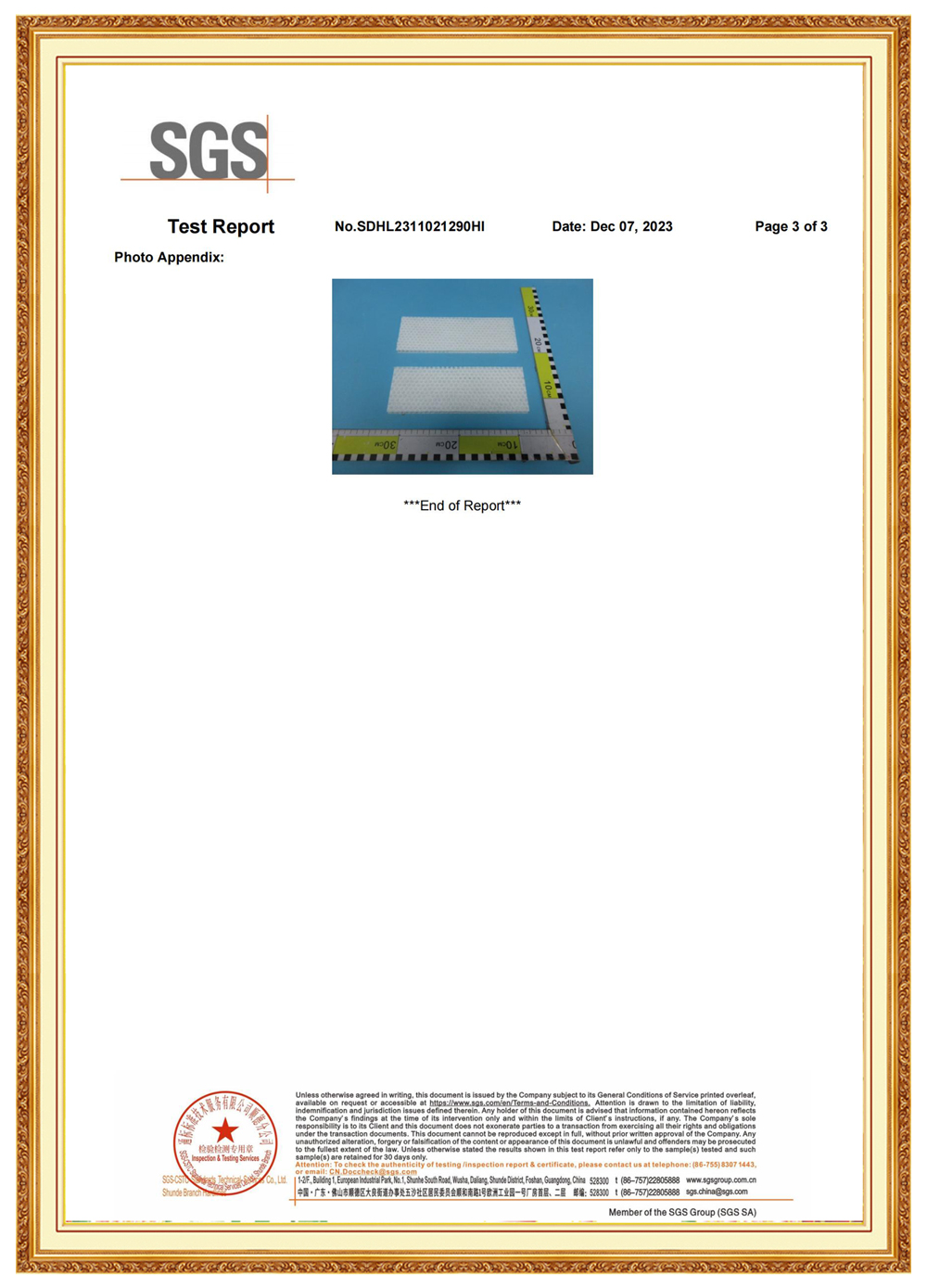
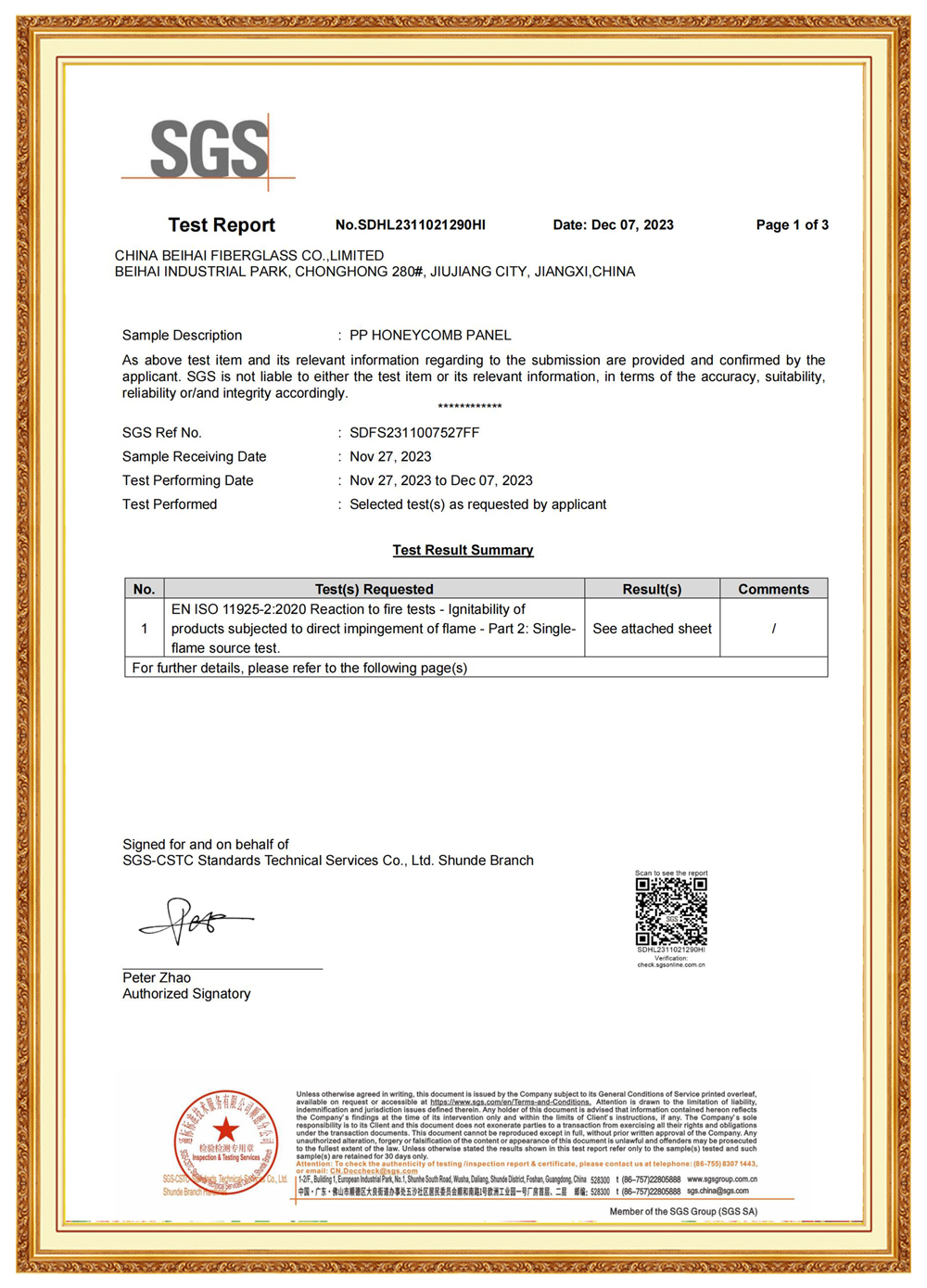
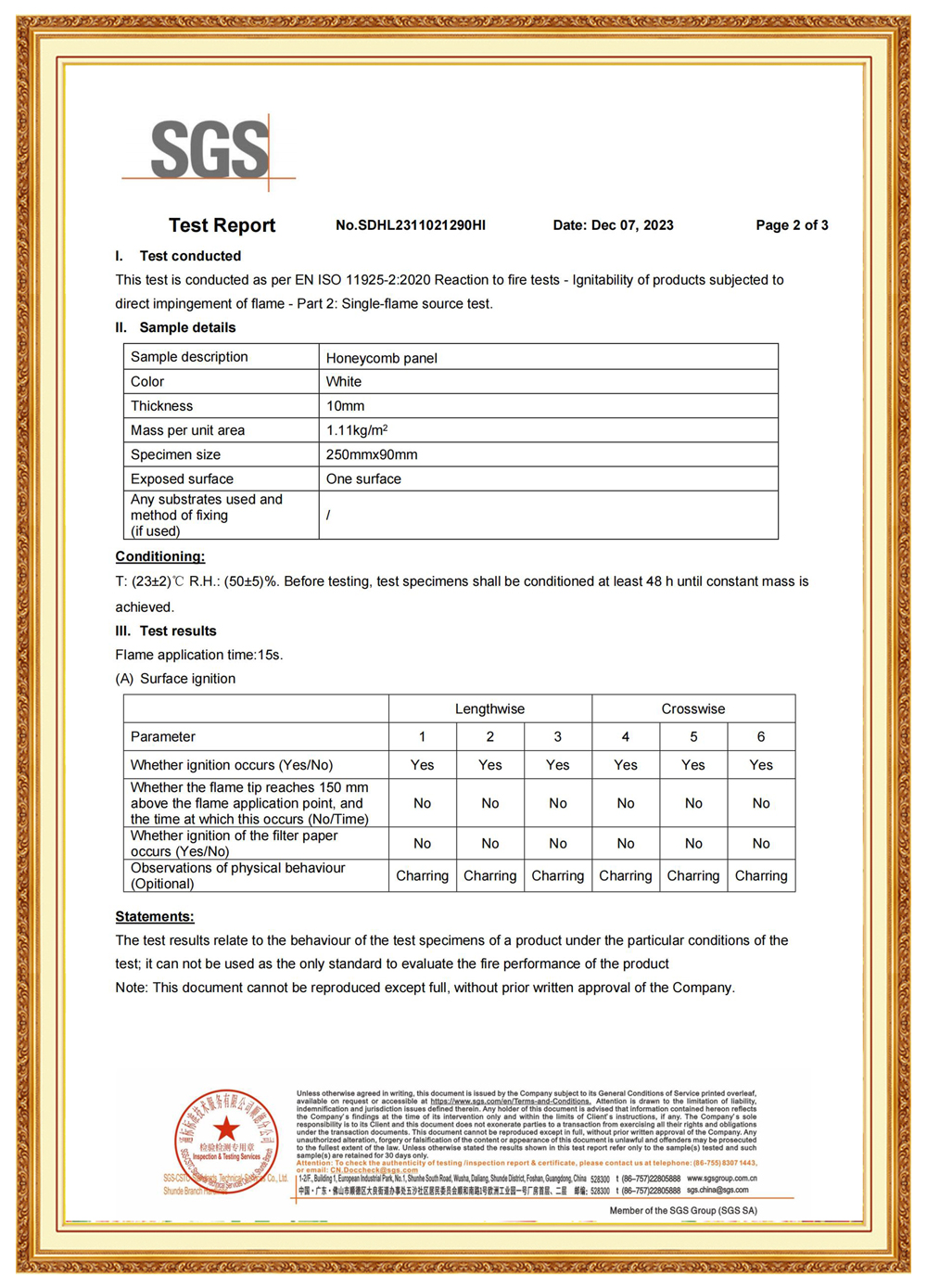
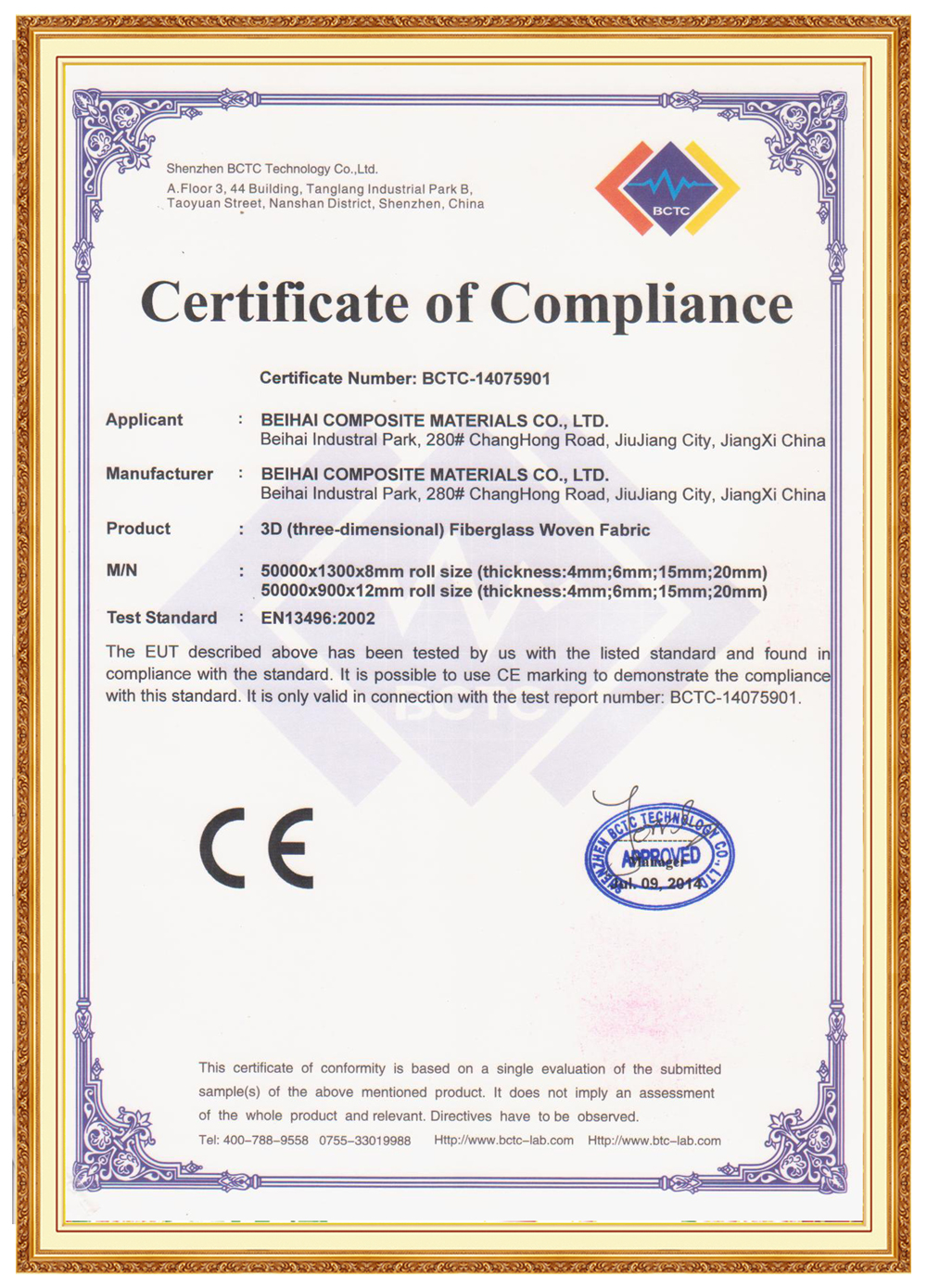

As drones slice through the sky to monitor wildfires, and intelligent robots execute repetitive tasks with precision on the factory floor, the efficient operation of this smart equipment is often underpinned by a "hardcore support"—the lightweight yet ultra-strong basalt fiber composite.
Our recent collaboration cases demonstrate that replacing 30% of industrial components with basalt-based materials reduces energy consumption by 12% without compromising structural integrity. This is the future of Industrial 4.0.
Expert insights into Natural Basalt Fiber Technology
Basalt fiber offers significantly higher chemical resistance, particularly in alkaline environments (pH > 12), and has a higher operating temperature range (-260°C to +700°C) compared to standard glass fiber.
Yes. It is made from 100% natural volcanic rock. The production process involves no hazardous chemicals, emits no toxic gases, and requires less energy than carbon or aramid fiber production.
Absolutely. While engineers must account for the different modulus of elasticity compared to steel, basalt rebar is a direct replacement for corrosion-resistant reinforcement in codes like ACI 440.
Studies indicate that structures reinforced with basalt fiber can exceed a 100-year design life, even in aggressive saltwater environments, effectively eliminating the "rusting" failure mode of steel.
Wholesale availability for global industrial demands
As a leading Wholesale Natural Basalt Fiber Supplier, we are dedicated to providing sustainable, high-tech solutions that define the next generation of industrial efficiency. Our commitment to quality, innovation, and customer satisfaction ensures that when you partner with us, you are choosing a forward-thinking partner for all your basalt fiber needs.
Contact Our Engineering Team Beihai Fiberglass