Engineered specifically to survive Qatar's coastal salinity, extreme desert heat waves, and intense alkaline concrete environments.
As Doha continues its monumental transition into a global hyper-modern logistics hub and sustainable metropolis under the Qatar National Vision 2030, the structural integrity of its architecture faces unprecedented engineering hurdles. Unlike standard temperate climates, civil engineers in the Doha metropolitan area and surrounding economic zones must design structures capable of withstanding severe conditions. The combination of intense ambient summer heat reaching up to 50°C (122°F), high UV indexes, and saline water tables creates an aggressive chemical attack on standard steel-reinforced concrete. High-saline soil conditions along the Persian Gulf coastline, combined with elevated sulfate concentrations, lead to rapid chloride-induced corrosion in traditional steel rebars, resulting in catastrophic spalling and high maintenance overheads.
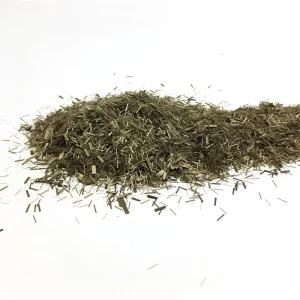
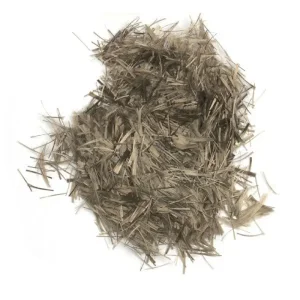
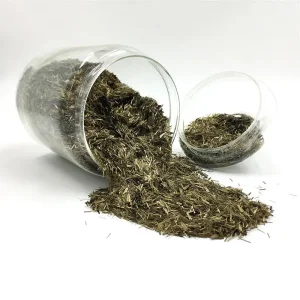
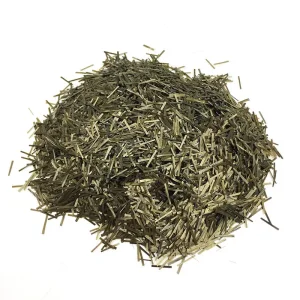
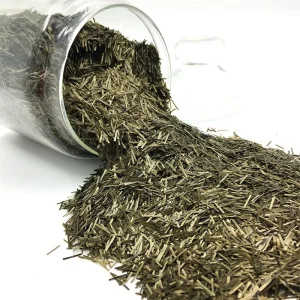
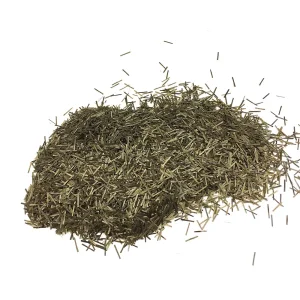
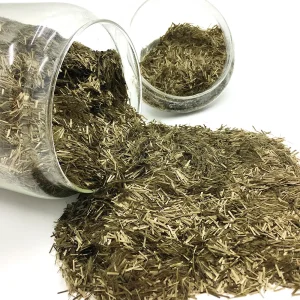
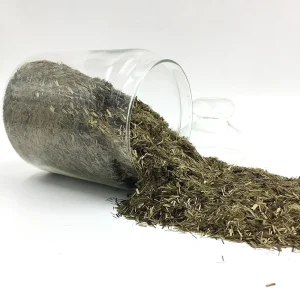
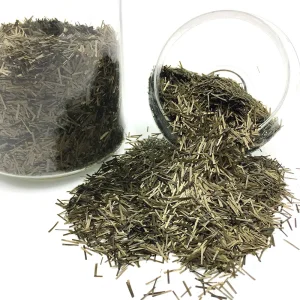
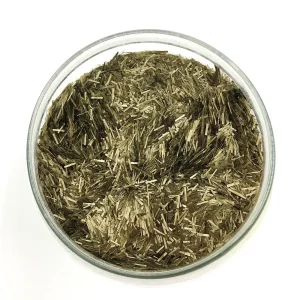
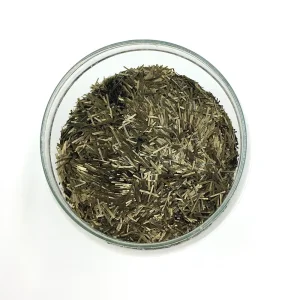
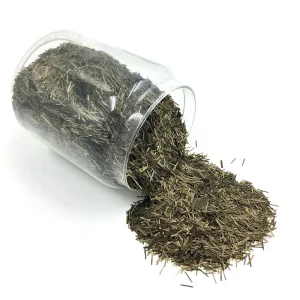
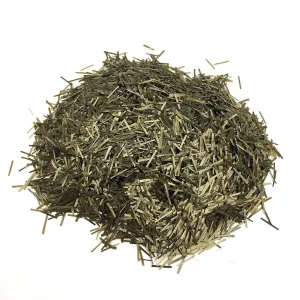
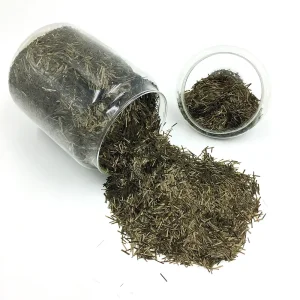
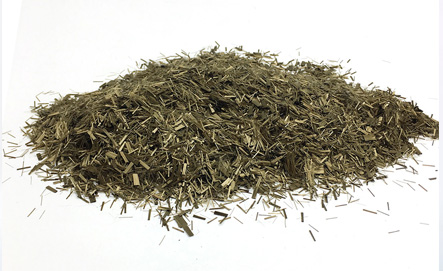
To address these structural deterioration mechanisms, engineering firms and developers are shifting from legacy reinforcement materials to advanced geological alternatives. Basalt Fiber Chopped Strands, processed from pure volcanic basalt rocks, present an ideal solution. Known for their natural resistance to acidic environments, aggressive chemical reactions, and high alkali substances, these chopped strands serve as superior micro-reinforcements in concrete, asphalt, and specialized industrial composites. Integrating basalt fiber into cementitious systems mitigates shrinkage cracking and prevents crack propagation under extreme desert thermal stress, while also providing complete immunity to galvanic corrosion.
"The integration of mineral-derived basalt fiber chopped strands in Doha's civil works is not just an aesthetic or material preference; it is a critical strategy to enhance infrastructure lifespans beyond 100 years. Traditional carbon steels corrode, whereas volcanic basalt fibers remain structurally unchanged in high-pH cement environments." - Senior Infrastructure Consultant, Lusail Smart City Project.
This technical comparison outlines why basalt fibers outperform traditional glass fibers, carbon fibers, and standard steel reinforcing agents when exposed to coastal desert conditions.
| Performance Property | Steel Reinforcement | E-Glass Fiber | Carbon Fiber | Basalt Fiber (China Beihai) |
|---|---|---|---|---|
| Density (g/cm³) | 7.85 | 2.54 | 1.75 - 1.80 | 2.63 - 2.80 (Optimal light-weight ratio) |
| Tensile Strength (MPa) | 450 - 550 | 2000 - 2400 | 3500 - 4800 | 3000 - 4500 (Extremely high structural integrity) |
| Alkali Resistance | N/A | Very Low (Degrades in concrete) | Excellent | Extremely High (Chemically stable at pH > 12) |
| Thermal Stability Range | Up to 400°C | Up to 600°C | Up to 1000°C (Non-oxidizing) | -260°C to +700°C (Sustains desert surface shifts) |
| Corrosion in Saline Water | High Susceptibility | Moderate Degradation | Immune | 100% Acid, Alkali, and Rust Proof |
| Relative Cost-Benefit Ratio | High maintenance costs | Low cost, low longevity | High cost, specialized application | Highly cost-effective long-term solution |
When basalt fiber chopped strands are distributed evenly throughout a cement paste or concrete matrix, they form a complex three-dimensional reinforcement network. This structural web intercepts micro-cracks during the initial plastic shrinkage phase of concrete curing, which is critical in Doha's dry, windy, and high-evaporation desert environment. As concrete tries to contract, the high tensile strength and high elastic modulus of basalt fibers (ranging from 85 to 90 GPa) prevent these micro-cracks from developing into major structural fractures.
Furthermore, basalt fiber is naturally hydrophilic, which enhances its bond strength with the hydration products in cement. The high mechanical interlocking capability, combined with custom sizing agents applied at our state-of-the-art Chinese factories, ensures that the fibers do not clump or separate during mixing. This results in isotropic mechanical performance throughout the concrete structure.
China Beihai was founded in 2015 and is located in Jiujiang, Jiangxi Province. We are a high-tech enterprise focusing on the research, development, production, and sale of high-performance basalt continuous fiber and its specialized production equipment. Our advanced technology and commitment to quality have made us a leading enterprise in the domestic basalt fiber industry.
We specialize in offering sustainable alternatives to traditional reinforcement materials. Our state-of-the-art production facility ensures that every batch of basalt fiber chopped strands meets stringent global standards, providing reliable support for challenging civil and industrial engineering works worldwide.
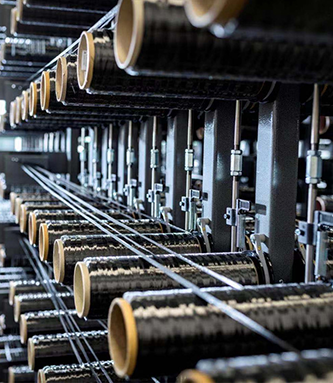

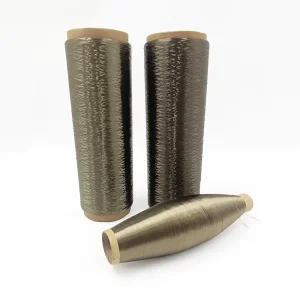
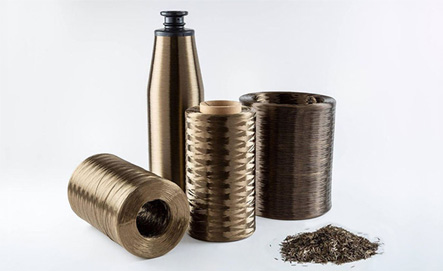
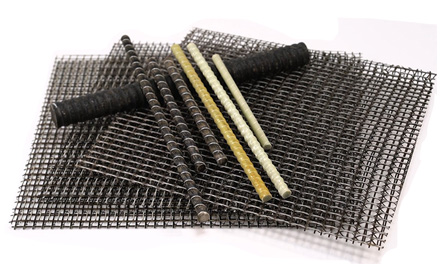
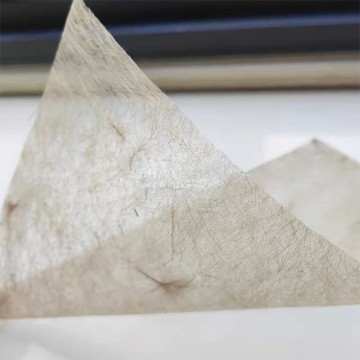
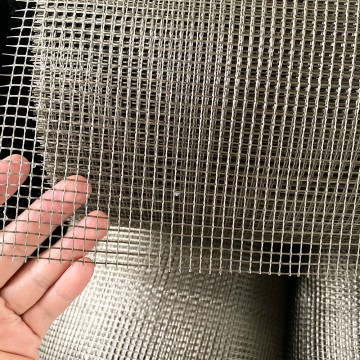
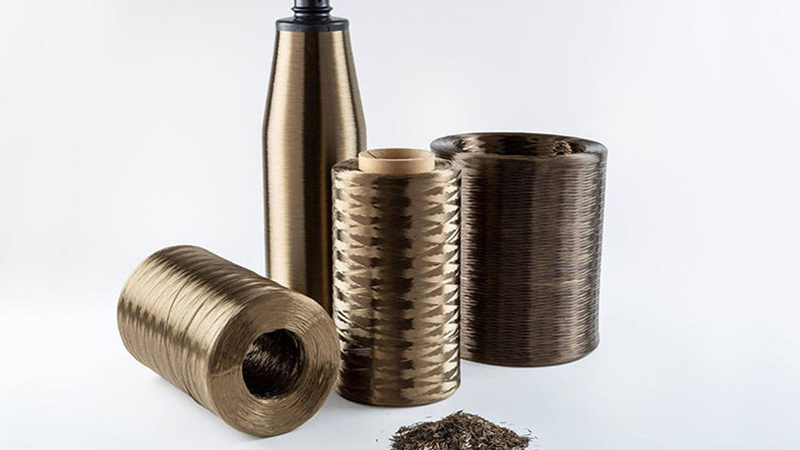
We specialize in the production of a wide range of basalt fiber products, including basalt fiber mat (Basalt fiber chopped strand mat, basalt fiber cloth), basalt fiber roving, basalt fiber yarn, basalt fiber chopped strands, and structural components (basalt fiber rebar, basalt fiber sleeves, and tape). Our products are designed to meet the diverse needs of various industries, providing high-quality solutions for our customers.

We are dedicated to the production of a wide array of basalt-based products, ranging from standard mats, fabrics, and rovings to chopped strands and specialized construction materials. Our focus is on delivering high-quality, sustainable solutions for industries such as construction, geotechnical engineering, and manufacturing. We strive to cater to unique requirements by offering a comprehensive selection of basalt-derived products.

Choosing to work with China Beihai means partnering with a leading manufacturer of basalt products. Our commitment to quality, innovation, and sustainability sets us apart, ensuring our customers receive best-in-class solutions. Backed by our technical expertise and efficient logistics networks, you can trust us to be a reliable and forward-thinking supplier for all your basalt product needs.
Our continuous basalt fiber derivatives find applications in high-stress sectors ranging from aerospace engineering to heavy marine construction.

Our basalt products have diverse applications in the field of house construction, offering reinforced concrete stability under hot climates.

In the aerospace field, basalt fibers are ideal for manufacturing aircraft wings and engine components due to high heat tolerance.

Ideal for manufacturing spacecraft shell materials, thermal protection systems, and high-temperature-resistant components of aircraft engines.

Basalt-added concrete offers increased strength, durability, crack resistance, chemical resistance, and improved workability.

Supporting lightweight automobile initiatives through advanced basalt fiber composite engineering for vehicle bodies and brakes.

Protects bridge abutments from vehicle collisions, fire, marine salt corrosion, and challenging coastal environments.

The corrosion resistance of basalt fiber gives it a unique advantage in protecting pipelines and vessels in the petrochemical field.

Excellent for composite marine hulls, dock piles, and coastal defense structures requiring anti-biofouling and zero-corrosion properties.
Procuring materials for mega-projects in Qatar requires strict adherence to project timelines and quality certifications. At China Beihai, we have optimized our entire logistical chain from Jiujiang, Jiangxi, to the **Hamad Port in Doha**.
Our chopped strands are packaged in moisture-proof, heavy-duty industrial bags to prevent environmental contamination during sea transit. We provide comprehensive documentation for customs clearance, including certificates of origin, physical test reports, and chemical compatibility assurances.
Optimized Sizing Customization: We offer customized chemical sizing agents (silane/epoxy/polyurethane-compatible) that allow seamless blending with regional Qatari aggregate formulations and concrete additives.
As green building regulations expand under the GORD (Gulf Organisation for Research & Development) and GSAS (Global Sustainability Assessment System) frameworks in Qatar, materials must feature low embodied carbon.
Basalt fiber is manufactured through a single-component melting process of natural basalt rock, without generating chemical waste or gas emissions. Our technology roadmap focuses on reducing energy consumption during the melting phase and developing bio-degradable sizing agents to create a completely circular product life cycle.
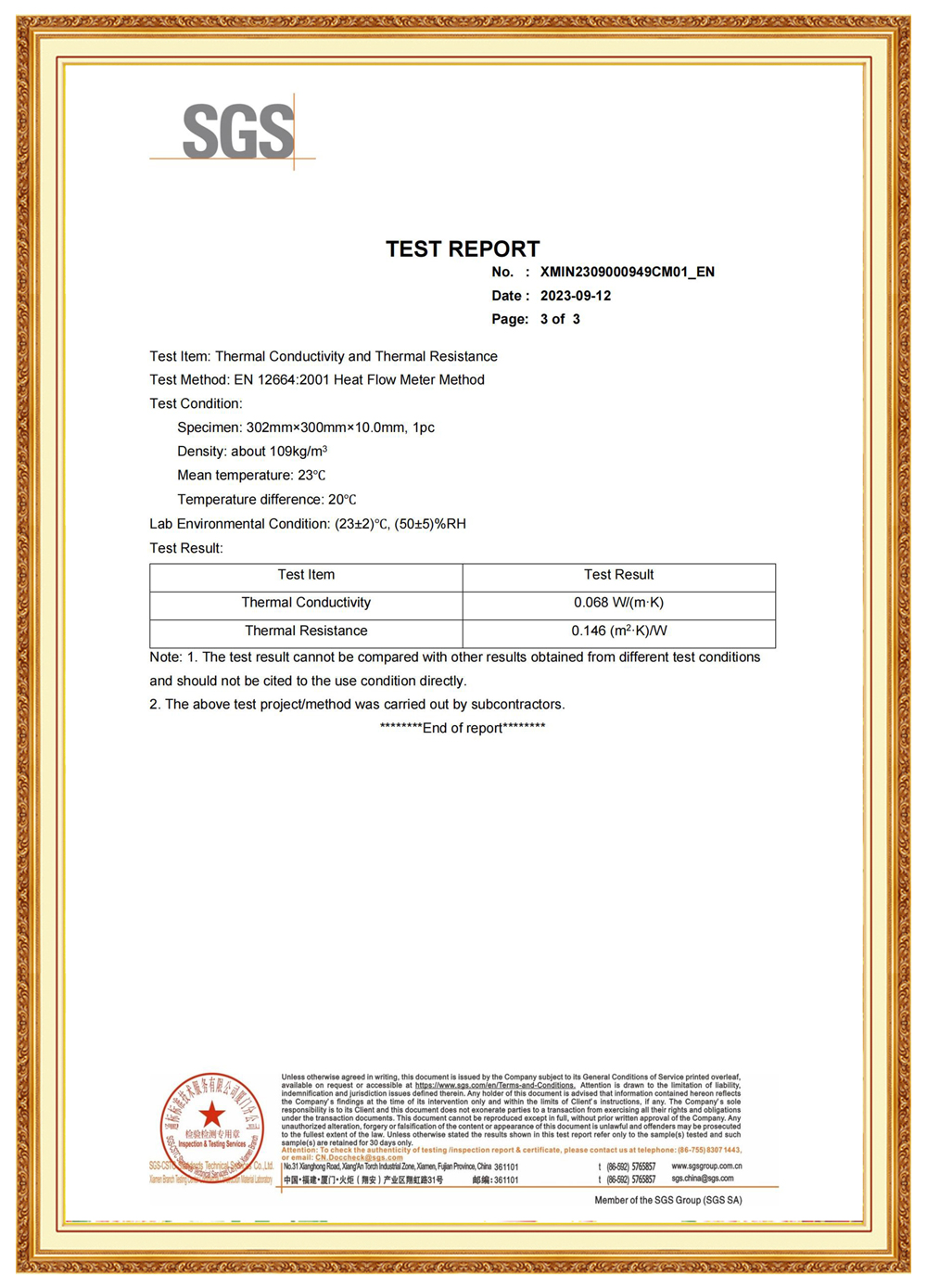
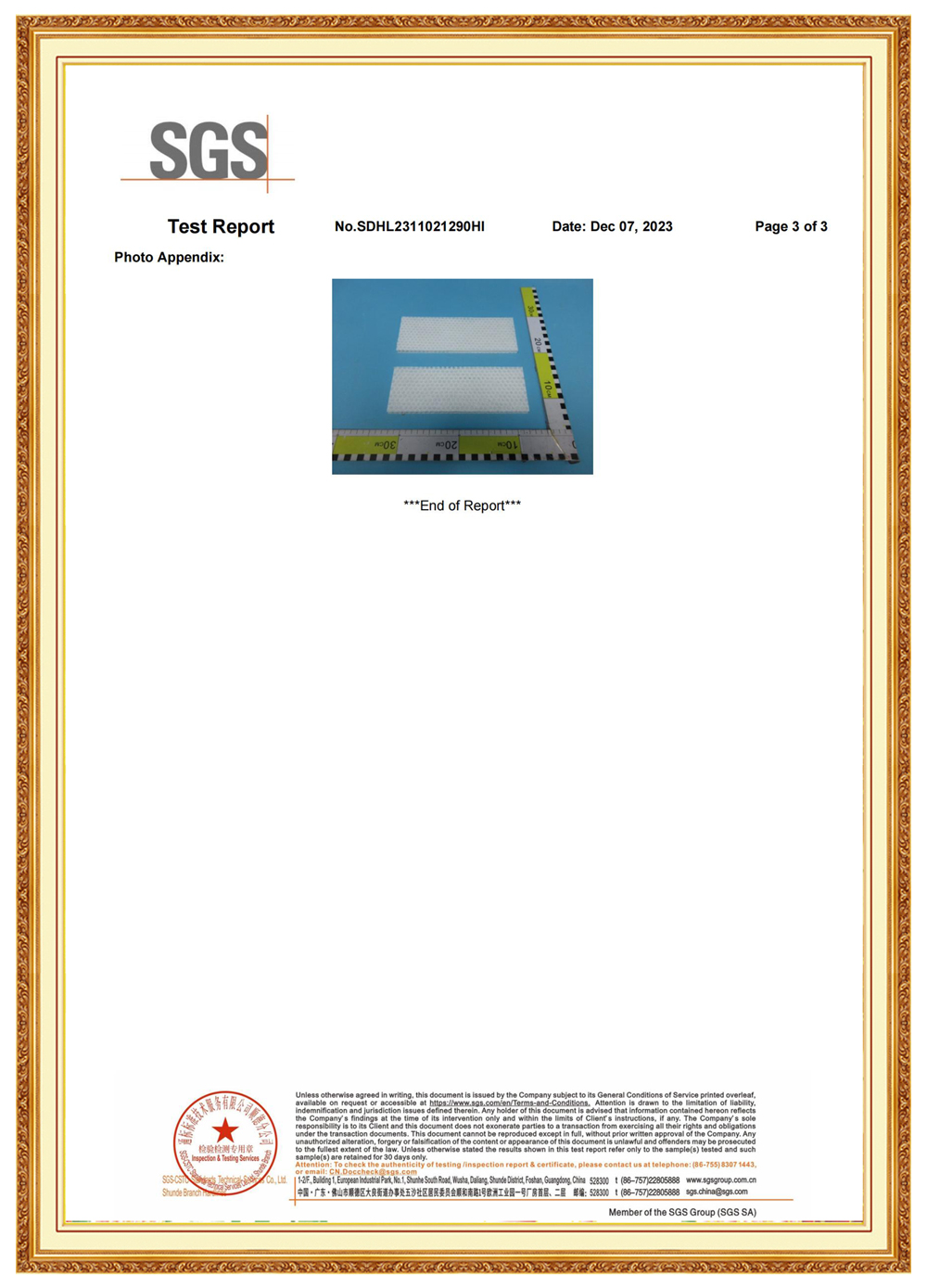
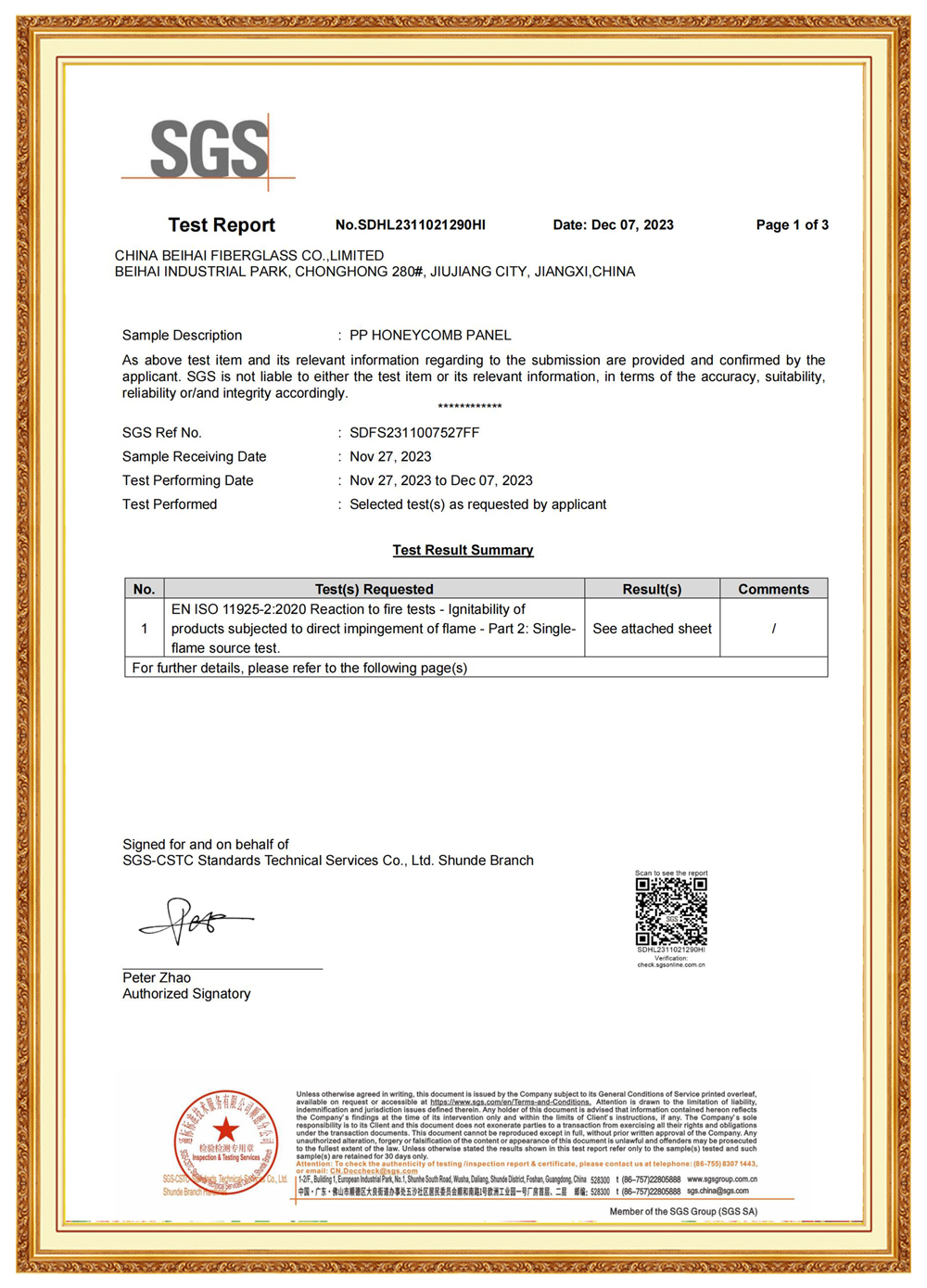
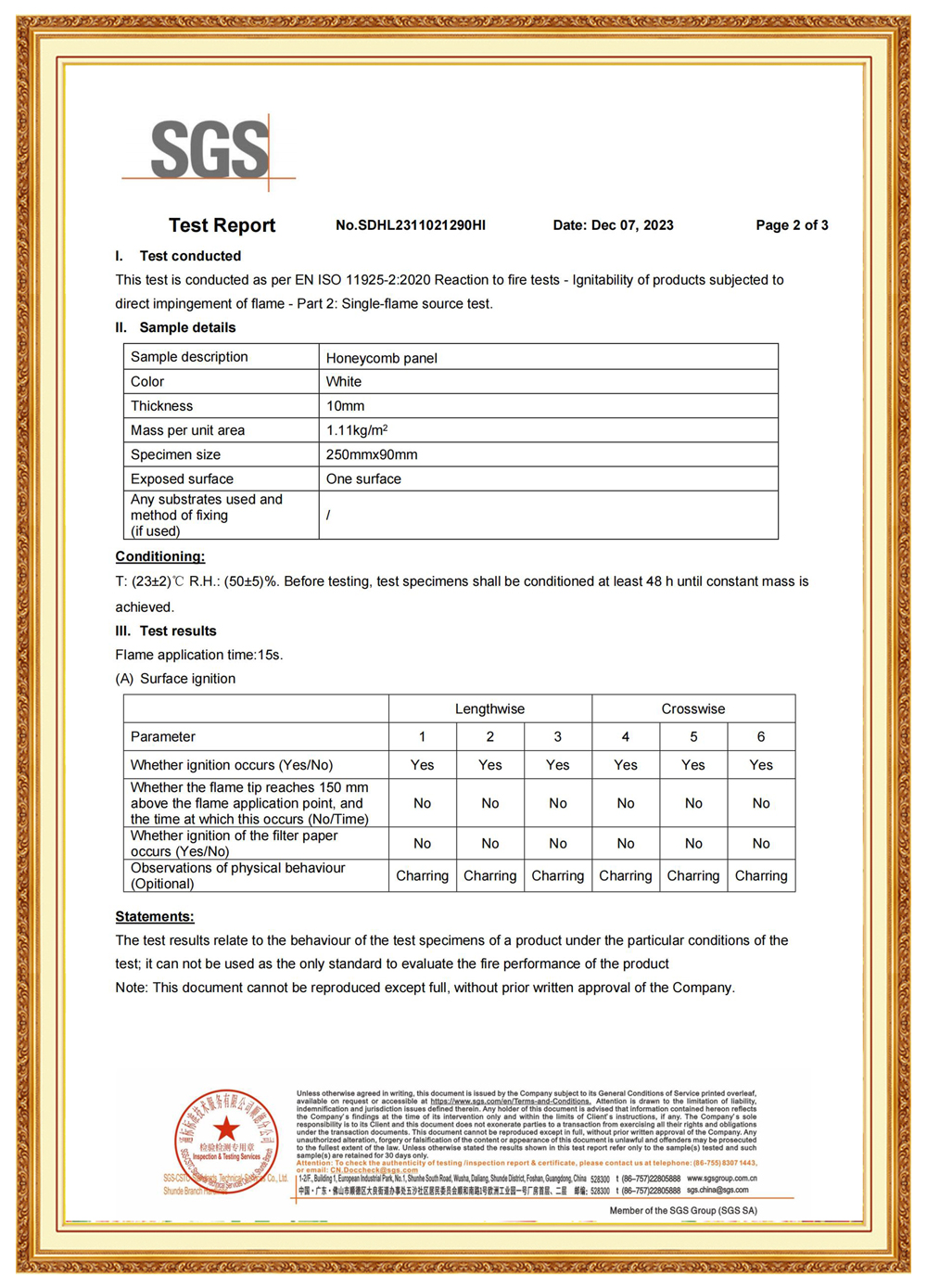
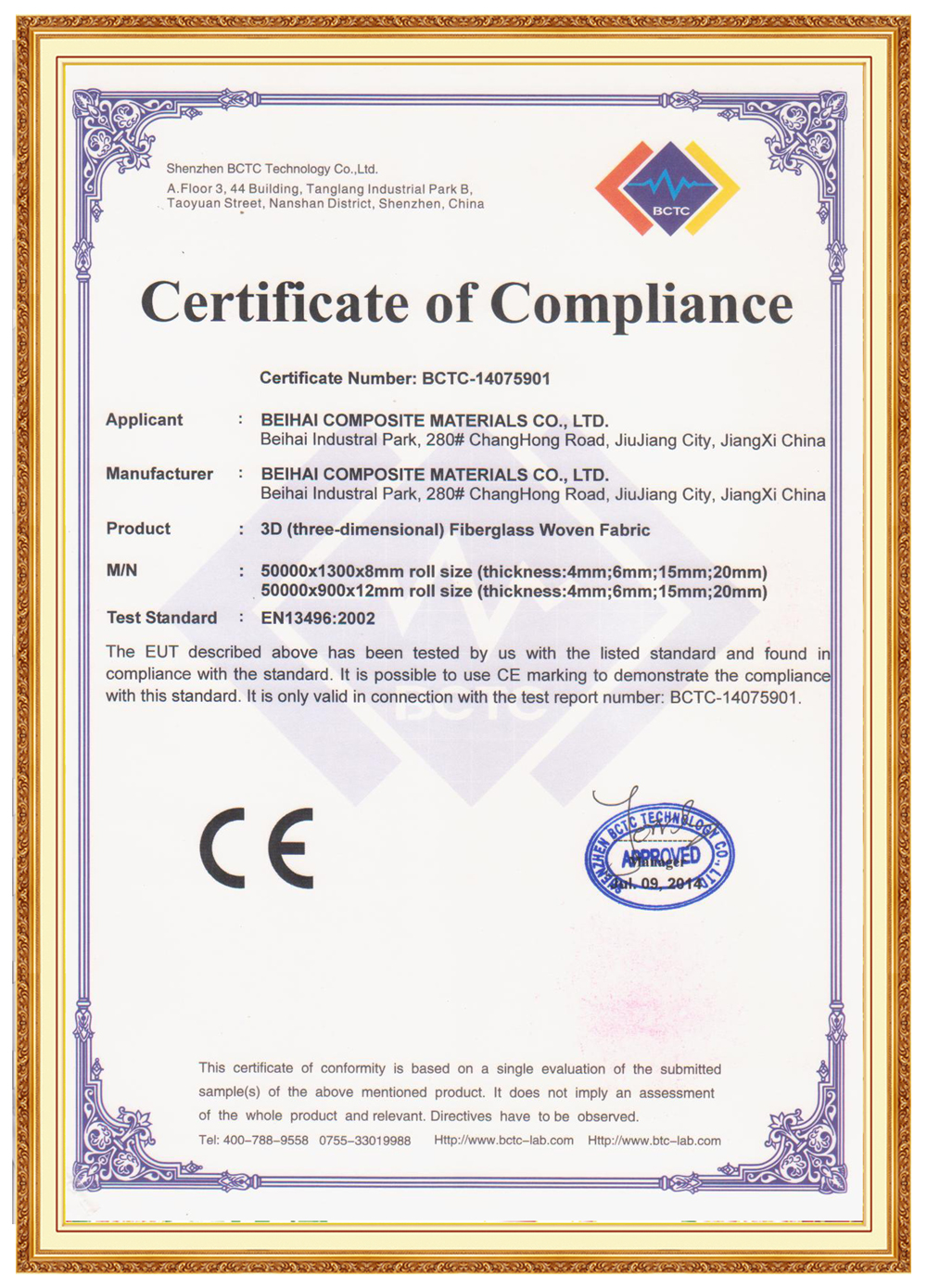
Providing clear technical answers for civil engineers, procurement managers, and consultants working on Qatari municipal projects.
A complete selection of advanced basalt reinforcements, including rovings, yarns, rebars, and chopped strands, manufactured to meet global engineering standards.
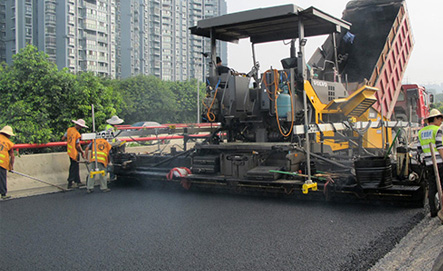
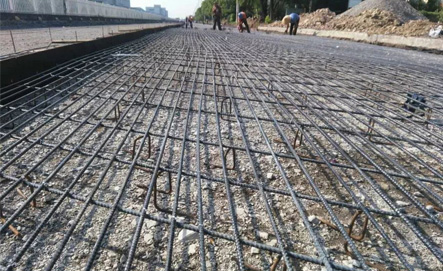
Basalt fiber is ideal for your engineering projects. Its high strength, corrosion resistance, and lightweight properties allow it to easily solve a variety of challenges. In buildings, bridges, roads, and other infrastructure projects, basalt fibers demonstrate outstanding performance, extending structural life and reducing maintenance costs. Choose basalt fiber, choose reliability and durability.
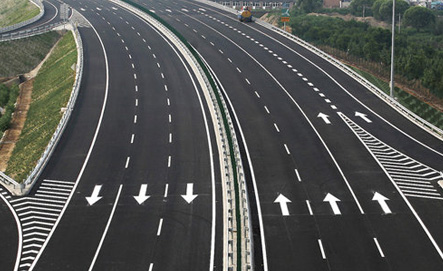
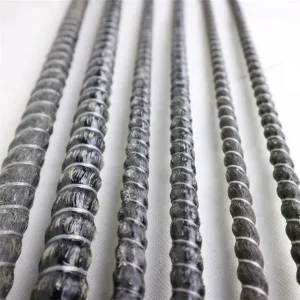
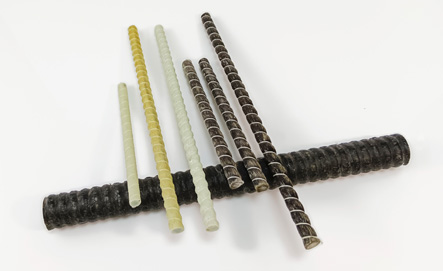
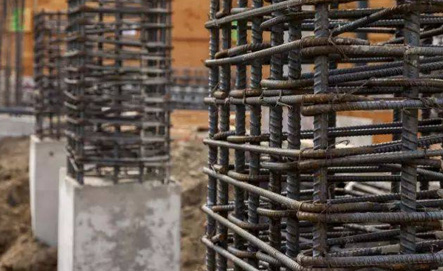
Basalt Fiber Rebar for Reinforcement in Concrete Construction: Basalt fiber rebar is a high-strength alternative to traditional steel bars and is used in a wide range of applications for reinforcing concrete structures. Its excellent performance makes it ideal for a variety of construction applications such as bridges, highways, buildings, and other infrastructure projects.
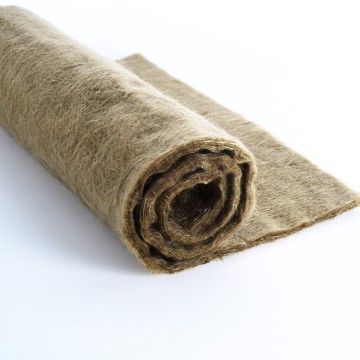
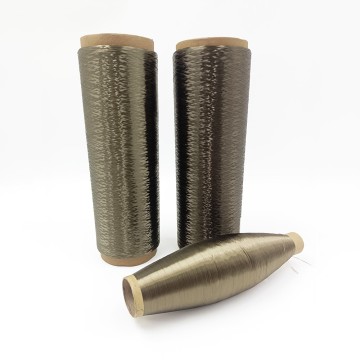

As drones slice through the sky to monitor wildfires, and intelligent robots execute repetitive tasks with precision on the factory floor, the efficient operation of this smart equipment is often underpinned by advanced composite structures. Basalt fiber is quickly emerging as the "hardcore support" for modern engineering, filling the niche between cost-effective glass fibers and ultra-high-performance carbon fibers.
 Technical Research Board, China Beihai Group
 Beihai Fiberglass