Featured North Korea Project Reinforcement Solutions
 North Korea Industry White Paper: Basalt Fiber Integration
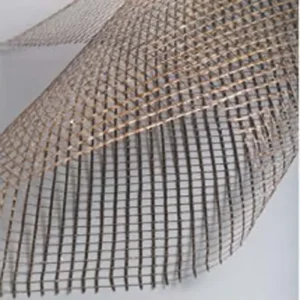
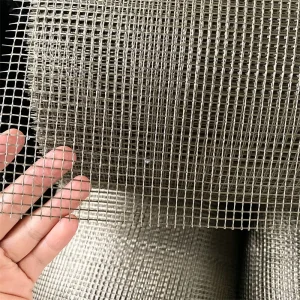
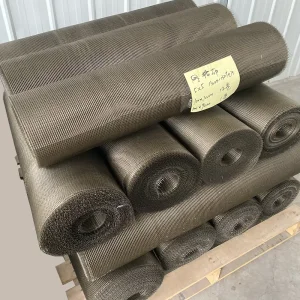
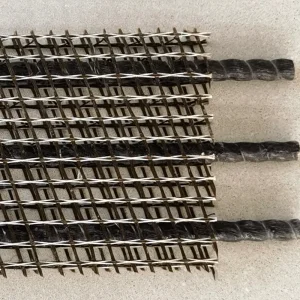
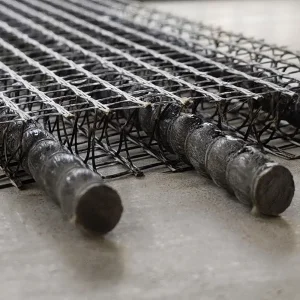
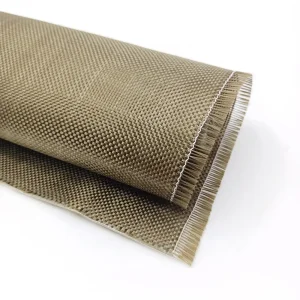
North Korea’s construction sector is currently undergoing a strategic shift toward sustainable and high-durability materials. With major infrastructure projects in the Pyongyang New Town development and industrial modernization in the Kaesong and Rason areas, the demand for non-corrosive reinforcement materials is at an all-time high. Basalt Fiber Mesh (BFM) offers a revolutionary alternative to traditional steel mesh, particularly in the harsh, humid coastal environments of the Korean Peninsula.
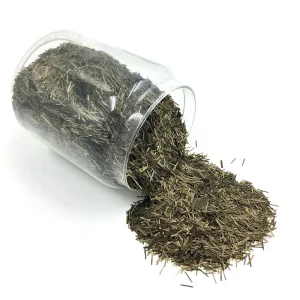
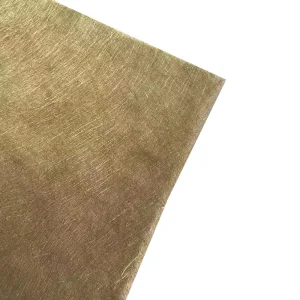
Unlike carbon fiber or glass fiber, basalt fiber is derived from 100% natural volcanic rock. This aligns with localized resource optimization strategies while providing technical specs that exceed international ISO 9001 standards. For North Korean procurement officers, basalt fiber represents "The Green Industrial Revolution," offering a lifespan of over 100 years without oxidation.
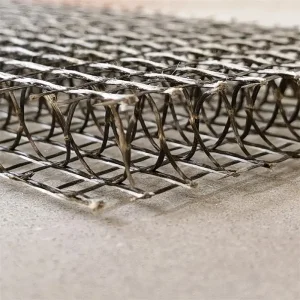
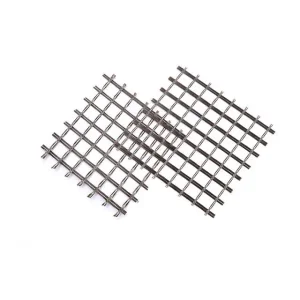
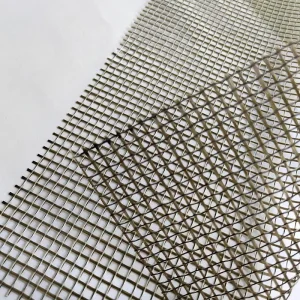
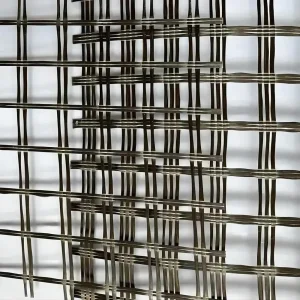
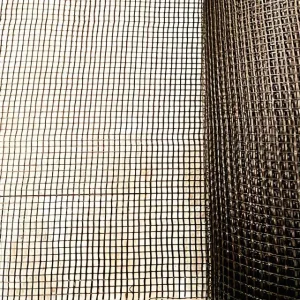
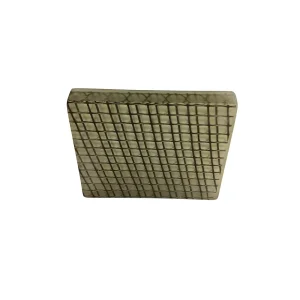
China Beihai, located in the industrial heart of Jiangxi, serves as the primary global hub for high-performance basalt continuous fiber. Our proximity to the Dandong-Sinuiju trade artery ensures that North Korean industrial clients receive Tier-1 factory prices with optimized logistics. We specialize in bulk production of 3D meshes and geogrids specifically engineered for cold-weather concrete pouring and high-alkali cement environments common in Northeast Asia.
By leveraging our automated production lines, we provide a pricelist that remains competitive despite global material fluctuations, offering localized support through specialized technical documentation and onsite installation guides.
Higher Tensile Strength than E-Glass
Rust and Corrosion Proof
Extreme Low Temp Tolerance
Density per Sqm (Ultra Lightweight)
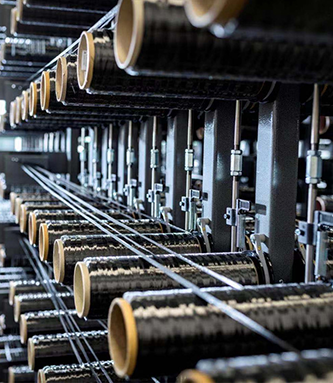
Founded in 2015, China Beihai is a high-tech enterprise focusing on the R&D and production of high-performance basalt continuous fiber. As a leader in the domestic basalt fiber industry, we maintain a dedicated supply chain for the North Korea market, ensuring compliance with local construction codes and specialized industrial requirements.
 Sustainable Materials: 100% natural volcanic basalt.
Global Reach: Exporting to over 40 countries.
Custom Engineering: Meshes tailored for North Korean bridges and tunnels.
Sustainable Materials: 100% natural volcanic basalt.
Global Reach: Exporting to over 40 countries.
Custom Engineering: Meshes tailored for North Korean bridges and tunnels.
 Localized Application Scenarios in DPRK
Basalt mesh's high strength and durability make it ideal for protecting bridge abutment structures from vehicle collisions and ice-flow erosion in the Yalu River basin.
Applied in the mountainous road networks between Pyongyang and Wonsan, providing fireproof and acid-resistant support where steel would fail due to moisture.
Perfect for sea walls in Nampo and Hamhung. Basalt fiber is naturally resistant to salt-water corrosion, eliminating the "concrete cancer" seen in coastal steel-reinforced structures.
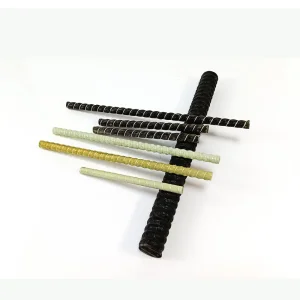
Concrete is naturally an alkaline environment (pH 12-13). Standard glass fiber (E-Glass) degrades rapidly in these conditions. Our basalt fiber mesh is treated with a specialized zirconium-rich sizing that makes it 100% alkali-resistant. For North Korean engineers working on heavy-duty dam projects or industrial foundations, this ensures that the reinforcement doesn't dissolve over decades of service.
One of the biggest failures in composite reinforcement is the mismatch of thermal expansion coefficients between the fiber and the concrete. Basalt fiber has a coefficient very close to concrete, meaning as the structures expand and contract during North Korea's intense seasonal temperature shifts (from -30°C to +30°C), the internal stresses remain minimal, preventing micro-cracking.
"Working with China Beihai means accessing a wealth of technical data derived from thousands of successful reinforcement projects across the Silk Road Economic Belt."
 Frequently Asked Questions (FAQ)
Standard production for customized 3D basalt fiber mesh takes 7-14 days. Logistics to the border regions typically add 3-5 days viaJiangxi-Liaoning rail/truck routes.
Yes, all China Beihai basalt products are manufactured under ISO 9001 and meet ASTM D7913 standards for bond strength and ACI 440 guidelines for FRP reinforcement.
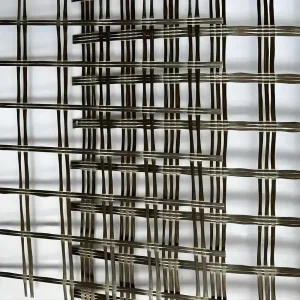
Absolutely. We provide specialized high-temperature basalt geogrids with a melting point above 1100°C, making them ideal for high-temperature asphalt laying in North Korean highway projects to prevent rutting.
While the upfront material cost per kg might be higher, the "installed cost" is often lower. Basalt is 1/4 the weight of steel, reducing logistics and labor costs by 30%. Furthermore, the zero-maintenance lifespan offers massive long-term ROI.
 Comprehensive Product Catalog for North Korea
Download our latest technical white paper and get a customized quote for your specific project needs.
Send Inquiry Now Beihai Fiberglass