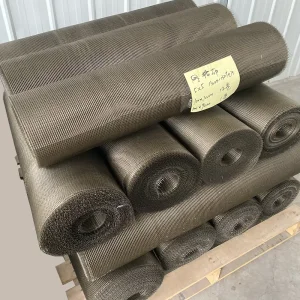
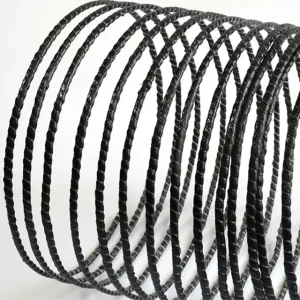
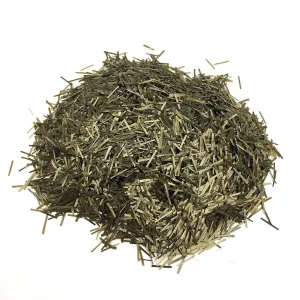
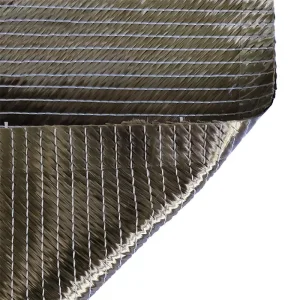
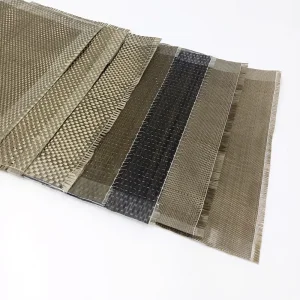
Panama's unique geographical position as a global logistics hub—home to the Panama Canal and a sprawling coastline—presents significant engineering challenges. The combination of high humidity, extreme salinity, and high UV exposure accelerates the corrosion of traditional steel reinforcement in concrete structures.
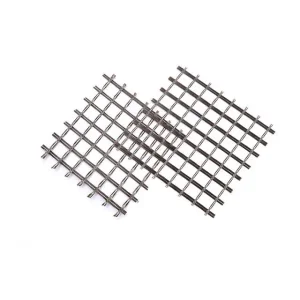
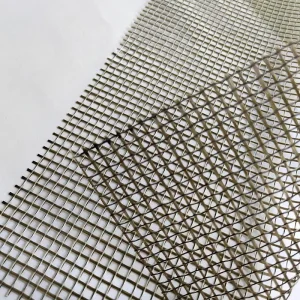
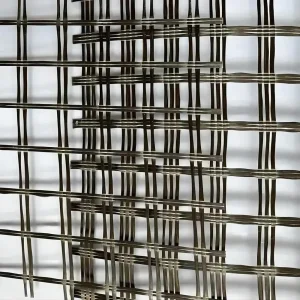
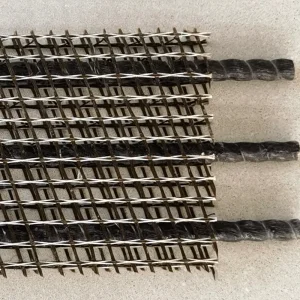
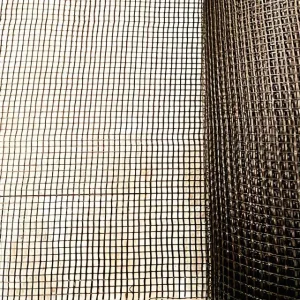
Information Gain: Unlike E-glass or steel, Basalt Fiber Mesh is 100% rust-proof and highly resistant to the alkaline environment of concrete. For projects in Colón or Panama City, basalt provides a 100-year lifecycle with zero maintenance, a critical ROI factor for local government and private developers.
Our basalt solutions are specifically tested for alkali resistance and tensile strength, meeting the stringent international standards required for Central American infrastructure.
Tensile Strength vs. E-Glass
Corrosion Rate in Saltwater
Thermal Stability Threshold
Lighter than Steel Rebar
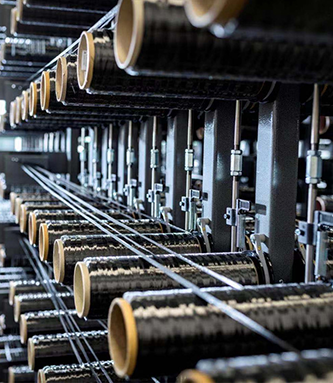
Founded in 2015, China Beihai has emerged as a high-tech leader in the basalt continuous fiber industry. For Panama-based distributors and contractors, working directly with a China-based manufacturer offers several advantages:
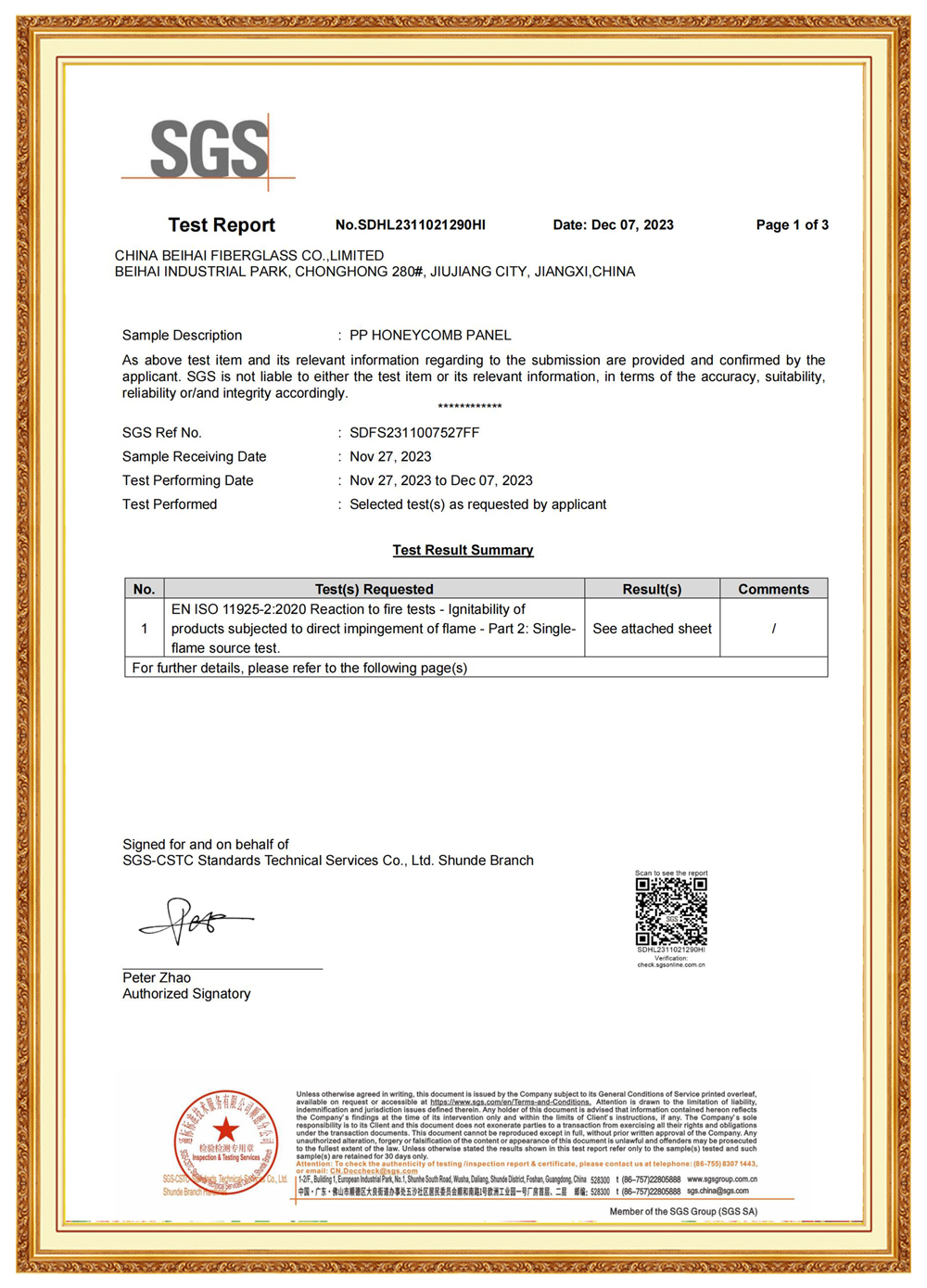
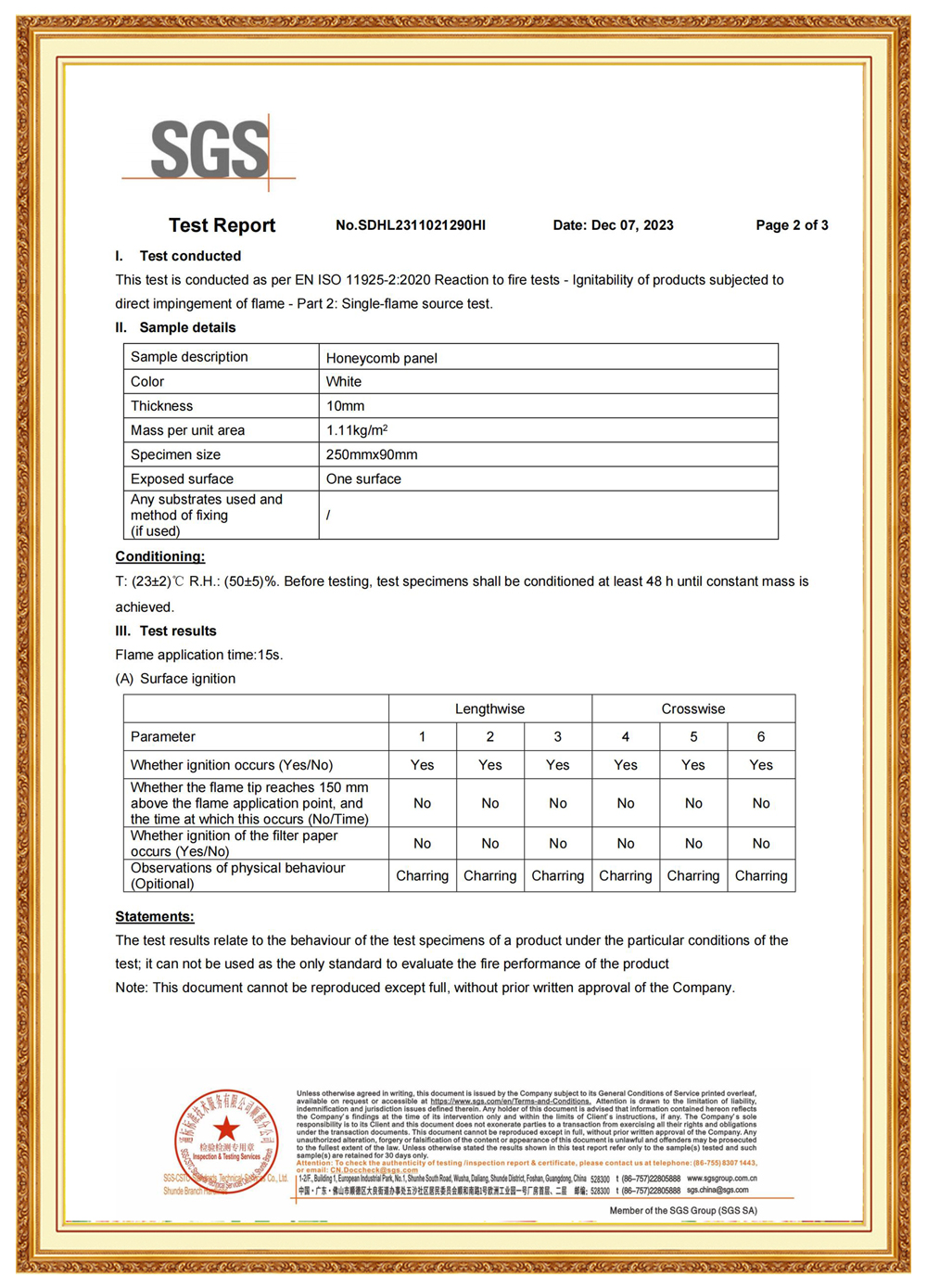
We provide full compliance documentation (ASTM, ISO) ensuring your project meets Panama’s building codes (REP-2014).
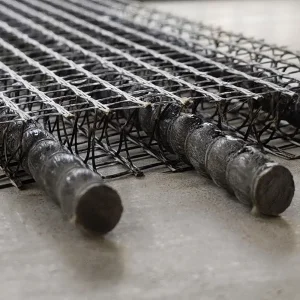
Request Factory Audit ReportReinforcing sea walls, pier caps, and dock flooring where saltwater corrosion destroys steel.
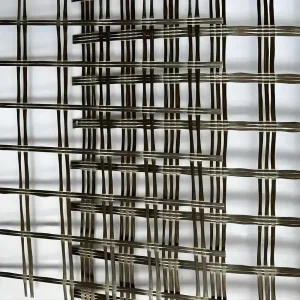
Using Basalt Geogrid to prevent asphalt cracking and rutting in high-temperature tropical environments.
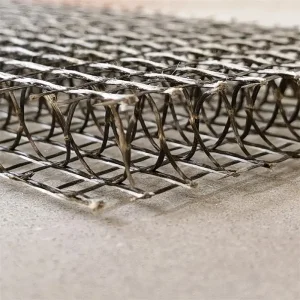
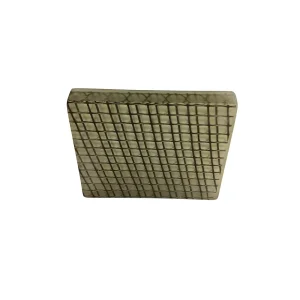
Lightweight 3D mesh for facade plastering and interior insulation in high-rise residential towers.
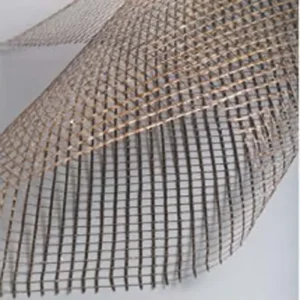
Chemical-resistant basalt mesh for tanks and filtration systems in the Panama Canal watershed.
As the construction industry pivots toward "Green Building" standards, Basalt Fiber stands out as the most ecologically friendly reinforcement material. Extracted from volcanic rock through a single-stage melting process with no chemical additives, it has a significantly lower carbon footprint than steel or synthetic fibers.
Technical Superiority: Basalt fiber possesses a thermal expansion coefficient similar to concrete, which minimizes internal stresses during the drastic temperature swings common in Panama’s dry and rainy seasons. This thermal compatibility prevents the micro-cracking often seen with fiberglass or carbon fiber substitutes.
For Global Procurement Officers, the decision to switch to basalt is driven by "Life Cycle Costing" (LCC). While the initial pricelist may differ from low-grade steel, the elimination of corrosion-related repairs reduces the 50-year ownership cost by over 40%.
Our research team at China Beihai has optimized the "Sizing" (chemical coating) of our fibers to ensure maximum bond strength with the locally sourced hydraulic cement used in Panama. This ensures that the reinforcement doesn't just sit in the concrete but integrates into a monolithic structural unit.

Figure 1: Comparison of Tensile Stress-Strain Curves - Basalt vs. Steel vs. E-Glass.
Galvanized steel eventually rusts when the zinc layer is compromised. Basalt is naturally inert and does not oxidize. In saltwater environments like the Amador Causeway or Colón Free Zone, basalt outlasts galvanized steel by decades.
Yes. We offer tiered pricing based on roll width (up to 6m), mesh size, and coating type. Contact our Panama export desk for a DAP or CIF quote to Panama City.
Yes, basalt fiber reinforcement is recognized under ACI 440.1R and other international codes which are frequently referenced by Panamanian structural engineers (JTIA).
Production typically takes 10-15 days. Ocean freight from Shanghai or Jiujiang to Panama takes approximately 25-35 days via the direct Pacific route.
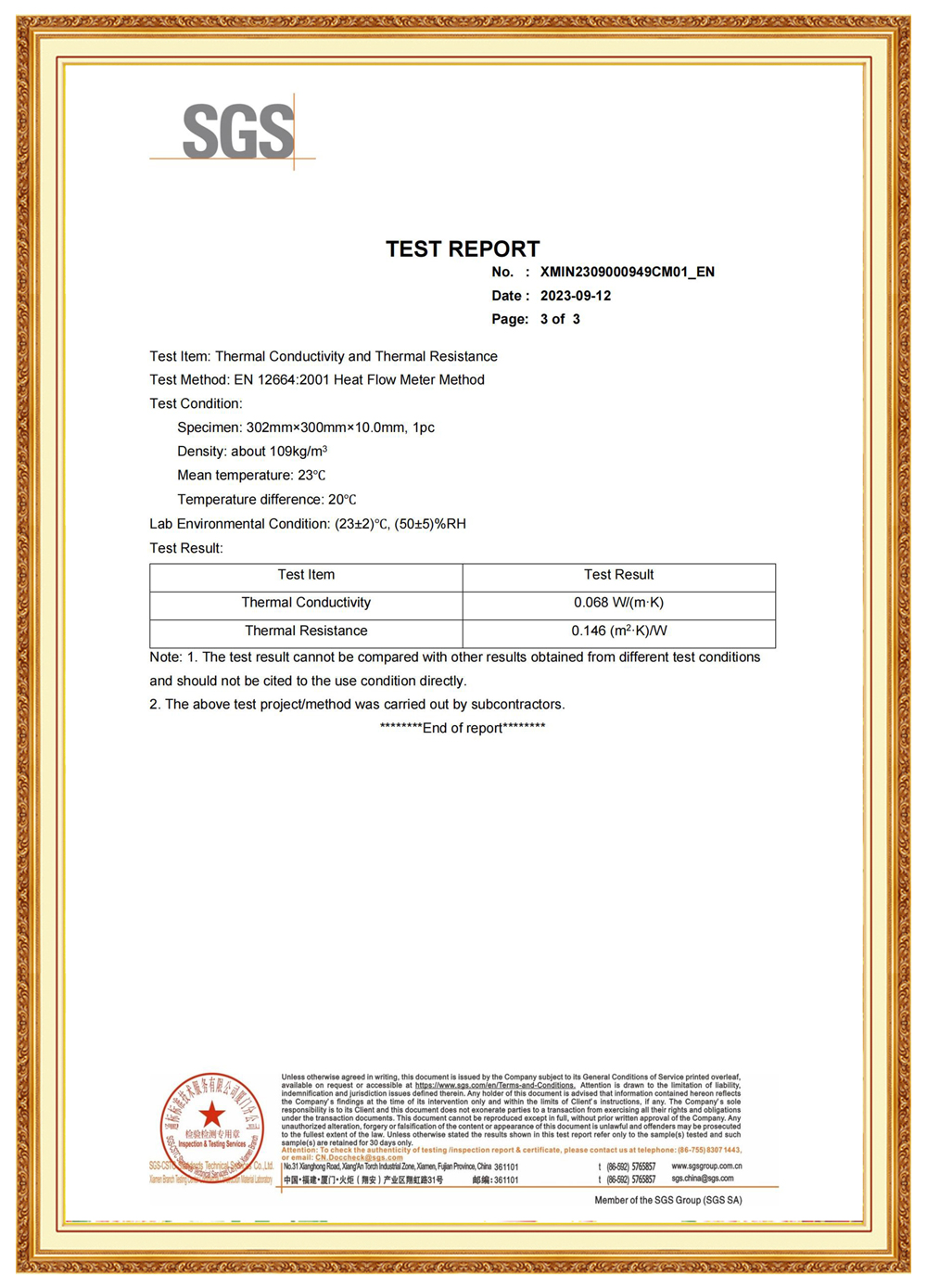
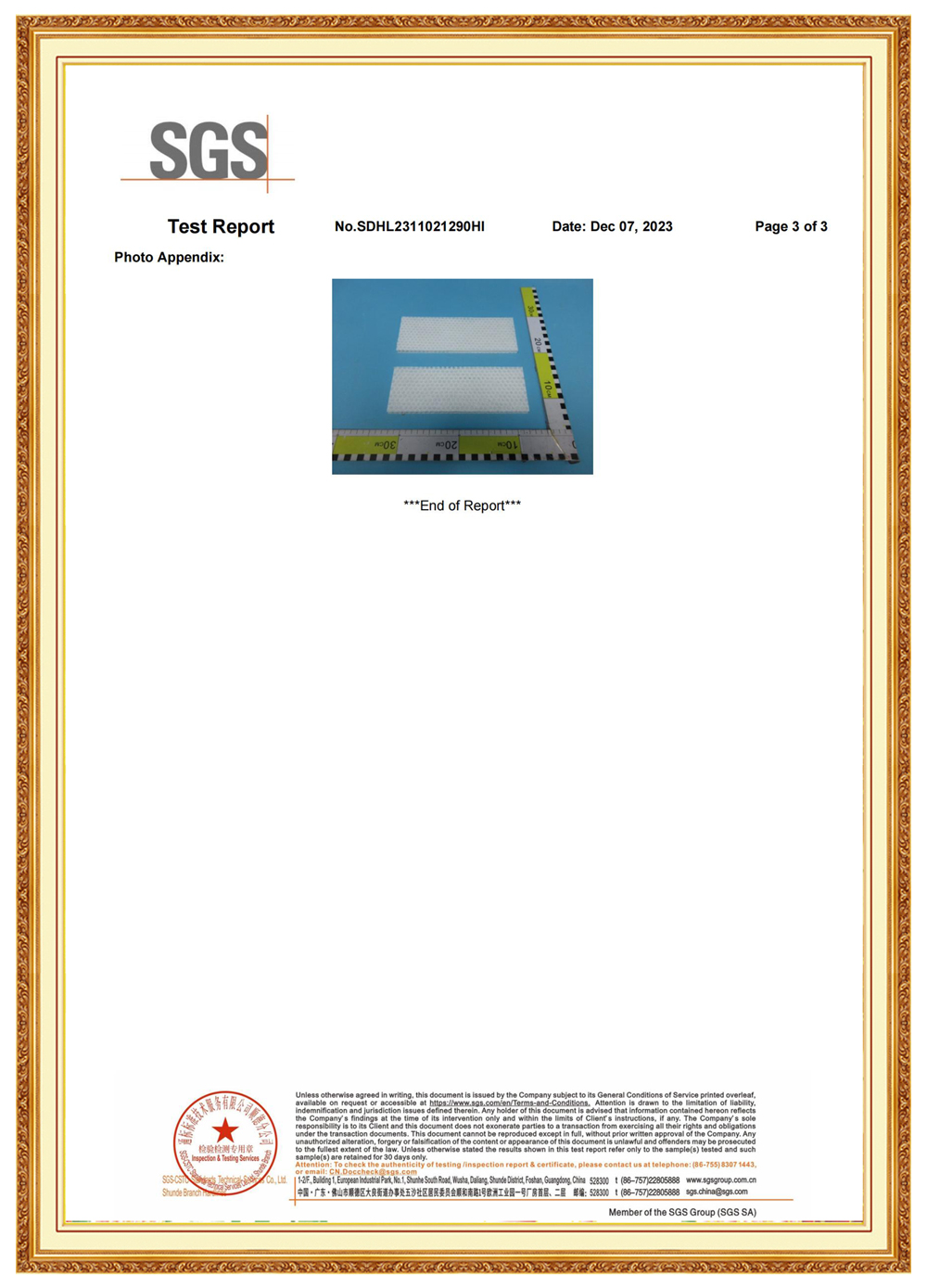
Our production lines are ISO 9001 certified. Every roll of basalt mesh exported to Panama undergoes 100% tensile testing and alkali-resistance verification in our Jiangxi laboratory.
 Beihai Fiberglass