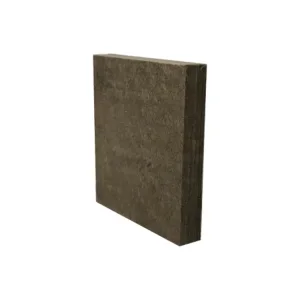
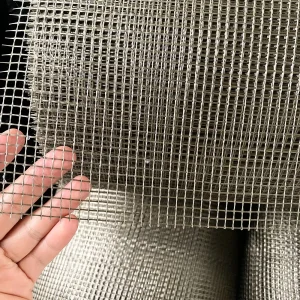
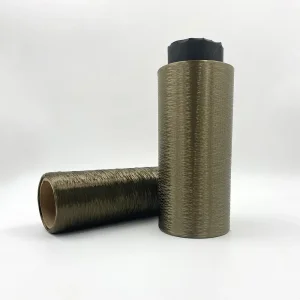
Thailand's high humidity and salinity in coastal areas like Chonburi and Rayong cause rapid oxidation in traditional steel reinforcement. Basalt Fiber (BFRP) offers zero corrosion rates, extending the lifespan of marine structures and bridges by up to 100 years without maintenance.
As the Eastern Economic Corridor (EEC) drives demand for high-tech manufacturing, basalt fiber products provide the lightweight, non-conductive, and thermal-stable properties required for advanced automotive and aerospace components in the Rayong cluster.
With Thailand's commitment to the BCG (Bio-Circular-Green) economic model, basalt fiber—a 100% natural volcanic product—is the ultimate sustainable alternative to carbon and glass fiber, reducing the carbon footprint of construction projects significantly.
China Beihai, established in 2015 and headquartered in Jiujiang, Jiangxi, stands as a premier high-tech enterprise. We specialize in the research, development, and mass production of high-performance basalt continuous fibers, positioning ourselves as a global leader in the composite materials industry.
The global basalt fiber market is projected to reach USD 450 million by 2027. Unlike glass fiber, basalt provides 15-20% higher tensile strength and much higher chemical stability. China Beihai integrates the entire supply chain—from furnace design to finished textiles—ensuring the highest purity for Thai industrial users.
We provide comprehensive localized support for Thailand, including technical consultation for the Department of Highways (DOH) and Department of Rural Roads (DRR) standards. Our basalt products are engineered to comply with international ASTM and ISO certifications recognized in Bangkok.
Manufacturing spacecraft shells and aircraft engine components with superior thermal protection for Thailand's growing aerospace sector.
Lightweight basalt composites for EV battery enclosures and structural parts for the Thai "Detroit of the East."
Bridge pier protection and offshore platform reinforcement against severe tropical salt-spray corrosion.
Acid and alkali-resistant piping systems for PTT and other Thai petrochemical giants in Map Ta Phut.
Development of specialized sizing agents for basalt fibers to enhance bonding with Thai-sourced bio-resins, targeting 100% biodegradable composite structures.
Integrating fiber-optic sensors directly into Basalt Rebars (BFRP) to provide real-time structural health monitoring for Bangkok's high-rise buildings and MRT systems.
Scaling production of basalt fibers with elastic modulus exceeding 110 GPa to directly compete with mid-tier carbon fiber at 30% of the cost.
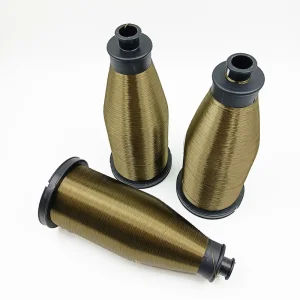
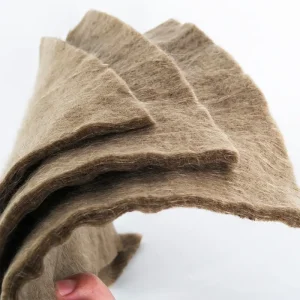
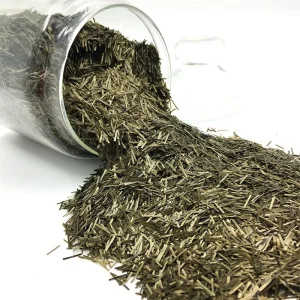
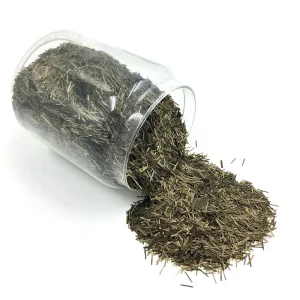
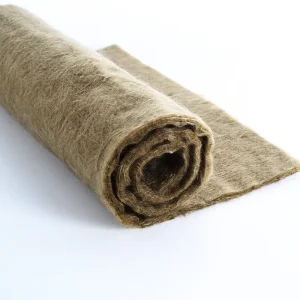
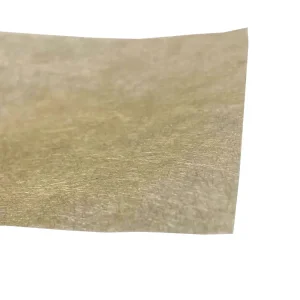
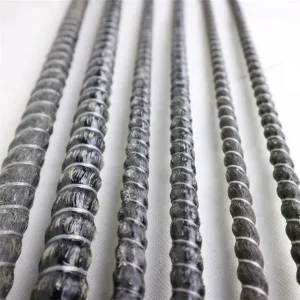
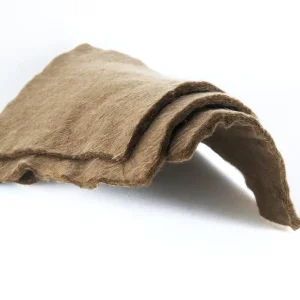
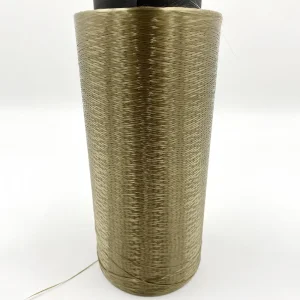
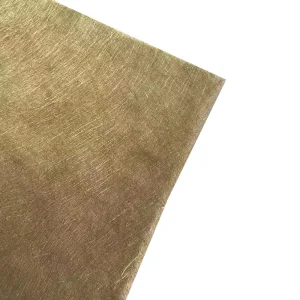
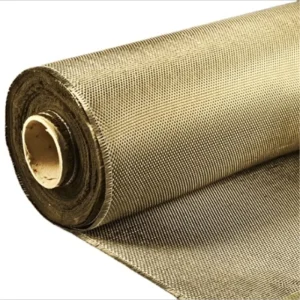
Basalt fiber reinforcement (BFRP) is naturally inert. In Thailand's tropical climate, steel expands when it rusts, causing concrete cracking (spalling). Basalt does not rust, even in submerged sea-water conditions, effectively doubling the structural life of Thai infrastructure.
Yes. We offer deep technical data sheets (TDS), safety data sheets (SDS), and structural calculation assistance to ensure our products meet the rigorous standards of the Thai construction and automotive industries.
Typical ocean freight from our factory to Laem Chabang port is 7-12 days. We maintain a high production volume to ensure that bulk orders are processed and dispatched within 15 days.
Basalt fiber has a melting point of approximately 1450°C, far exceeding glass fiber (600°C) and carbon fiber (which can oxidize at high temps). It is classified as an A1 non-combustible material in global and local fire safety standards.
Partner with China Beihai for sustainable, durable, and technologically advanced basalt solutions in Thailand.
Send Inquiry Now Beihai Fiberglass