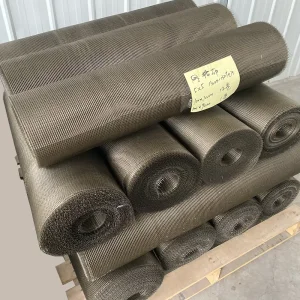
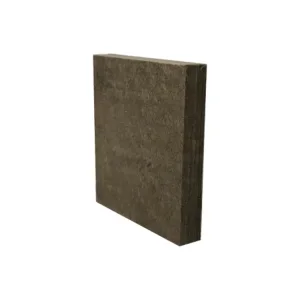
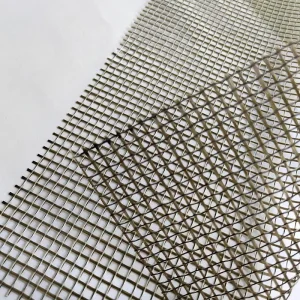
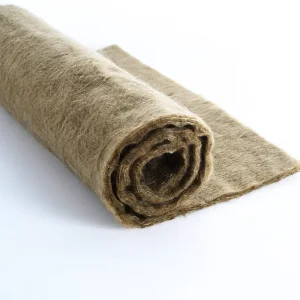
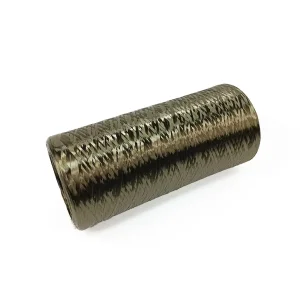
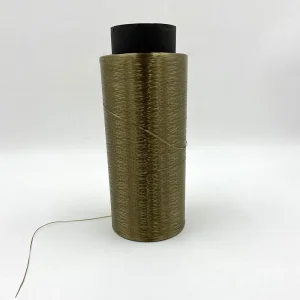
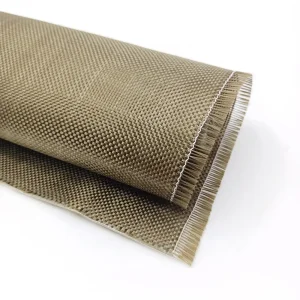
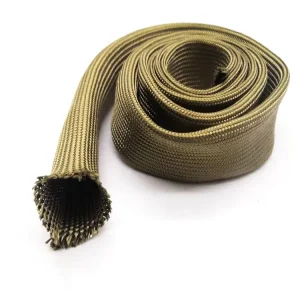
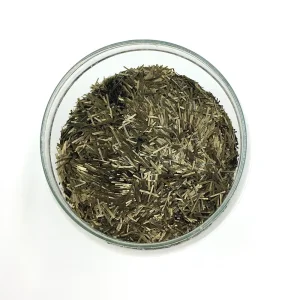
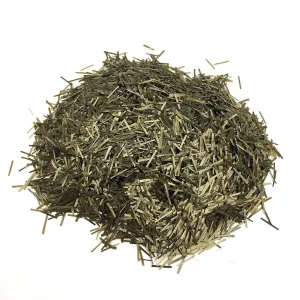
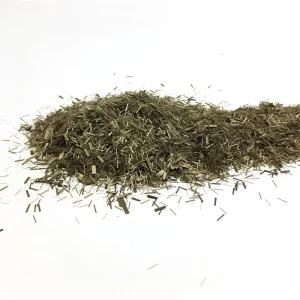
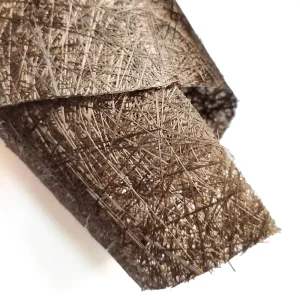
In the era of sustainable infrastructure development and high-performance composite engineering, Basalt Fiber Assemble Roving has emerged as a revolutionary material. Derived from volcanic rock through a single-component melting process, basalt fiber represents a bridge between traditional glass fibers and high-cost carbon fibers. It offers an exceptional combination of high tensile strength, extreme temperature resistance, chemical inertness, and ecological sustainability.
As global industries transition toward decarbonization and longer structural lifespans, the demand for non-corrosive, highly durable reinforcement materials has surged. China Beihai, established in 2015 in Jiujiang, Jiangxi Province, stands at the absolute forefront of this technological shift. By integrating state-of-the-art volcanic rock melting technology with advanced sizing chemistry, we provide global markets with premium basalt fiber products that meet the rigorous demands of modern civil engineering, aerospace, automotive, and marine applications.
Information Gain Insight: Unlike E-glass fiber, which is susceptible to alkaline degradation in concrete environments, basalt fiber is naturally resistant to acids, alkalis, and salts. This makes it the ultimate choice for reinforcing concrete structures exposed to marine environments, deicing salts, and chemical processing plants.
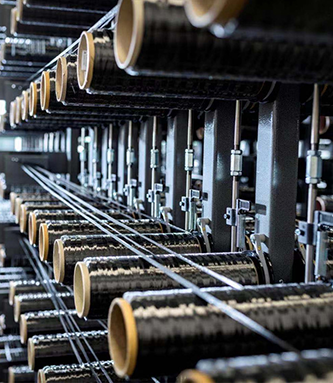
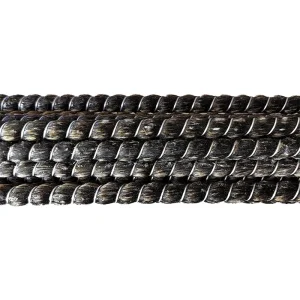
Basalt Fiber Assemble Roving is manufactured by gathering multiple parallel strands of continuous basalt filaments into a single, cohesive bundle without twisting. This process requires precise control over the melting temperature of the basalt rock (typically maintained at 1450°C to 1500°C in specialized recuperative furnaces) and the application of advanced chemical sizing agents.
The sizing agent is critical; it determines the fiber's compatibility with various resin matrices, including epoxy, vinyl ester, polyester, and thermoplastics. Our proprietary sizing formulations ensure optimal interfacial shear strength (IFSS), preventing delamination under extreme mechanical loads. The resulting roving is ideal for high-volume manufacturing processes such as pultrusion, filament winding, and weaving.
For procurement managers and engineering firms, sourcing Basalt Fiber Assemble Roving from China offers significant cost-to-performance advantages. However, navigating the technical specifications is crucial for securing the correct material. When requesting quotes, buyers must specify:
The unique physical and chemical properties of basalt fiber allow it to solve complex engineering challenges across multiple macro industries:
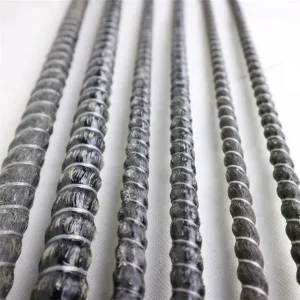
Used in basalt rebar and mesh to reinforce concrete structures, eliminating the risk of rust and concrete spalling in bridges and coastal buildings.
Provides lightweight thermal protection systems, engine compartment insulation, and structural components capable of withstanding extreme thermal cycles.
Enables the production of lightweight body panels, brake pads, and muffler insulation, contributing to vehicle weight reduction and fuel efficiency.
Excellent resistance to corrosive chemicals makes it perfect for underground fuel storage tanks, chemical piping, and offshore drilling platforms.
Protects critical bridge abutments from physical impacts, water erosion, and chemical degradation in harsh riverine and marine environments.
Used in ship hulls and marine structures due to its absolute resistance to saltwater corrosion and low water absorption rate.
The future of basalt fiber technology is focused on enhancing production efficiency, developing hybrid composite systems, and achieving absolute sustainability. As a leading manufacturer, China Beihai is actively investing in three primary R&D pathways:
Developing molecular-engineered sizing agents that establish covalent bonds with thermoplastic matrices (like PP, PA, and PEEK), unlocking high-speed injection molding applications.
Creating hybrid rovings that combine the high stiffness of carbon fiber with the impact resistance and cost-effectiveness of basalt fiber, optimizing structural performance.
Transitioning our Jiujiang production facility to 100% clean energy melting systems, reducing the carbon footprint of basalt fiber to near-zero levels.
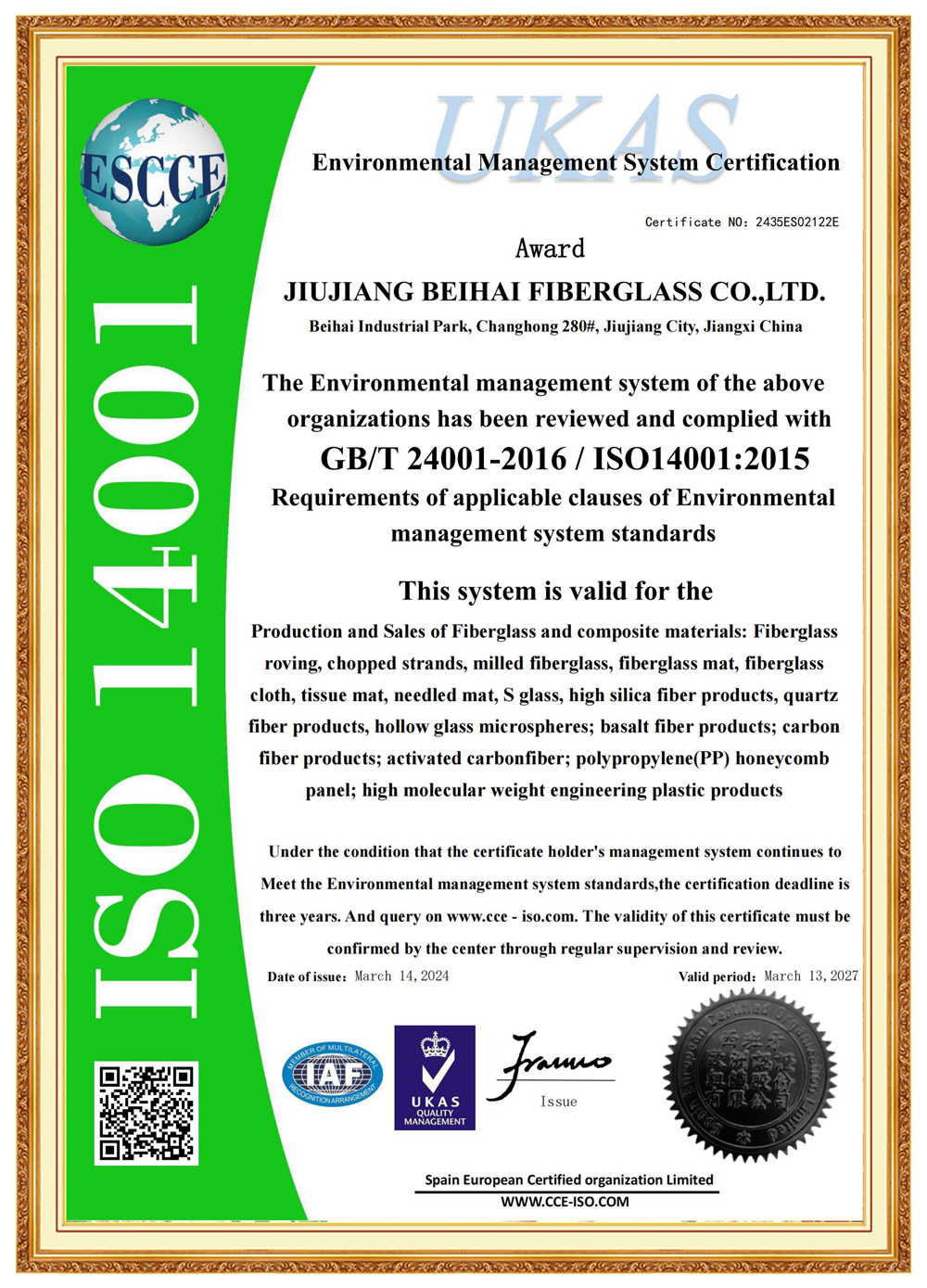
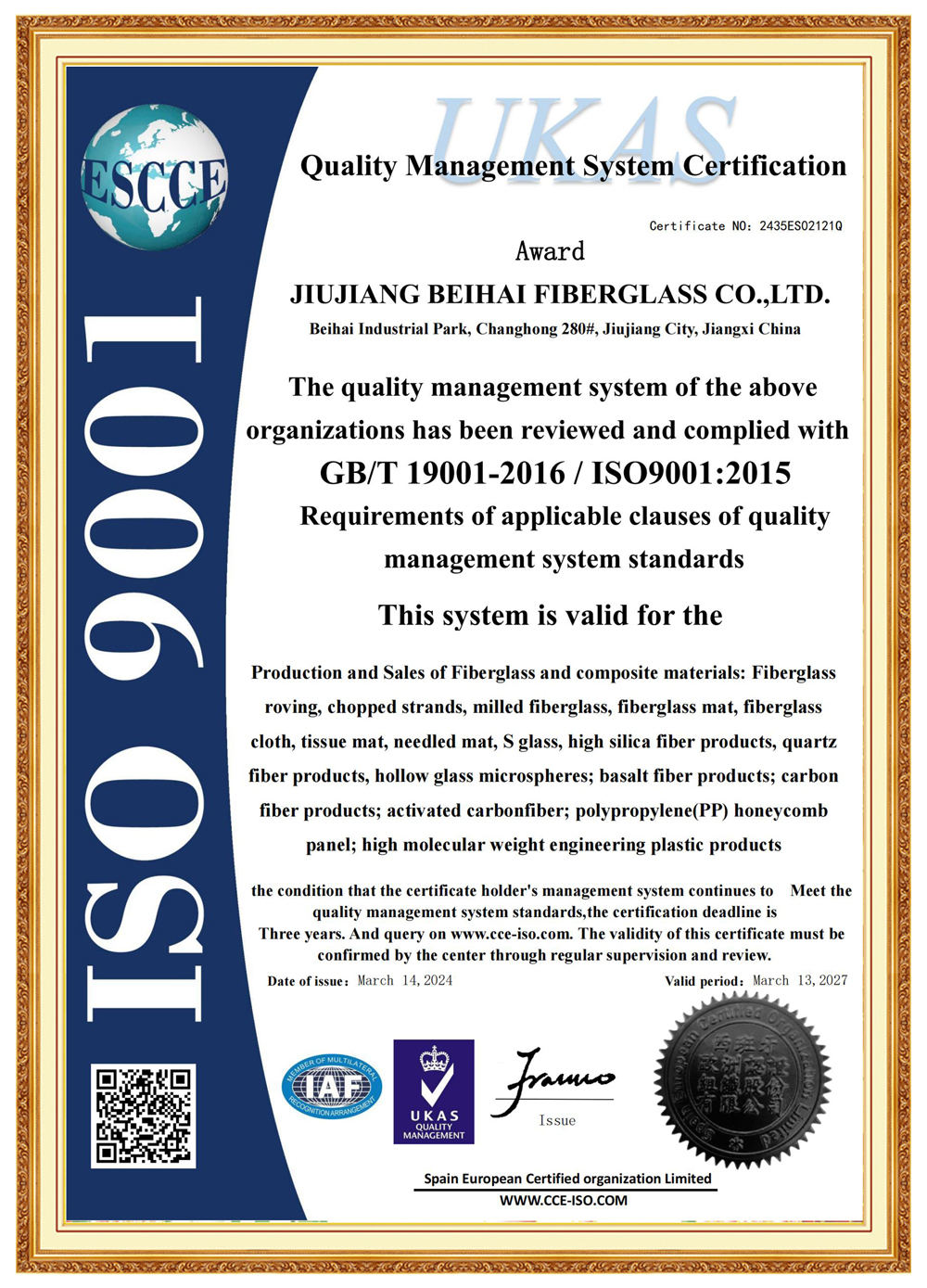
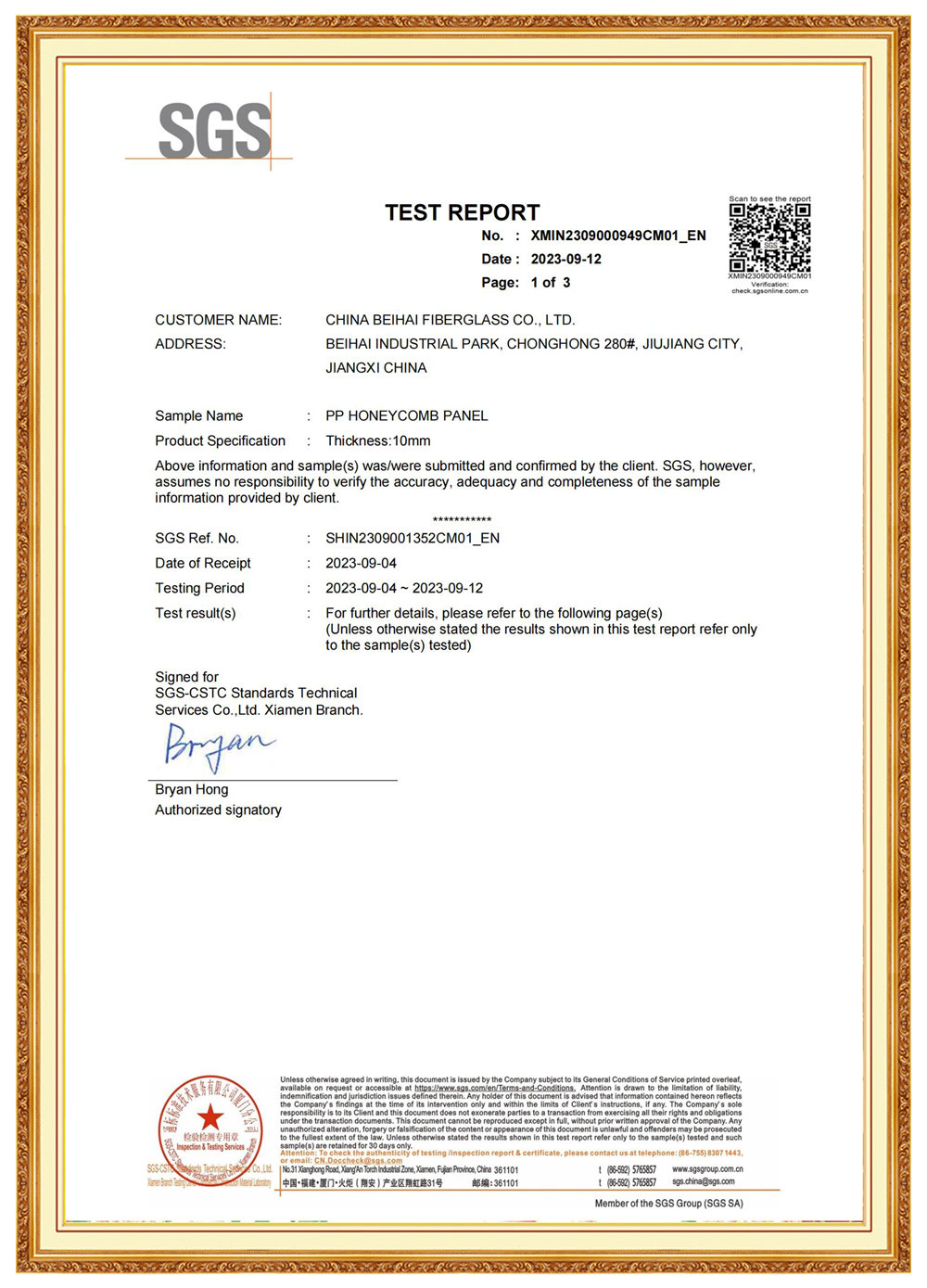
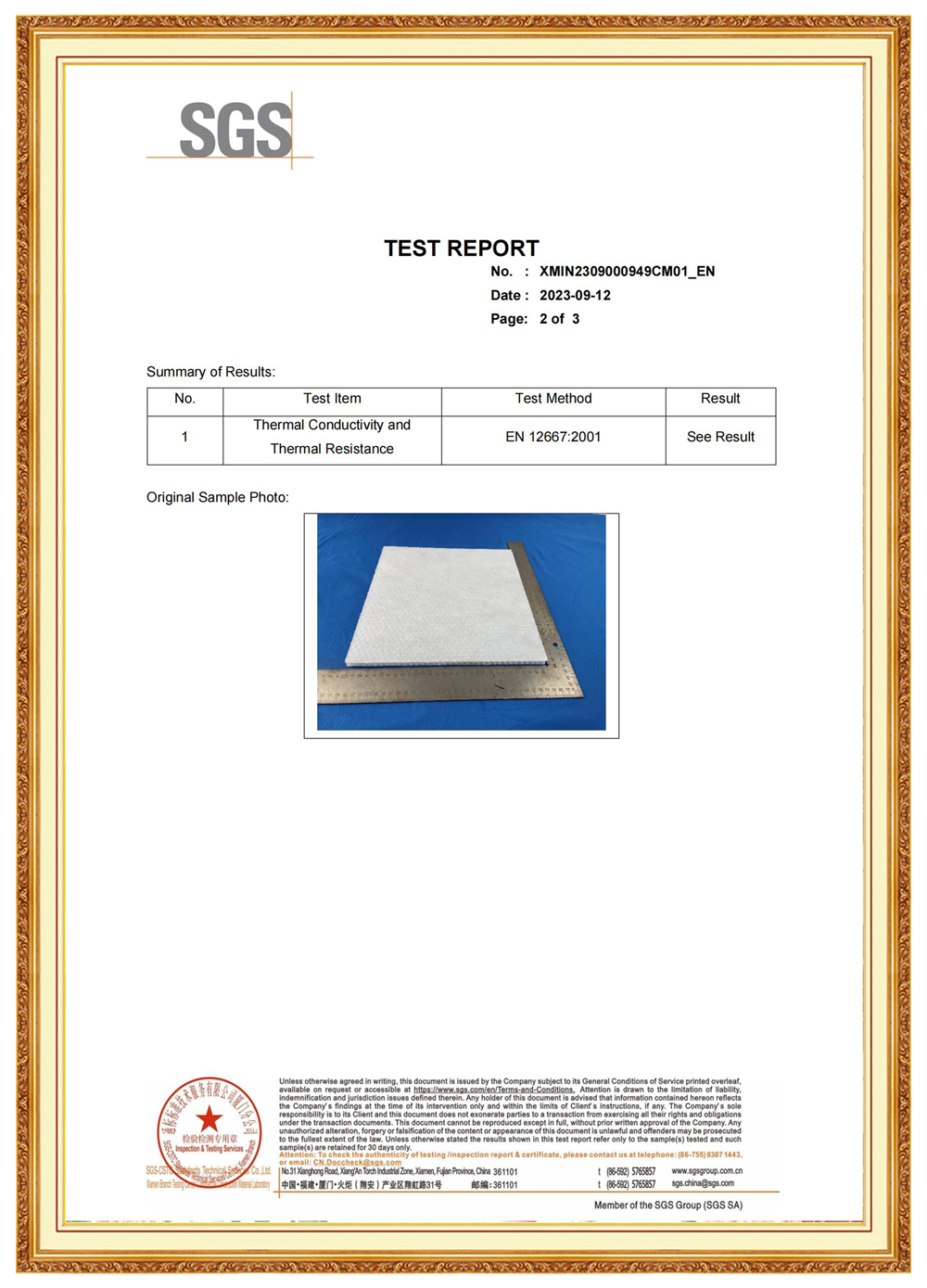
At China Beihai, quality is not just a promise; it is verified by international standards. Our manufacturing processes are ISO 9001:2015 certified, ensuring consistent filament diameter, tensile strength, and sizing application across every batch. We comply fully with REACH and RoHS regulations, guaranteeing that our products are free from hazardous substances and safe for global distribution.
Every shipment undergoes rigorous testing in our in-house laboratories, including tensile testing (ASTM D2343), moisture absorption testing, and loss on ignition (LOI) testing to verify sizing content. We provide complete Mill Test Certificates (MTC) and third-party verification reports upon request.
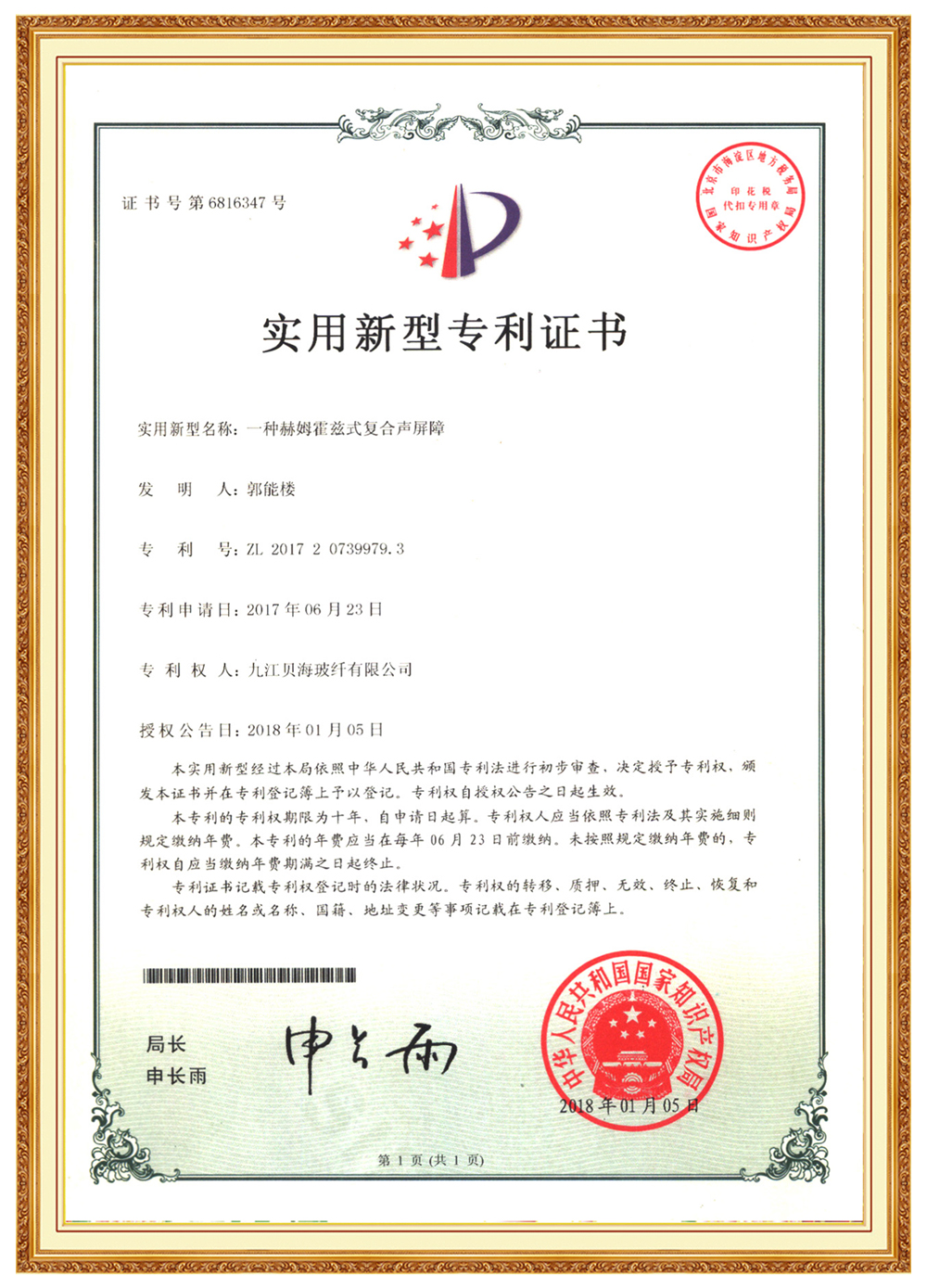
Founded in 2015 and located in Jiujiang, Jiangxi Province, China Beihai is a high-tech enterprise focusing on the research, development, production, and sales of high-performance basalt continuous fiber and its production equipment manufacturing. We are a leading enterprise in the domestic basalt fiber industry, committed to delivering sustainable, high-performance solutions worldwide.
 Beihai Fiberglass