Precision-engineered reinforcement, fireproofing, and thermal insulation solutions direct from China Beihai Group manufacturing plants.
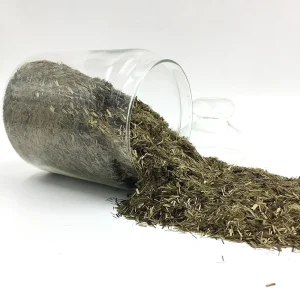
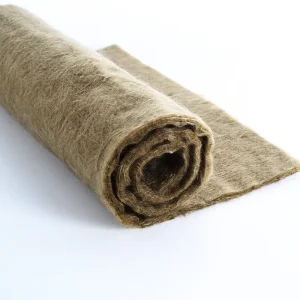
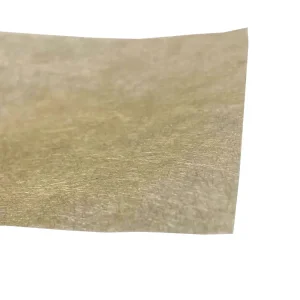
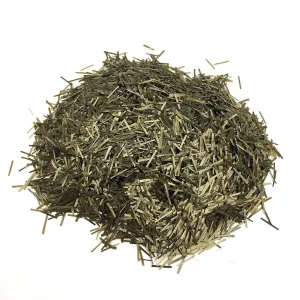
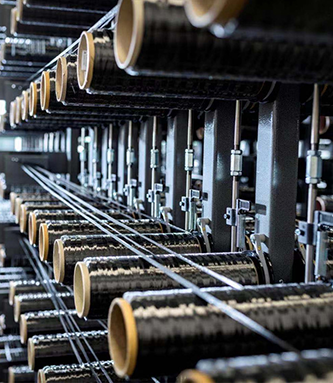
China Beihai is a state-level high-tech enterprise focusing on the research, development, production, and sales of high-performance basalt continuous fiber and its production equipment manufacturing. Based in Jiujiang, Jiangxi Province, we stand as a leading enterprise in the domestic basalt fiber industry, bringing integrated materials engineering and localized supply chains to a global scale.
Our core mission revolves around unlocking the vast potential of natural volcanic rock, transforming it through advanced melting and thermal-drawing processes into advanced structural reinforcement textiles. By maintaining full vertical control over our smelting furnaces, drawing dies, and custom weaving machinery, we assure an industry-leading standard of quality and ecological sustainability.
Why Tier-1 industrial contractors, aerospace designers, and structural engineers trust China Beihai Group.

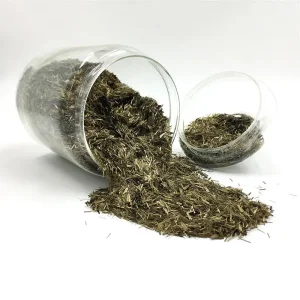
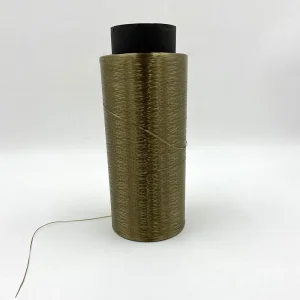
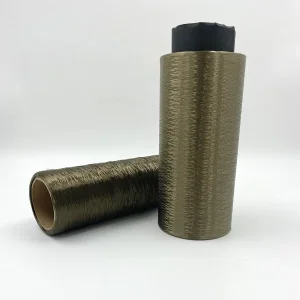
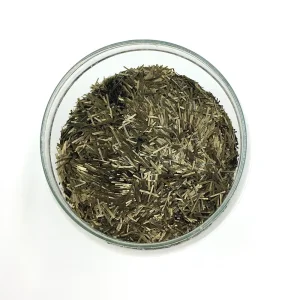
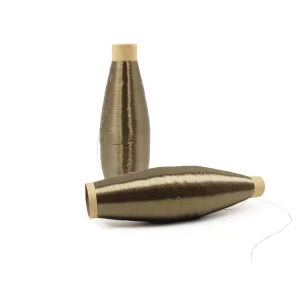
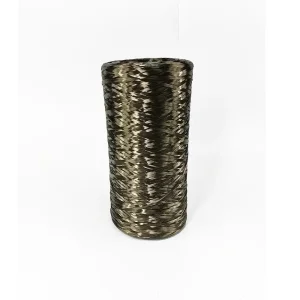
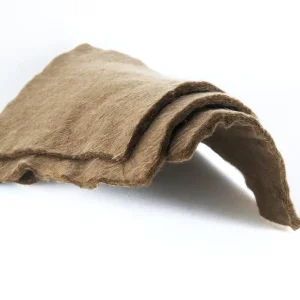
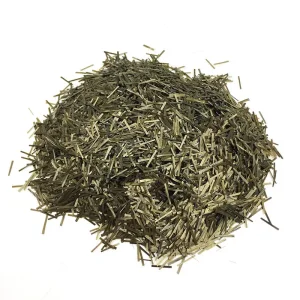
At China Beihai group, we specialize in the production of a wide range of products including basalt fiber mat (Basalt fiber chopped strand mat, Basalt fiber cloth), basalt fiber roving, basalt fiber yarn, basalt fiber chopped strands, and basalt fiber products (Basalt Fiber rebar, basalt fiber sleeves and tape). Our products are designed to meet the diverse needs of various industries, providing high-quality solutions for our customers.

At China Beihai group, we are dedicated to the production of a wide array of basalt-based products, ranging from basalt fiber mat, fabric, and roving to chopped strand and specialized construction materials. Our focus is on delivering high-quality, sustainable solutions for industries such as construction, geotechnical engineering, and manufacturing. With a commitment to innovation and excellence, we strive to cater to the unique requirements of our clients by offering a comprehensive selection of basalt-derived products.

Choosing to work with China Beihai means working with a leading manufacturer of basalt products. Our commitment to quality, innovation and sustainability sets us apart, ensuring our customers receive best-in-class solutions for their diverse needs. Reliability and customer satisfaction, we offer a wide range of high-quality basalt materials and construction products, backed by our dedication to excellence and industry expertise. When you partner with China Beihai, you can trust that you are working with a reliable and forward-thinking partner.
A comprehensive analysis of basalt's structural response to fire loading, thermodynamic advantages, and carbon neutrality profile.
Unlike glass fiber (synthesized from silica, fluxes, and chemical modifiers) or carbon fiber (derived from synthetic polyacrylonitrile precursors), basalt fiber fireproof cloth is created entirely from a singular, naturally occurring mineral resource: volcanic basalt rock. This crystalline volcanic rock features a complex natural formulation composed of plagioclase, pyroxene, and olivine. When heated to high temperatures (1450°C to 1500°C) and extruded through platinum-rhodium alloy bushings, these minerals form a solid, continuous filament structure with remarkable thermal characteristics.
The resulting fireproof cloth provides a continuous service temperature range of -260°C to +820°C, with intermittent spikes surviving up to 1200°C. In comparison to conventional E-glass fiberglass, which begins to lose its mechanical structural properties at 350°C and softens at around 600°C, basalt fibers remain chemically and structurally stable. This resilience makes basalt fiber an ideal choice for high-temperature applications, offering a reliable thermal barrier where fiberglass fails.
| Performance Metric | China Beihai Basalt Cloth | E-Glass Fiberglass Cloth | Silica Fiber Fabric | Carbon Fiber Textile |
|---|---|---|---|---|
| Continuous Service Temperature | -260°C to +820°C | -60°C to +550°C | -50°C to +1000°C | -50°C to +450°C (Oxidizing) |
| Melting Point | 1450°C | 1120°C | 1650°C | 3500°C (Non-oxidizing) |
| Tensile Strength (MPa) | 3000 - 4500 | 2000 - 3400 | 800 - 1500 | 3500 - 6000 |
| Thermal Conductivity (W/m·K) | 0.031 - 0.038 | 0.035 - 0.040 | 0.040 - 0.050 | 1.50 - 5.00 |
| Alkali & Acid Resistance | Excellent (Ph 3 to 12) | Poor / Moderate | Excellent | Excellent |
| Eco-Footprint & Recycling | 100% Inert, Low CO2 | Synthetic, Heavy Chemistry | Acid-leached Chemical Process | Highly Energy Intensive |
The modern industrial market is witnessing a structural shift driven by stringent carbon neutrality initiatives (such as the EU Green Deal, ESG investment strategies, and China's double carbon target). Basalt fiber fireproof cloth stands at the intersection of performance and ecological responsibility. Because basalt is manufactured via a single-stage melting process with no heavy chemical chemical synthesis, the lifecycle carbon footprint of China Beihai basalt fibers is significantly lower than that of carbon fiber or specialty polymer matrix composites.
From a commercial perspective, basalt fireproof fabrics are rapidly replacing ceramic and asbestos fibers. Asbestos fabrics are heavily regulated due to their carcinogenic nature, and ceramic fibers are classified in many jurisdictions as potentially dangerous due to inhalation hazards. Basalt, having a filament diameter typically between 9 and 22 microns, falls safely outside the respirable range (under 3 microns), providing full compliance with modern health and safety regulations without sacrificing high-temperature capacity.
At China Beihai's Jiujiang production plant, our engineering teams customize the mechanical behavior of basalt fireproof cloth through advanced weaving processes. We weave our products using two primary techniques:
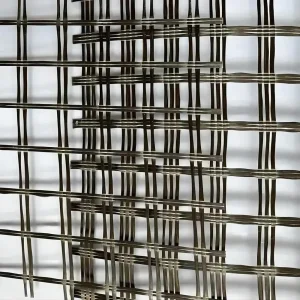
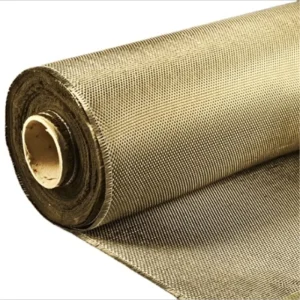
Plain Weave Fabric: Features a simple, symmetric over-under interlacing structure. Plain weave basalt fabric provides high dimensional stability, uniform shear properties, and reliable puncture resistance. This structure is typically utilized for welding blankets, insulation jackets, and fire containment curtains.
Twill Weave Fabric: Characterized by a diagonal weave pattern. Twill weave basalt fabrics offer superior drapeability and flexibility, allowing the cloth to conform easily to complex structural contours, pipes, and compound curves. This makes it the standard specification for advanced composite layups, automotive thermal shields, and aerospace engine wraps.
Basalt fiber is ideal for your engineering projects. Its high strength, corrosion resistance, and lightweight properties allow it to easily solve a variety of complex structural challenges. In buildings, bridges, highways, and other infrastructure projects, basalt fibers demonstrate outstanding performance, extending structural life cycles and dramatically reducing maintenance costs. Choose basalt fiber for reliability and durability.
High-integrity continuous filaments designed for winding, pultrusion, and textile compounding processes.
View Roving RangeA high-strength alternative to traditional steel bars, perfect for reinforcing concrete in marine and bridge installations.
Explore Rebar Specs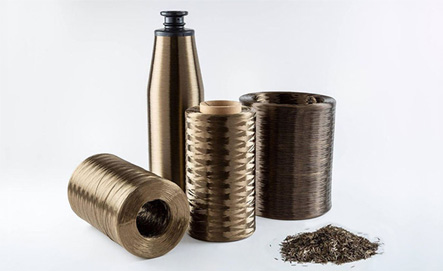
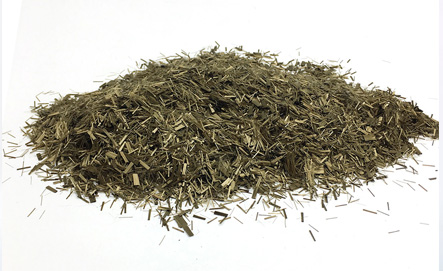

Analyzing localized industrial use cases, smart functional integrations, and structural fire barrier technologies.
Modern civil engineering demands more than singular, passive protection fabrics. The technical roadmap developed by China Beihai incorporates smart multi-layer composites. By combining basalt fiber needled mats with external basalt surfacing tissues and vapor-deposited aluminum reflective coatings, our fireproof fabrics achieve both convective barrier capacity and radiant heat deflection.
These hybrid structures find extensive applications in localized environments where space constraints limit insulation thickness:
To ensure reliable adhesion to matrix resins (like epoxies, phenolics, and vinylesters) and mechanical wear resistance, basalt fiber fireproof cloth undergoes advanced surface modifications. At our facility, continuous direct filaments receive a specialized organosilane-based coupling agent (sizing) immediately after drawing. This custom sizing forms a covalent molecular bridge between the inorganic basalt rock structure and the organic polymers, ensuring superior chemical durability.
This sizing chemical configuration prevents environmental degradation, such as micro-cracking and fiber-resin interface failures, under long-term exposure to dynamic load, cyclical vibration, and high humidity.
Custom-engineered basalt continuous fiber solutions across key global high-performance industries.

Diverse thermal, acoustic, and fire barrier reinforcement applications in residential and high-rise structures.

Extensively utilized to manufacture aircraft interior panels, heat shields, and engine compartment protective wraps.

Engineered for spacecraft structural heat shields, thermal protection systems, and high-temp engine fairings.

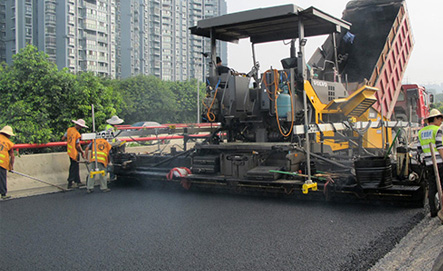
Enhances structural tensile strength, prevents cracking, and delivers chemical resistance in road projects.

Thermal exhaust shields, under-hood heat barriers, and composite components driving vehicle weight reduction.

Protects bridge abutments and piers against vehicle impact, structural fires, water corrosion, and harsh environmental wear.

Corrosion-proof industrial pipeline thermal wraps and welding safety blankets for refinery and offshore installations.

Delivers lightweight, corrosion-proof, and fireproof composite materials for ship hulls and offshore structures.
Discover our globally-procured basalt structural elements featuring premium chemical resistance and high thermal limits.
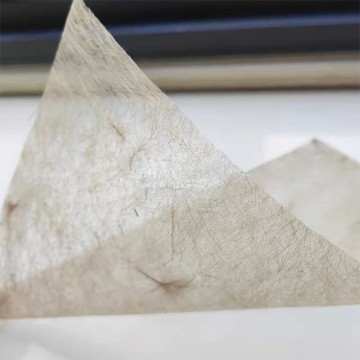
A non-woven thin sheet engineered to provide a smooth, resin-rich surface layer for fiber-reinforced plastic (FRP) structures, offering excellent wear resistance and chemical stability.
Request Specifications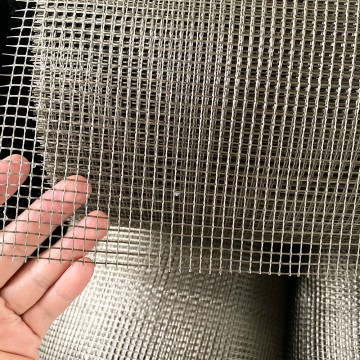
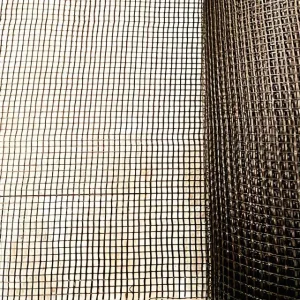
Our high-performance mesh provides an exceptional reinforcement solution for concrete and plaster systems, guaranteeing high alkali resistance and crack prevention.
Request Specifications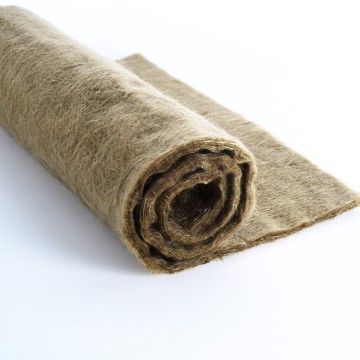
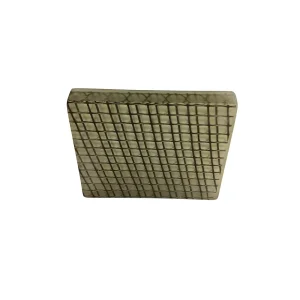
High-density insulation manufactured by mechanically bonding continuous basalt fibers without chemical binders, ensuring complete zero-smoke fire safety.
Request Specifications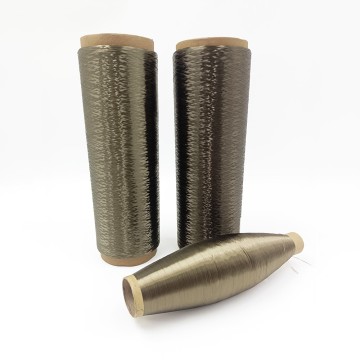
Engineered by twisting multiple continuous basalt filaments to enhance mechanical strength and processing stability for braiding, weaving, and knitting applications.
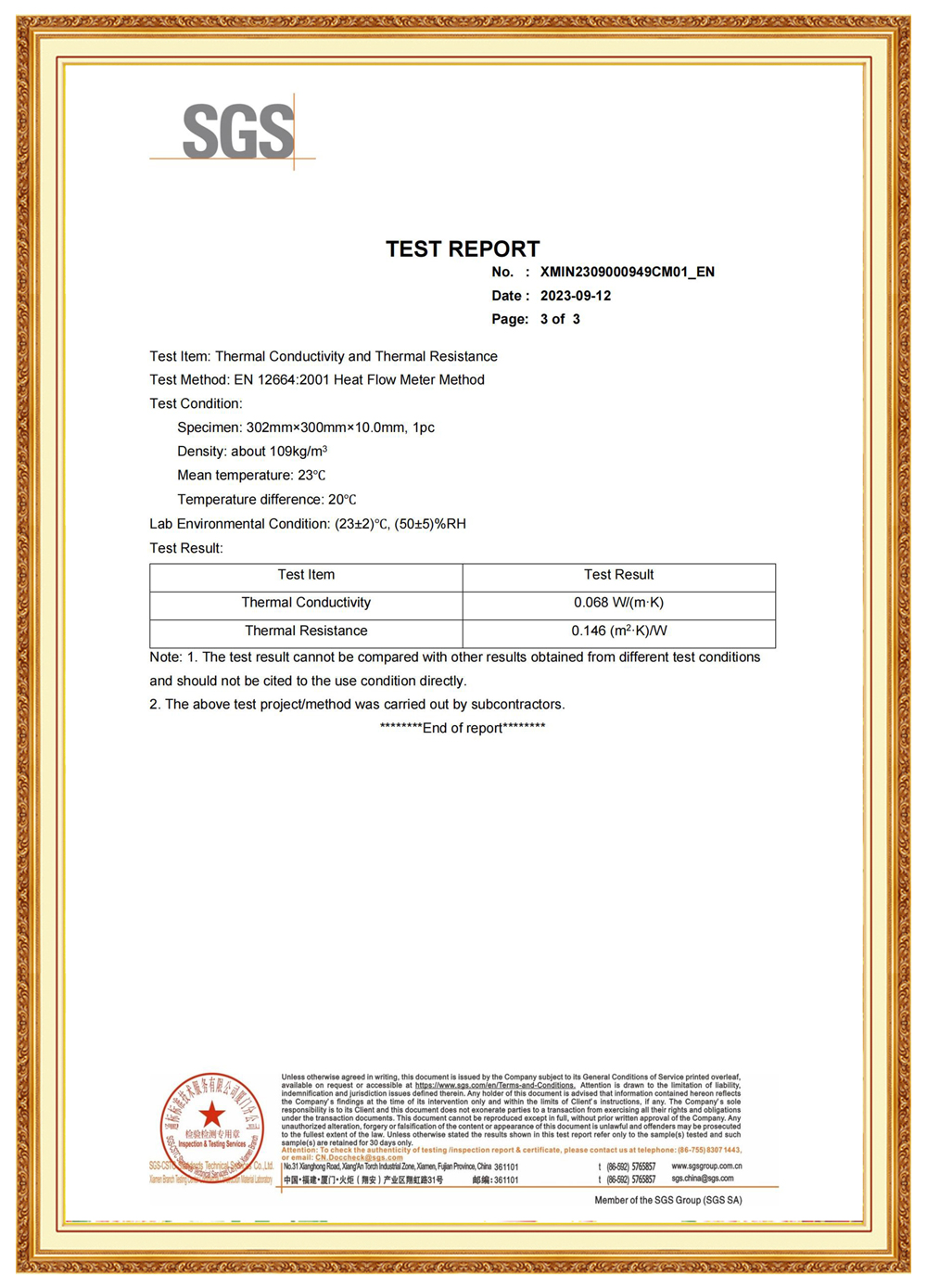
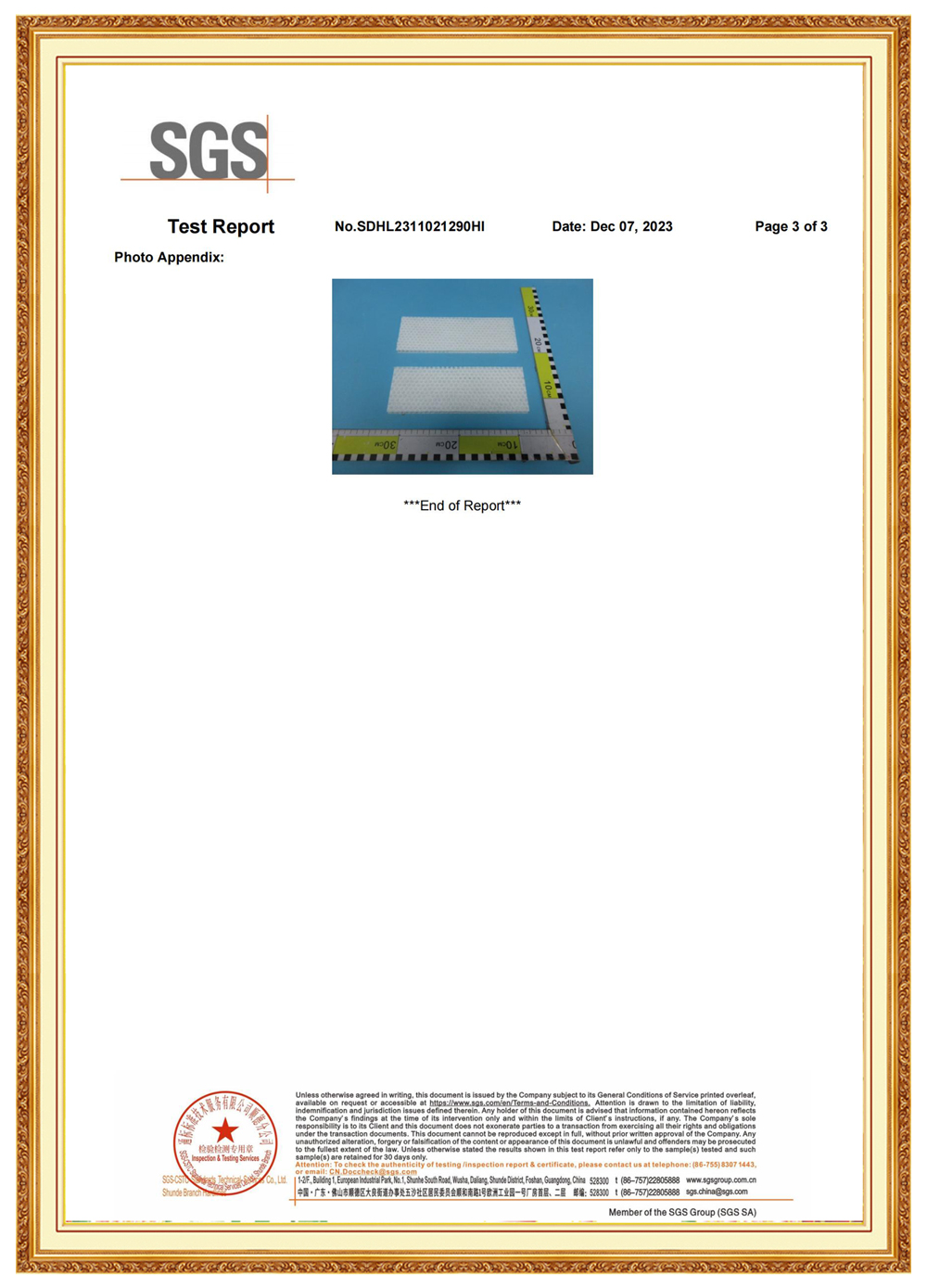
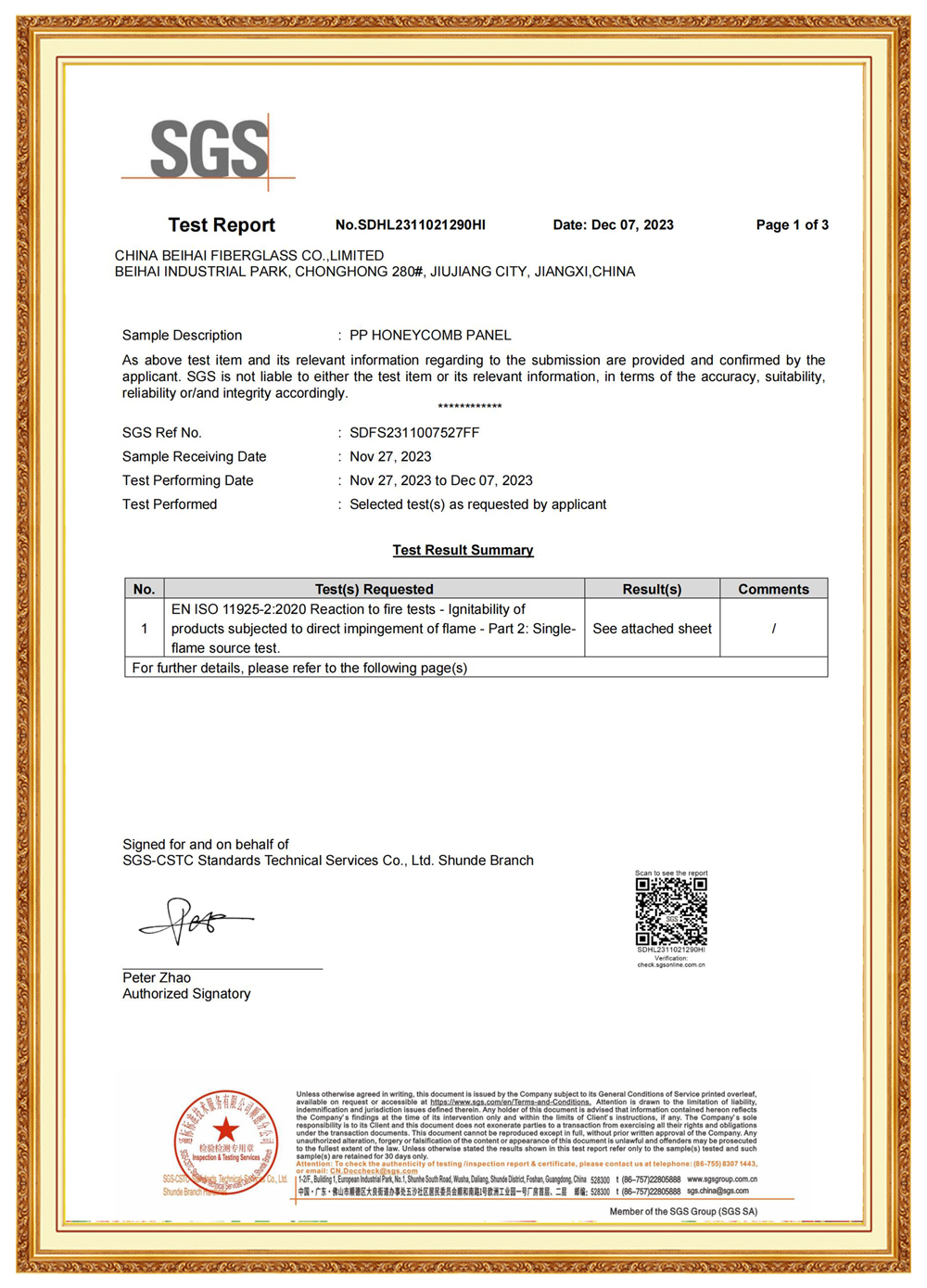
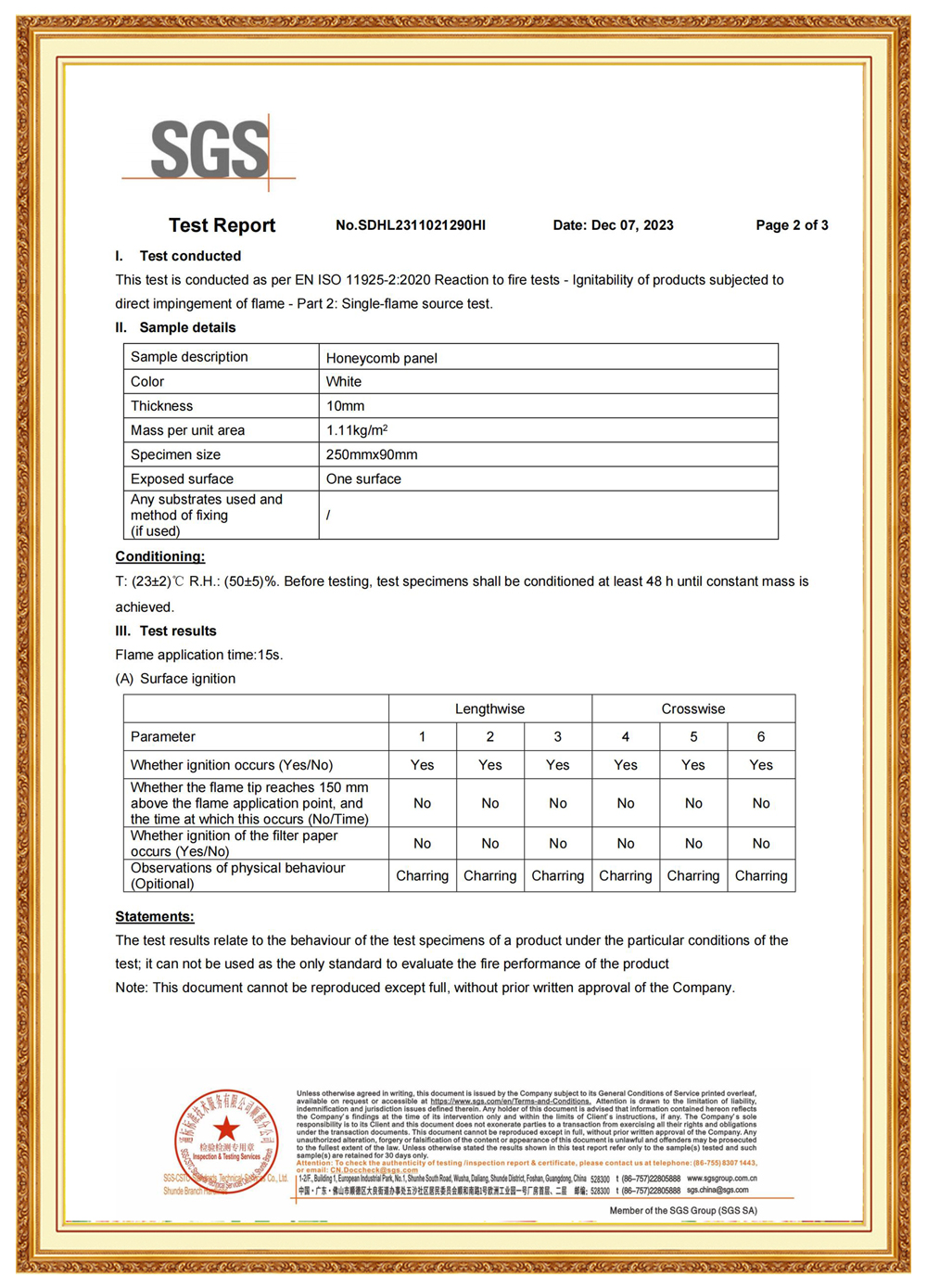
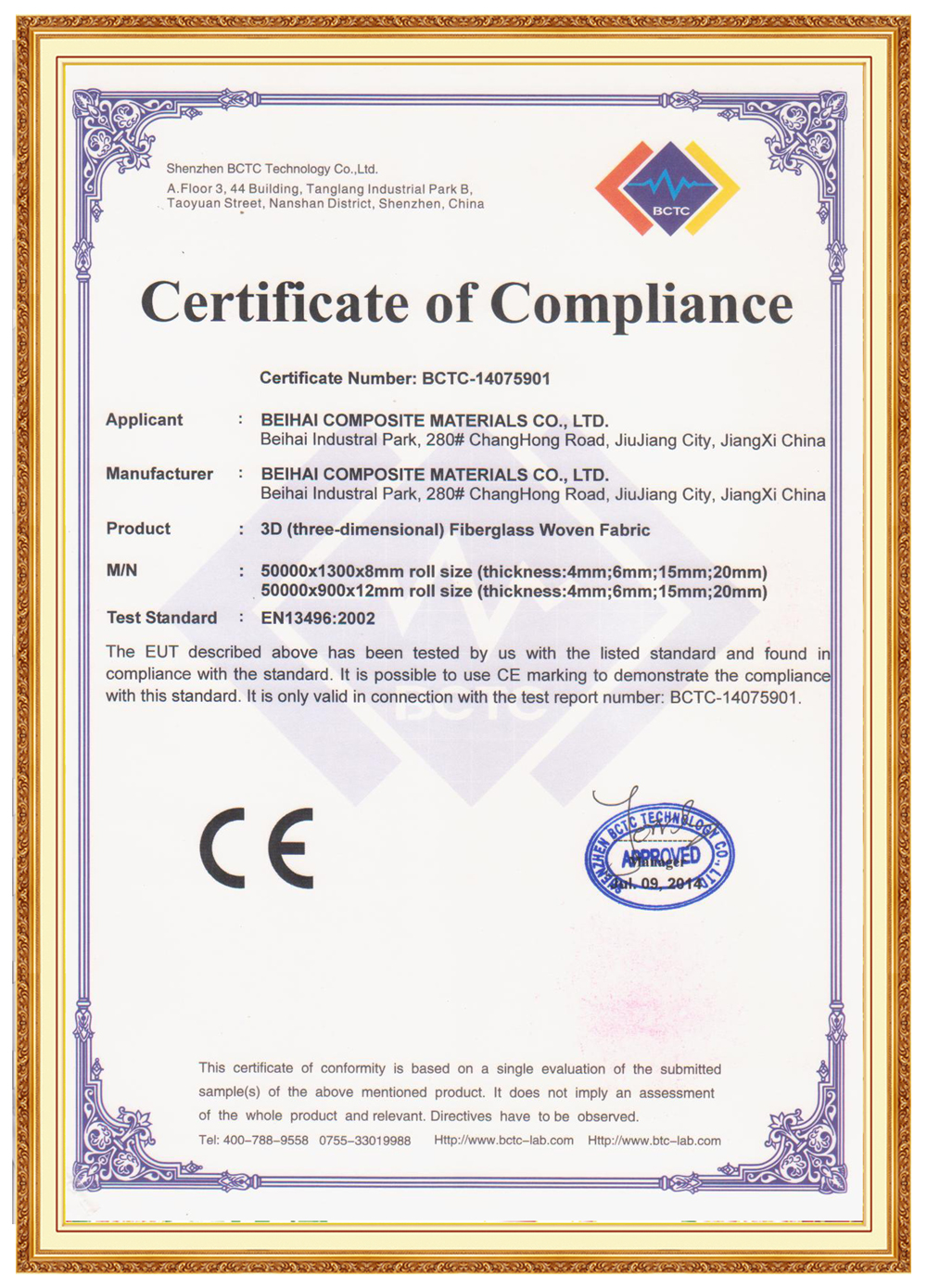
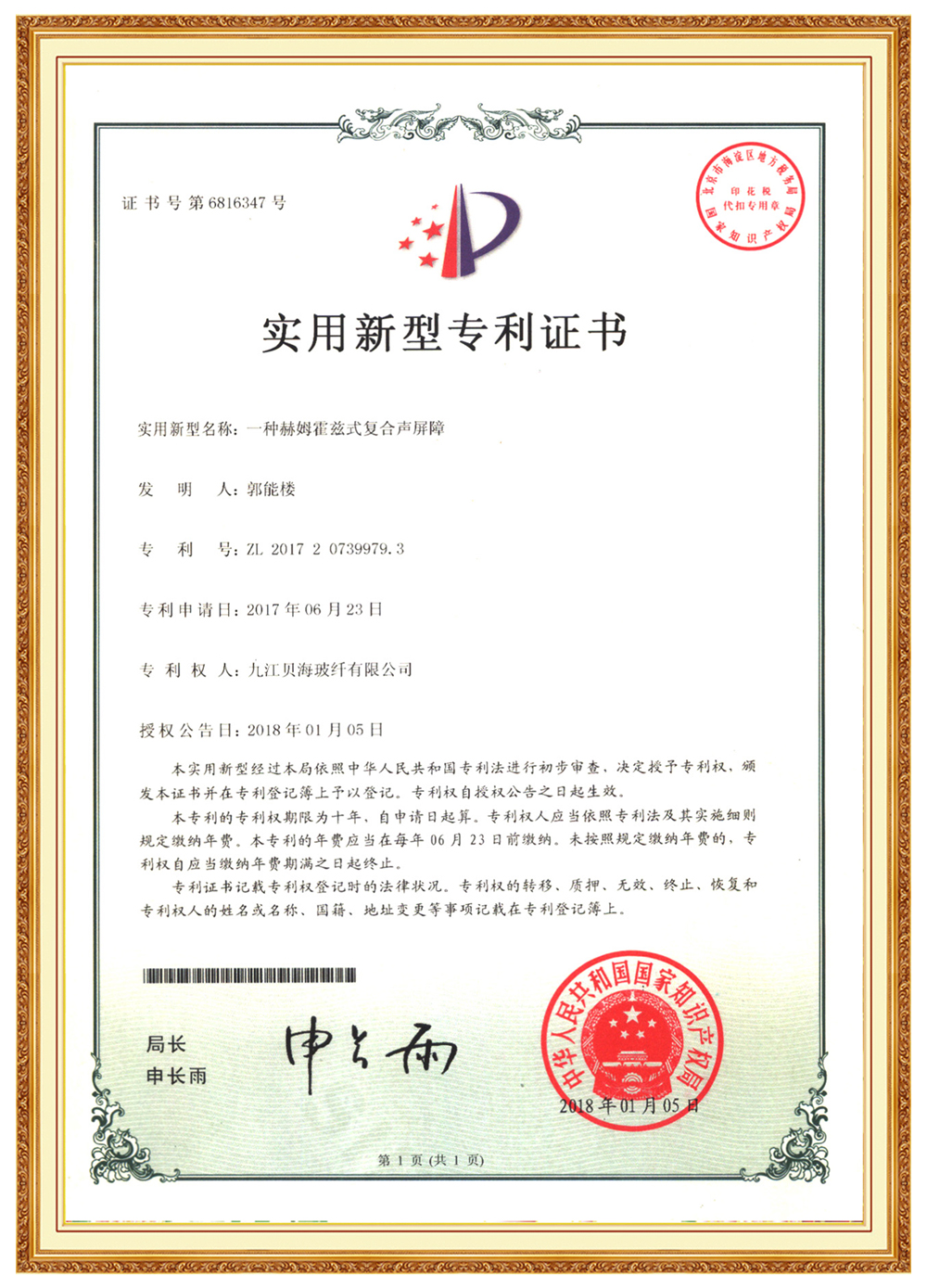
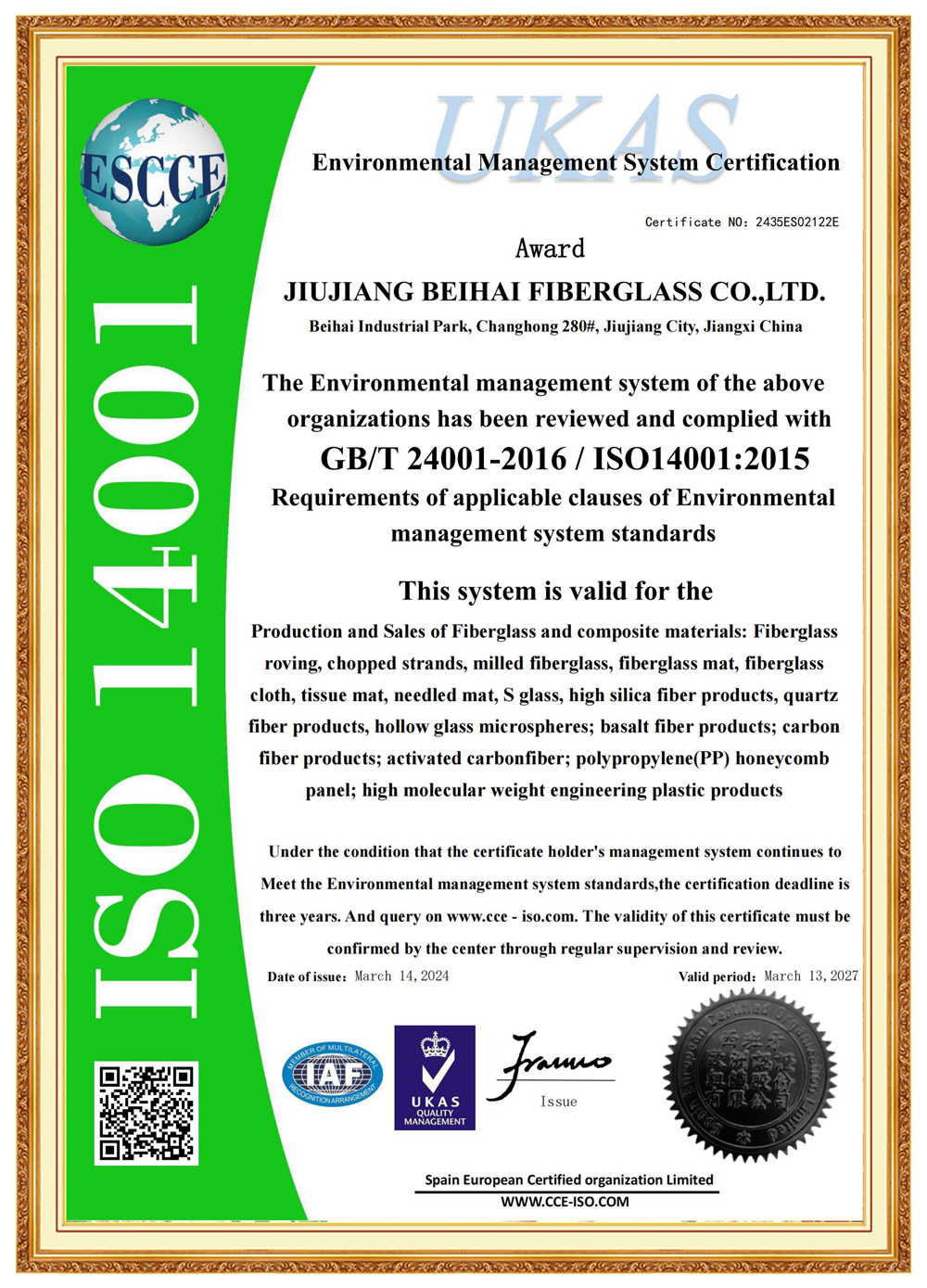
Request SpecificationsOur plants are strictly compliant with international safety and quality standards, maintaining full traceability on all basalt continuous fiber products.
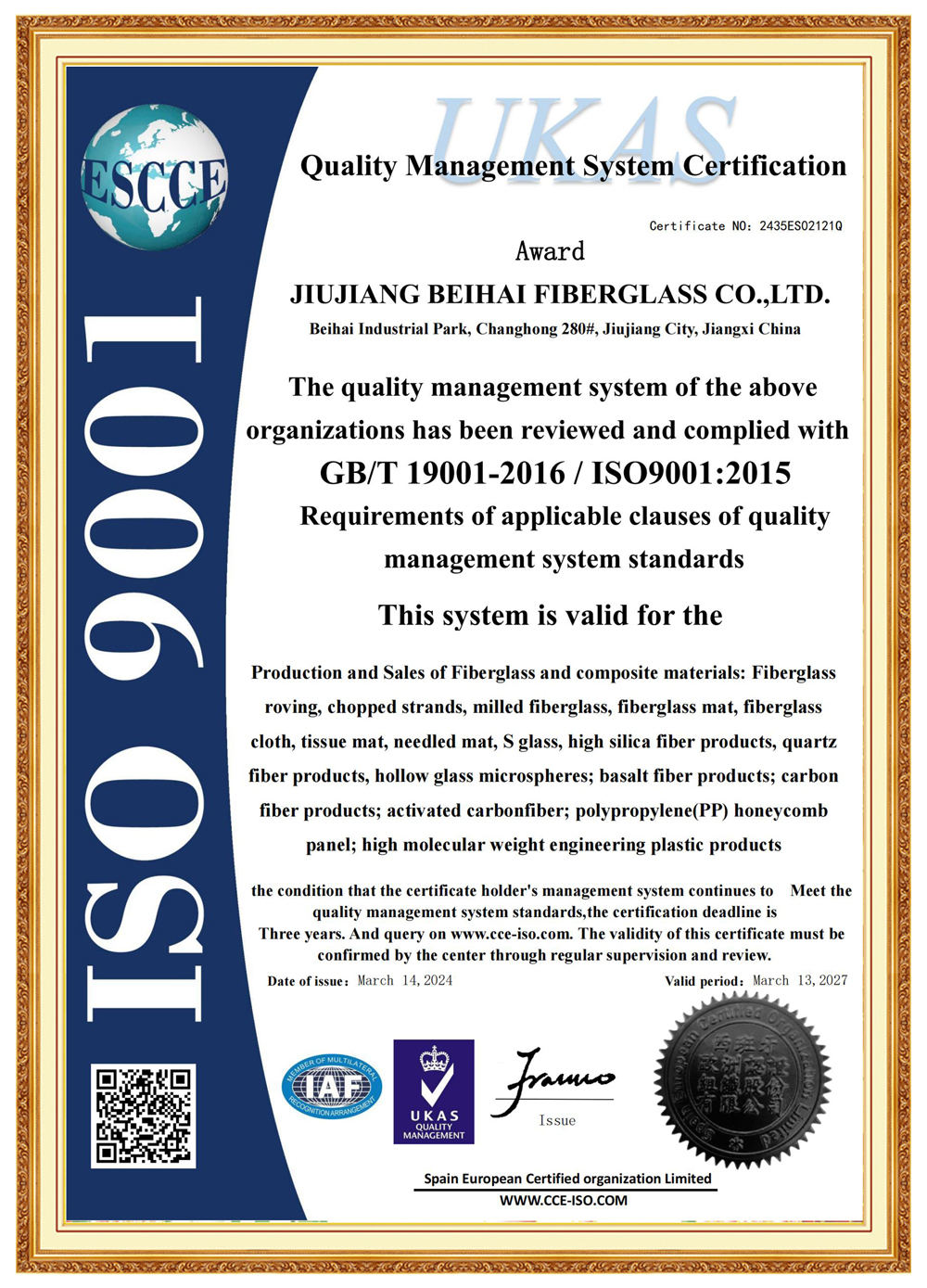
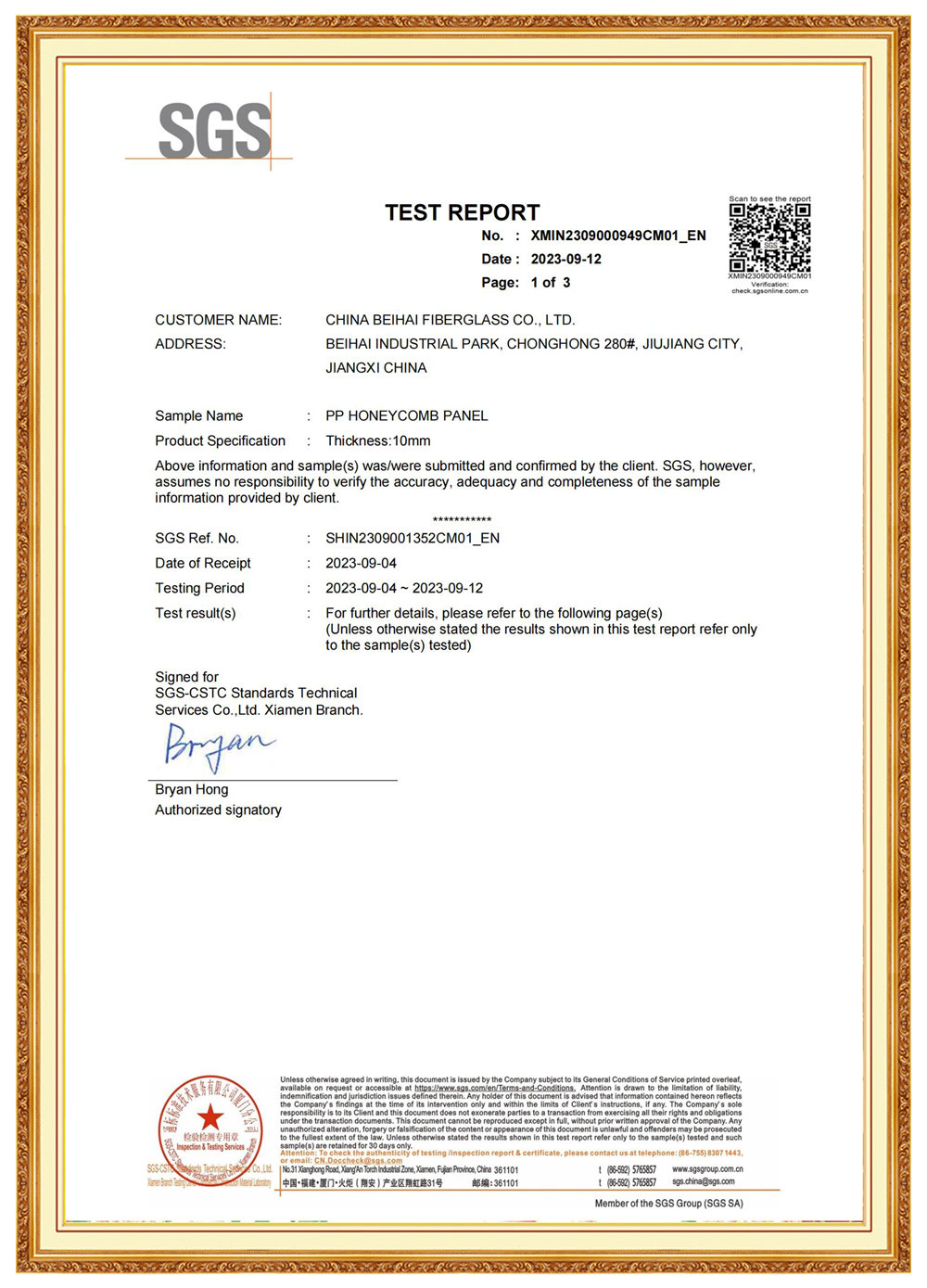
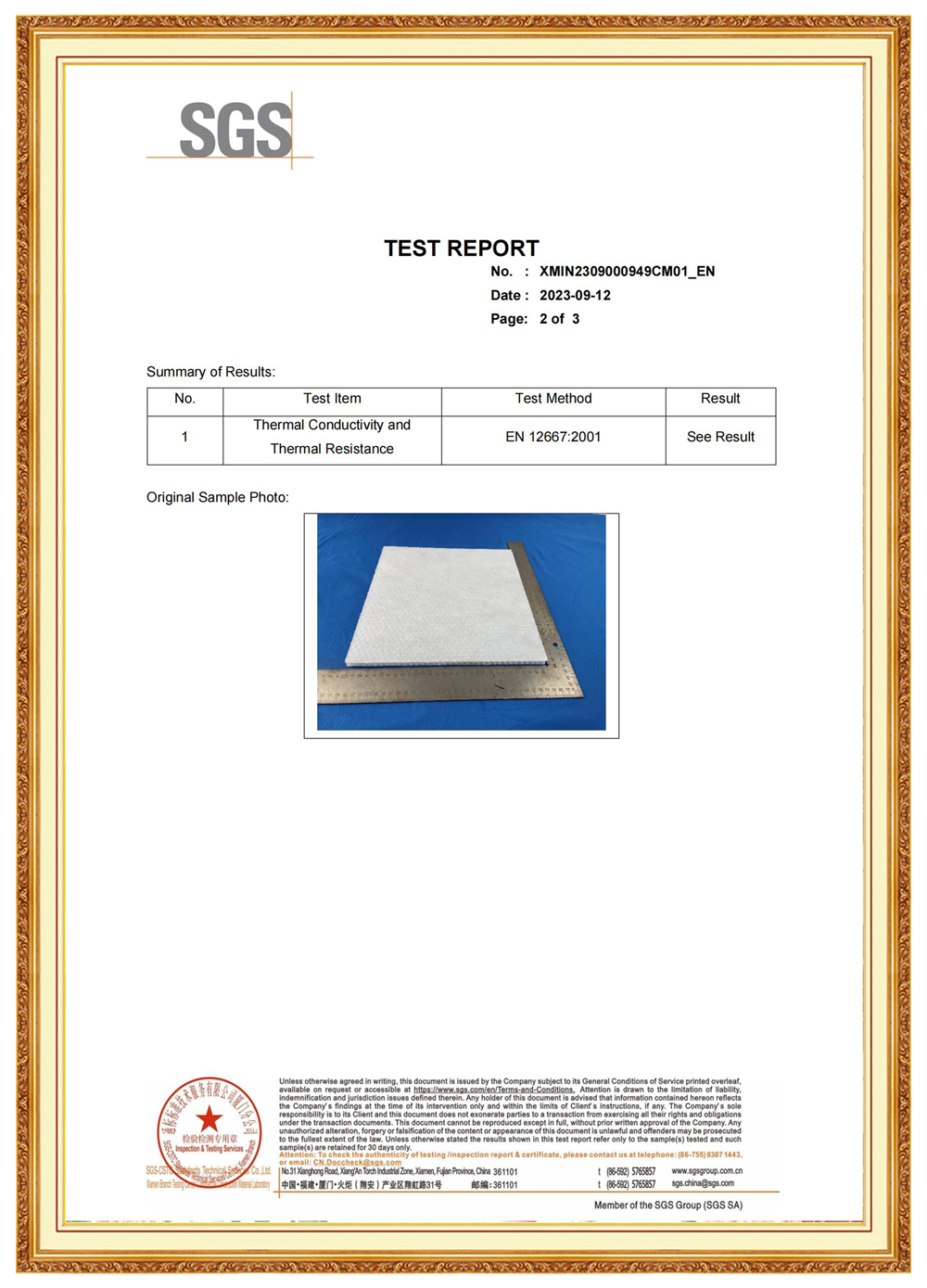
Critical engineering considerations, performance comparisons, and procurement guidance answered by China Beihai technical directors.
Basalt fiber cloth exhibits high thermal stability, preserving its structural integrity at continuous service temperatures up to 820°C, with short-term exposures surviving up to 1200°C. In contrast, fiberglass fabrics degrade rapidly above 350°C and reach a softening/melting phase at approximately 600°C. Additionally, basalt features superior chemical resistance, meaning it will not rot, rust, or degrade under alkaline exposure.
Yes. At China Beihai, we apply customized sizing configurations (including customized organosilane coupling formulations) to the basalt filaments immediately after melting and drawing. This chemical treatment improves the interface bonding with various matrix polymers, such as epoxy, phenolic, vinyl ester, and high-temp rubber compounds, adapting the fabric for specific end-use applications.
Basalt fiber cloth is manufactured using 100% natural basalt rock. The single-step melting process uses zero chemical additives or toxic substances during production, resulting in a low carbon footprint compared to carbon fiber or synthetic polymers. With a filament diameter range of 9 to 22 microns, it does not produce carcinogenic, respirable particulate dust, making it a safe alternative to ceramic and asbestos fibers.
As an ISO 9001:2015 certified manufacturer founded in 2015, we operate advanced smelting furnaces and automated fiber-drawing lines. We implement systematic testing at every production stage, from chemical screening of volcanic rock raw materials to mechanical testing of yarn spools and structural inspections of woven cloths. Each shipping batch is marked with traceable production tracking labels.
Absolutely. Basalt is naturally inert to salt water, high moisture, acids, and strong alkaline elements (maintaining chemical durability in a broad pH range of 3 to 12). This natural corrosion resistance makes it a highly durable reinforcement fabric for marine bulkheads, ship fire curtains, structural bridge pier covers, and coastal concrete geogrids.
For wrapping high-contour surfaces, sharp curves, or irregular industrial pipes, twill weave basalt cloth is highly recommended due to its diagonal interlacing pattern, which provides superior drapeability and flexibility. For flat applications requiring maximum dimensional stability and tensile strength, plain weave basalt fabric remains the industry standard.
Follow the latest innovations in high-performance continuous basalt fiber technology at China Beihai.
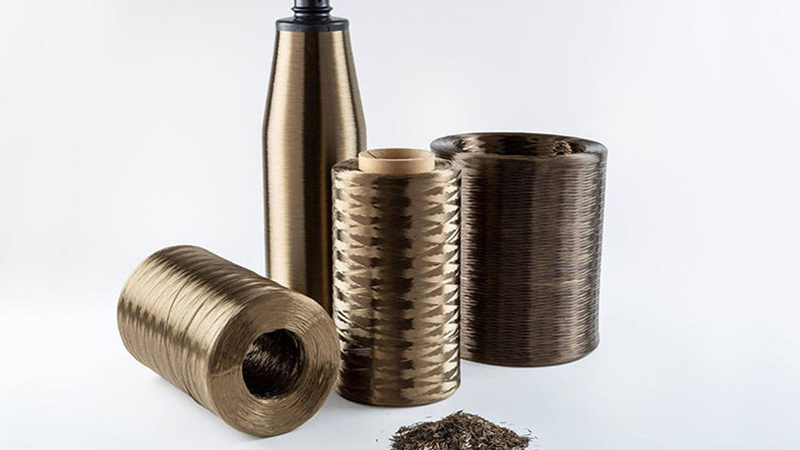
As drones slice through the sky to monitor wildfires and intelligent robots execute repetitive tasks with precision on the factory floor, the efficient operation of this smart equipment is often underpinned by a "hardcore support" of basalt fiber fireproof fabric systems. Discover how China Beihai is driving new product designs to improve structural heat shields and thermal performance for industrial applications.
Read the Full ArticleExplore our targeted basalt reinforcement and weaving solutions designed to secure structures under high thermal loads.
 Beihai Fiberglass