Explore our foundational structural composites engineered to meet high-strength, thermal protection, and anti-corrosion applications globally.
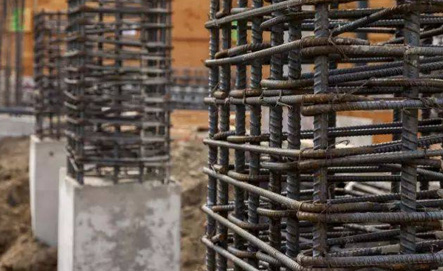
Modern global infrastructure is currently undergoing an unprecedented structural transition. For more than a century, steel-reinforced concrete has served as the backbone of global civil engineering. However, internal structural degradation driven by steel corrosion—catalyzed by chloride penetration, chemical exposure, carbonation, and atmospheric changes—remains the leading cause of premature structural failures. Annually, premature structural repairs incur hundreds of billions of dollars in maintenance expenses globally.
Basalt Fiber Reinforced Polymer (BFRP) rebar has emerged as a premium, high-strength solution designed to replace traditional black, epoxy-coated, and galvanized steel. Derived directly from continuous volcanic rock melting processing, basalt fiber represents a 100% natural, green, and chemically inert material with a low carbon footprint during synthesis.
Choosing BFRP rebar is an investment in durability. With a tensile strength up to three times that of traditional Grade 60 structural steel and a density just one-fourth of metal alternatives, basalt fiber composites improve transport efficiency, speed up on-site installation, and reduce the overall carbon footprint of large-scale infrastructure projects.
For civil engineering groups, port developers, heavy highway administrators, and municipal planning departments, using BFRP rebar provides a structural solution designed to last. It remains immune to rust, alkaline environments, acid attacks, electrical fields, and extreme temperature fluctuations. As a result, it helps extend the operational lifespan of concrete structures to more than a century with minimal maintenance requirements.
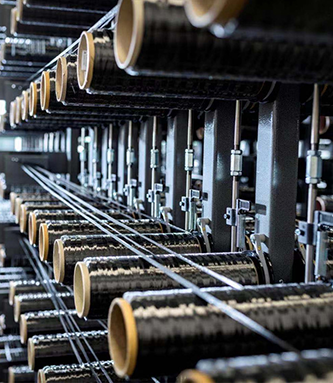
A trusted global leader in the research, development, continuous high-performance extrusion, and large-scale commercial supply of high-tensile basalt fiber products.

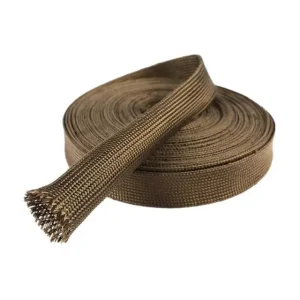
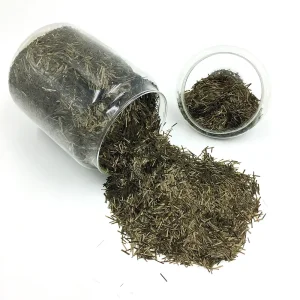
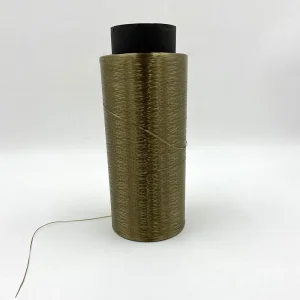
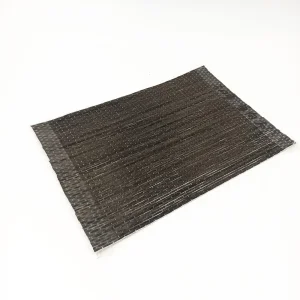
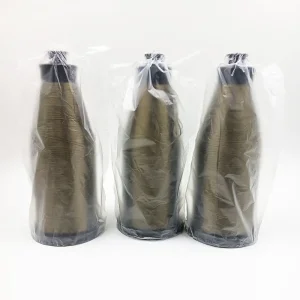
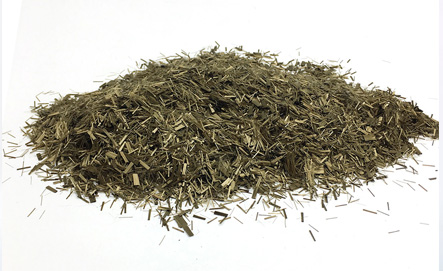
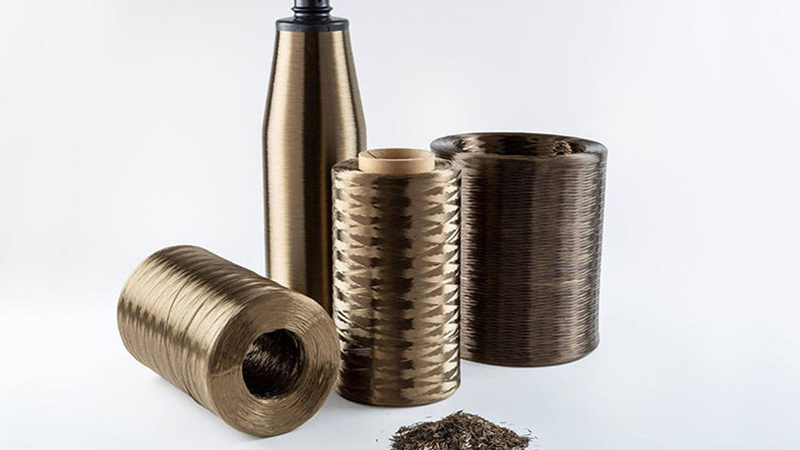
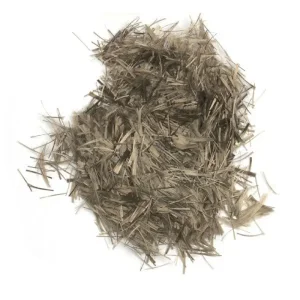
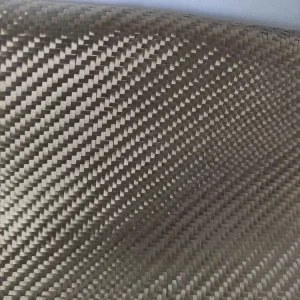
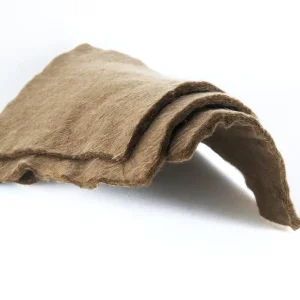
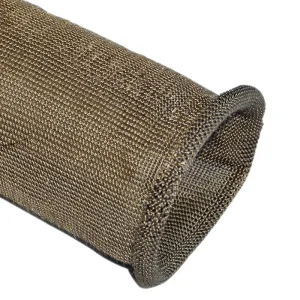
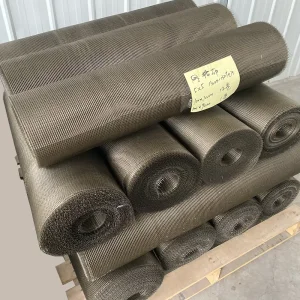
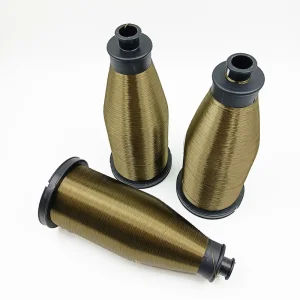
We specialize in manufacturing a comprehensive range of basalt-based products, including basalt fiber mat (chopped strand mats, unidirectional fabrics), basalt fiber roving, high-temperature insulated yarn, chopped strands, BFRP rebar (4mm-30mm), expandable braided sleeves, and specialized construction meshes.

Founded in 2015 and based in Jiujiang, Jiangxi Province, China Beihai operates high-capacity, precision-controlled basalt melting furnaces. We deliver high-quality, sustainable structural engineering products used in bridge construction, marine infrastructure, geotechnical stability, aerospace components, and automotive manufacturing.

Partnering with China Beihai ensures access to premium continuous basalt fiber products supported by strict quality assurance protocols, global supply chain capabilities, ISO certifications, and experienced engineers ready to help optimize your structural designs.
A comprehensive overview of mechanical properties, environmental resistance, and economic benefits over project lifecycles.
| Performance Metrics | Continuous BFRP Rebar (China Beihai) | Traditional Grade 60 Carbon Steel | Stainless Steel Rebar | Epoxy-Coated Carbon Steel |
|---|---|---|---|---|
| Tensile Strength (MPa) | 1,100 – 1,350 MPa | 415 – 550 MPa | 550 – 700 MPa | 415 – 550 MPa |
| Tensile Modulus (GPa) | 45 – 55 GPa | 200 GPa | 190 GPa | 200 GPa |
| Density (g/cm³) | 1.9 – 2.1 g/cm³ (Lightweight) | 7.85 g/cm³ (Heavy) | 7.85 g/cm³ (Heavy) | 7.90 g/cm³ (Heavy) |
| Corrosion Resistance | 100% Inert (Acid, Base, Salt, Chloride) | Very Low (Highly susceptible to rust) | High (Except in high-salinity zones) | Moderate (Fails if coating is chipped) |
| Thermal Conductivity | 0.35 W/m·K (Thermal Insulator) | 50 - 60 W/m·K (Thermal Bridge) | 15 W/m·K (High Transfer) | 48 W/m·K (High Transfer) |
| Electrical Conductivity | Non-conductive (Dielectric) | Highly Conductive | Highly Conductive | Conductive |
| Operational Lifespan | 100+ Years (Zero Maintenance) | 15 - 30 Years (Depending on exposure) | 75+ Years (High Initial Capital) | 20 - 40 Years (Requires monitoring) |
Tensile Strength (MPa)
Weight of Traditional Steel
Rust & Alkali Proof
Design Life (Years)
Explore the physical structures, dimensions, and material compositions of our specialized basalt product lines.
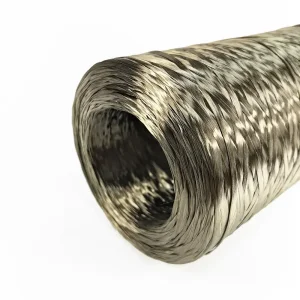
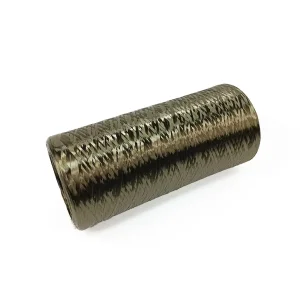
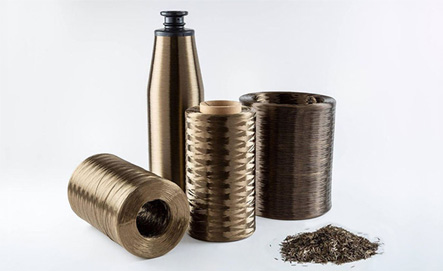
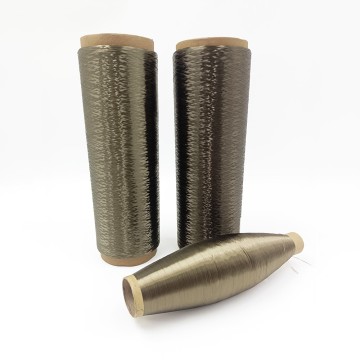
Basalt Fiber Roving is processed from natural basalt stone melted at temperatures reaching 1450°C. It offers outstanding mechanical properties, making it an excellent reinforcing component for concrete, geological grids, structural pultrusion, and wound pipe systems.
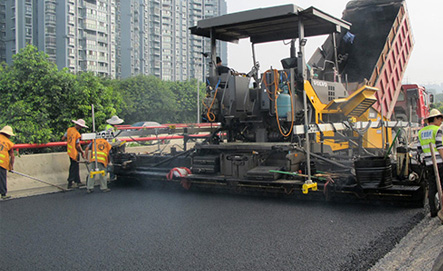
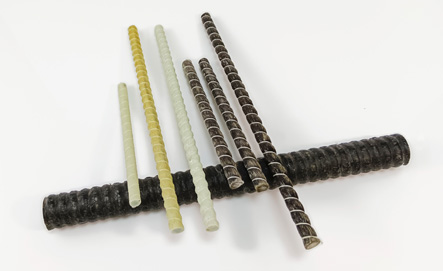
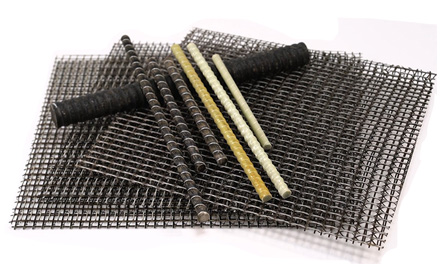
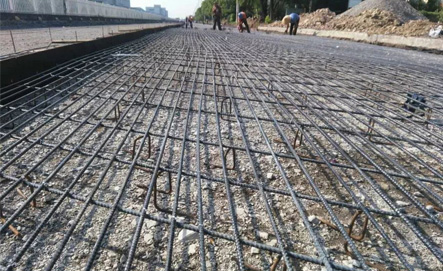
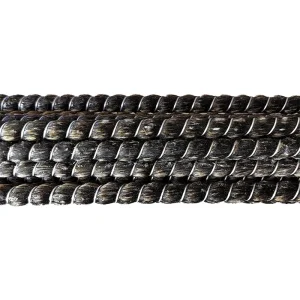
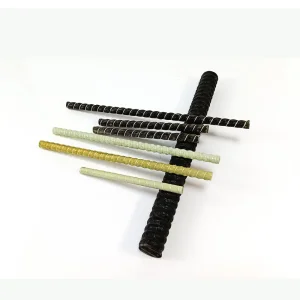
Specifically designed as a non-corrosive alternative to steel reinforcement, China Beihai's basalt fiber rebar is processed via custom thermal pultrusion with a sand-coated surface or continuous helical ribs, ensuring excellent concrete bond strength (compliant with ASTM D7913 requirements).
Explore our trending, highly-rated structural reinforcement materials utilized globally in construction and infrastructure.
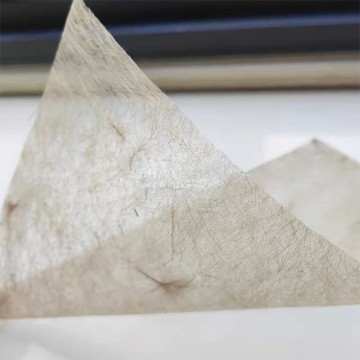
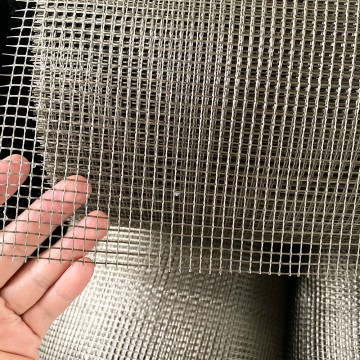
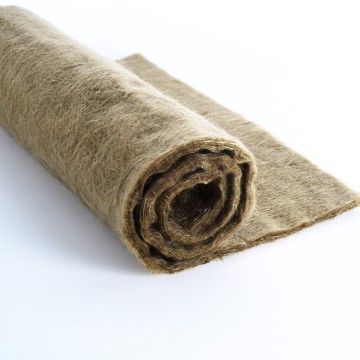
From building construction and heavy infrastructure to high-tech aerospace systems, discover where our basalt fiber materials are making an impact.

Our basalt products provide robust structural support, concrete crack control, and durability in residential and commercial developments.

In aerospace structures, lightweight and high-tensile basalt fibers are ideal for manufacturing aircraft secondary structures, interior paneling, and engine bays.

Used in spacecraft shells, thermal protection systems, and high-temperature insulation for components exposed to extreme operational environments.

Adding basalt fibers to concrete mixtures improves tensile strength, crack resistance, chemical durability, and long-term mechanical reliability.

Supports modern lightweight vehicle designs, helping manufacture interior panels, engine covers, brake linings, and exhaust insulation.

Protects critical concrete bridge abutments and columns from vehicle collisions, marine splash zone corrosion, and environmental degradation.

Highly resistant to chemical attack, acidic environments, and sour gases, making it ideal for reinforcing industrial storage tanks and underground pipelines.

Designed for structures continually exposed to saltwater, such as seawalls, floating drydocks, and coastal retaining structures.
A technical guide to standard installation procedures, handling instructions, and safety protocols for engineering teams.
BFRP rebar requires careful handling on-site to preserve its mechanical integrity. Because it has a lower density than steel (approx. 2.0 g/cm³), installers can easily carry multiple bars by hand, helping reduce crane requirements and structural setup costs. However, workers should observe the following guidelines:
Unlike carbon steel, which can be cut with traditional gas torches, BFRP rebar must be cut using mechanical tools:
Cutting Recommendations: Use high-speed diamond abrasive wheels or carbide saw blades. Never use thermal torches, oxy-fuel cutters, or high-temperature plasma tools. Excessive heat can degrade the polymer matrix and weaken the structural joint.
Workers should wear appropriate personal protective equipment (safety goggles, dust masks, and protective gloves) to prevent physical irritation from airborne fiberglass/basalt dust during cutting.
Because BFRP rebar cannot be field-bent or re-formed once the polymer matrix has cured, all structural bends (such as 90-degree corner bars or structural stirrups) must be pre-ordered from China Beihai during the project design phase. When tying and assembling reinforcement cages:
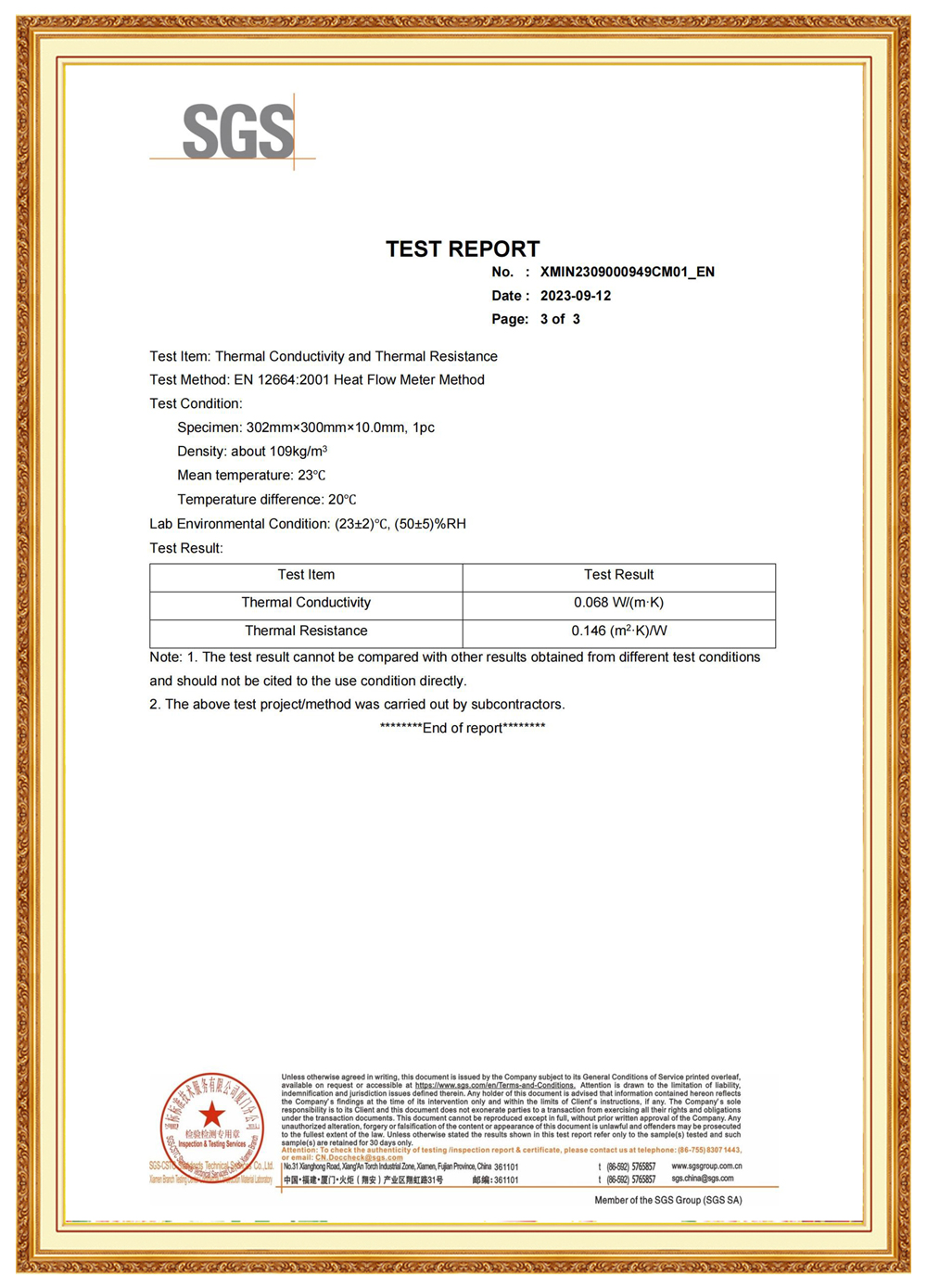
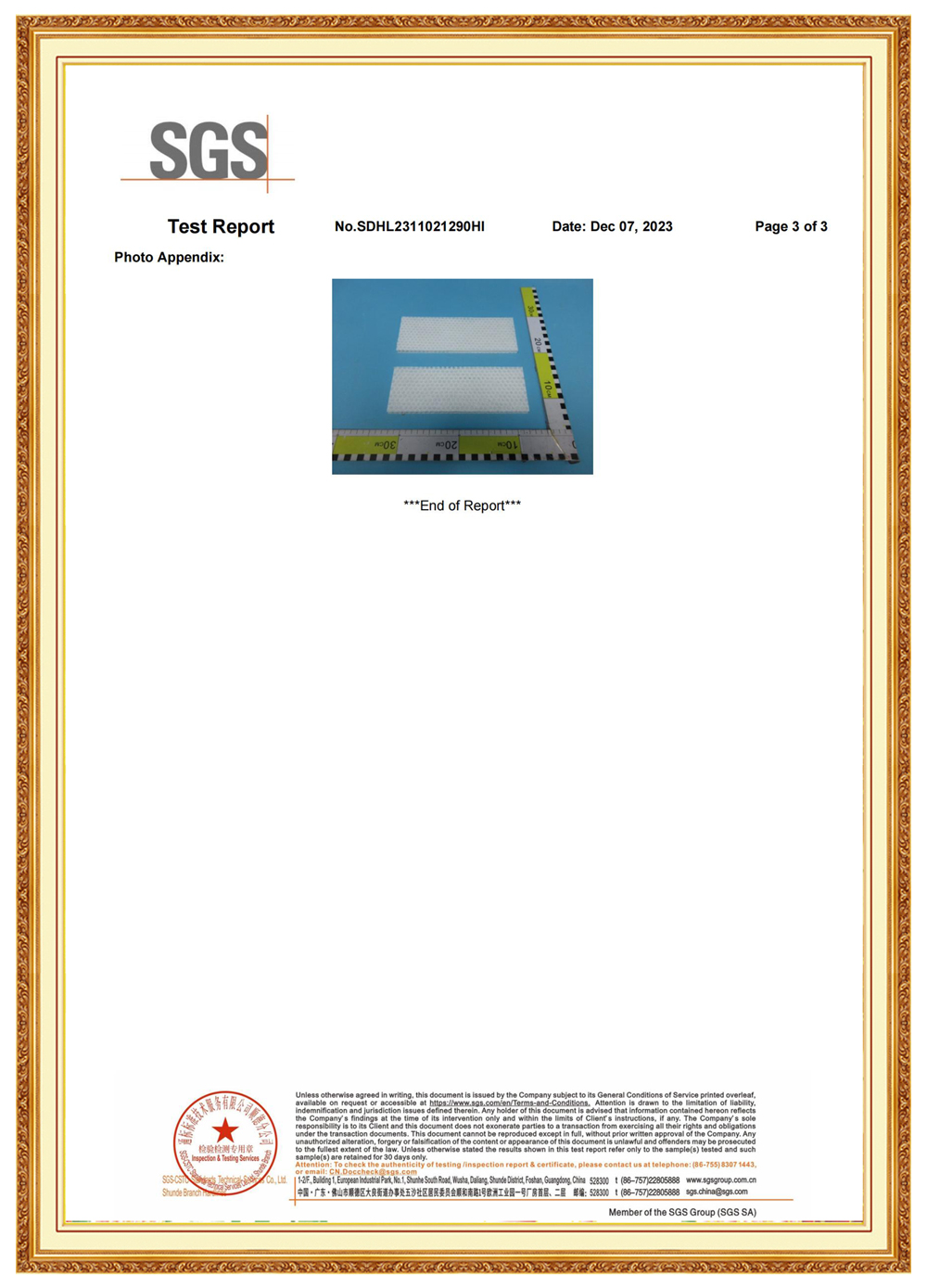
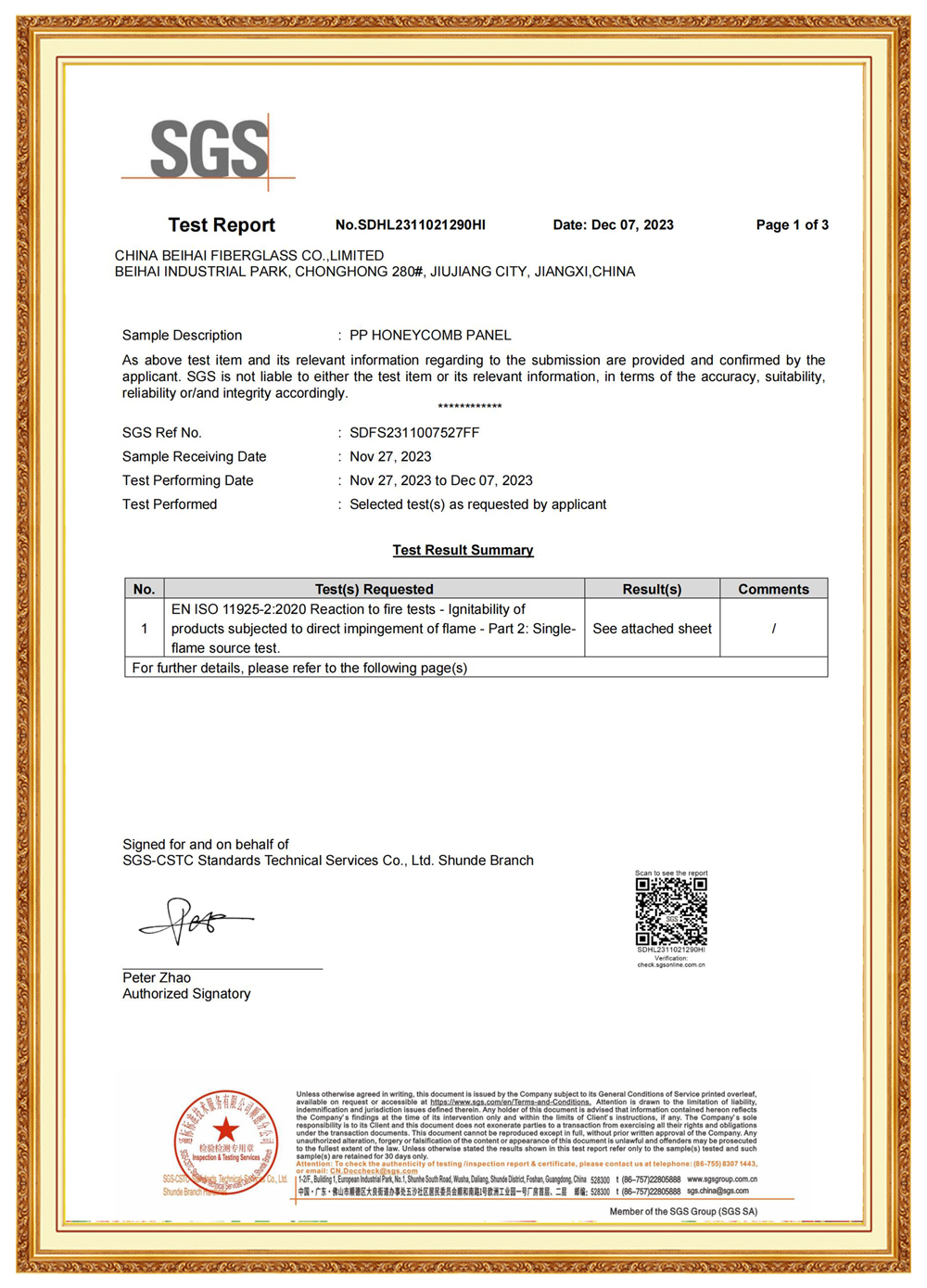
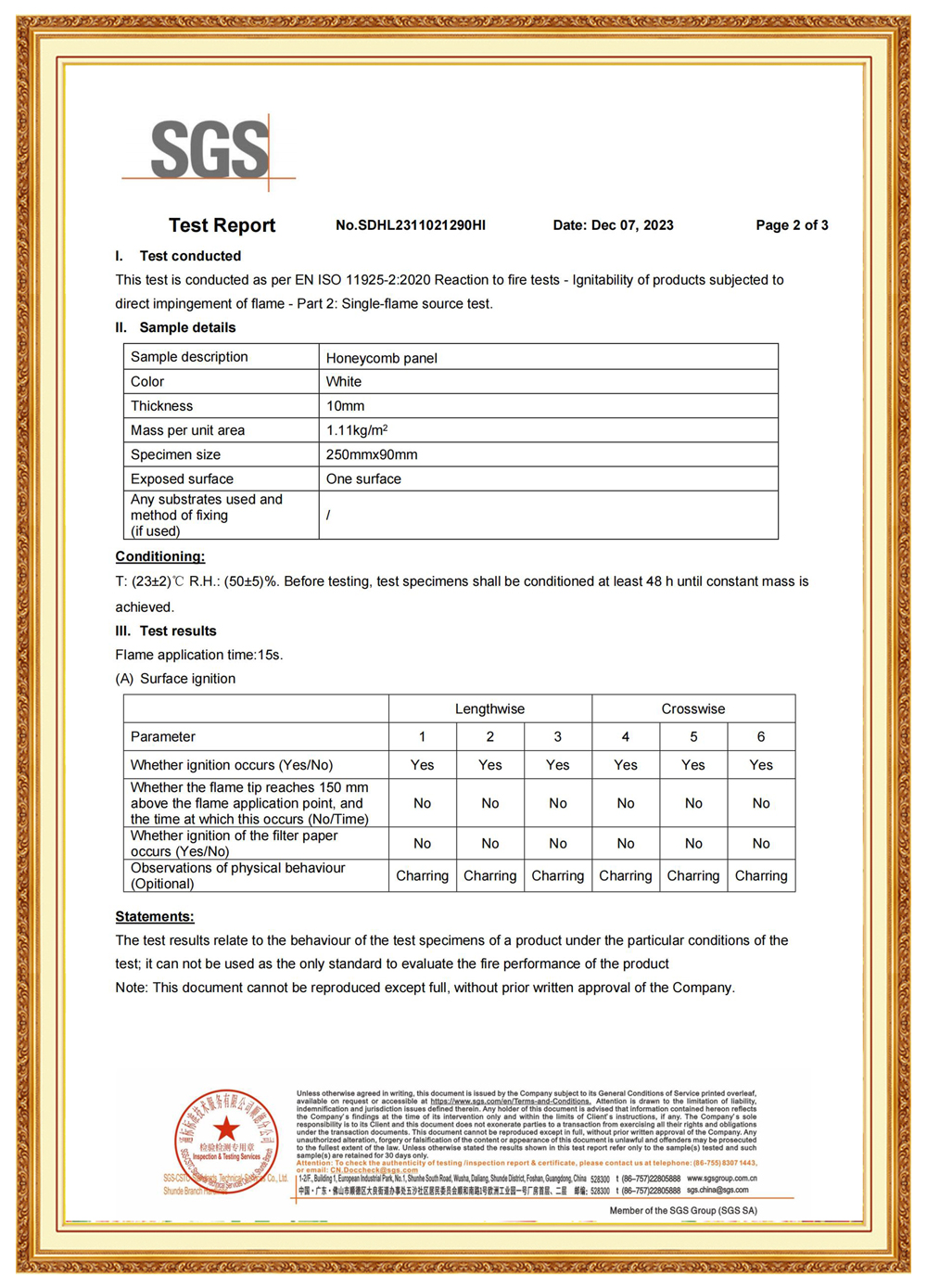
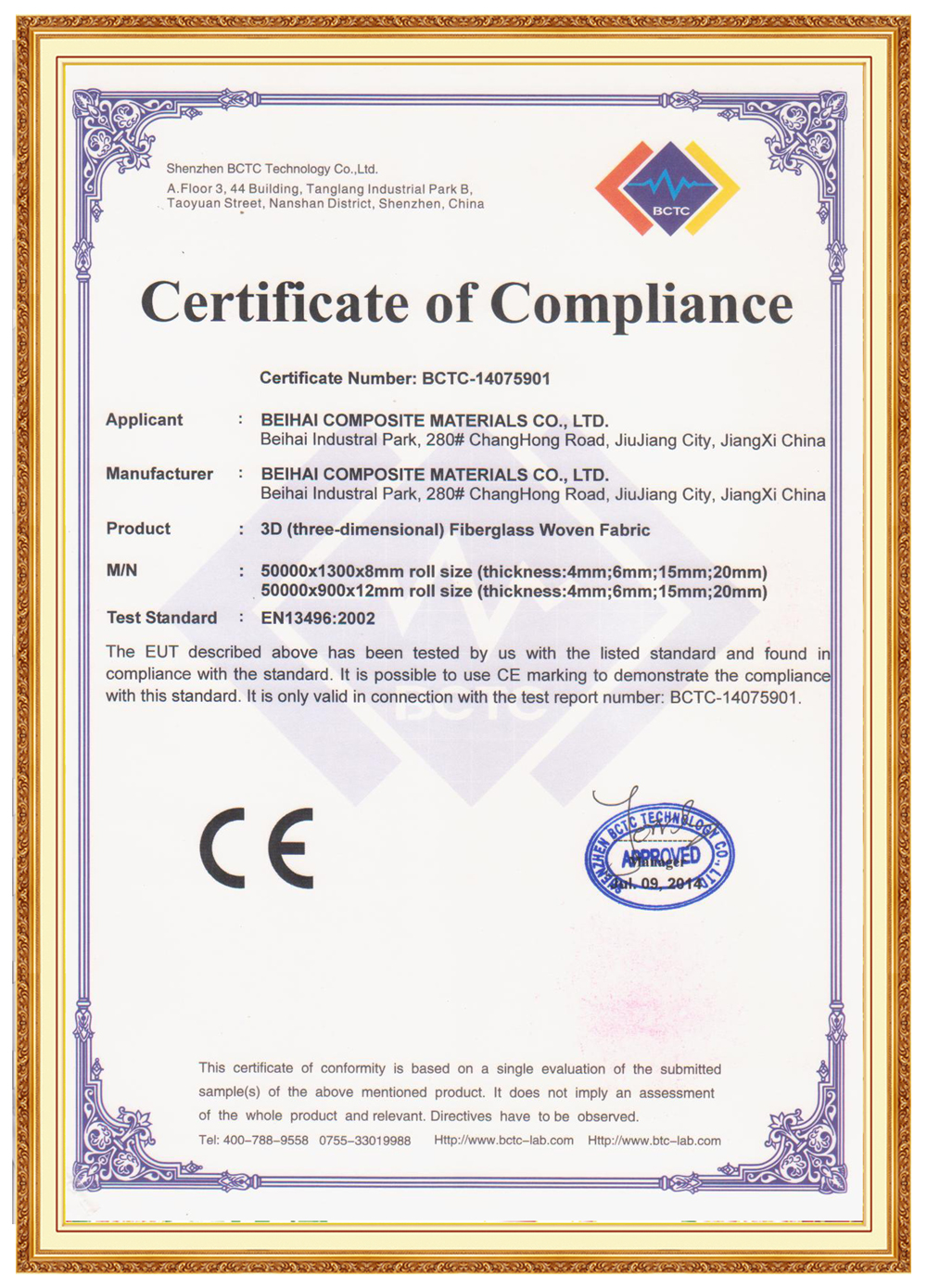
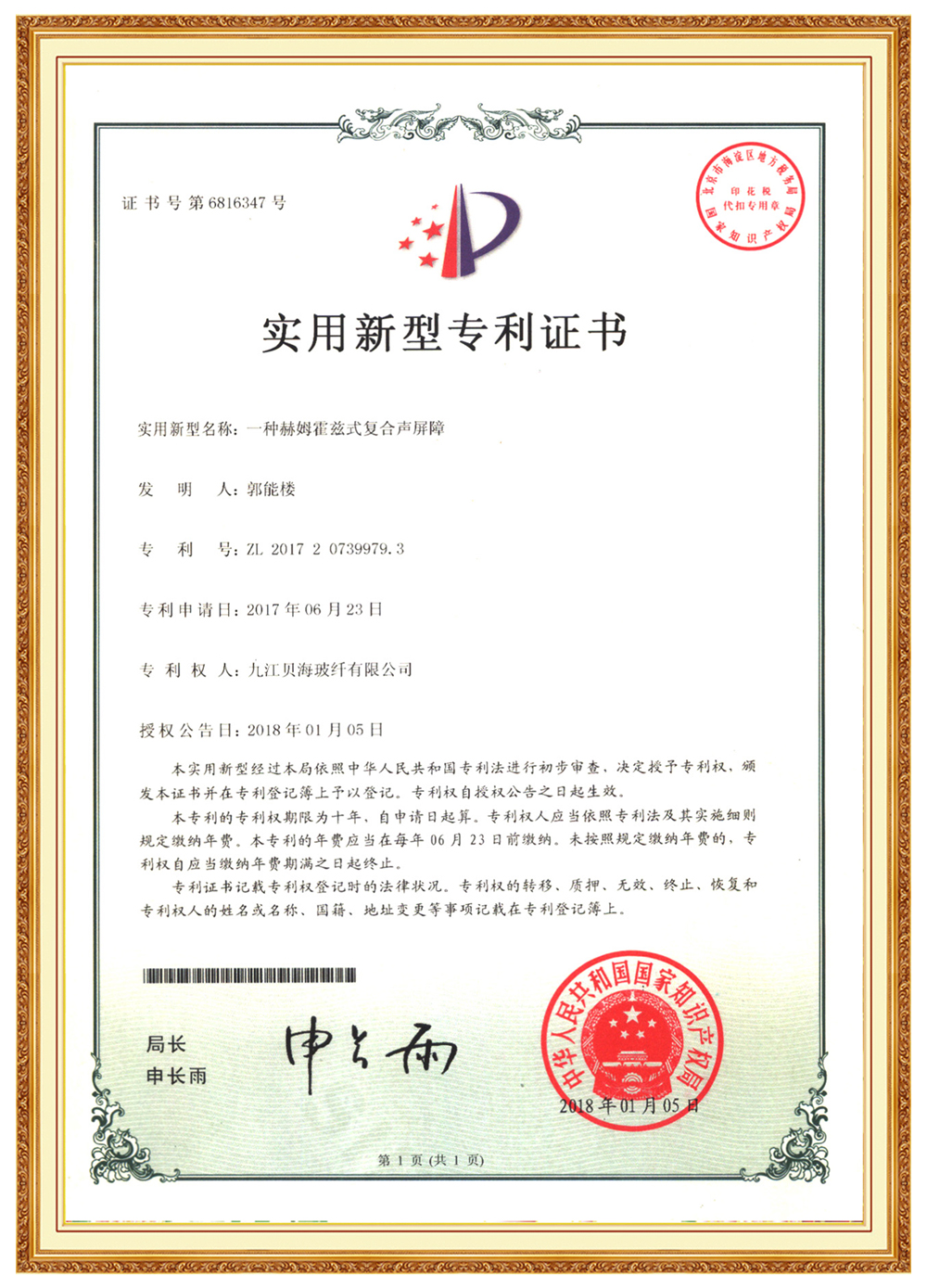
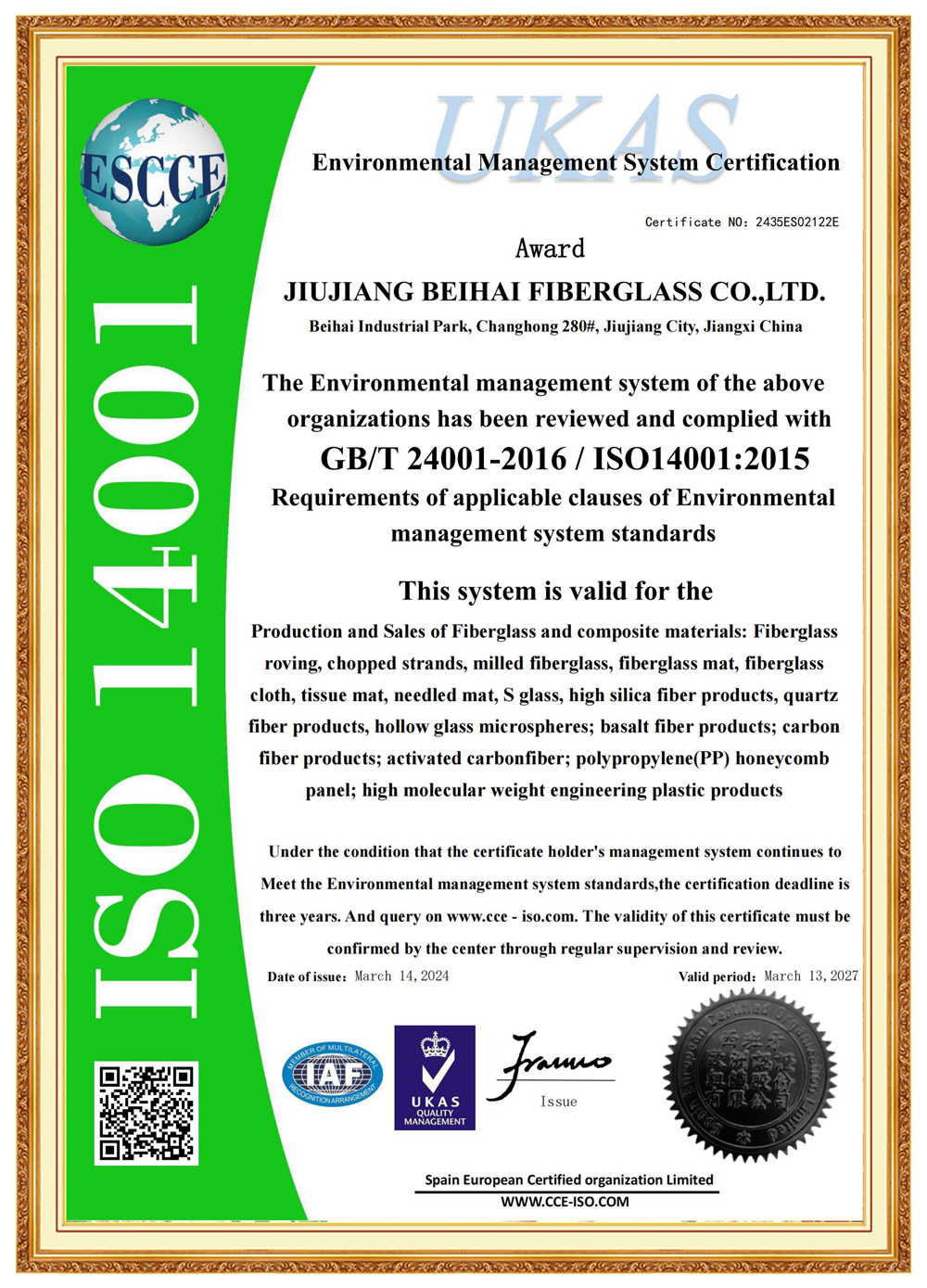
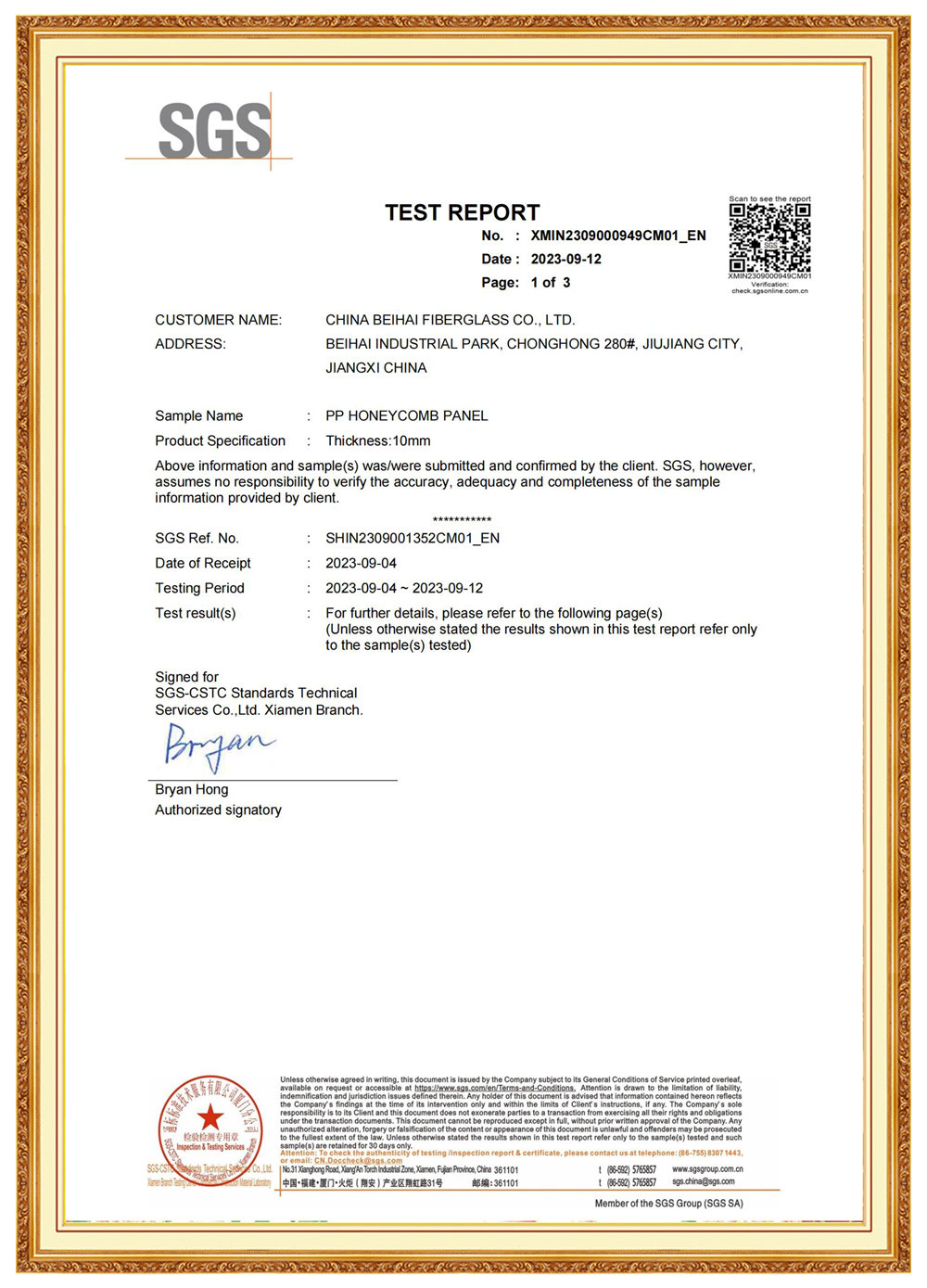
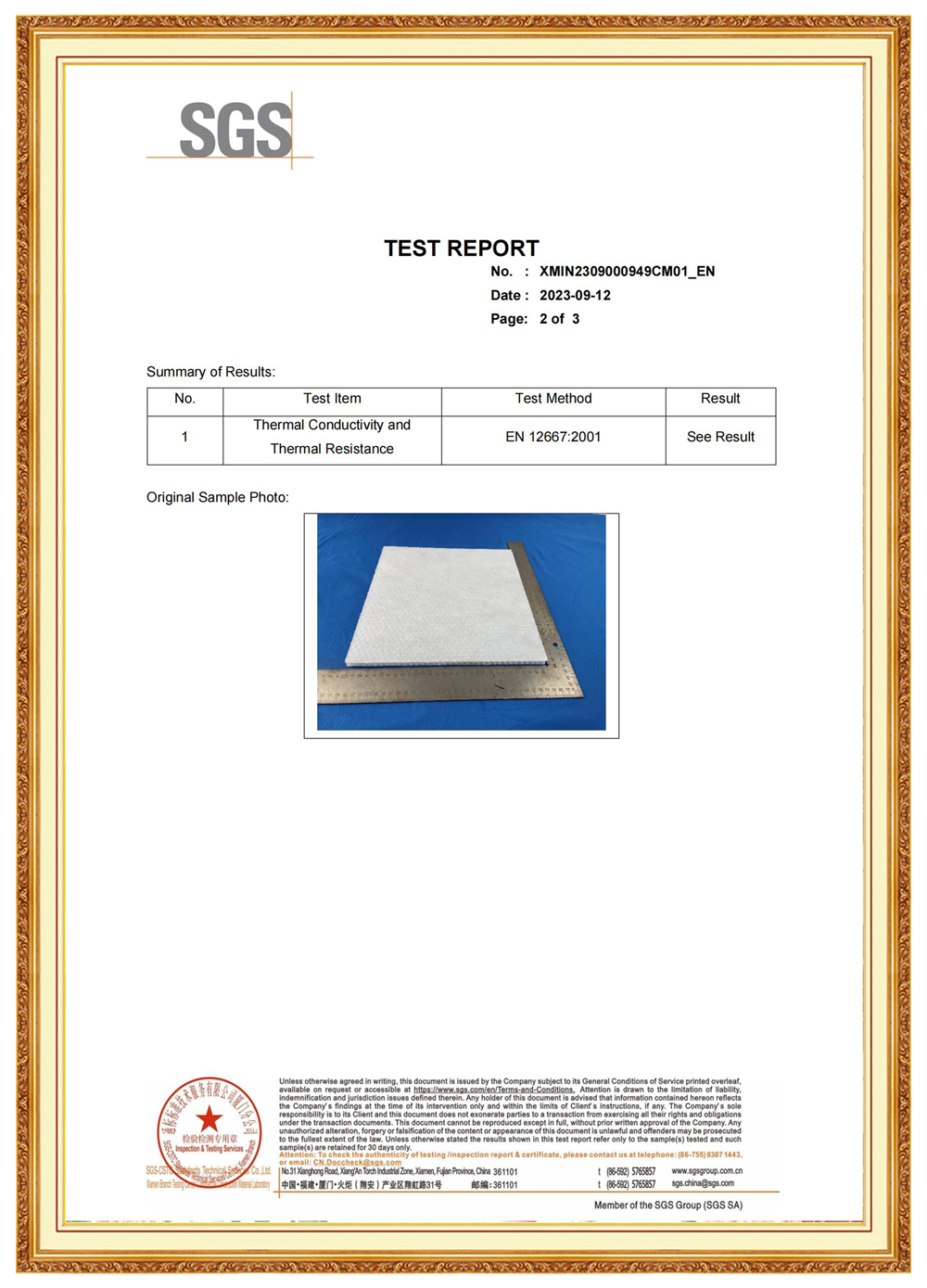
China Beihai products are tested and certified to comply with international construction and quality control standards.

A detailed business analysis of industrial supply chains, cost dynamics, and the benefits of sourcing from China Beihai.
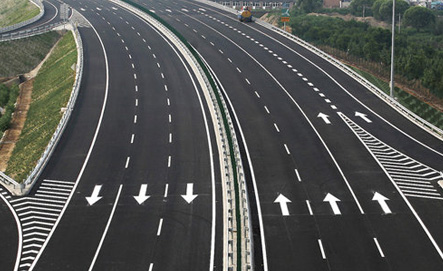
The global demand for non-corrosive construction materials continues to grow. As public and private infrastructure spending shifts toward long-term lifecycle value, materials like BFRP rebar are replacing traditional steel in demanding environments. This is particularly evident in bridge decks, marine seawalls, desalination facilities, highway toll booths, and wastewater treatment plants.
Additionally, the rising focus on carbon reduction in building codes (such as LEED certification and regional environmental targets) is driving interest in green structural materials. Standard carbon steel production is highly energy-intensive and produces significant CO2 emissions. In contrast, basalt fiber is manufactured through a direct-melt process using natural volcanic stone, without requiring chemical additives, reducing carbon emissions by up to 60% compared to traditional steel production.
Sourcing basalt fiber products from Chinese factories, such as China Beihai, offers several key advantages for international procurement teams:
While the initial purchase cost of BFRP rebar can sometimes be higher than standard black steel, it offers significant long-term economic advantages when evaluating the **Total Cost of Ownership (TCO)**:
Lifecycle Cost Benefits: A traditional steel-reinforced bridge deck in a high-salinity marine environment often requires extensive repairs within 15 to 20 years. Using non-corrosive BFRP rebar eliminates the need for expensive cathodic protection systems, sacrificial anodes, and epoxy coatings, providing a maintenance-free design life of over 100 years.
Got questions about engineering specifications, thermal performance, or shipping logistics? Find answers here.
Keep up with the latest technological developments, material certifications, and research insights from China Beihai.

From infrastructure projects to aerospace systems, continuous basalt fiber is driving a shift in industrial materials design. Recent testing of our composite reinforcement products shows excellent performance in extreme temperatures and harsh environments, helping structural engineers achieve long-term durability and safety.
As advanced robotics and automation expand in modern manufacturing, lightweight components like basalt composites provide the high strength-to-weight ratio and chemical resistance needed to support heavy-duty operations.
Ready to optimize your project with high-performance basalt fiber composites? Contact the engineering and sales team at China Beihai. We can assist with design adjustments, custom diameter requirements, and detailed pricing proposals tailored to your delivery schedule.
Request Technical Consultation
Explore our targeted product range designed for thermal insulation, fire protection, and heavy civil construction applications.
 Beihai Fiberglass