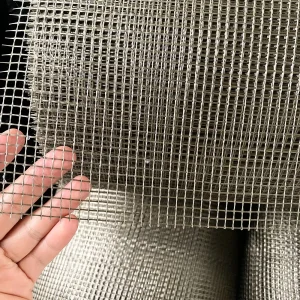
Explore our primary structural reinforcements, tailored insulating mats, and alkali-resistant meshes constructed directly from volcanic basalt melts.
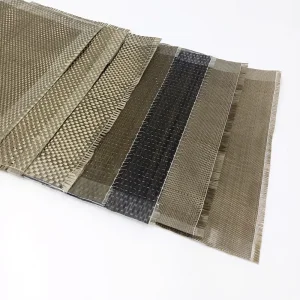
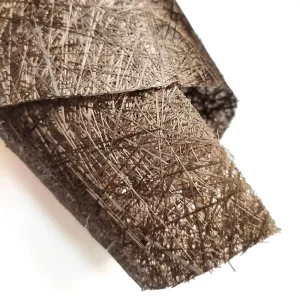
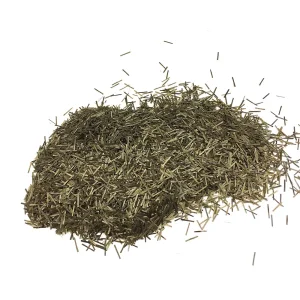
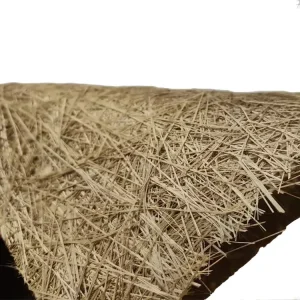
Founded in 2015 and strategically headquartered in Jiujiang, Jiangxi Province, China Beihai is a designated state-level high-tech enterprise dedicated to the research, development, continuous extraction manufacturing, and global commercialization of high-performance basalt continuous fibers. Our manufacturing plant is globally recognized for driving breakthroughs in single-constituent volcanic glass processing and furnace scaling.
By utilizing local premium basalt ores containing rich, stable concentrations of iron oxides, alumina, and silica, we specialize in high-efficiency melt-furnace systems that produce fibers with extraordinary chemical resistance and thermal integrity. We run fully integrated lines from geological ore selection directly to finished composite goods, establishing an unbroken line of quality control and high-volume consistency for clients spanning 5 continents.
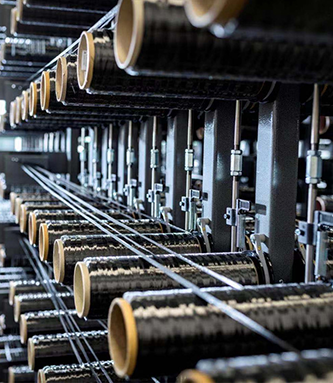
Our systematic integration, from proprietary geological excavation to advanced polymer chemistry, delivers unmatched material performance.
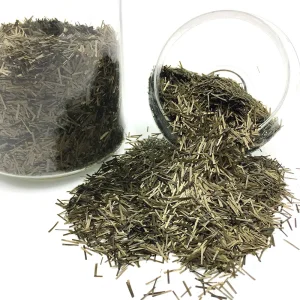
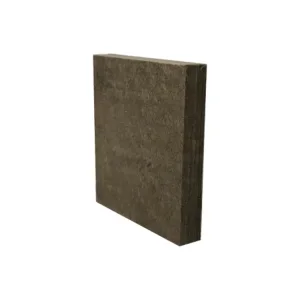
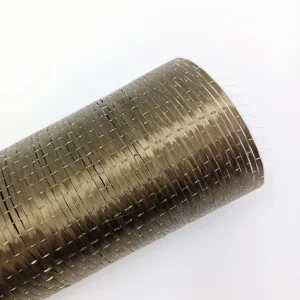
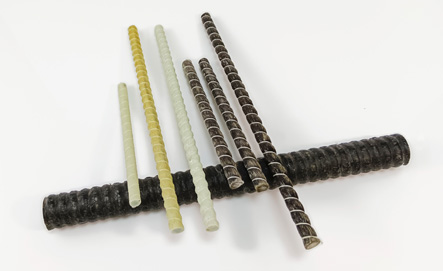
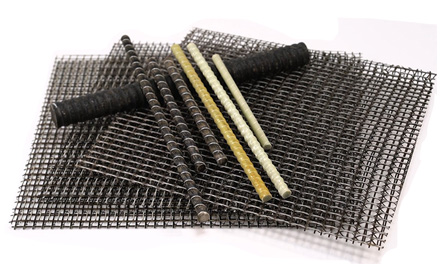
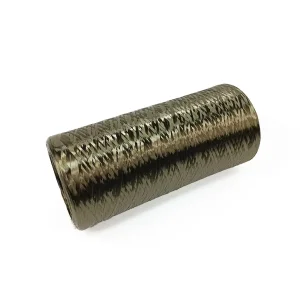
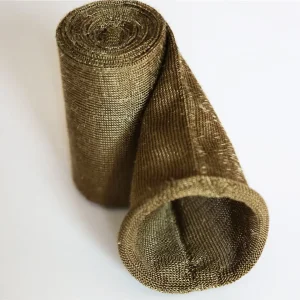
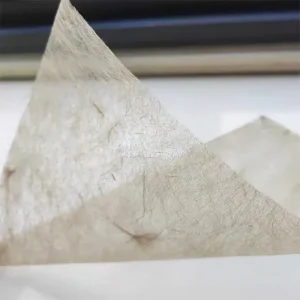
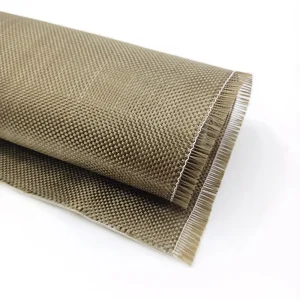
We manufacture a comprehensive spectrum of basalt fiber solutions, including high-density chopped strand mats, high-temperature woven cloths, direct rovings, twisted electronic-grade yarns, high-strength basalt rebars, and highly chemical-resistant protective sleeves or tapes.
We process raw volcanic ores at high temperatures, drawing them into micro-filaments (9-22 microns) with proprietary sizing agents. These filaments are processed into engineering products tailored to civil construction, geotechnical reinforcement, defense shielding, and high-temp filtration.
Partnering with China Beihai means direct manufacturer access, guaranteed chemical uniformity, international certifications (CE, ISO, REACH), and competitive pricing structures. Our on-site R&D center offers custom sizing and fiber diameter tuning.
Continuous Basalt Fiber (CBF) represents a critical paradigm shift in structural engineering, composite manufacturing, and thermal shielding. As a single-component inorganic fiber produced by melting selected natural volcanic basalt rock at temperatures exceeding 1450°C, CBF offers a zero-waste, eco-friendly lifecycle while exceeding E-glass and approaching carbon fiber in mechanical load performance.
While basalt rock is geologically abundant, not all basalt structures are chemically suitable for continuous fiber extrusion. The raw material must satisfy precise concentrations of silica ($SiO_2$ between 46-52%), alumina ($Al_2O_3$ > 14%), and iron oxides ($Fe_2O_3$ and $FeO$ combined at 9-14%) to maintain fluid viscosity during extrusion without localized crystallization.
China Beihai maintains proprietary access to optimized volcanic deposits in East Asia, verifying chemical continuity via X-ray fluorescence (XRF) spectrography. This raw material consistency directly influences the fiber tensile strength, ensuring that each direct roving package conforms to the strict requirements of Aerospace and Marine engineering applications.
Basalt fibers present a highly efficient reinforcement solution for engineering projects, structural panels, marine breakwaters, and transport hulls. Their low thermal conductivity, high dielectric strength, and minimal weight optimize composite performance under challenging service conditions.
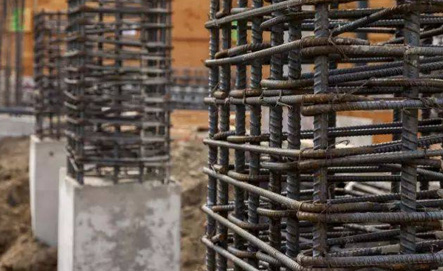
An ideal alternative to traditional steel bars, basalt rebar provides high corrosion resistance and high tensile strength at 1/4 the weight of steel. It is non-corrosive, non-conductive, and chemically inert, making it ideal for marine environments, highway bridge decks, sea walls, and MRI rooms.
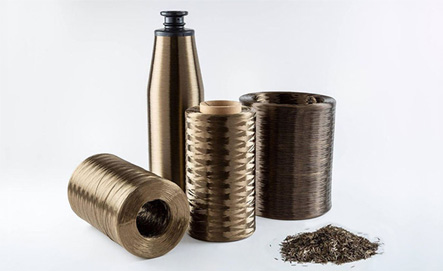
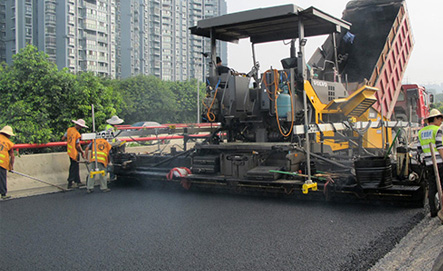
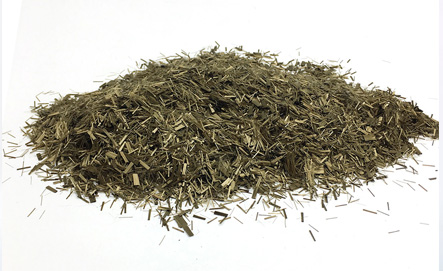

Our high-performance basalt fibers are utilized across modern industrial sectors, offering superior strength, low weight, and high chemical resistance.
Adding chopped basalt strands directly into architectural mixes controls shrinkage, increases early-stage tensile load limit, and blocks micro-crack expansion in industrial slab installations.
Provides superior sound damping, structural floor panel matrices, and interior engine cowling insulation. Resists moisture absorption and limits weight compared to standard materials.
Utilized in multi-layer rocket heat shields, nozzle cones, and atmospheric re-entry thermal wraps, managing thermal radiation profiles in harsh environments.
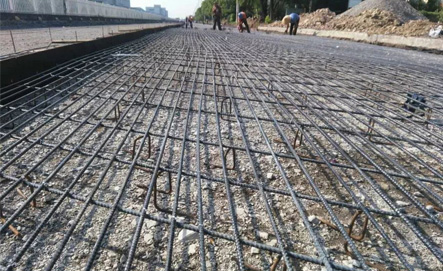
Basalt rebar reinforces marine structures, bridge decks, and highway pavements. Its non-corrosive properties eliminate concrete spalling and rust staining.
Used in high-temperature exhaust heat shields, engine undercover panels, brake pad linings, and bumpers, enhancing vehicle safety and weight reduction.
Used in heavy-duty basalt wrapping jackets to shield underwater support structures from vehicle collision shocks, dynamic sea swell cycles, and aggressive chloride attack.
Highly resistant to sulfuric acid, ammonia, and high-pressure steam. Used in subterranean composite pipe casing, tank linings, and chemical transport tubes.
Ideal for ship hulls, ocean platform linings, and deep-sea components due to its resistance to saltwater corrosion and marine organisms.
To serve industrial projects in Europe, North America, and the Asia-Pacific region, China Beihai maintains strict alignment with international structural test methodologies. Every batch of basalt fiber direct roving, geotextile mesh, and chopped strand mat is fully traceable to its geological furnace melt run.
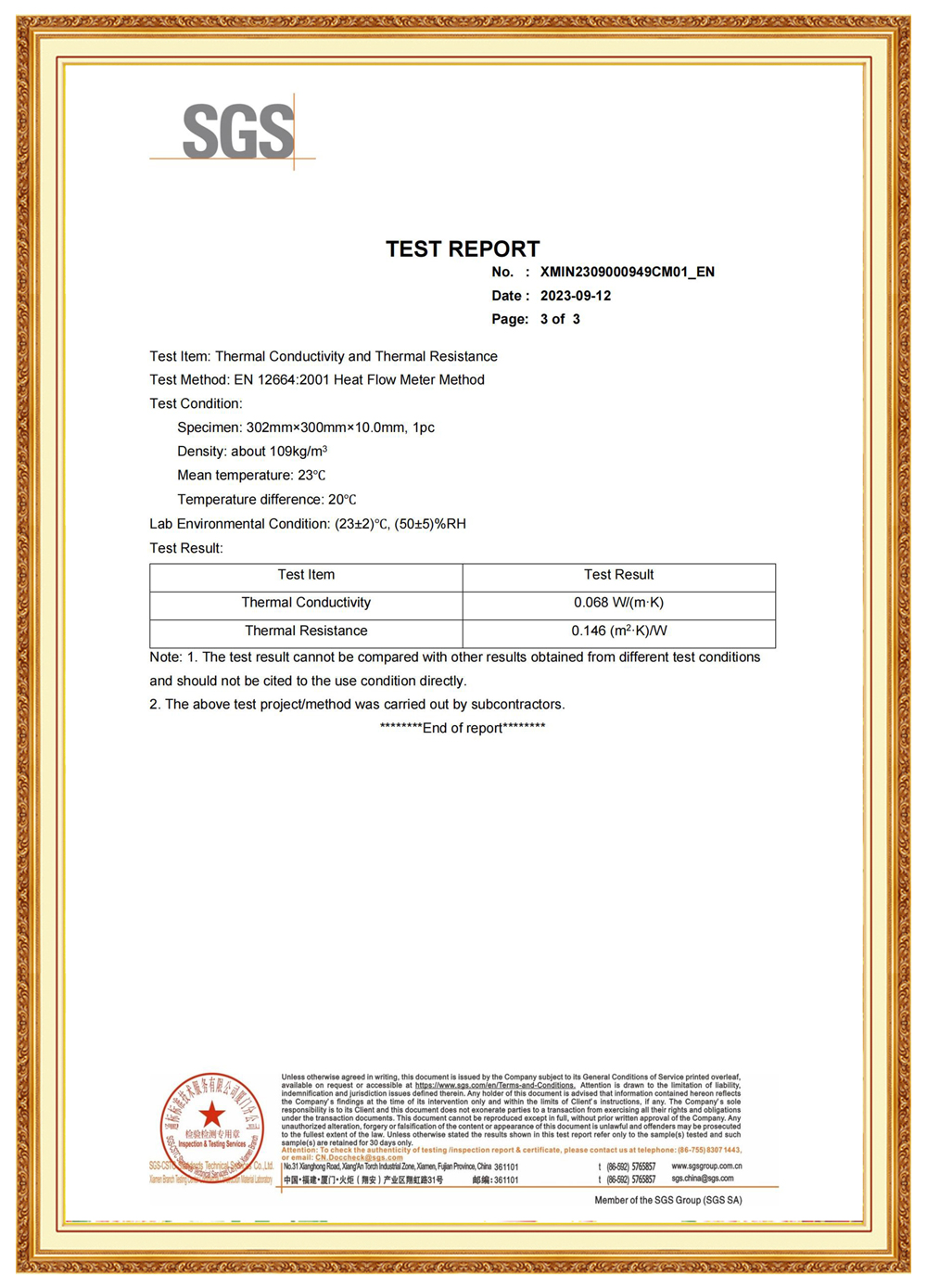
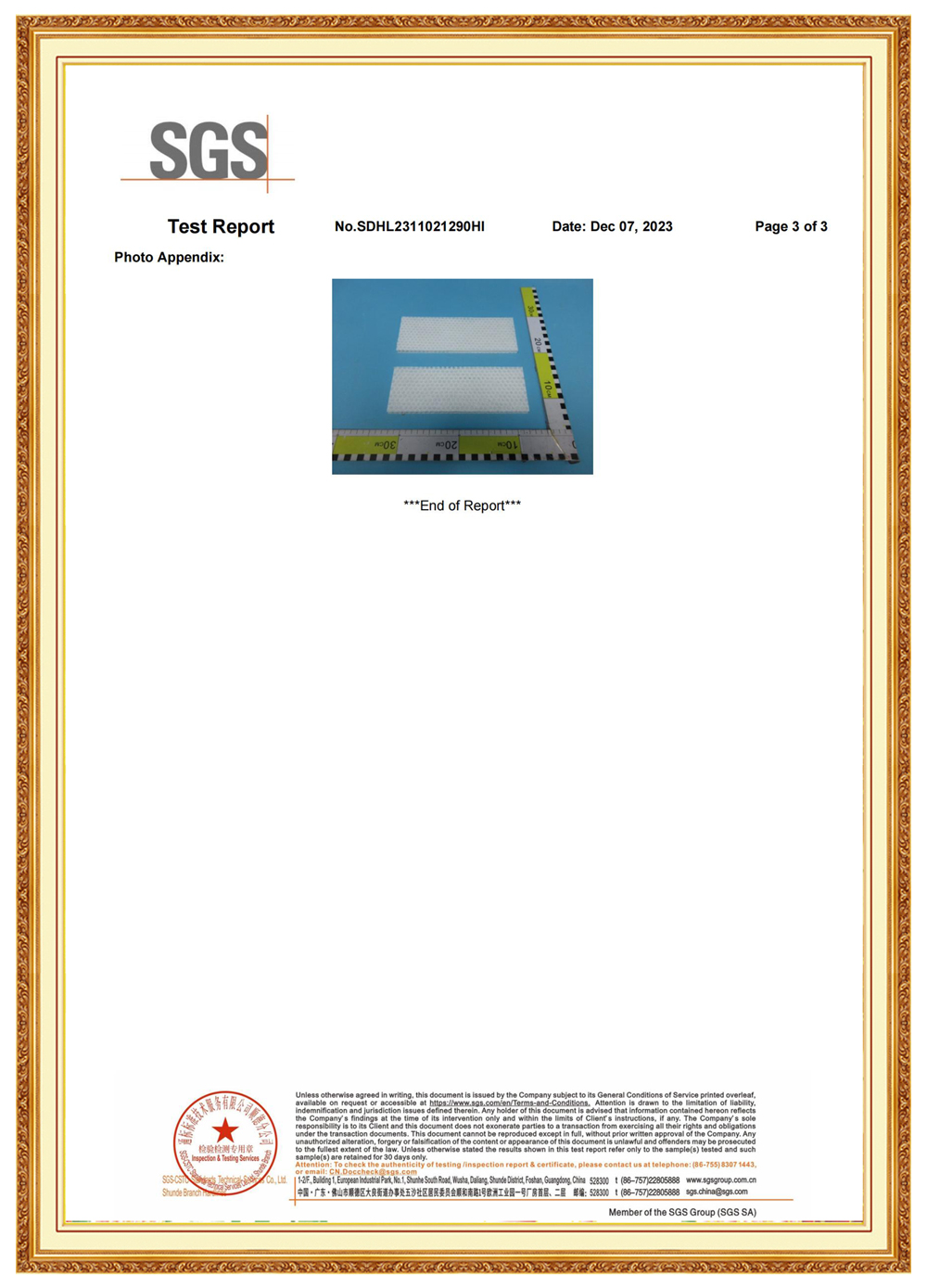
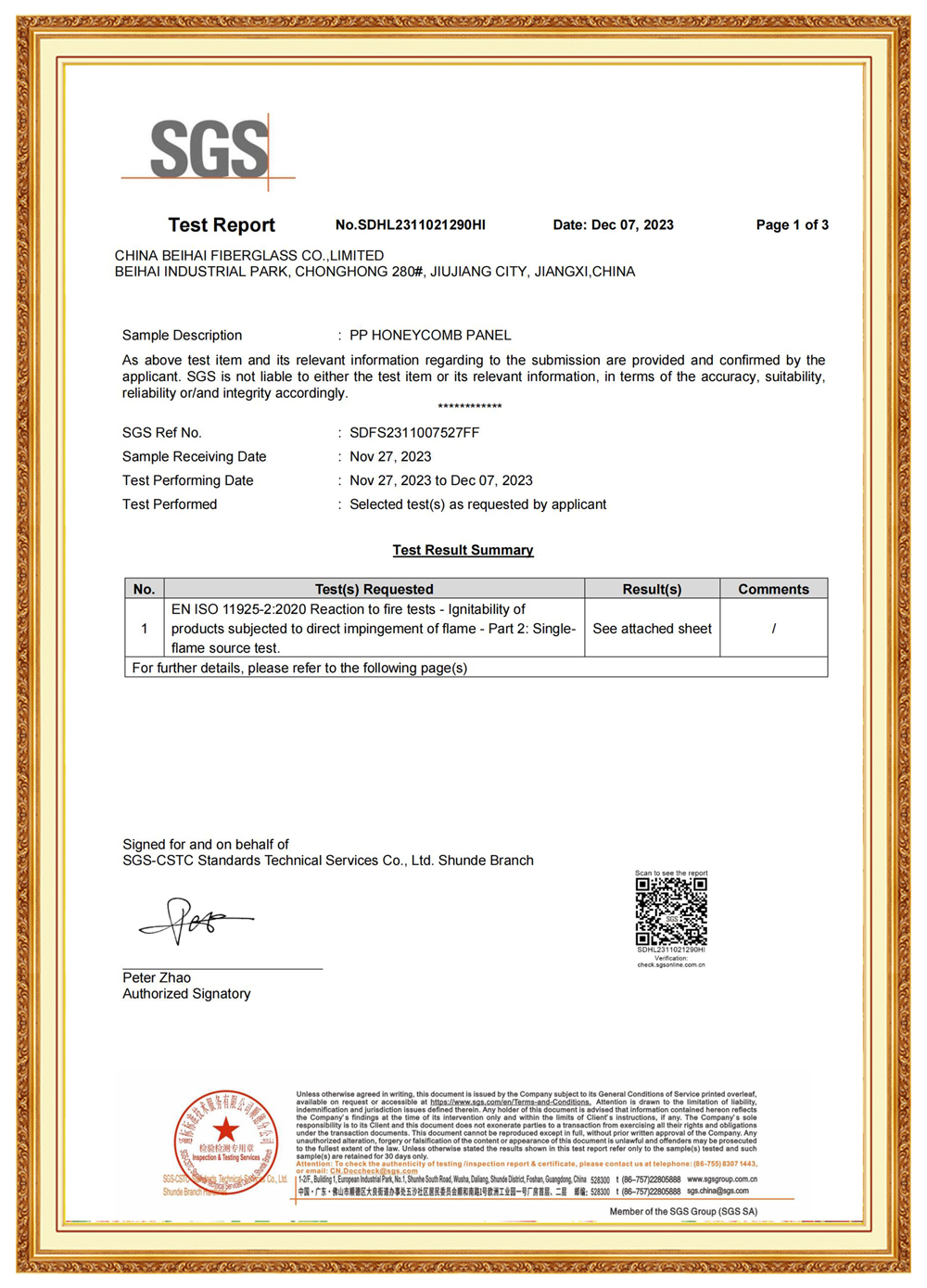
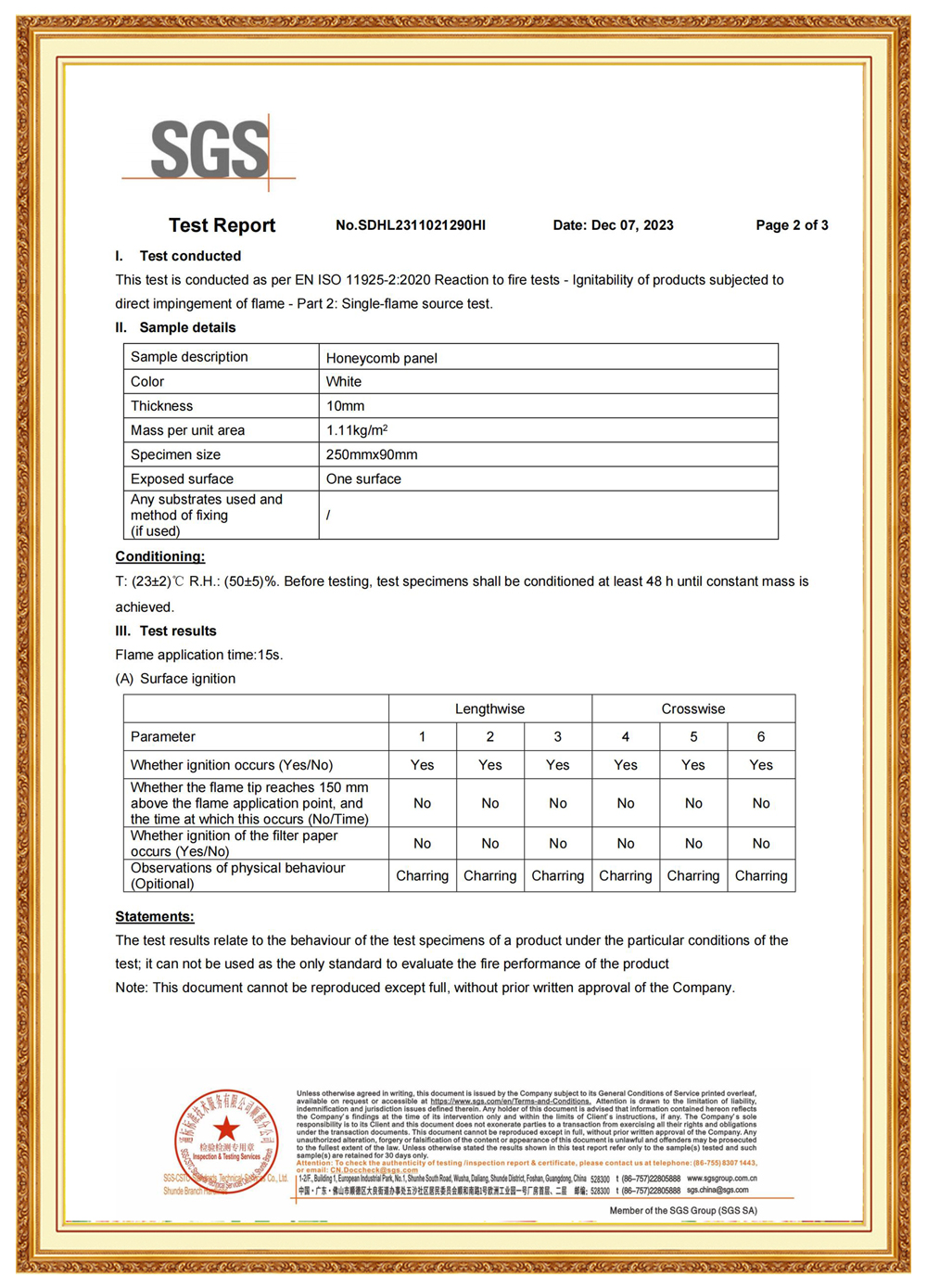
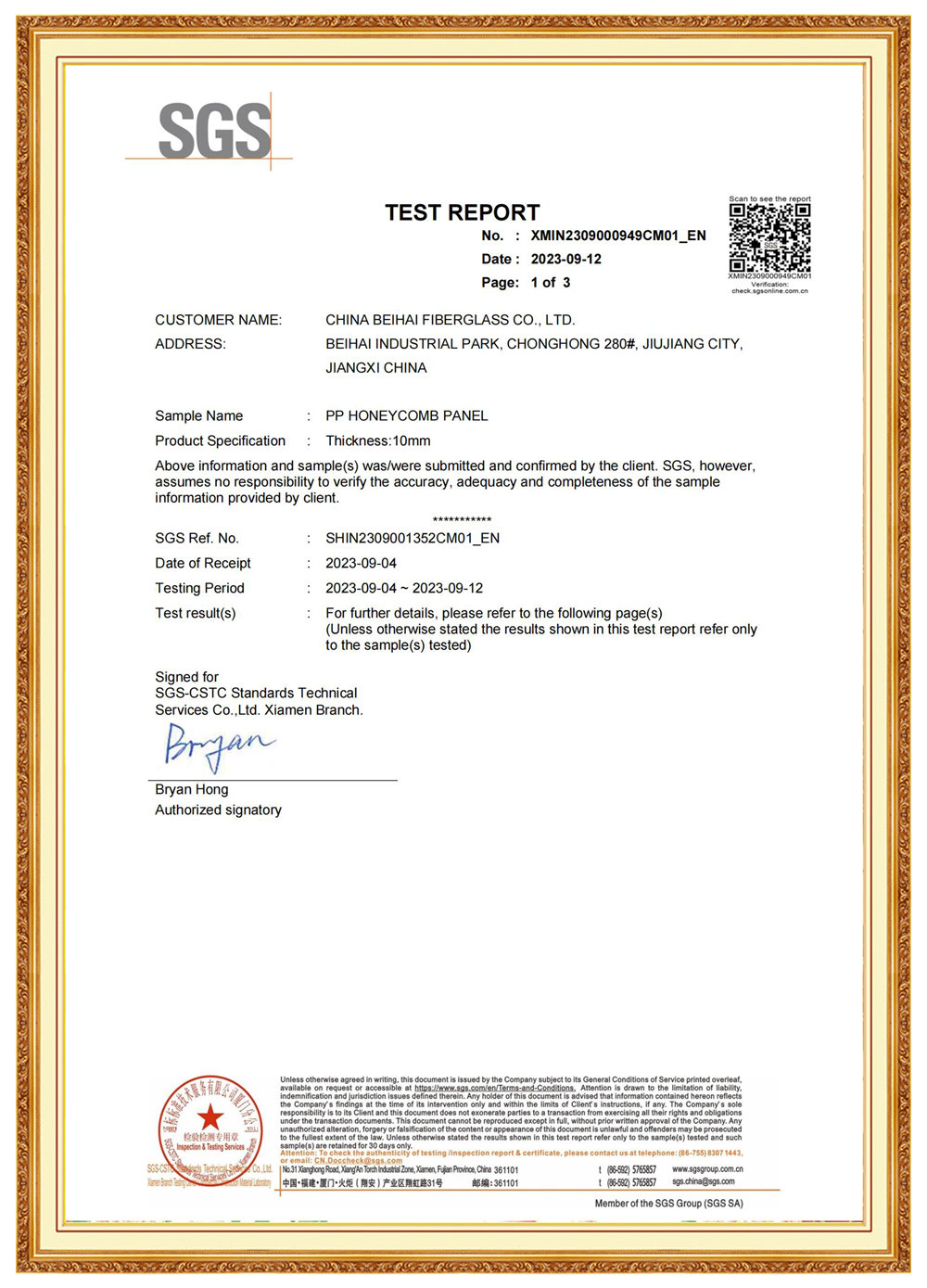
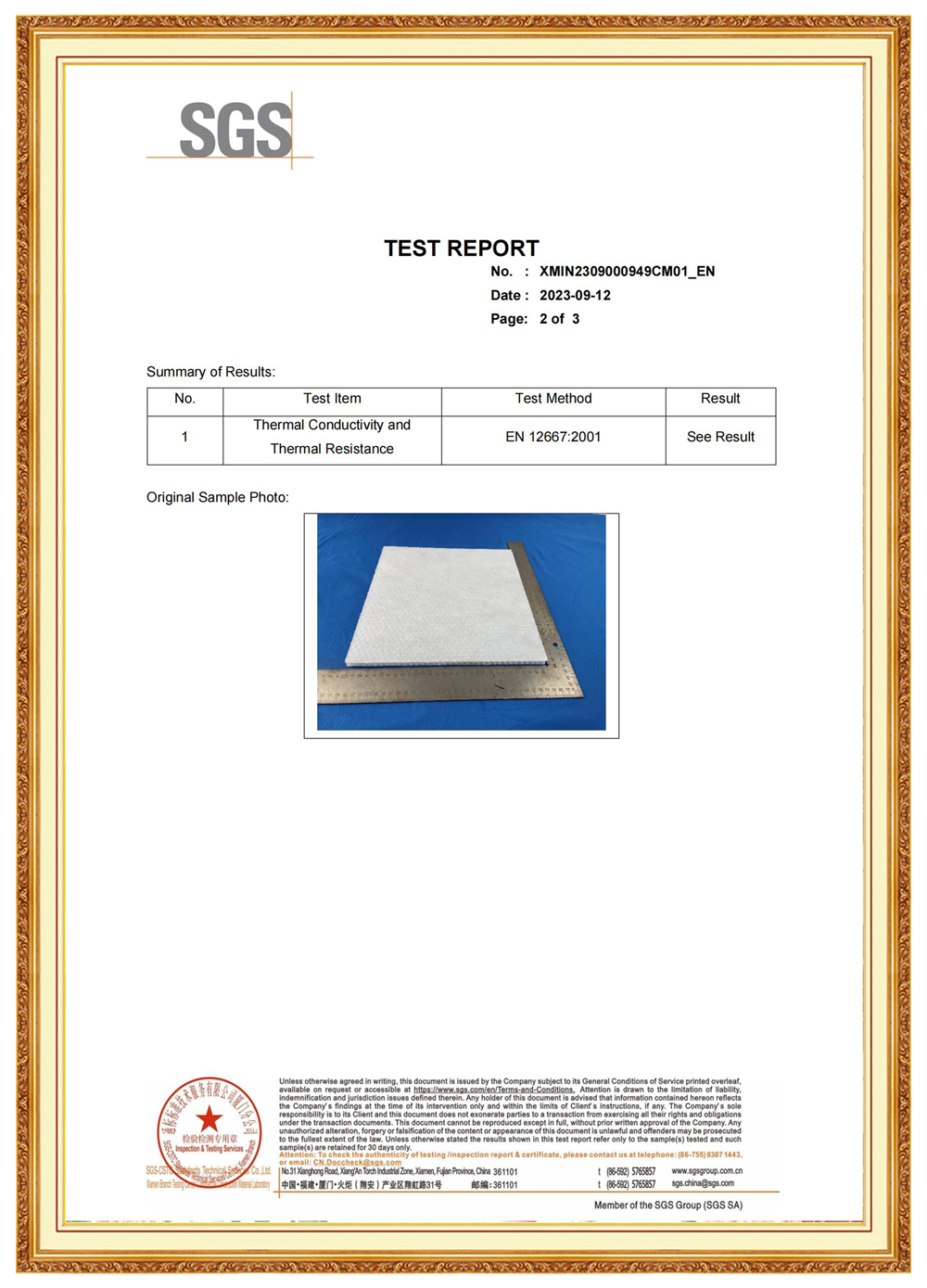
We provide comprehensive data sheets including SEM (Scanning Electron Microscopy) fiber consistency reports, sizing chemical compatibility parameters, and tensile load capacity tests under accelerated aging conditions. This documentation allows engineering consultants to easily verify compliance with ASTM, EN, and ISO structural standards.
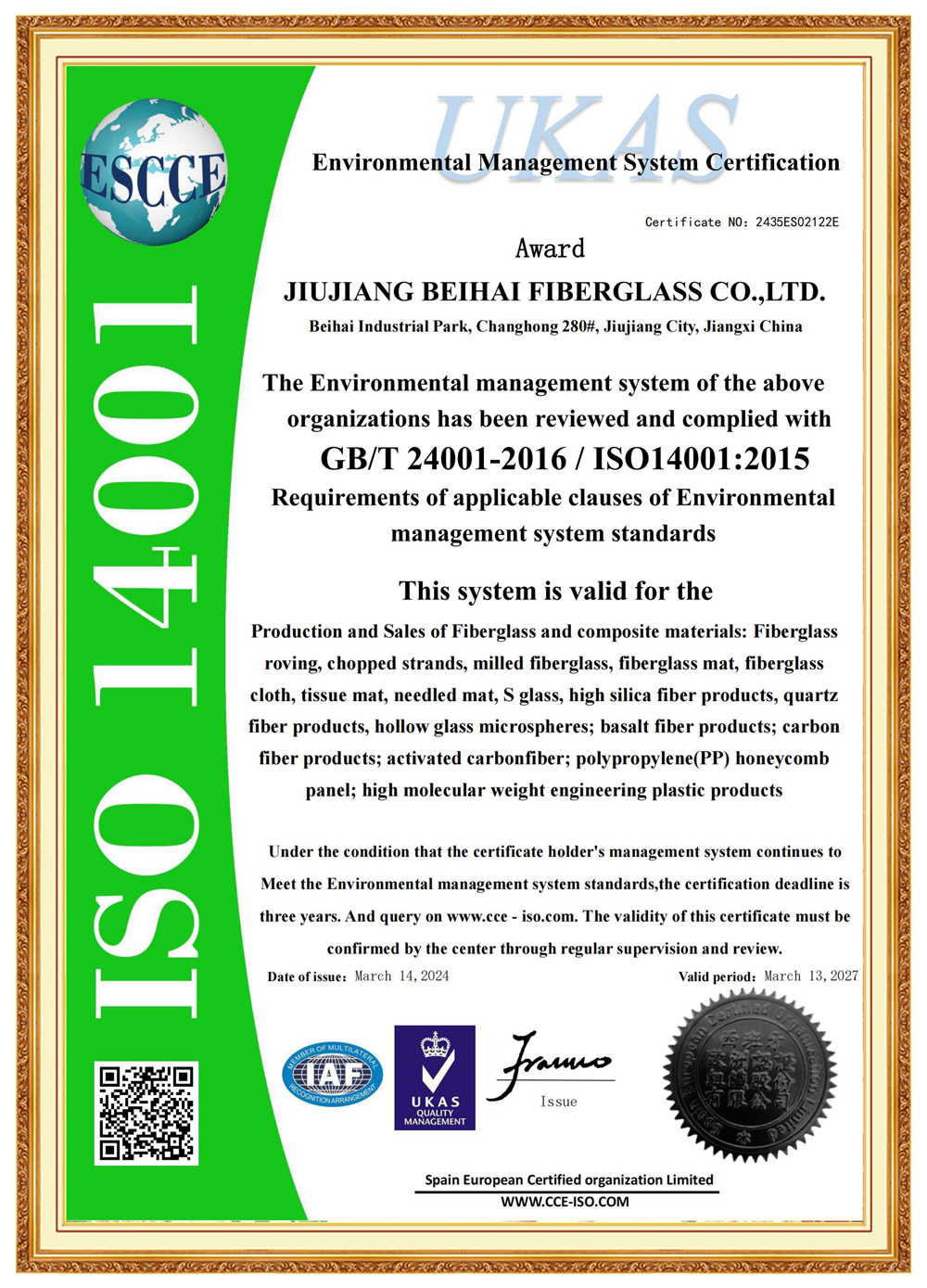
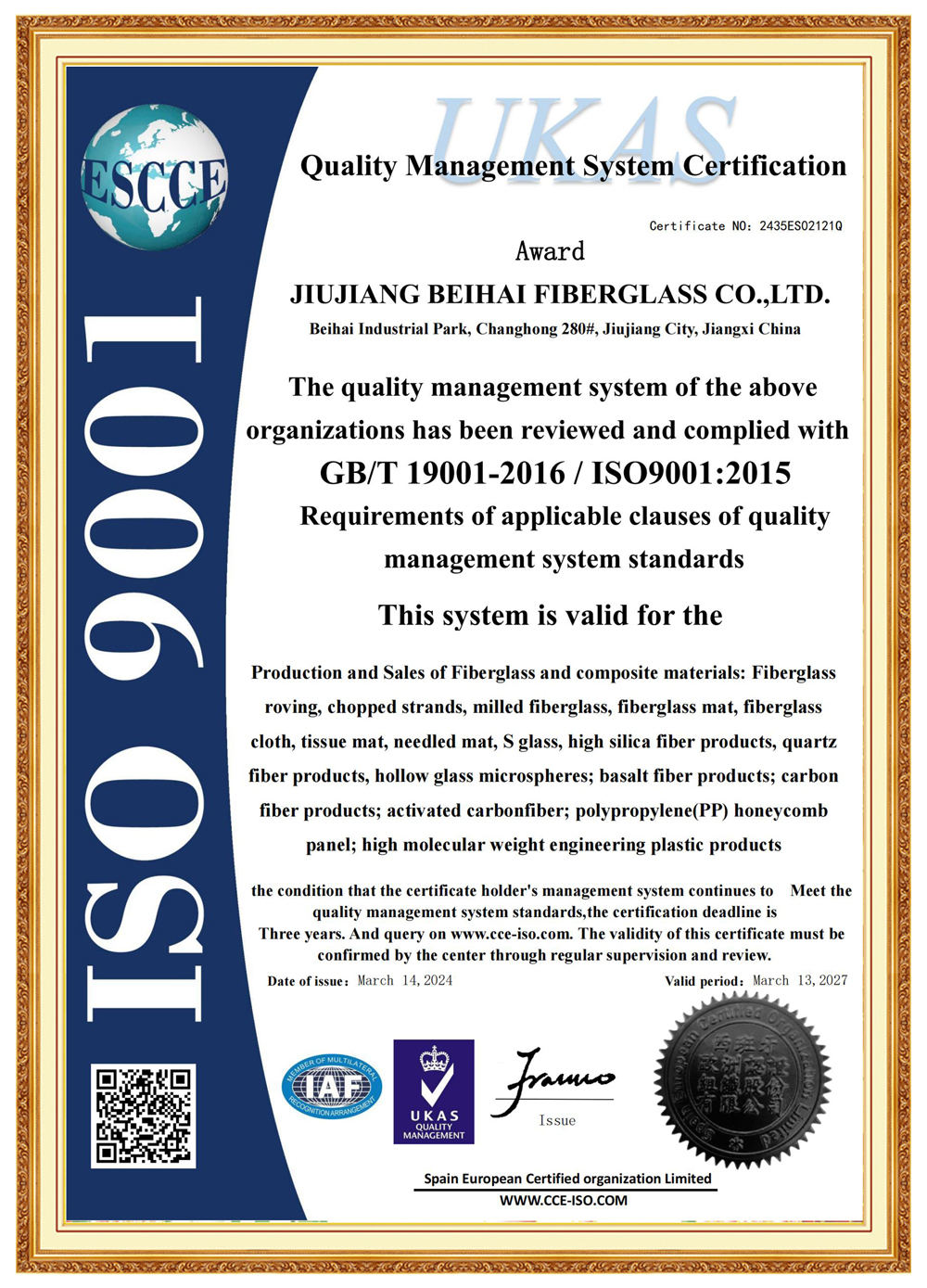
Our facilities operate under international quality assurance programs to deliver consistent material properties for engineering applications.
Adapting to global market trends, China Beihai is investing in advanced production technologies to support sustainable development and smart infrastructure.
Our technical R&D roadmap focuses on three main engineering objectives:
By establishing stable mineral raw material bases and expanding production capacities in Jiujiang, Jiangxi, we help industrial partners transition from high-carbon materials to sustainable volcanic glass fiber solutions.
Insights and technical updates from the forefront of the volcanic glass fiber industry.

As drones monitor wildfires and automated robots take over heavy manufacturing, continuous basalt fiber provides critical structural and thermal support in high-stress applications.
Read Full Article →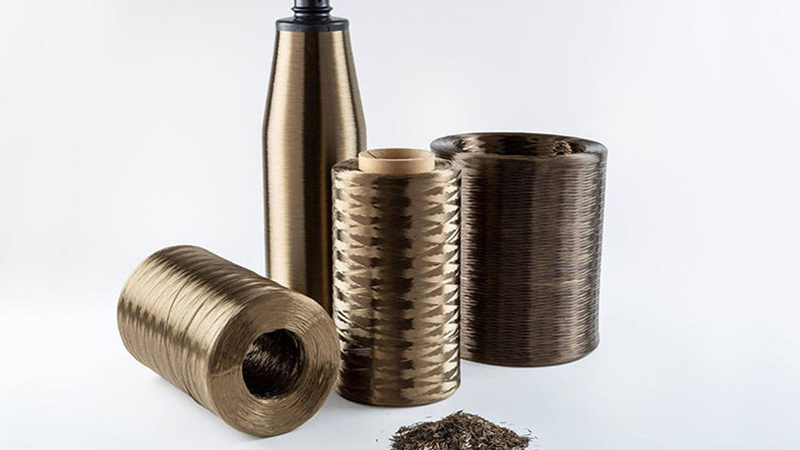
Our R&D team has developed an upgraded chemical sizing bath that improves matrix adhesion for pultrusion profiles in highly corrosive chemical plants.
Read Full Article →Get our comprehensive 120-page engineering guide covering continuous basalt fiber properties and composite design formulas.
Download PDF DocumentDirect technical answers to help composite engineers, buyers, and structural consultants make informed material selections.
Continuous basalt fiber offers 15% to 20% higher tensile strength, approximately 25% higher modulus of elasticity, and significantly better acid and alkali resistance than standard E-glass. Additionally, basalt fibers can operate in temperatures ranging from -260°C to 700°C, whereas glass fibers start degrading around 380°C.
Concrete pore solutions are highly alkaline (pH 12.5 to 13.5). Glass fibers degrade in these conditions unless protected by heavy polymer coatings. Because basalt is composed of natural volcanic rock containing high concentrations of stable oxides, it is inherently resistant to alkaline attacks, ensuring long-term reinforcement in concrete structures.
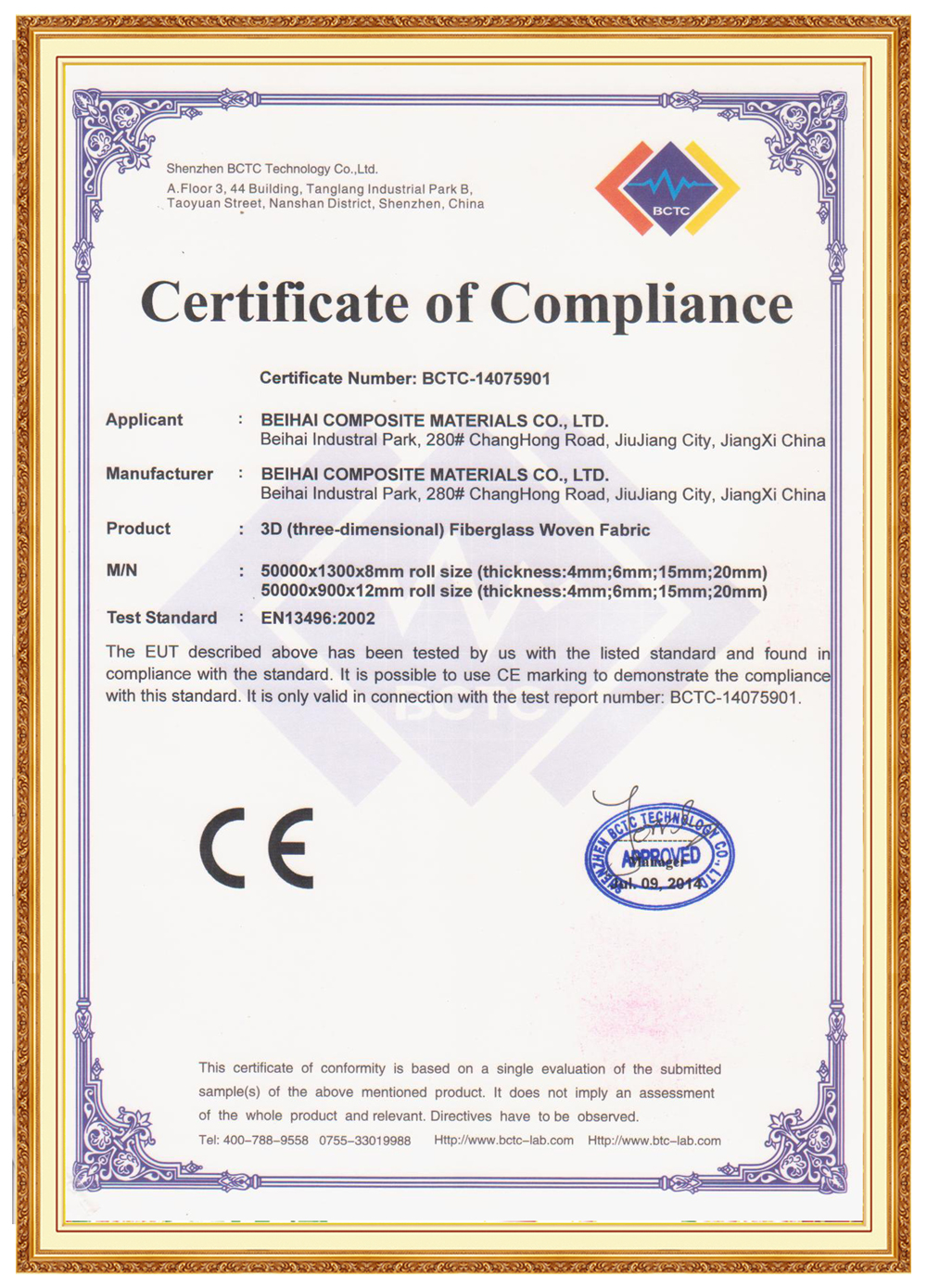
Our manufacturing facilities are accredited under ISO9001 and ISO14001 quality and environmental management systems. Our structural basalt products comply with CE standards for building materials, and we provide REACH and SGS verification certificates for international exports.
Yes. We can adjust fiber diameters from 9 microns to 22 microns. We also offer specialized sizing chemistries compatible with epoxy, vinyl ester, polyester, and phenolic resin systems, as well as concrete aqueous environments.
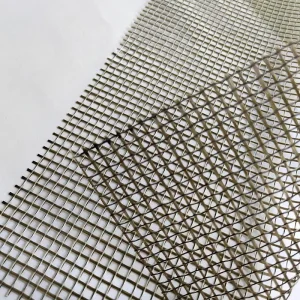
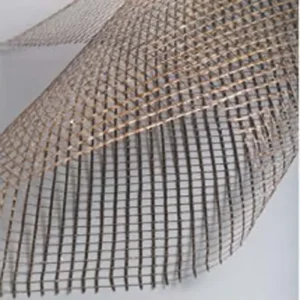
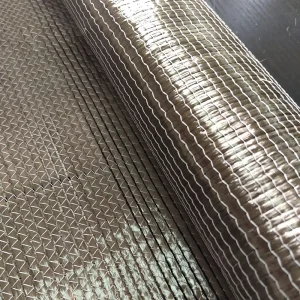
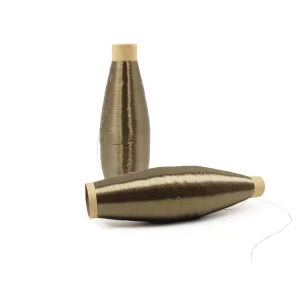
Explore our continuous fiber rovings, protective geotextiles, and high-stability meshes designed for tunnel and structural engineering projects.
Collaborate directly with our engineering department in Jiujiang, Jiangxi, for tailored chemical sizing, specific fiber diameters, and custom structural configurations. We provide material testing samples and fast delivery support for major infrastructure projects worldwide.
 Beihai Fiberglass