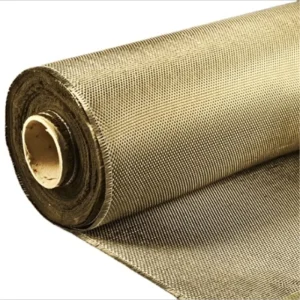
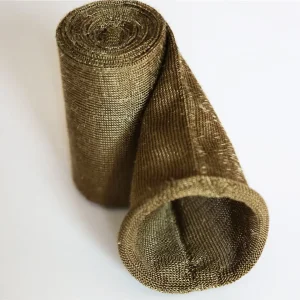
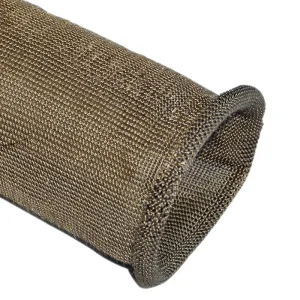
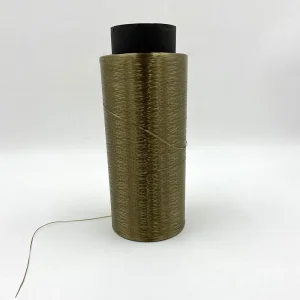
Founded in 2015 and strategically located in Jiujiang, Jiangxi Province, China Beihai has emerged as a high-tech powerhouse. We don't just manufacture; we innovate. As a leading enterprise in the domestic basalt fiber industry, our expertise spans the research, development, and mass production of high-performance basalt continuous fiber and its sophisticated manufacturing equipment.
Our mission is to bridge the gap between 21st-century engineering challenges and sustainable material science. Basalt, often called the "green material of the 21st century," is our core focus, providing an eco-friendly alternative to glass and carbon fibers without compromising on mechanical integrity.
Basalt fiber is an inorganic fiber produced by melting basalt rock at temperatures reaching 1450°C. Its intrinsic properties offer exceptional thermal stability, alkali resistance, and tensile strength. Unlike steel, it does not rust; unlike glass fiber, it is acid and alkali resistant; and unlike carbon fiber, it is significantly more cost-effective for large-scale infrastructure.
Integrating carbon nanotubes (CNTs) into the basalt sizing process to increase interfacial bonding strength by up to 30%, revolutionizing high-stress aerospace components.
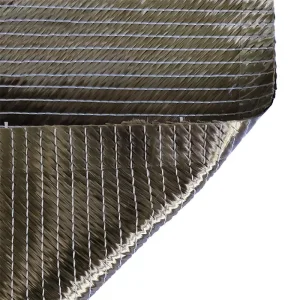
Developing basalt-carbon and basalt-aramid hybrid fabrics to optimize weight-to-cost ratios for EV battery enclosures and wind turbine blades.
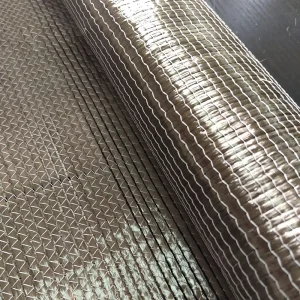
Embedding fiber-optic sensors directly into basalt 3D meshes for "Self-Sensing" concrete structures, allowing real-time health monitoring of bridges and tunnels.
Transitioning to fully electric modular furnaces, aiming for a carbon-neutral production cycle by 2030, aligning with global ESG mandates.
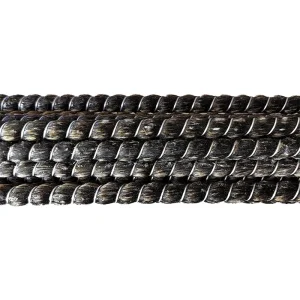
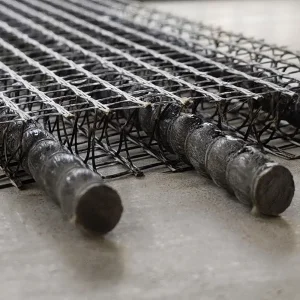
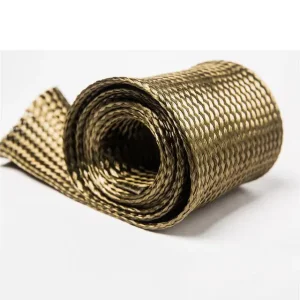
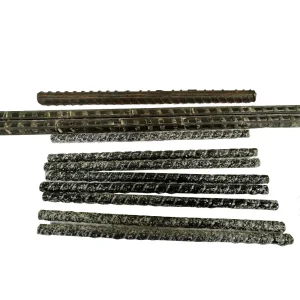
Our Basalt Rebar and Reinforcement Meshes solve the "rusting" problem in marine environments. Ideal for sea walls, bridge decks, and highway pavements where chemical de-icing salts typically destroy steel reinforcement.
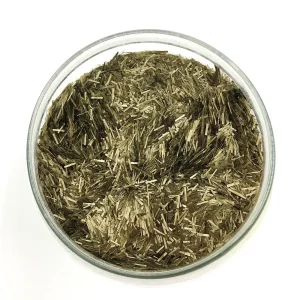
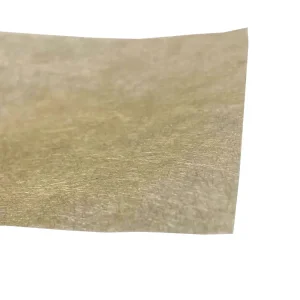
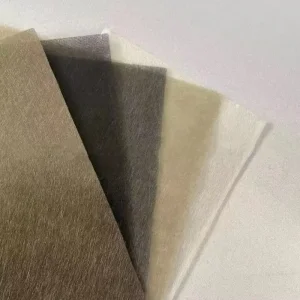
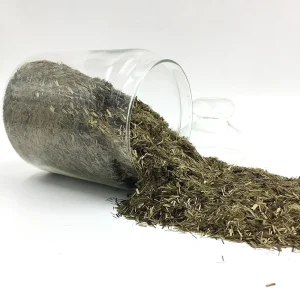
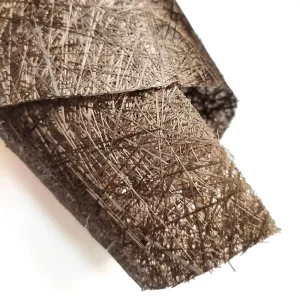
Facing the EV revolution, our Basalt Fiber Non-Woven Mats and Chopped Strands provide superior sound insulation and fire protection for battery housings while reducing vehicle weight for extended range.
Basalt fiber composites offer a non-combustible alternative for interior cabin panels and engine heat shields. It provides a unique balance of dielectric properties and impact resistance for radomes and protective housings.
Basalt's immunity to corrosion makes it perfect for underground fuel tanks, piping systems, and chemical storage liners where traditional materials fail over time.
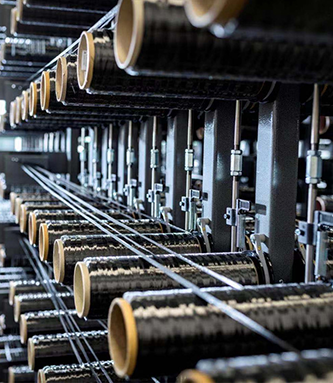
At China Beihai, we have moved beyond traditional manufacturing. Our Smart Factory 4.0 initiatives integrate AI-driven quality control and automated fiber drawing processes. This ensures:
For global enterprises, sourcing from China Beihai means more than just high-quality products; it means peace of mind regarding international standards.
Our products are tested and certified to meet ISO 9001, ASTM D standards for rebar, and EN standards for fire safety textiles.
Strategically located near major shipping ports, we offer real-time tracking and optimized packaging to prevent moisture absorption during transit.
Our engineering team provides localized support for project design, helping you calculate load-bearing capacities and thermal resistance requirements.
Basalt fiber has a higher tensile strength than E-glass, higher elastic modulus, and significantly better chemical resistance, especially in alkaline environments. It also operates at much higher temperatures (-260°C to +700°C) compared to glass fiber.
Yes, in terms of corrosion resistance and weight. Basalt rebar is 1/4 the weight of steel but has a higher tensile strength. However, the design modulus is different, so structural engineering adjustments are required for deflection control.
Absolutely. We offer different sizing treatments (Silane-based) to ensure maximum compatibility with Epoxy, Polyester, Vinyl Ester, and Phenolic resin systems.
While we specialize in bulk supply, we maintain a flexible prototyping line for custom specifications. Contact our sales team for tailored project quotes.
 Beihai Fiberglass