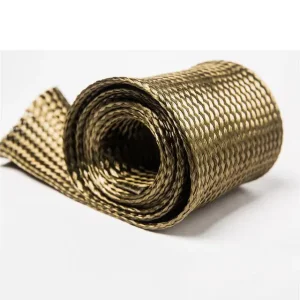
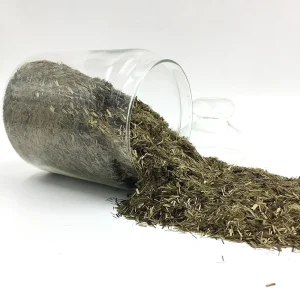
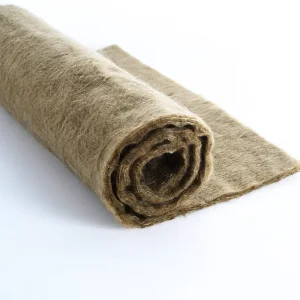
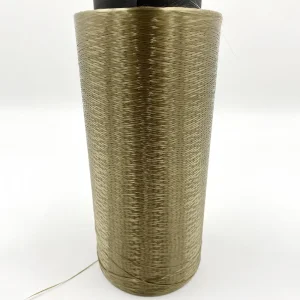
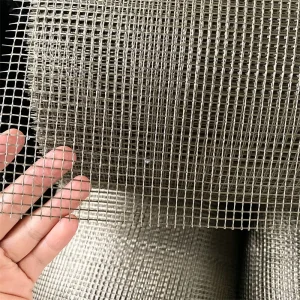
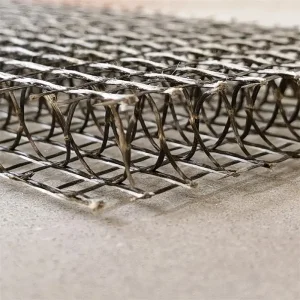
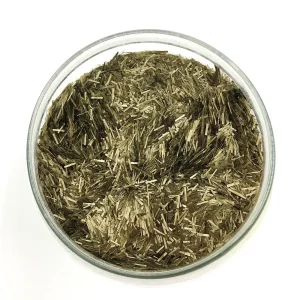
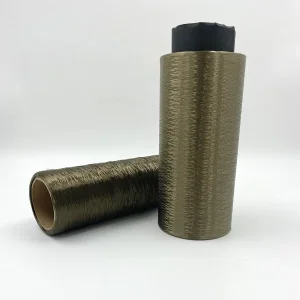
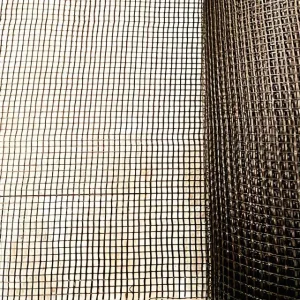
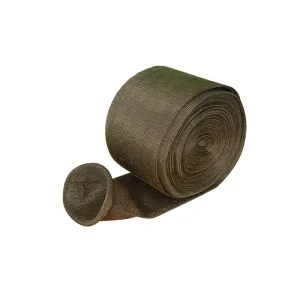
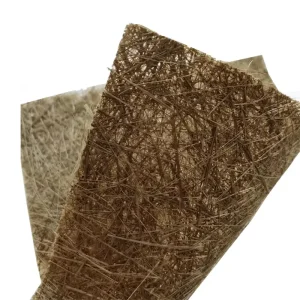
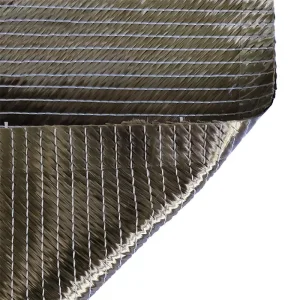
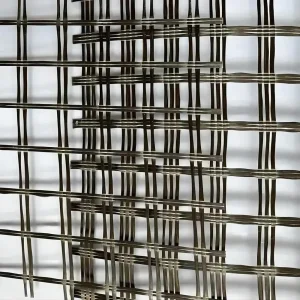
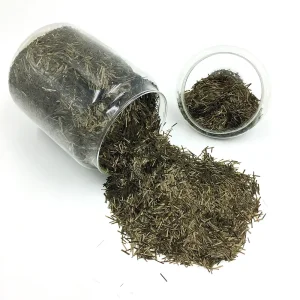
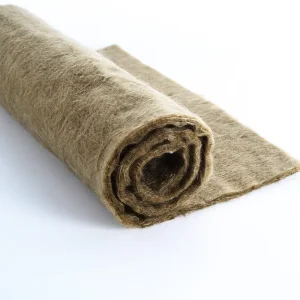
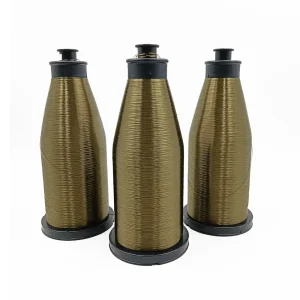
Experience and Expertise: Since 2015, China Beihai has pioneered the shift from synthetic polymers to basalt continuous fiber (BCF). Basalt fiberglass geogrids represent a revolutionary leap in geotechnical engineering, offering a natural, non-corrosive alternative to steel and a thermally stable upgrade over polyester (PET) and polypropylene (PP) grids. Our Jiujiang-based manufacturing facility utilizes advanced basalt melting technologies to ensure every strand meets rigorous global standards.
Unlike traditional glass fibers, basalt provides a tensile strength exceeding 3000 MPa, making it ideal for road reinforcement and pavement longevity.
Operating efficiently from -260°C to 700°C, it is the only geogrid that remains stable during hot-mix asphalt (HMA) applications.
Naturally resistant to alkalis and acids, eliminating the need for expensive chemical coatings required by E-glass products.
Procuring Custom Basalt Fiberglass Geogrid involves more than just selecting a price point; it requires a deep understanding of the project's mechanical requirements. Global EPC (Engineering, Procurement, and Construction) firms now prioritize Basalt Fiber Reinforced Polymer (BFRP) for its Life Cycle Cost (LCC) advantages.
Our products comply with ASTM D7551 and ISO 9001:2015, ensuring compatibility with international tender requirements for highway and bridge construction.
China Beihai offers integrated logistics support, from Jiujiang to major global ports, ensuring just-in-time delivery for large-scale infrastructure projects.
We provide tailored grid apertures (from 5mm to 50mm) and bespoke bitumen or polymer coatings to match specific asphalt or soil conditions.
The roadmap for basalt composites is moving toward "Smart Geogrids" embedded with fiber optic sensors for real-time structural health monitoring. As a leading enterprise, China Beihai is investing in surface modification technologies that increase the interfacial bonding strength between basalt fibers and various resin matrices.
Basalt production has a significantly lower carbon footprint compared to carbon fiber or steel, aligning with the "Green Deal" initiatives in Europe and North America.
Future applications focus on the seismic retrofitting of heritage buildings, where basalt's high energy absorption and lightweight nature prevent catastrophic failures.
Moving beyond simple bitumen, we are developing eco-friendly aqueous coatings that improve bonding in concrete applications (BFRP Geogrids) without environmental leaching.
All China Beihai basalt products undergo rigorous testing to ensure they meet European safety and environmental standards.
We offer technical consultation in multiple languages and localized engineering data sheets to assist in project approval phases.
Factory Acceptance Testing (FAT) is available for all bulk orders, ensuring that the delivered custom geogrids match the pre-production samples 100%.
Basalt fibers have higher chemical resistance (especially to alkalis) and a higher service temperature. While glass fiber is common, basalt is preferred in harsh environments and high-stress asphalt layers where durability is paramount.
Yes. Since basalt is a natural volcanic rock, it is essentially inert. Recycled asphalt containing basalt fibers can be processed more easily than those with synthetic plastics, which may melt or release toxins during heating.
Studies suggest that basalt reinforcement can extend the service life of an asphalt overlay by 200% to 300% by significantly reducing reflective cracking and rutting.
Absolutely. We can customize roll widths up to 6 meters and lengths up to 100 meters, with specific tensile strengths tailored to your structural engineering requirements.
 Beihai Fiberglass