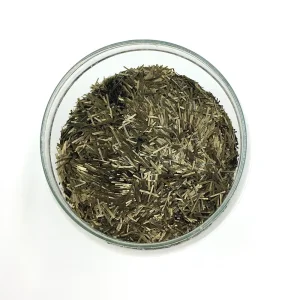
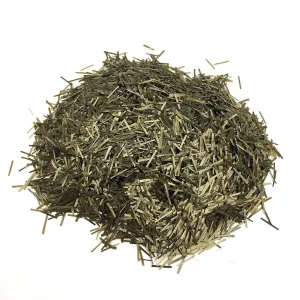
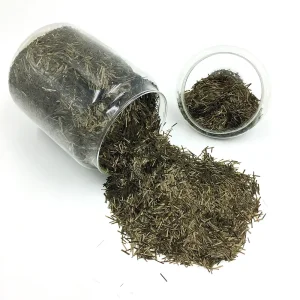
In the modern era of civil engineering, the transition from traditional steel reinforcement to advanced composite fibers marks a significant milestone in sustainable construction. Basalt fiber, derived from volcanic rock through a high-temperature extrusion process, has emerged as the premier choice for Custom Concrete Fiber Reinforcement. Unlike synthetic fibers or alkaline-sensitive glass fibers, basalt offers a unique chemical inertia and high tensile strength that aligns with the rigorous demands of 100-year infrastructure projects.
Historically, concrete fibers were viewed primarily as a means to mitigate plastic shrinkage cracking. However, through user intent mining and engineering feedback, the industry has shifted its focus. Today’s procurement managers look for Information Gain in the form of secondary reinforcement capabilities. Our basalt fiber products are engineered to provide post-crack ductility, effectively increasing the toughness of the concrete matrix (energy absorption capacity).
Centering our operations in Jiujiang, Jiangxi Province, China Beihai leverages the world’s most robust basalt fiber industrial cluster. Our facility, established in 2015, integrates the entire value chain—from raw volcanic stone smelting to precision fiber drawing and secondary processing. This vertical integration provides our global partners with three distinct advantages:
China Beihai is a high-tech enterprise focusing on the research, development, production and sales of high-performance basalt continuous fiber. Since 2015, we have led the domestic basalt fiber industry with cutting-edge equipment manufacturing.
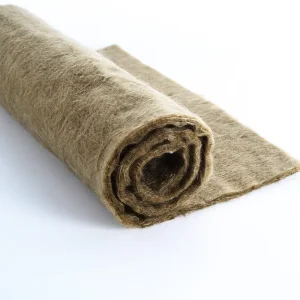
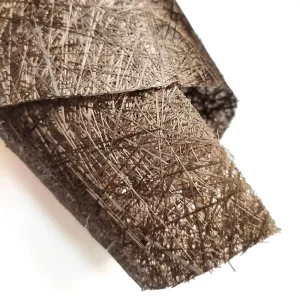
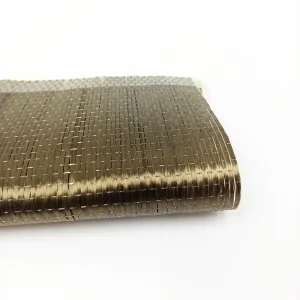
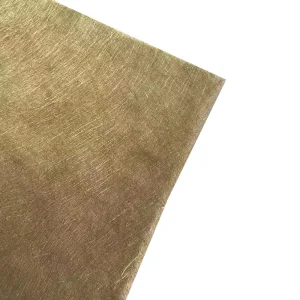
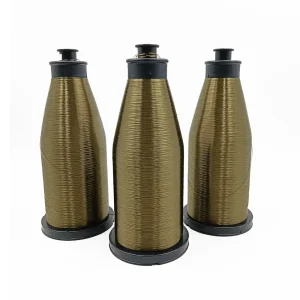
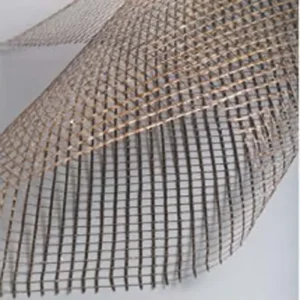
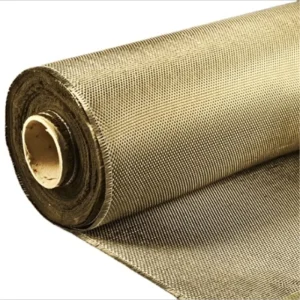
We deliver sustainable solutions including basalt fiber mats, roving, yarn, and specialized construction materials. Our focus is on geotechnical engineering and high-durability manufacturing for global infrastructure.
Choosing China Beihai means reliability. We provide best-in-class solutions backed by industry expertise, innovation, and a commitment to customer satisfaction. We are your thought-leader supplier for basalt needs.
Navigating international construction codes requires more than just high-quality products; it requires compliance assurance. China Beihai supports global enterprises by adhering to stringent international standards such as ASTM D7913 (Bond Strength of Fiber Reinforced Polymer), ACI 440 (Guide for the Design and Construction of Structural Concrete Reinforced with FRP Bars), and European EN standards.
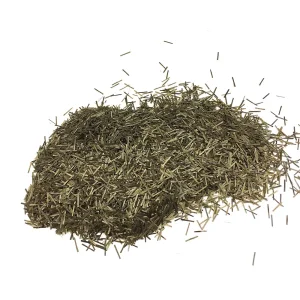
Our Basalt Rebar and Chopped Strands meet DOT (Department of Transportation) requirements for bridge deck reinforcement and coastal barrier protections.
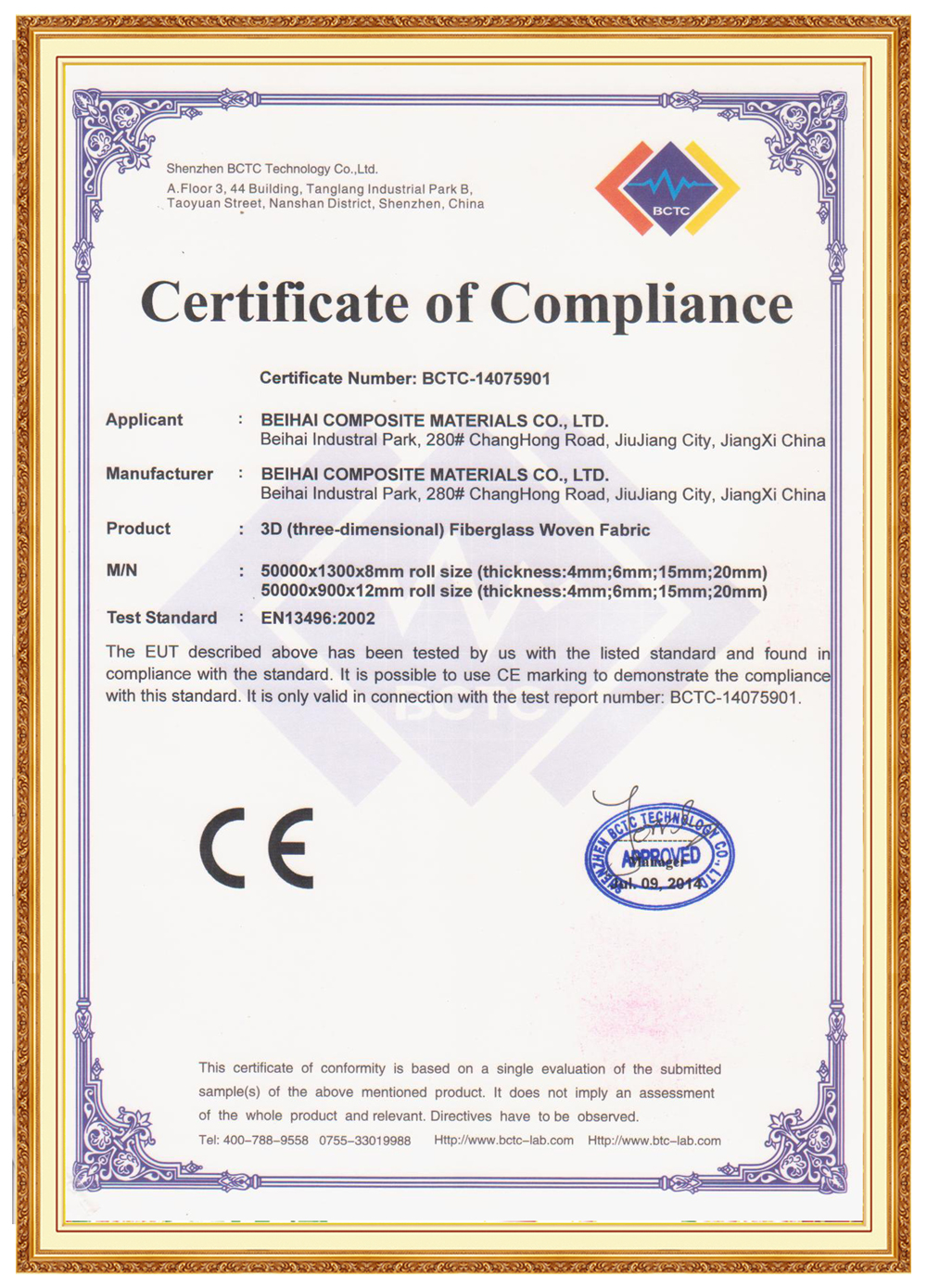
Full technical data sheets (TDS) and Material Safety Data Sheets (MSDS) provided to comply with REACH and CE marking requirements for building materials.
Optimized for high-salinity and extreme heat environments, ensuring structural integrity in desert and tropical marine climates.
Basalt products offer non-conductive and non-magnetic reinforcement, ideal for MRI rooms and high-voltage environments.

Integration with basalt fibers allows for thinner slabs and higher load-bearing capacities in pre-cast concrete elements.

Unmatched corrosion resistance against de-icing salts and sea spray, extending bridge life cycles by 50+ years.

Utilizing basalt fiber composites for aircraft engine components and thermal protection systems due to superior heat stability.

Replacing heavy metal parts with basalt composites to reduce vehicle weight and improve fuel/battery efficiency.

Acid and alkali resistance makes basalt the primary choice for underground storage tanks and chemical transport pipes.
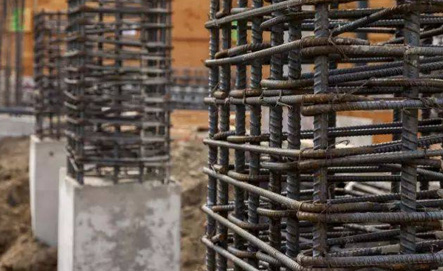
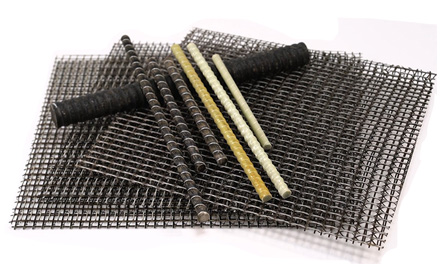
Our Basalt Fiber Rebar is a high-strength alternative to traditional steel bars. In coastal or chemical-heavy environments, steel is prone to oxidation, leading to "concrete cancer." Basalt rebar eliminates this risk entirely.
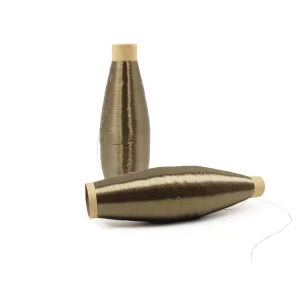
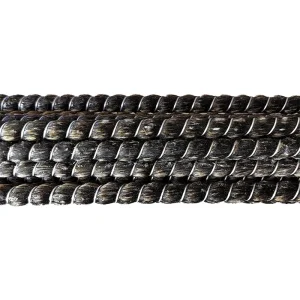
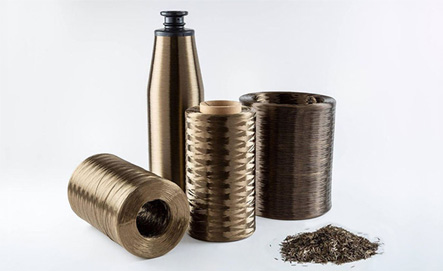
For the electronics and composite industries, our Basalt Fiber Roving/Yarn provides the foundation for high-insulation materials. Its natural origin makes it more eco-friendly to recycle than E-glass or S-glass counterparts.
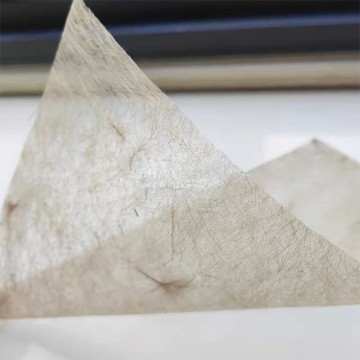
Engineered to provide a smooth resin-rich surface for FRP products.
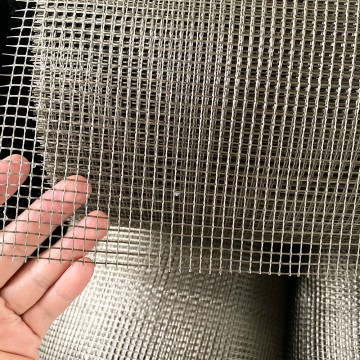
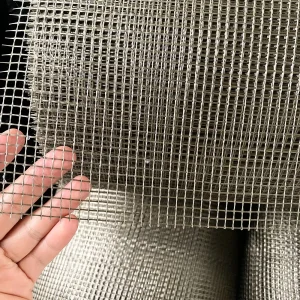
Superior reinforcement for concrete and plaster with high pH levels.
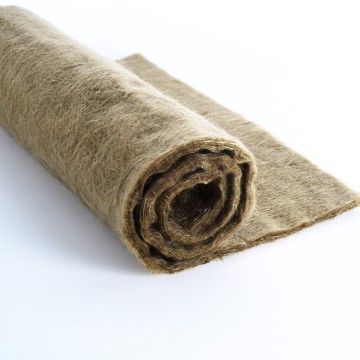
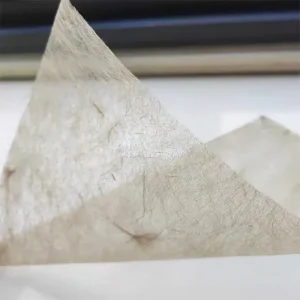
Bonding continuous fibers without chemicals for pure insulation.
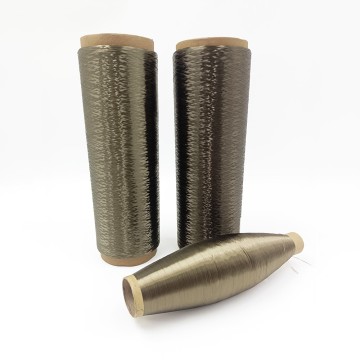
Enhanced mechanical strength for high-speed weaving and filament winding.
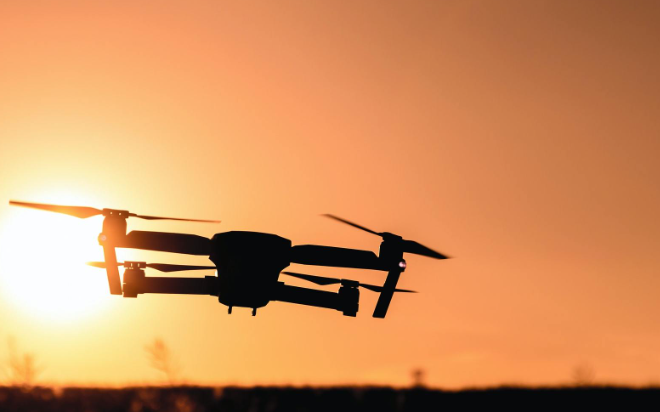
As drones slice through the sky and intelligent robots execute tasks with precision, the underpin of this smart equipment is often "hardcore support"—the high-strength composites made from basalt fibers. Read more about how our Jiangxi facility is driving this change.
 Beihai Fiberglass