Explore our certified catalog of continuously extruded basalt fiber composite products, structurally engineered to outperform traditional glass fibers and steel rebar.
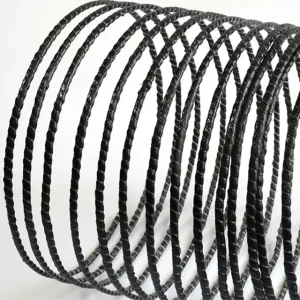
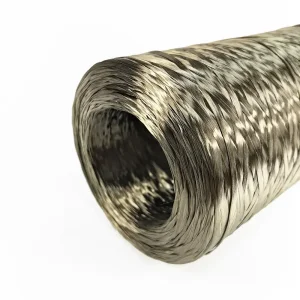
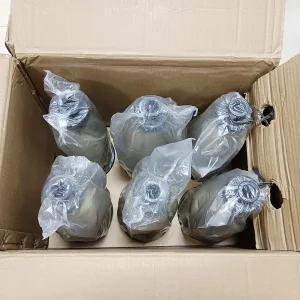
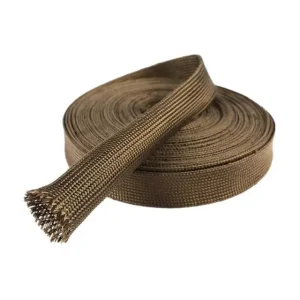
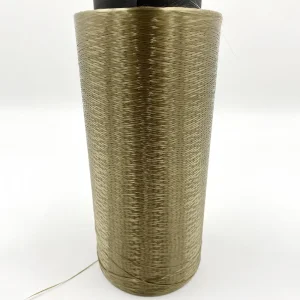
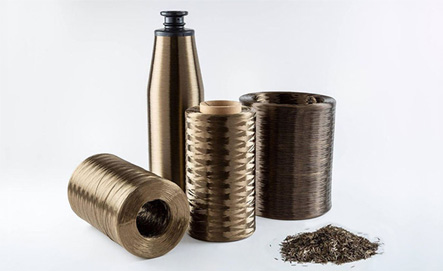
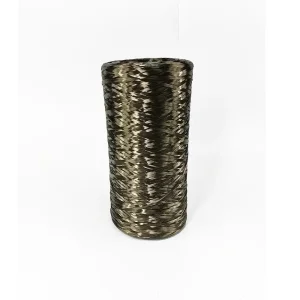
In modern structural and industrial composites engineering, Custom Twisted Basalt Fiber Yarns represent a significant leap forward. Produced through precise mechanical twisting of high-purity continuous basalt filaments, these yarns exhibit unmatched chemical stability and structural load-bearing capacity. The process of twisting multiple single filaments together acts to structurally reinforce the strand against abrasive forces, dramatically increasing mechanical longevity and structural coherence in secondary weaving, braiding, or pultrusion applications.
Unlike traditional glass fiber or synthetic aramids, basalt continuous fiber is naturally derived from molten volcanic basalt stone. When processed through state-of-the-art electric furnaces operated by industry leaders like China Beihai, the resulting fiber possesses inherent green properties. No chemical additives, solvents, or hazardous agents are introduced during the melting stages, ensuring the highest ecological compatibility coupled with top-tier physical properties.
The molecular composition of continuous basalt fibers gives them key advantages over synthetic polymers and standard glass fibers (E-Glass).
Basalt fibers display a highly stable modulus of elasticity ranging between 85 to 95 GPa, which is significantly higher than conventional E-Glass (approx. 72 GPa). When configured into custom twisted configurations, the dynamic distribution of load across aligned filaments minimizes single-point stress failures, making it exceptionally reliable under cyclical mechanical tension.
Our continuous basalt fiber stands out in highly alkaline environments. Concrete mixtures possess a naturally high pH (often > 12.5) which quickly breaks down standard glass fiber reinforcement. Basalt’s high concentrations of silicon dioxide (SiO2) and aluminum oxide (Al2O3) provide a defensive barrier, preserving reinforcement strength across decades of deployment.
While carbon fiber structures begin to experience significant structural degradation and matrix failure around 350°C, continuous twisted basalt fibers remain functionally stable at continuous operational windows of -260°C to 700°C. This cryogenic-to-high-heat capacity makes it ideal for fireproof sleeves, aerospace insulation, and thermal piping wraps.
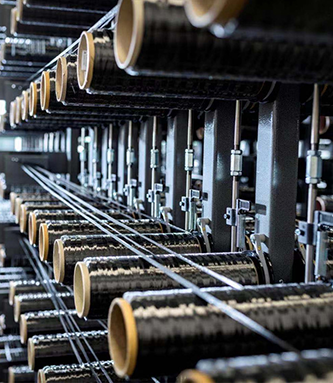
Founded in 2015 and located in the industrial heartland of Jiujiang, Jiangxi Province, China Beihai has grown into a premier national high-tech enterprise. Our core specialization focuses on the design, research, high-volume production, and market distribution of high-performance continuous basalt fibers alongside state-of-the-art basalt manufacturing machinery.
Operating as a foundational pioneer in the domestic Chinese basalt fiber industry, we maintain a robust, vertically integrated supply chain. We directly oversee raw volcanic rock sourcing, refine selection standards, and deploy advanced multi-nozzle platinum-rhodium alloy bushing furnaces. This ensures that every single batch of twisted yarn, chopped strand, rebar, or geogrid complies with rigid quality margins, providing global commercial entities with cost-effective, high-yield composite materials.

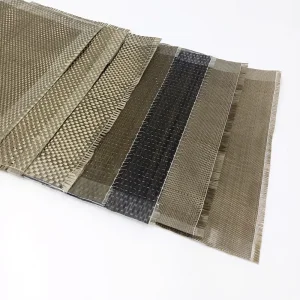
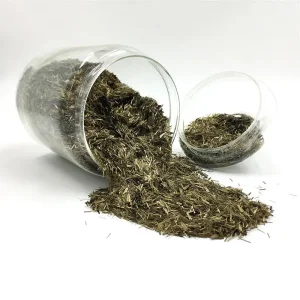
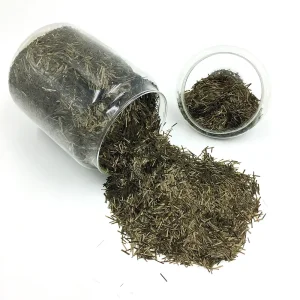
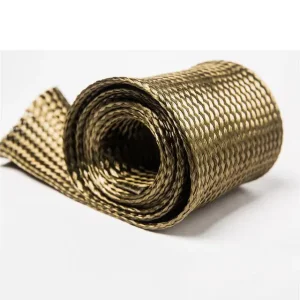
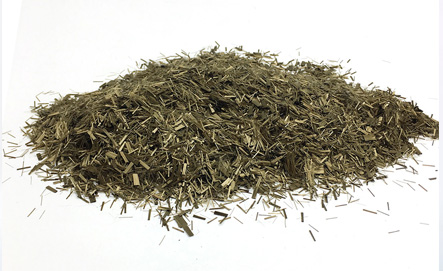
At China Beihai Group, we manufacture a versatile, industry-certified portfolio featuring premium basalt fiber tissue mats, structural continuous woven fabrics, high-load basalt roving, multi-filament twisted yarn, alkali-resistant chopped strands, structural basalt FRP rebar, high-temperature braided sleeves, and specialized protective tapes.

We focus on developing sustainable, high-integrity basalt solutions tailored specifically to civil engineering, structural geotech, advanced marine vessel production, and high-performance automotive manufacturing. Through optimized surface sizing chemistry and mechanical refinement, we turn raw mineral rock into world-class infrastructure reinforcement.

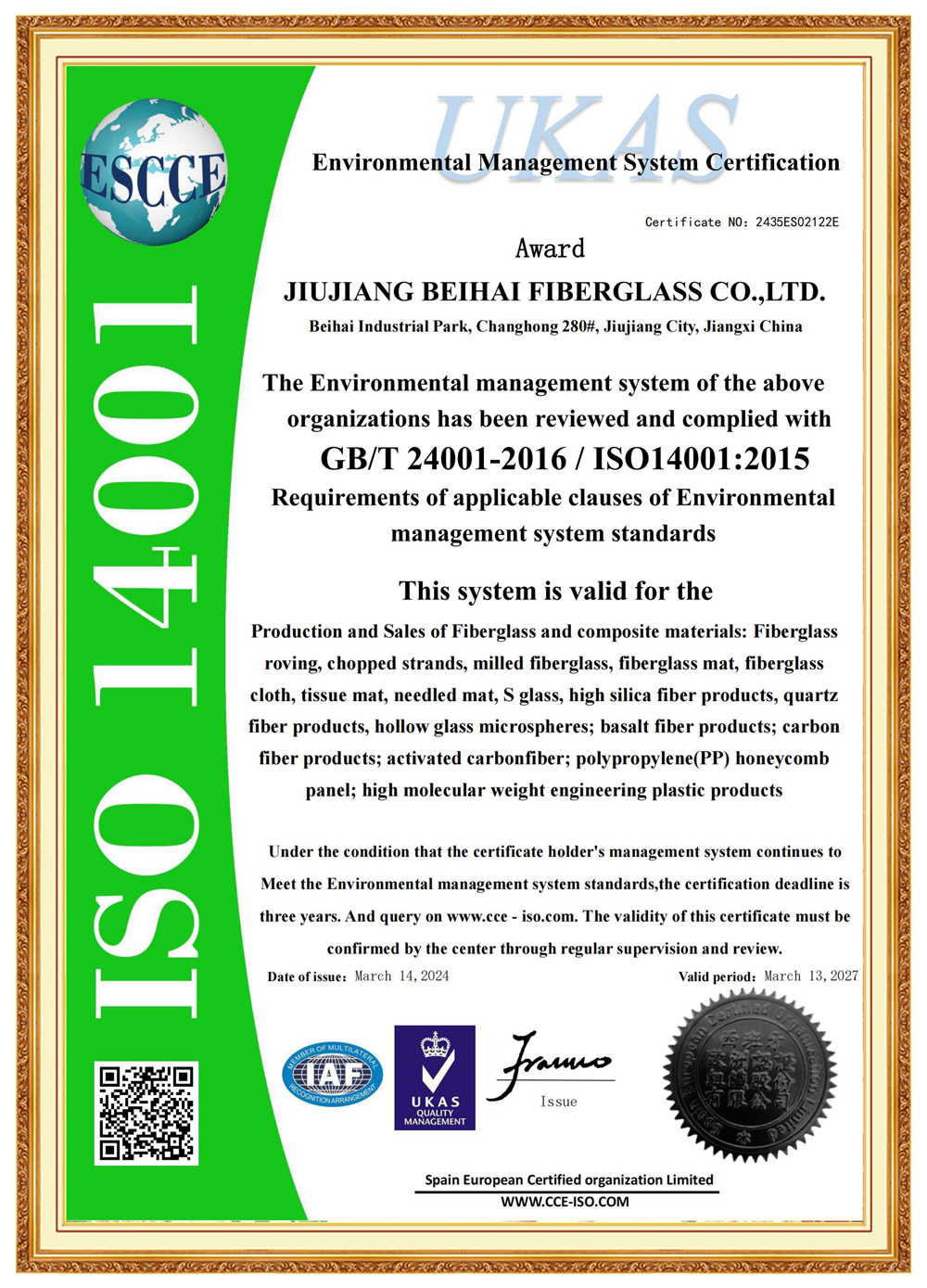
Choosing China Beihai connects you directly to the manufacturer. By removing intermediary margins, we offer highly competitive pricing backstopped by certified ISO 9001 and CE compliance. Our localized support specialists assist global procurement directors in achieving supply chain stability, technical compliance, and rapid cross-border delivery.
Industrial composite procurement requires strict adherence to regional construction codes and regulatory frameworks. We verify that our custom products meet local compliance demands.
Our continuous basalt fiber reinforcement and FRP rebar range fully comply with the American Society for Testing and Materials (ASTM) specifications, as well as the American Concrete Institute (ACI 440) guidelines for structural composite designs.
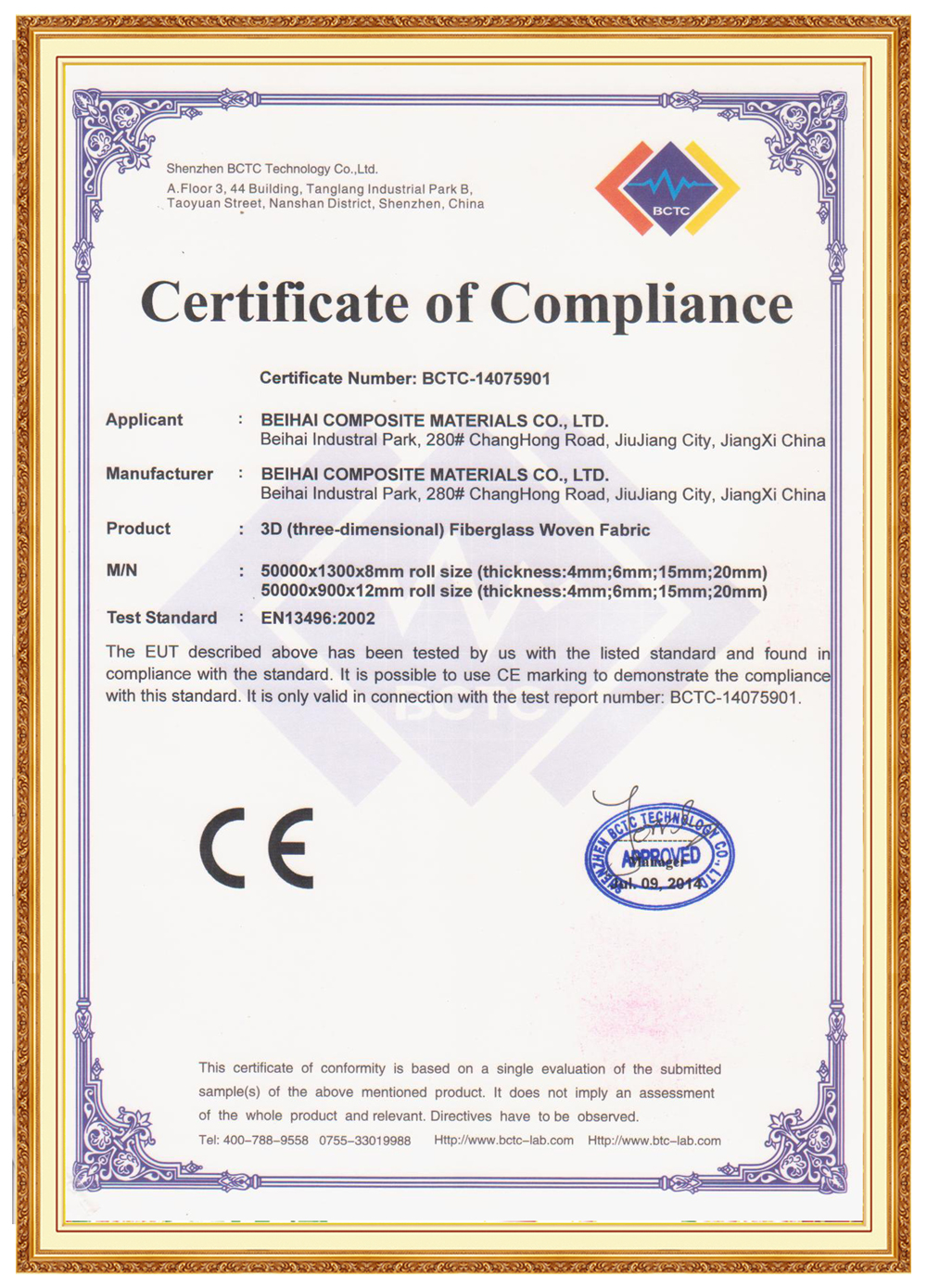
We maintain comprehensive CE marking declarations across our primary textile products and composite rebar. Furthermore, all sizing coatings and binders utilized in our Jiangxi complex are fully REACH and RoHS compliant for European markets.
To support global enterprises, we provide specialized export documentation, direct container shipping tracking, customized customs declarations support, and local distributor warehousing connections to reduce lead times to minimum thresholds.
Basalt fiber is ideal for your engineering projects. Its high strength, corrosion resistance, and lightweight properties allow it to easily solve a variety of complex construction and manufacturing challenges.
Our basalt products have diverse applications in house and civil construction, providing high structural durability, non-conductive insulation, and long-term resistance to environmental weathering.
Ideal for manufacturing aircraft wings, structural cabins, engine protection components, and spacecraft insulation layers due to lightweight profiles, extreme high-temperature limits, and stability.
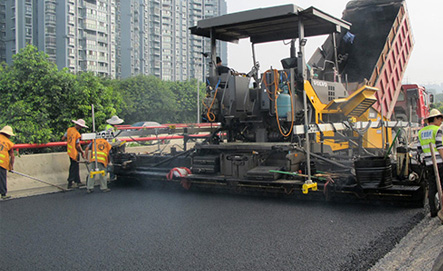
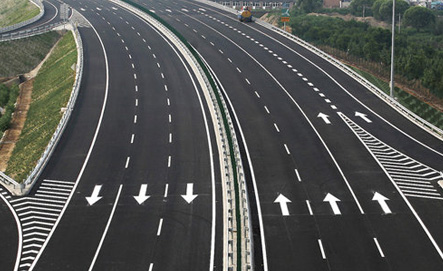
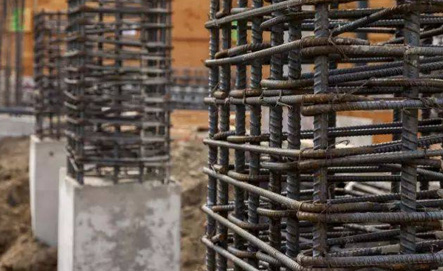
Basalt-reinforced concrete yields major advantages in infrastructure: heightened structural capacity, superior crack mitigation, and strong defense against chemical salt reactions.
We supply high-tensile basalt fabrics and custom twisted yarns designed to substitute heavy steel elements in body panels, thermal exhaust shield wraps, and brake linings.
Protects critical load-bearing bridge piers, marine docks, and offshore piping assemblies against heavy mechanical collisions, acidic chemical environments, and high-salinity corrosion.
The complete chemical inertness of basalt prevents deterioration in complex processing plants, storage vaults, underground chemical pipelines, and refinement structures.
Basalt fiber as a high-performance fiber, made of advanced composite materials with lightweight, high strength, designable geometry, corrosion resistance, and acid and alkali resistance, provides structural security on real-world projects globally.
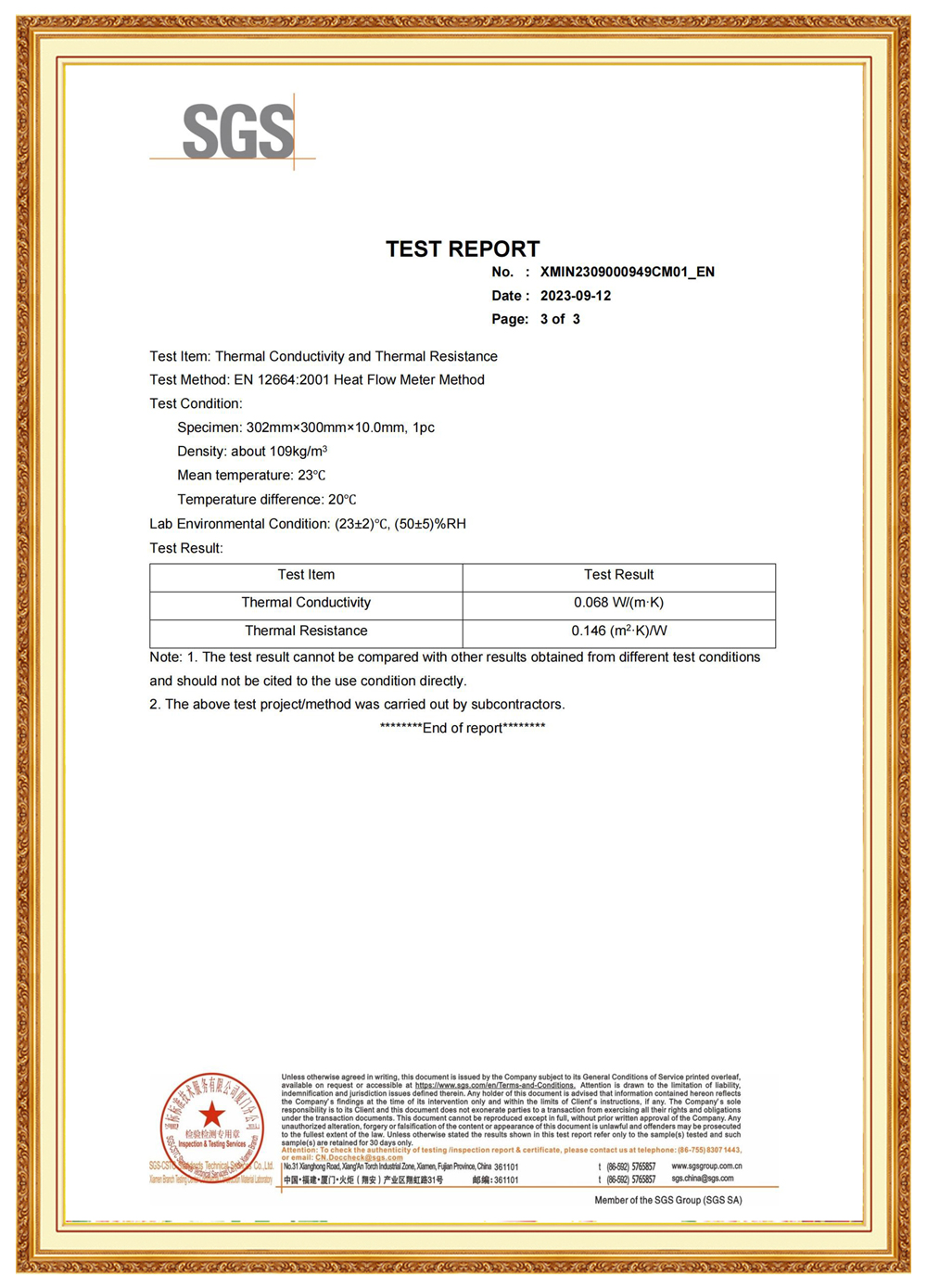
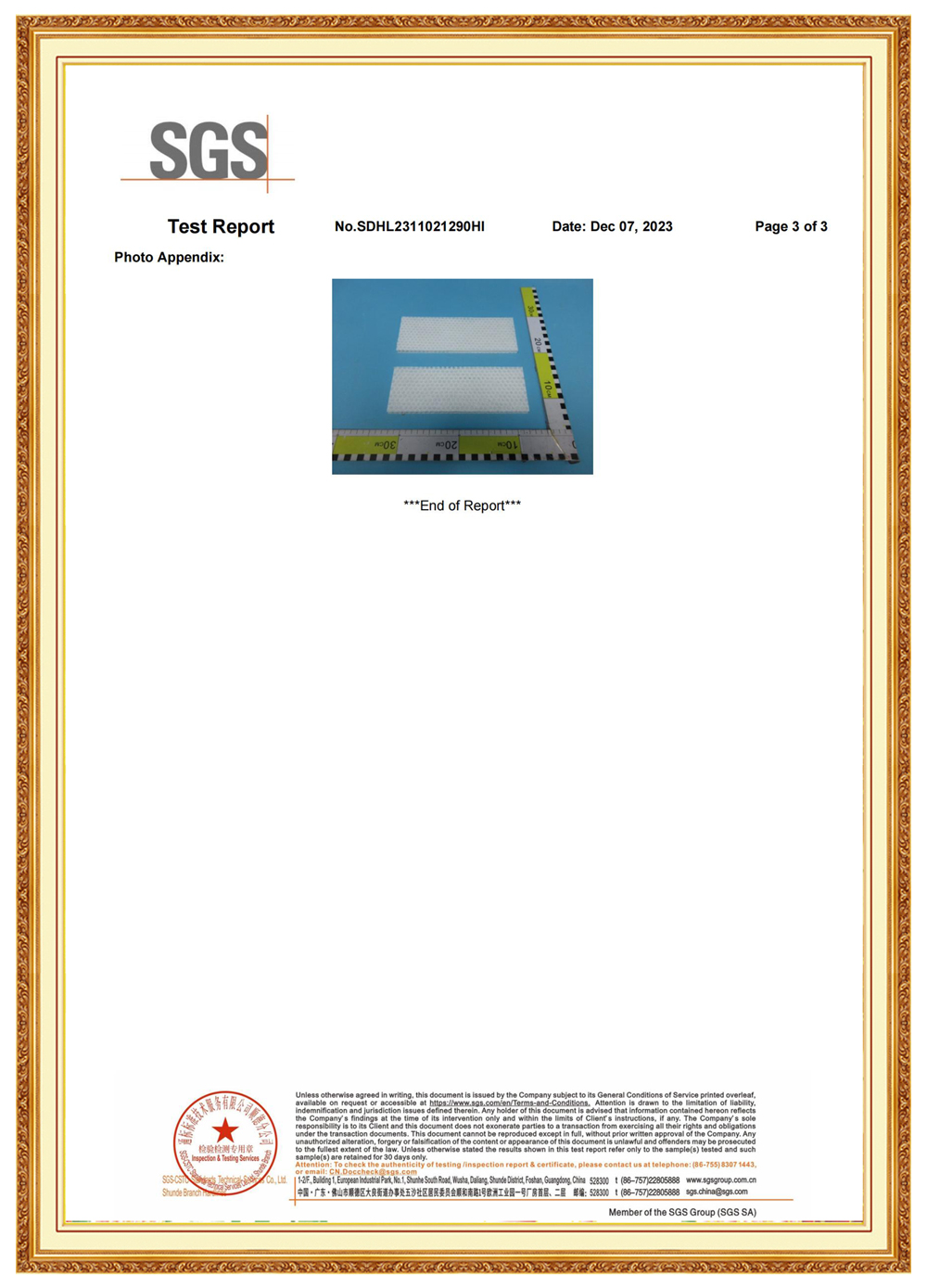
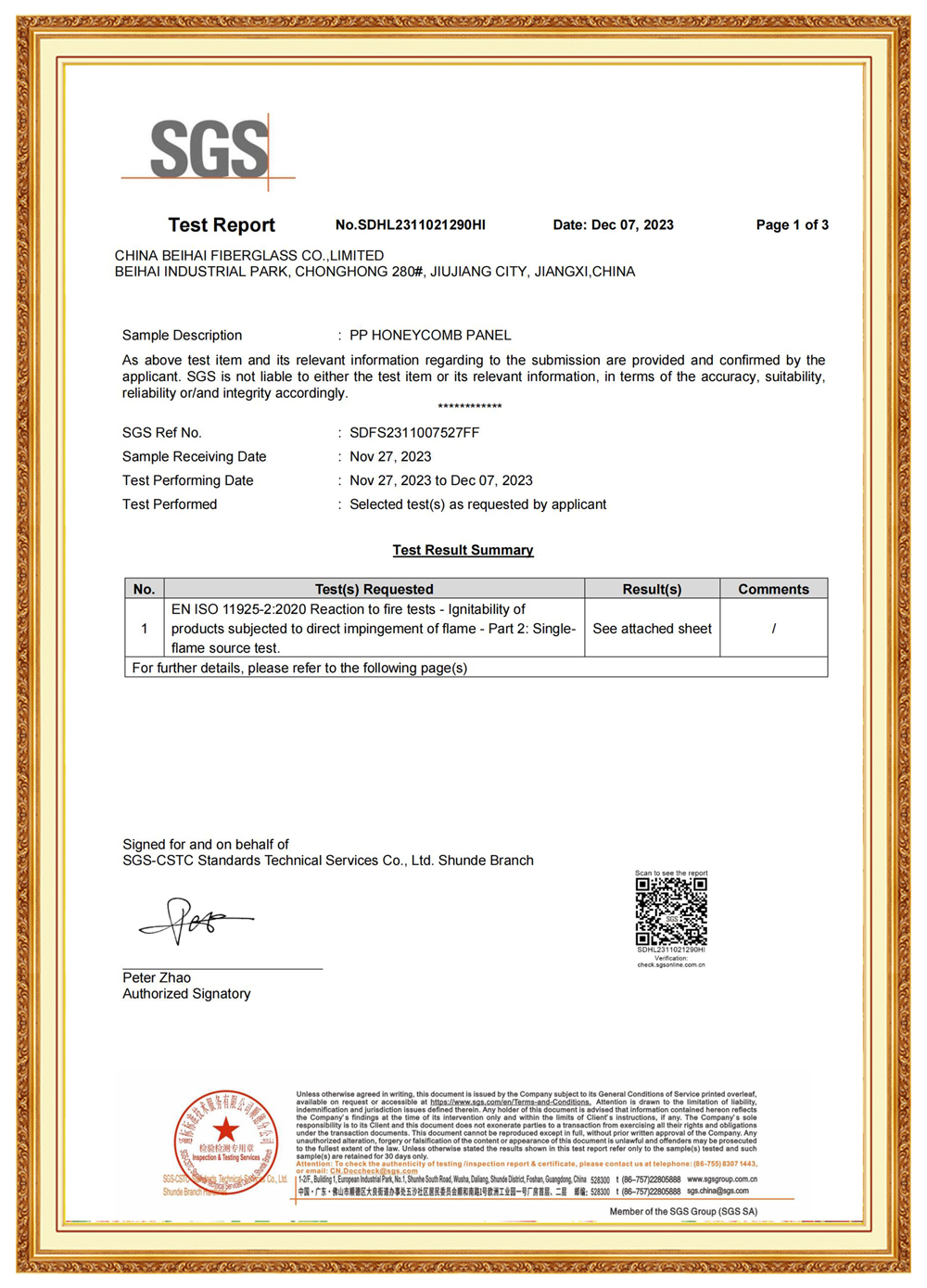
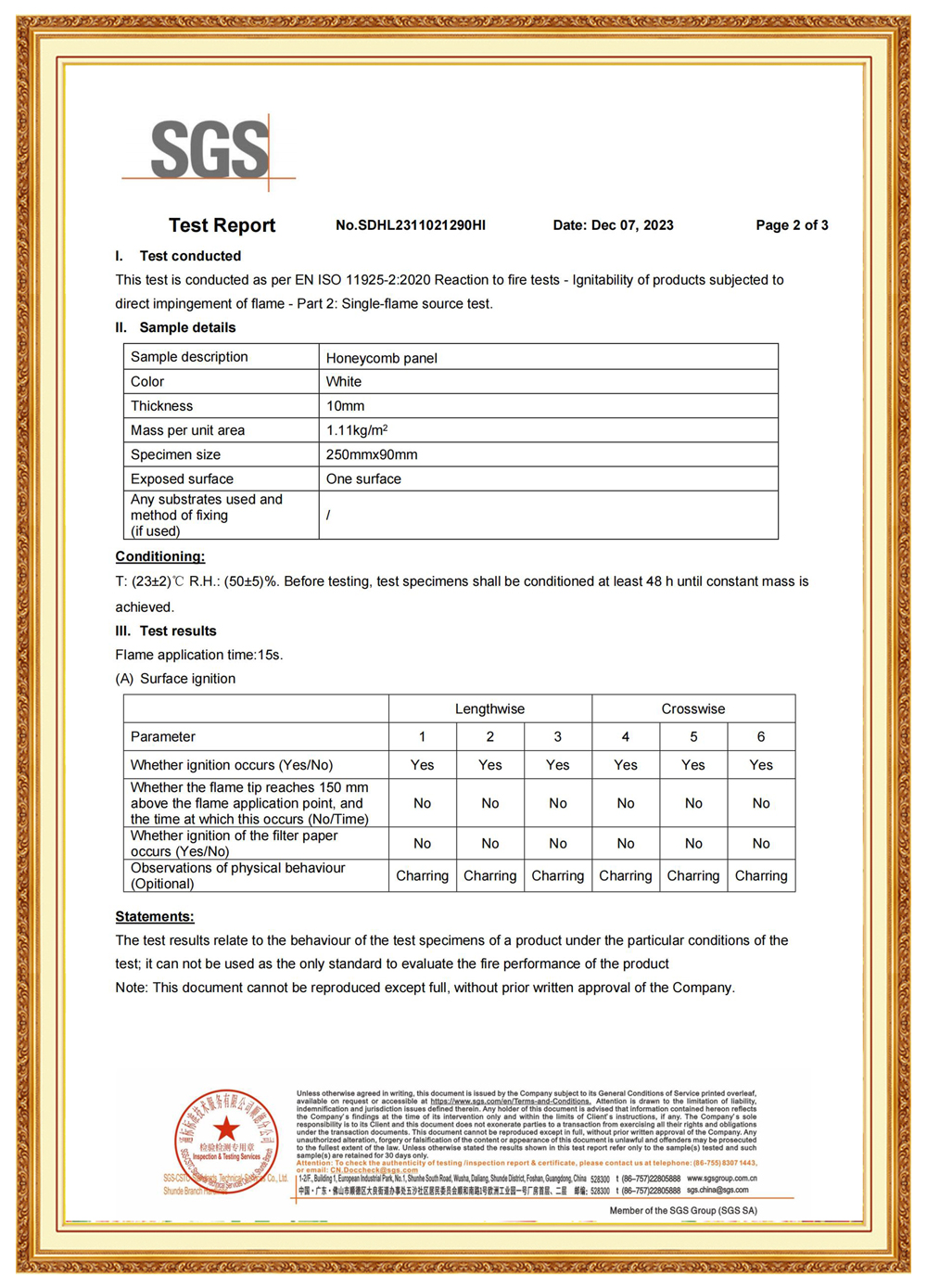
Strict physical inspection protocols, batch traceabilities, and external lab testing verified by third-party global agencies ensure premium performance.
Environmental footprint calculations have become vital metrics for infrastructure builders. Basalt continuous fibers require significantly lower energy to produce compared to synthetic carbon fiber, while releasing zero carbon monoxide or toxic volatile elements into processing channels. As industrial enterprises seek natural, highly recyclable reinforcement materials, basalt fiber demand is projected to scale up exponentially over the next decade.
Modern composites structural research highlights the massive potential of hybridizing structural fabrics. By combining high-modulus carbon fibers with extremely impact-resilient continuous basalt twisted yarns, manufacturers can design multi-axial structural panels that maintain high structural flexibility and impact energy absorption at a much lower production cost compared to full-carbon implementations.
Addressing the essential technical inquiries of structural designers, material engineers, and industrial procurement managers.
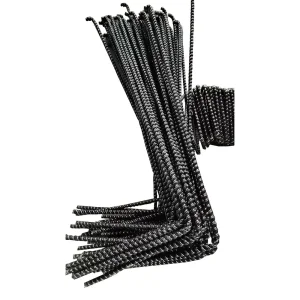
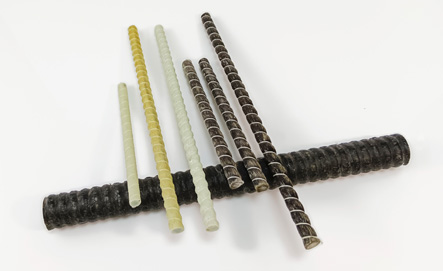
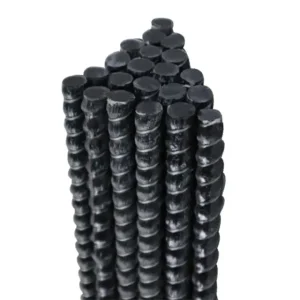
One of the most rapidly growing global applications for basalt composites is the structural replacement of steel rebar with Basalt Fiber Reinforced Polymer (BFRP) Rebar. Traditional carbon steel rebar begins deteriorating rapidly when moisture, chloride ions, or road salt chemicals penetrate concrete cracks. BFRP Rebar is completely immune to this chemical wear.
Furthermore, basalt rebar exhibits non-conductive and non-magnetic behavior. This makes it an absolute requirement for modern healthcare facilities utilizing Magnetic Resonance Imaging (MRI) machines, scientific research laboratories, high-voltage power substations, and heavy-rail transportation lines where electromagnetic interference must be minimized to absolute zero.
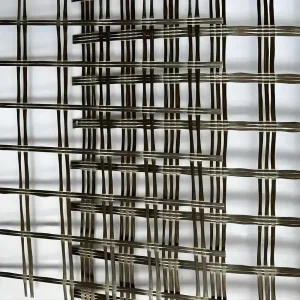
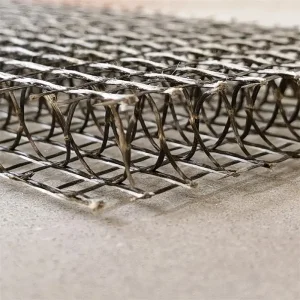
Our secondary catalog features custom woven cloths, structural mesh geogrids, protective sleeves, and industrial-grade continuous roving.
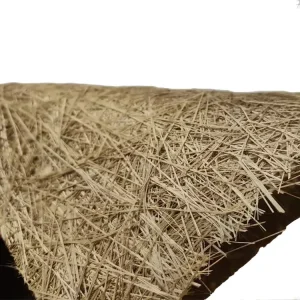
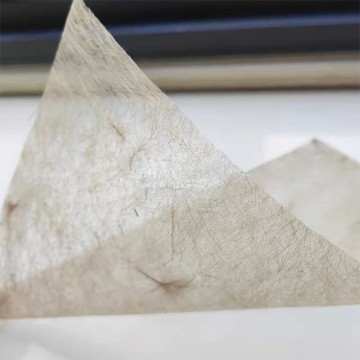
Beyond standard weaving yarns, China Beihai’s proprietary R&D department continues to innovate high-density, multi-layer thermal barriers such as our Basalt Fiber Needled Mat. Manufactured by mechanically carding and high-frequency needle-punching continuous basalt fibers together, this material does not incorporate any artificial chemical adhesives or binders.
The absence of organic binding agents prevents toxic outgassing or smoke generation in the event of close-proximity industrial fires. This needled mat retains its superior physical insulation and acoustic damping properties at temperatures up to 800°C, and is widely deployed inside automotive catalytic converters, industrial pipeline insulation shells, and high-performance ship bulkhead lining arrays.
Track essential updates and developmental breakthroughs detailing how continuous basalt fibers shape the future of high-strength structural engineering.

As autonomous drones slice through the sky to monitor active wildfire zones, and intelligent robots execute complex, high-repetition processing tasks with laser precision on modern factory floors, the highly efficient, robust operation of this advanced smart equipment is increasingly underpinned by a "hardcore support" system.
Continuous basalt fiber composite material acts as this essential support. By replacing heavy, conductive steel components with non-conductive, vibration-dampening basalt parts, manufacturers are achieving weight reductions while retaining protective envelopes. This enables improved energy efficiency, longer battery life for smart equipment, and uncompromised safety in hazardous industrial zones.
 Beihai Fiberglass