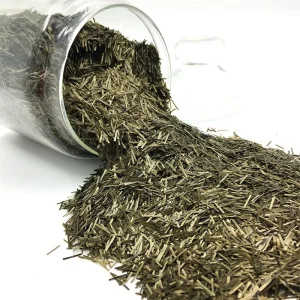
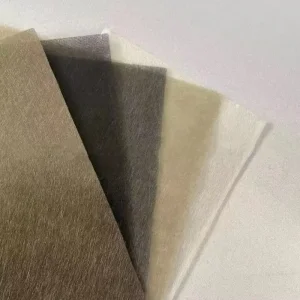
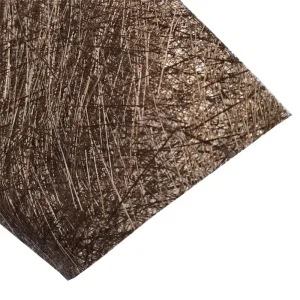
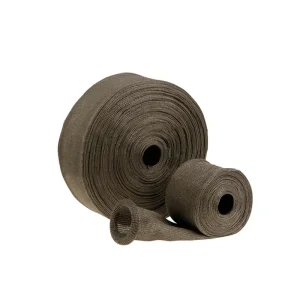
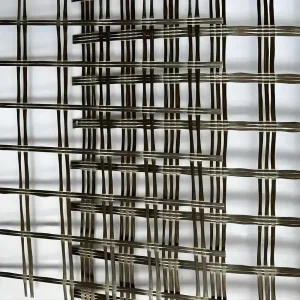
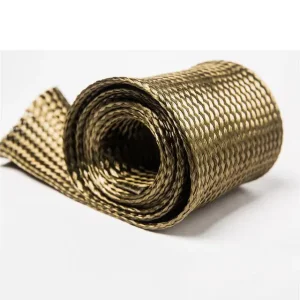
In the landscape of advanced material science, Basalt Fiber has emerged as the "Green Material of the 21st Century." Derived from volcanic rock through a single-component melting process, it offers a superior ecological footprint compared to glass or carbon fibers. Specifically, the 200gsm (grams per square meter) and 300gsm variants represent the most versatile specifications for industrial applications, balancing weight, thickness, and mechanical reinforcement capacity.
The choice between 200gsm and 300gsm basalt fiber products depends heavily on the specific mechanical requirements of the project.
As global regulations tighten around carbon emissions and sustainable construction (e.g., the European Green Deal and China's Carbon Neutrality goals), industries are pivoting away from energy-intensive synthetic fibers. Basalt fiber's manufacturing process requires significantly less energy and produces zero toxic waste.
Macro-Trend Analysis: The market is witnessing a massive surge in demand for Alkali-Resistant (AR) materials. Traditional glass fiber degrades in the high-pH environment of concrete. Basalt, being naturally inert, offers a lifetime solution for maritime infrastructure and chemical processing plants.
Large-scale procurement for 200gsm and 300gsm basalt fiber is no longer limited to niche research. It is now a staple in the supply chains of:
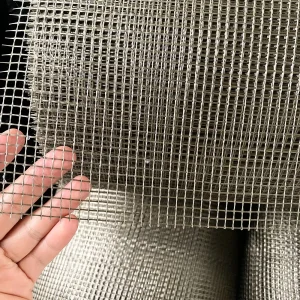
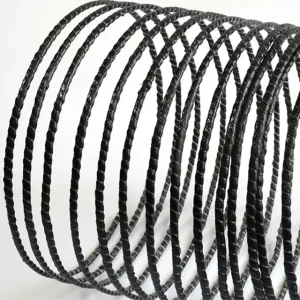
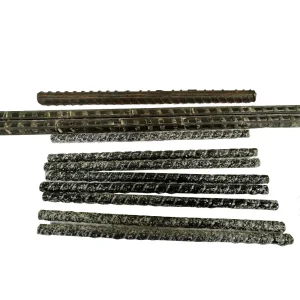
Purchasing agents are prioritizing Basalt Rebar and Mesh to eliminate the "Concrete Cancer" caused by rusting steel.
Lightweighting mandates drive the use of basalt mats in interior panels and under-the-hood heat shields.
Wind turbine blades and oil pipelines utilize basalt’s fatigue resistance and dielectric properties.
In high-density urban environments, basalt fiber 300gsm mesh is integrated into prefabricated wall panels. This reduces the weight of the building by up to 20%, significantly lowering the seismic load and transportation costs.
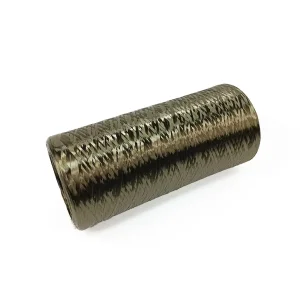
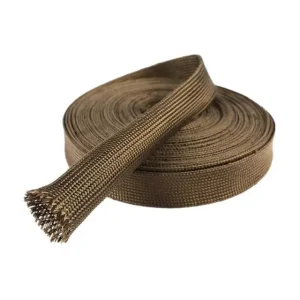
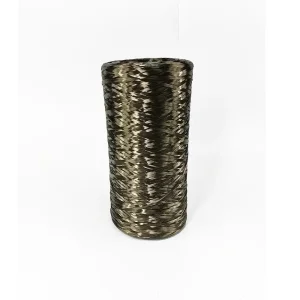
Basalt fiber yarns and sleeves are critical for protecting hydraulic lines and electrical wiring in aerospace engines, maintaining integrity even at temperatures exceeding 600°C where glass fiber would soften and fail.
| Phase | Innovation Target | Impact on 200gsm/300gsm Products |
|---|---|---|
| Short Term (1-2 yrs) | Nano-sizing agents | Increased interfacial bonding with epoxy and vinyl ester resins. |
| Medium Term (3-5 yrs) | Automated Pultrusion 2.0 | Massive price reduction for high-volume wholesale basalt rebar. |
| Long Term (5+ yrs) | Smart Basalt Composites | Embedded sensors within fiber layers for real-time structural monitoring. |
Founded in 2015 and located in Jiujiang, Jiangxi Province, China Beihai is a high-tech enterprise at the forefront of the basalt continuous fiber industry. We don't just sell fiber; we provide engineering certainty.
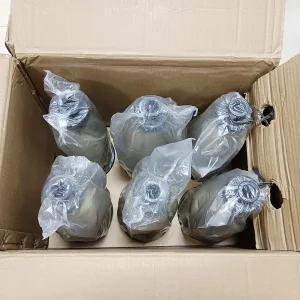
We understand that procurement requires more than a good price. It requires reliability. Our products adhere to international standards including ASTM, ISO, and CE certifications. We offer localized support for logistics, ensuring that your 200gsm or 300gsm orders arrive with full batch traceability and quality assurance reports.
Basalt fiber offers roughly 15-20% higher tensile strength, higher modulus of elasticity, and vastly superior chemical resistance (especially to alkalis) and thermal stability compared to E-glass.
Yes. The 300gsm specification provides the necessary high-tensile energy dissipation required to reinforce older masonry and concrete structures against seismic activity.
Absolutely. We provide custom sizing treatments for our 200gsm and 300gsm products to ensure optimal bonding with epoxy, polyester, phenolic, or vinyl ester resin systems.
Basalt fiber is made from natural rock with no additives, is 100% recyclable, and its production has a lower carbon footprint than glass or carbon fiber, contributing directly to green building points.
 Beihai Fiberglass