Discover how basalt fiber reinforced polymer (BFRP) rods are redefining the performance limits of civil infrastructure, deep marine applications, and precision industrial facilities worldwide through advanced material mechanics and cost-efficiency.
Complete resistance to electrochemical oxidation, high acidic/alkaline concrete matrix exposures, and aggressive marine chloride environments.
Delivers a tensile strength up to 3 times greater than structural carbon steel while representing only a fraction of its volumetric mass.
Non-conductive properties ensure structural integrity without interfering with highly sensitive diagnostic fields or high-voltage energy zones.
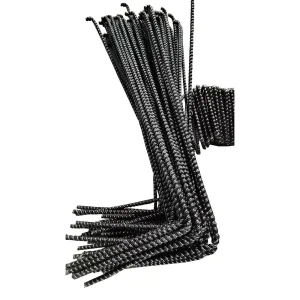
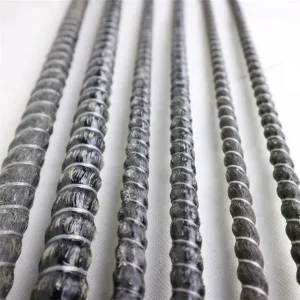
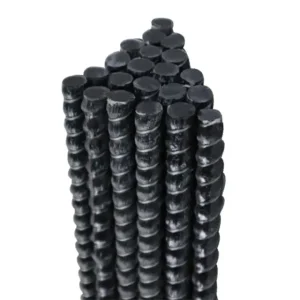
Within the realm of modern structural engineering, the persistent degradation of concrete infrastructure due to inner-reinforcement oxidation constitutes a multi-billion dollar liability annually. Traditional carbon steel rebar, while historically dominant, possesses a vulnerability to chloride ions and aggressive acidic environments, prompting the engineering paradigm to shift. Here, Basalt Fiber Polymer Rods (commonly structured as Basalt Fiber Reinforced Polymer, or BFRP rods) stand at the forefront of this composite material revolution. Crafted from natural volcanic basalt rock melted down at extreme temperatures of 1450°C and pulled into continuous micro-filaments, this mineral core is bound together via premium thermosetting epoxy resin through computerized pultrusion processes.
Unlike ordinary carbon steel, BFRP polymer rods deliver complete resistance to moisture, salt spray, and alkali compounds. This structural immunity ensures that structures situated in coastal zones, maritime ports, wastewater processing complexes, and underground foundations retain their mechanical profile over cycles spanning up to 100 years. As worldwide public works departments and industrial consortiums look to standardize sustainable and high-durability projects, structural designers are rapidly incorporating BFRP rods as the standard baseline reinforcement mechanism.
For global procurement directorships, engineering corporations, and supply line managers, seeking wholesale basalt fiber polymer rods quotes is an exercise in evaluating risk mitigation, regulatory compliance, and total lifecycle-cost minimization. When evaluating suppliers globally, procurement managers must evaluate several technical criteria beyond the base per-meter price:
First, look for consistent fiber-volume fraction configurations (which should ideally reside between 70% and 80%), as this directly determines the final tensile capacity. Second, evaluate the profile of the sizing chemistry used to ensure optimal adhesion with the outer concrete matrix. Finally, verify the reliability and continuity of the production line. Large structural public works projects require thousands of linear meters; any disruption in composite consistency during the pultrusion run can result in structural vulnerabilities.
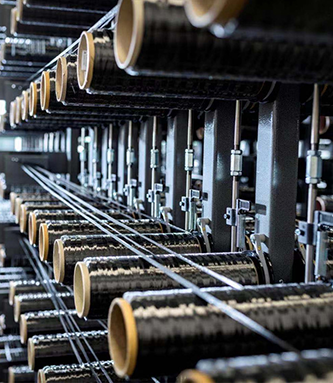
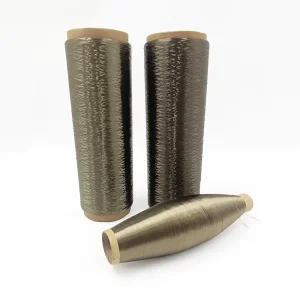
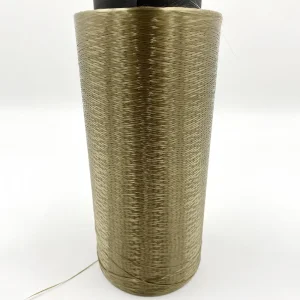
As a leader in the global continuous basalt fiber sector, China Beihai (founded in 2015 and located in Jiujiang, Jiangxi Province) represents a benchmark of modern Factory 4.0 integration. By combining fully automated rock raw sorting with computerized melting control networks, Beihai produces basalt fibers under tight quality bounds. The production lines feature automated multi-roving tension control and real-time resin infusion monitors to guarantee each batch of polymer rebar exhibits uniform chemical distribution and optimized physical characteristics.
Integrating high-tech manufacturing methodologies delivers not only consistent quality, but also robust supply chain protection. With immediate logistics corridors connecting central China to global shipping hubs, international procurement departments are guaranteed consistent supply turnarounds, even in times of volatile global shipping. By combining high-volume scale with strict QA protocols, China Beihai delivers the necessary supply capacities to service massive projects, representing a reliable partner for infrastructure developers globally.
Detailing how the mechanical profile of continuous basalt fiber is applied across complex engineering sectors globally.
Our basalt products have diverse applications in the field of house construction, providing crack-resistant structural reinforcing, lightweight wall panels, and high thermal insulation that reduces building energy footprints.
In the aerospace and aviation fields, basalt continuous fibers are ideal for manufacturing aircraft wings, spacecraft shell materials, thermal protection shields, and engine high-temperature components due to low density and high thermal stability.
Basalt-added concrete and polymer reinforcing rods offer massive mechanical advantages in infrastructure, including enhanced post-crack load bearing, extreme chemical resistance, and minimized concrete cover depth requirements.
Facing the modern trend of lightweight automotive materials, continuous basalt fiber composites are applied in bumpers, floor panels, and structural chassis framing to save weight and maximize cabin energy absorption.
The complete chemical inertness of basalt polymers delivers absolute protection against hydrogen sulfide, crude oil, acid spills, and marine salt environments, making it ideal for offshore drilling platforms and pipelines.
Basalt's high strength, durability, and energy dissipation properties make it ideal for protecting bridge abutments from vehicle collisions, marine ship impacts, fires, and continuous wave action.
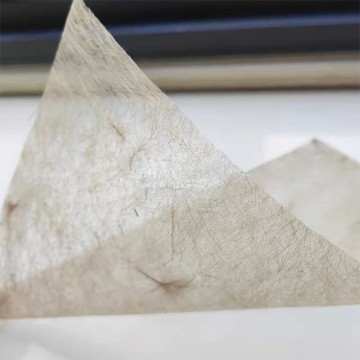
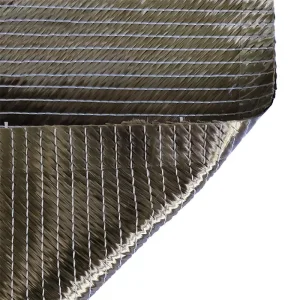
Engineered to provide a smooth, resin-rich surface layer for fiber-reinforced plastic composites...
Read More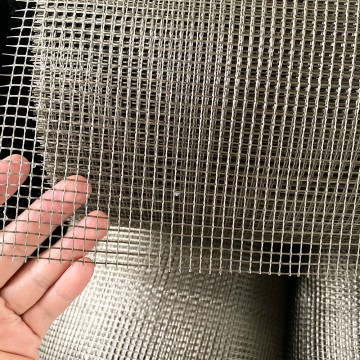
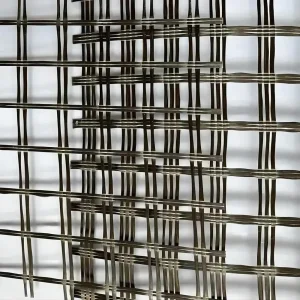
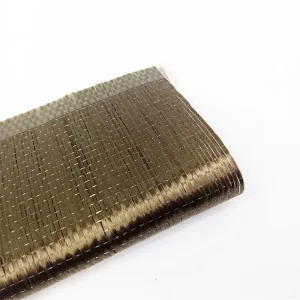
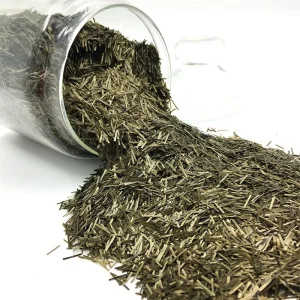
Superior reinforcement for concrete and plaster applications where high alkali resistance is mandatory...
Read More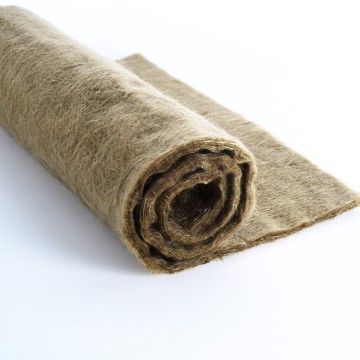
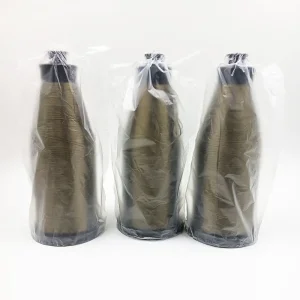
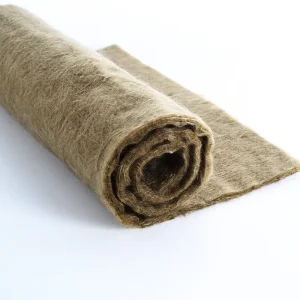
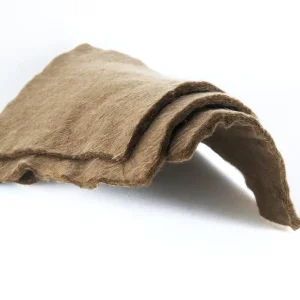
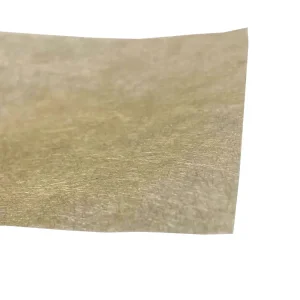
High-density insulation material manufactured by mechanically bonding continuous basalt fibers...
Read More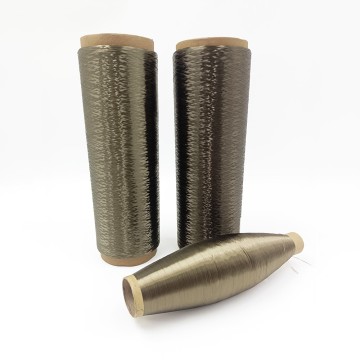
Engineered by twisting multiple continuous filaments to enhance strength and processing stability...
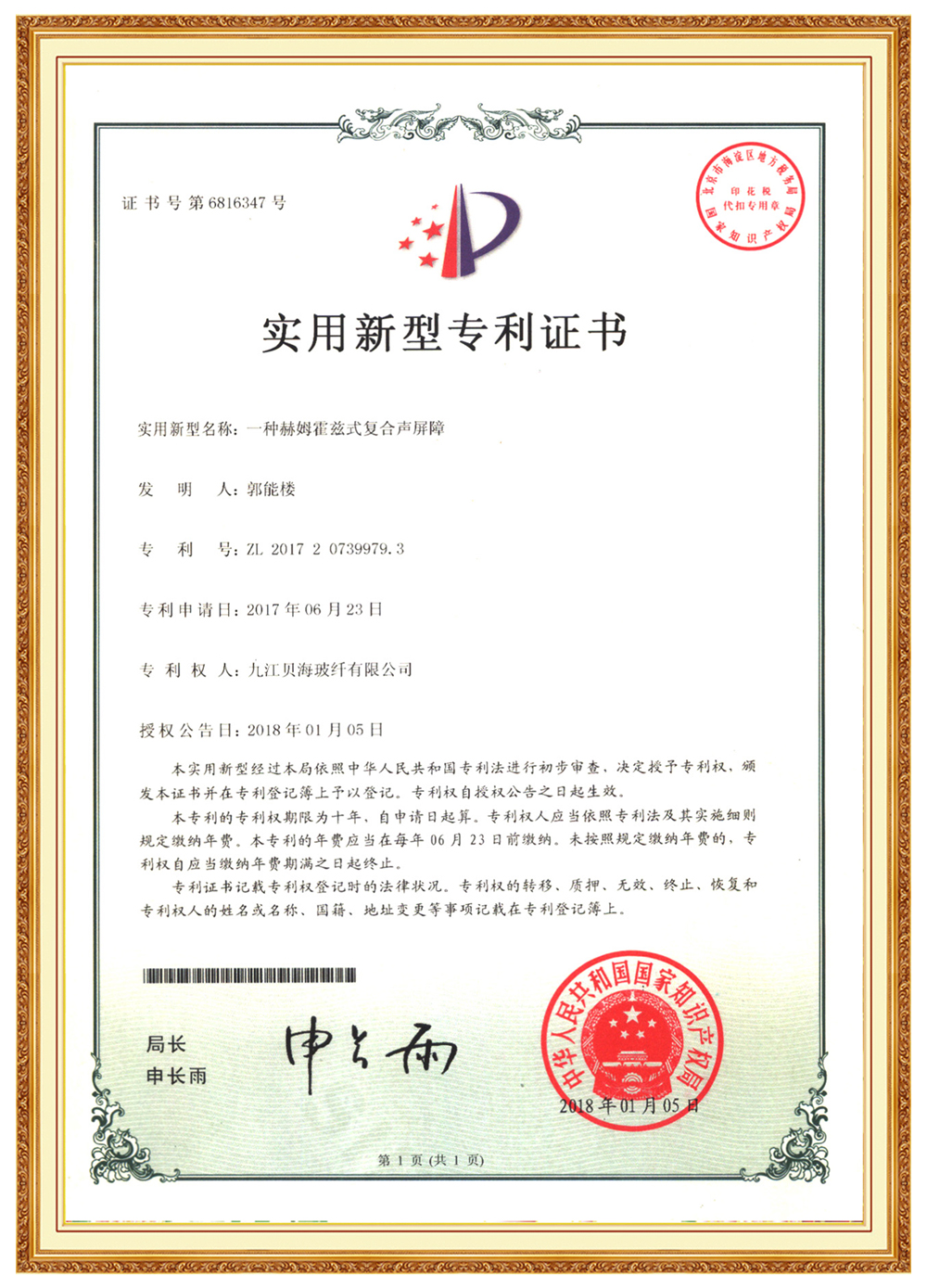
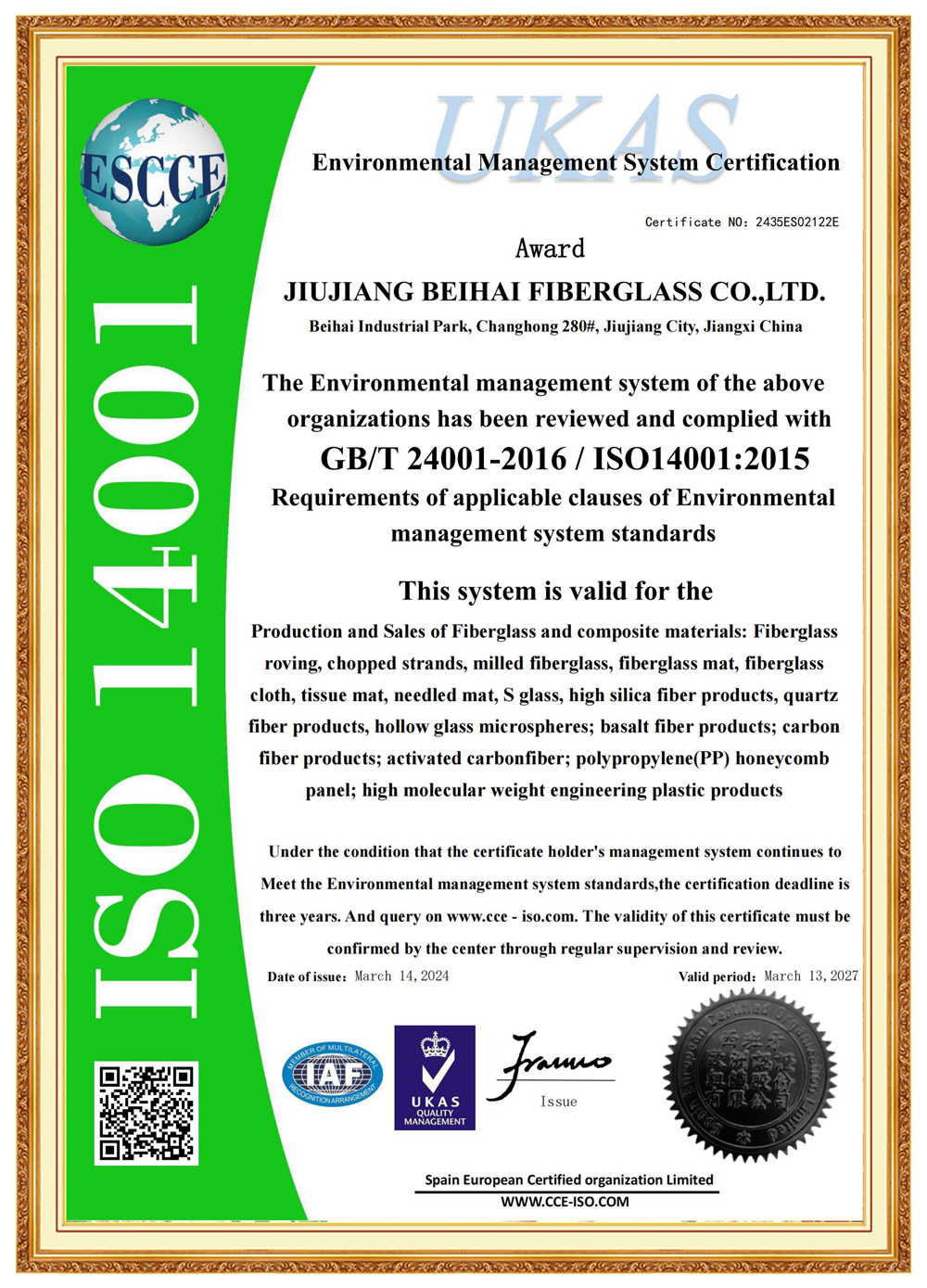
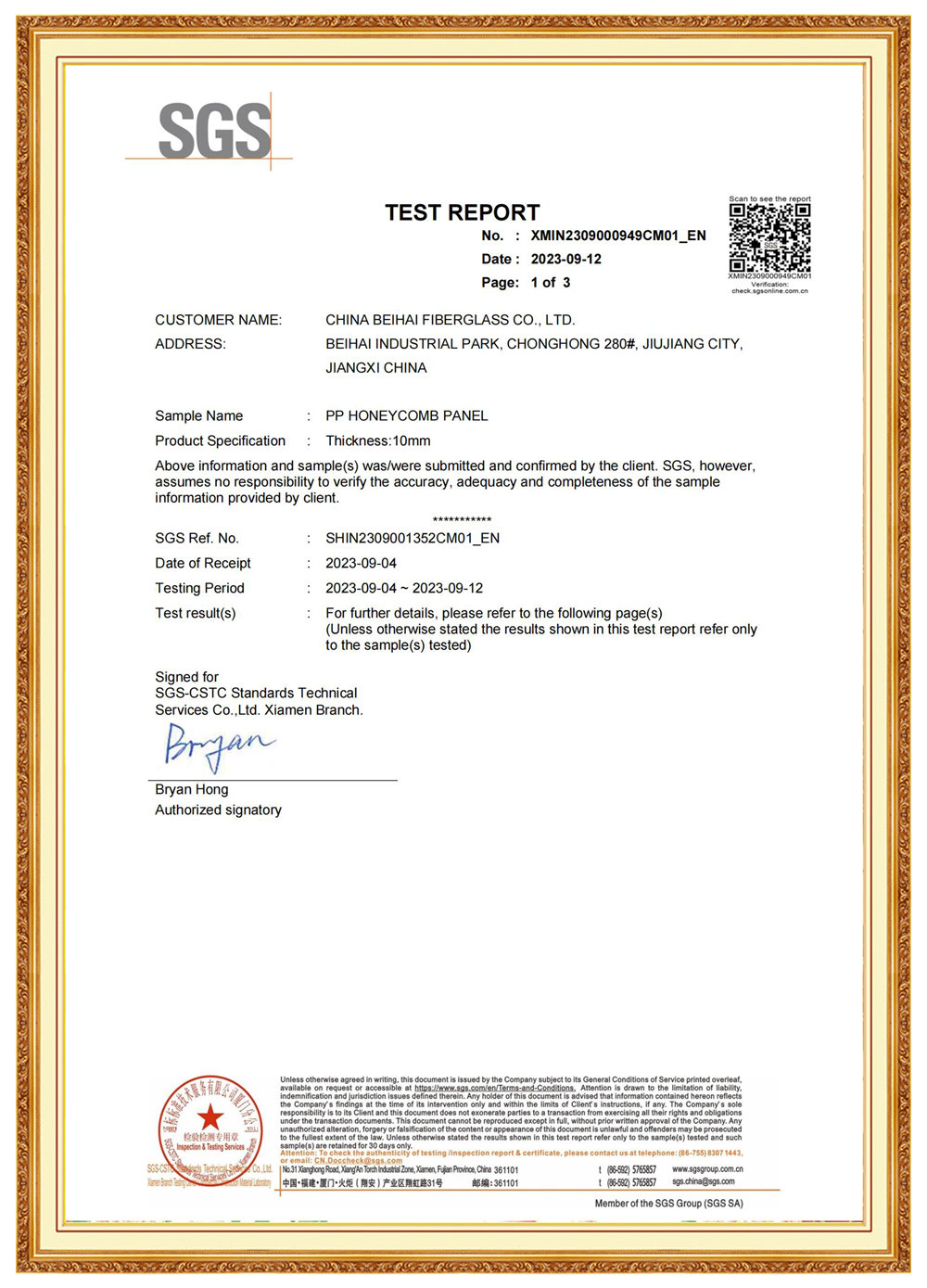
Read MoreAll basalt fiber polymer components and raw rovings are systematically inspected and certified under global structural frameworks.

Addressing critical concerns regarding structural specifications, logistics, and cost performance of basalt polymer products.
Basalt Fiber Reinforced Polymer (BFRP) rods offer massive mechanical advantages. While structural carbon steel exhibits a tensile strength of around 400 MPa, top-grade BFRP rods achieve a tensile strength exceeding 1100 MPa. Additionally, the volumetric density of BFRP is only 1.9–2.1 g/cm³, compared to steel's 7.85 g/cm³. This makes basalt polymer rods approximately one-fourth the weight of steel, greatly reducing structural self-weight, lowering transit and distribution costs, and speeding up installation times on-site.
BFRP polymer rods perform exceptionally well in aggressively corrosive environments. Traditional steel rebar rusts when exposed to moisture and salt, cracking concrete from within. Basalt polymer rods are completely immune to chemical attack, salt-spray oxidation, and concrete pore fluid alkalis. They are highly recommended for bridge decks, maritime retaining walls, sewage treatment tanks, highways exposed to winter de-icing salts, and chemical manufacturing foundations.
Yes, basalt polymers are entirely non-conductive, both electrically and magnetically. This complete magnetic inertness is critical for structures housing highly sensitive diagnostic machinery, such as MRI clinics, micro-chip fabrication Cleanrooms, high-voltage substations, and military radar shelters, where steel reinforcement would disrupt the electromagnetic fields.
At China Beihai, our Factory 4.0 production features real-time, automated raw basalt parsing, high-precision thermal control systems for melting basins, and computerized continuous pultrusion lines. This systematic process monitoring ensures the final basalt fiber polymer rods have a uniform fiber-volume fraction and sizing application, meeting the strict design requirements of major international construction projects.
 Beihai Fiberglass