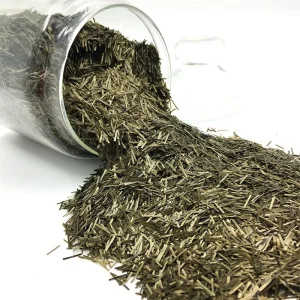
 Custom Basalt Fiber Chopped Strands For BMC Suppliers
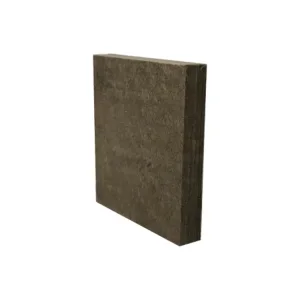 China High-Performance Basalt Fiber Board Products
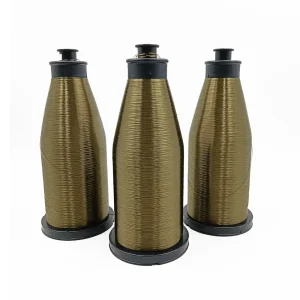 China Basalt fiber twisted yarn Product, Supplier
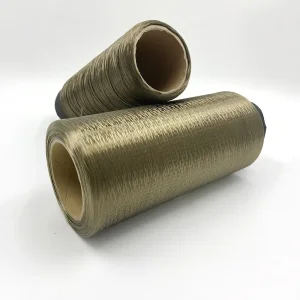 Custom Basalt Fiber Roving For SMC Process
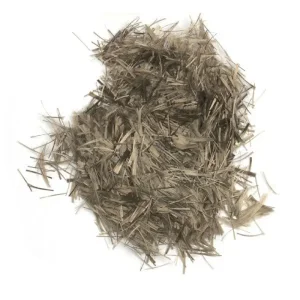 Wholesale Basalt Fiber Chopped Strands For Mat
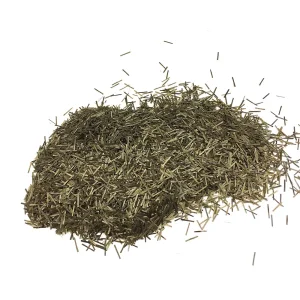 Custom High Quality Basalt Chopped Fiber Quotes
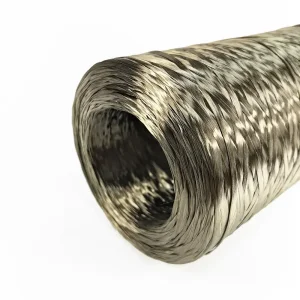 Corrosion-Resistant Basalt Fiber Roving for Construction
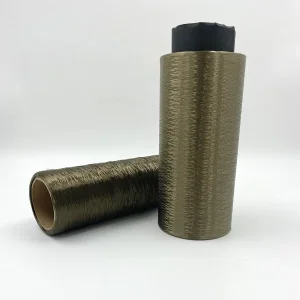 Alkali Resistance Direct Roving for Fire-resistant Materials
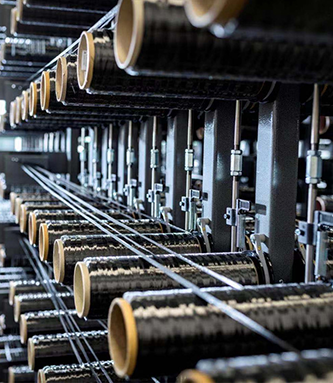
China Beihai: A Pioneering High-Tech Enterprise since 2015.
Located in the industrial hub of Jiujiang, Jiangxi Province, China Beihai has emerged as a global frontrunner in the research, development, and mass production of high-performance basalt continuous fiber. Our expertise extends beyond material synthesis to the engineering of proprietary production equipment, ensuring that we maintain a vertical integration advantage in the market.
As a leading enterprise in the domestic basalt fiber industry, we serve as a critical node in the global supply chain, bridging the gap between raw volcanic rock and sophisticated composite engineering.
We specialize in a comprehensive portfolio including basalt fiber mat (chopped strand mat, cloth), roving, yarn, chopped strands, and structural products like Basalt Fiber rebar, sleeves, and tape.
We deliver sustainable, high-quality solutions tailored for geotechnical engineering, civil construction, and advanced manufacturing through rigorous innovation and quality control.
Beyond simple manufacturing, Basalt Fiber Roving represents a paradigm shift in material science. This guide explores the macroeconomic drivers and technical specifications that define current procurement trends.
In the current global economic landscape, "Decarbonization" and "Infrastructure Longevity" are driving the surge in Basalt Fiber Roving demand. Unlike glass fiber, basalt offers superior thermal stability and chemical resistance. Strategic buyers in Europe and North America are increasingly pivoting to basalt to mitigate the high CO2 footprint of carbon fiber while achieving performance levels 15-20% higher than standard E-Glass.
The roadmap focuses on "Intelligent Smelting" and "Surface Sizing Chemistry." By optimizing the silane coupling agents applied to roving, we enhance the interfacial adhesion between basalt filaments and resin matrices (Epoxy, Polyester, Vinyl Ester). Future trends involve the development of "Direct Roving" with filament diameters optimized for pultrusion and filament winding, reducing breakage and maximizing line speed.
Basalt fiber is no longer a niche material. It is the primary solution for Seawalls and Bridge Deck Reinforcement due to its total immunity to chloride ion corrosion. In the Renewable Energy sector, basalt roving is being tested for wind turbine blades to improve recyclability—a major pain point for the fiberglass industry.
Unveiling the Infinite Potential of Basalt Fiber through Performance Data
Thermal Resistance
Tensile Strength
Corrosion Vulnerability
Natural Origin
Basalt fiber is ideal for your engineering projects. Its high strength, corrosion resistance, and lightweight properties allow it to solve a variety of challenges. In buildings, bridges, and roads, basalt fibers demonstrate outstanding performance, extending structural life and reducing maintenance costs significantly compared to traditional steel or glass fiber reinforcements.
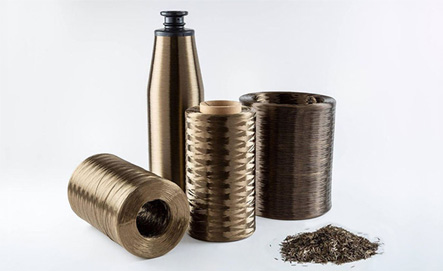
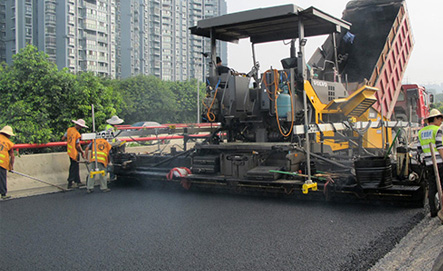
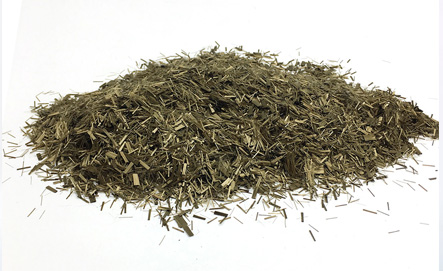
Where China Beihai Basalt Fiber Redefines Performance
Used in wall reinforcement, internal insulation, and high-rise structural elements for fire safety and seismic resilience.
Ideal for aircraft engine components and cabin interiors where weight reduction and fireproofing are paramount.
Facilitating the transition to lightweight EVs by replacing heavier metal parts with basalt-reinforced composites.
Bridge pier protection and deck reinforcement, providing decades of service life without maintenance.
Corrosion-resistant pipes and tanks that withstand aggressive chemical environments better than stainless steel.
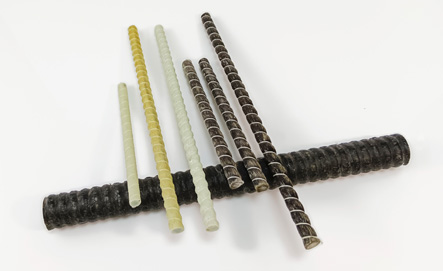
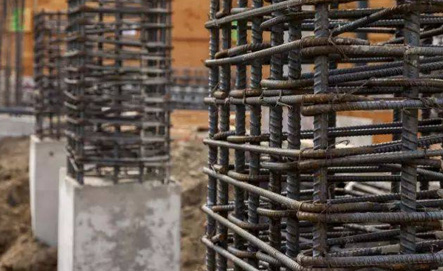
Our Basalt Fiber Rebar is a high-strength alternative to traditional steel bars. Its excellent performance makes it ideal for a variety of construction applications such as bridges, highways, and marine infrastructure projects.
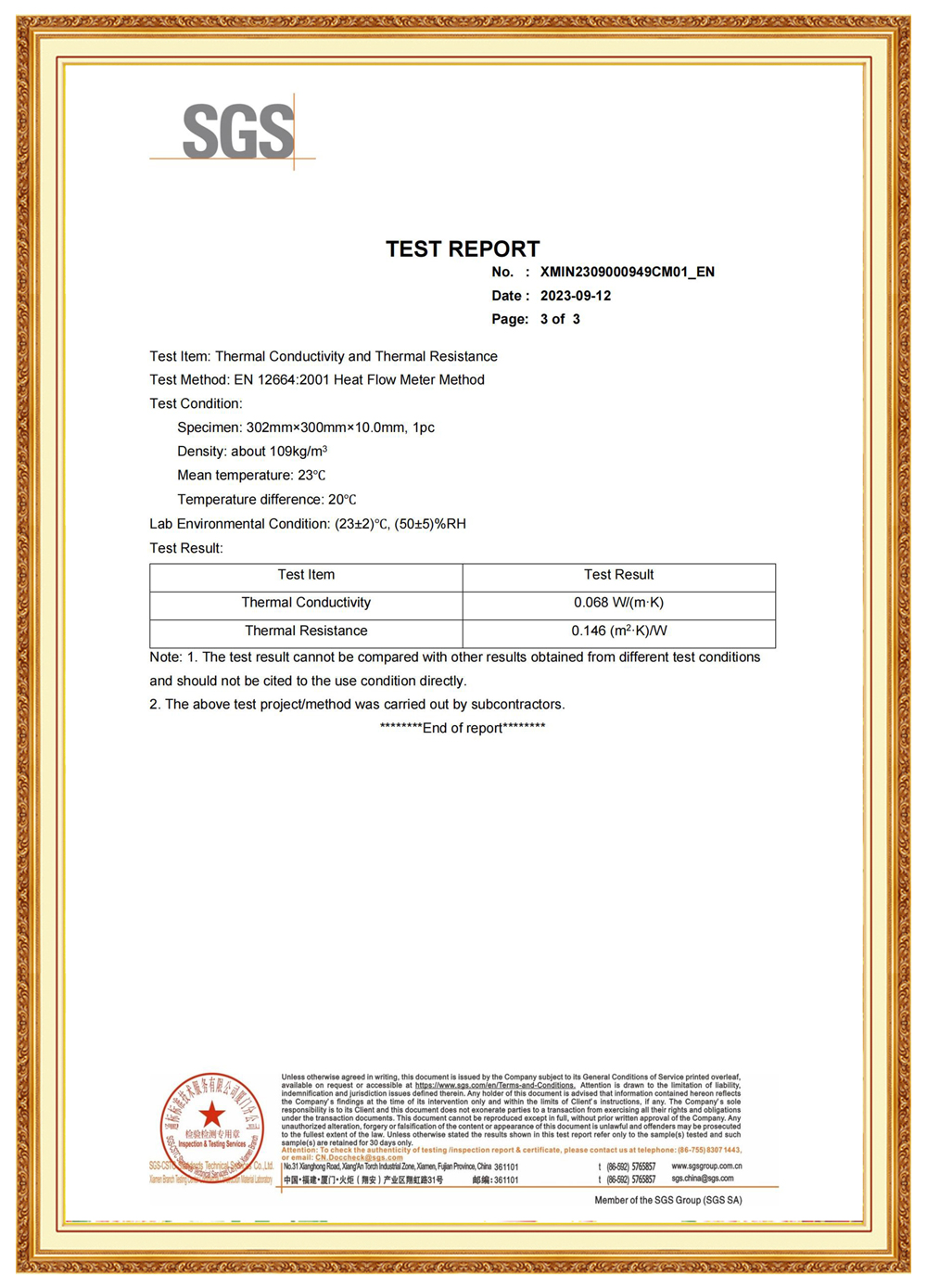
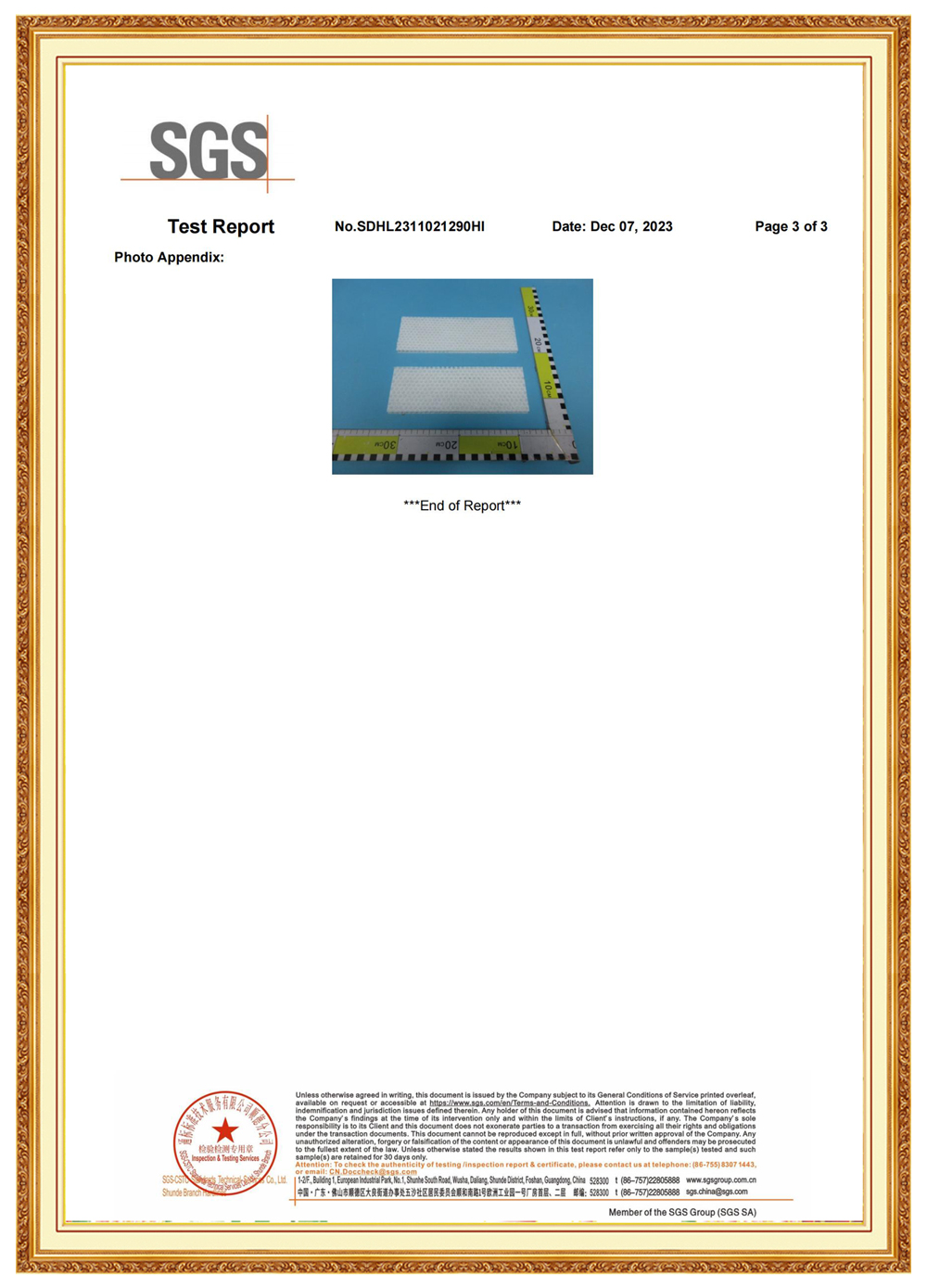
At China Beihai, we understand that quality is synonymous with trust. Our production processes are ISO 9001 certified, and our basalt products meet stringent international standards including ASTM and GOST. We provide comprehensive localization support, ensuring that our technical data sheets (TDS) and safety data sheets (SDS) are compliant with regional regulations like REACH and RoHS.
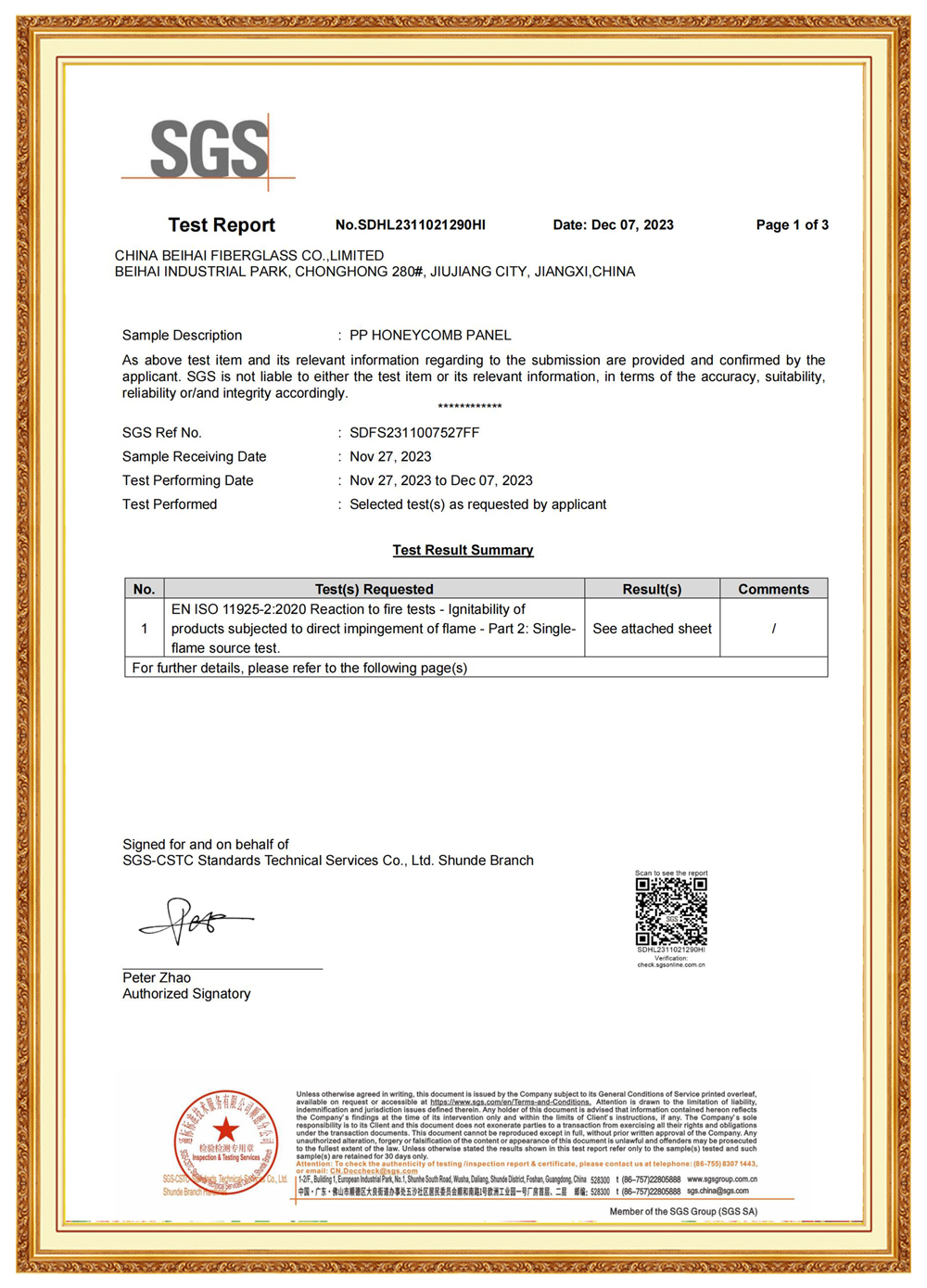
With an annual production capacity that ranks among the world's highest, we ensure that our global partners—from manufacturers in Germany to construction firms in the UAE—never face supply bottlenecks. Our Jiujiang facility is strategically located near major shipping ports to optimize logistics and reduce lead times.
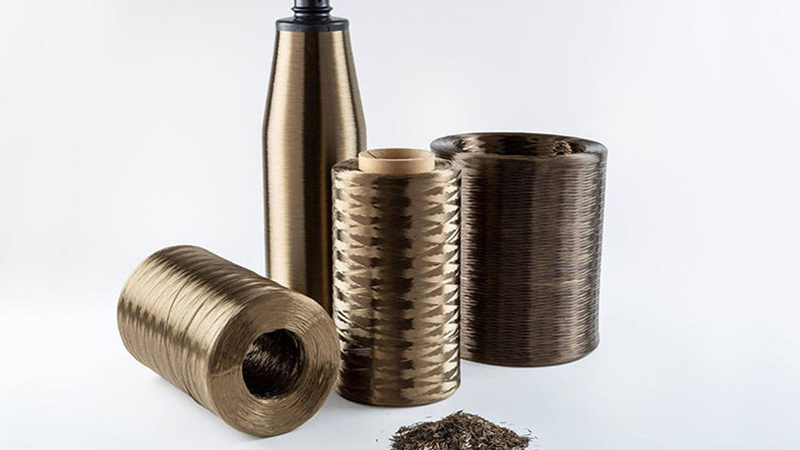
As drones and intelligent robots redefine factory floors, the need for "hardcore support" materials is surging. Basalt fiber composites are at the forefront...
Read More → High-temperature Resistant Basalt Fiber Woven Fabric
China Basalt Fiber Board Quotes, Suppliers
High-temperature Resistant Basalt Fiber Woven Fabric
China Basalt Fiber Board Quotes, Suppliers
 China High-Performance Material Basalt Fiber Products
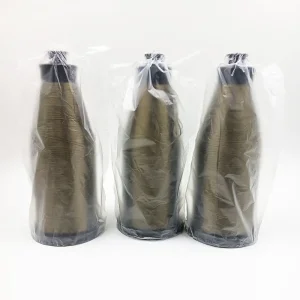 China Basalt Fiber Yarn for Heat Insulation Pricelist
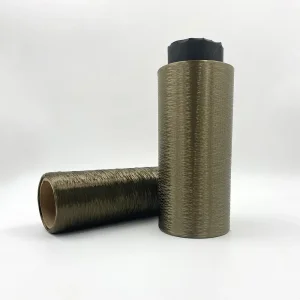 Custom Corrosion-resistant High-performance Direct Roving
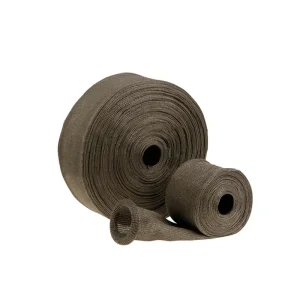 Custom Insulation Basalt Fiber Wrapping Tape and Sleeving
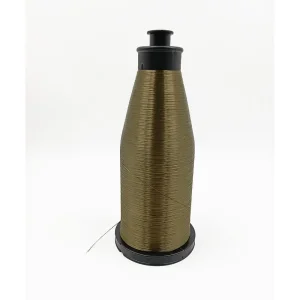 Wholesale Eco-Friendly Basalt Fiber Twisted Yarn 68/136tex
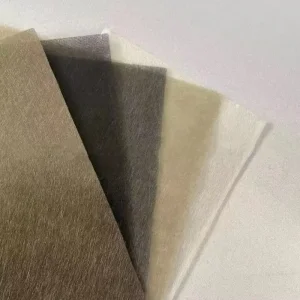 Wholesale Basalt Fiber Surfacing Tissue Mat Quotes
 Beihai Fiberglass