Engineered Basalt Fiber Solutions for Modern Infrastructure and Industrial Resilience
Defining the next generation of non-combustible, ultra-high-temperature protection.
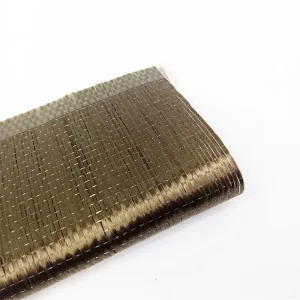
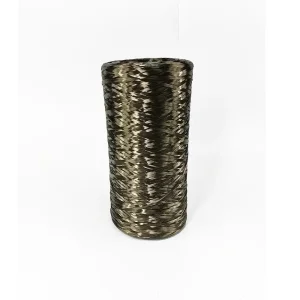
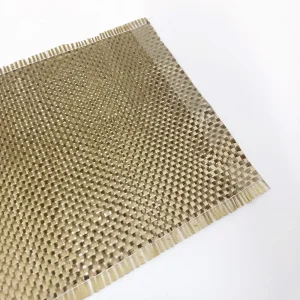
Basalt fiber sleeves are derived from 100% natural volcanic rock through a high-precision extrusion process at 1450°C. Unlike fiberglass, basalt provides superior dielectric strength and significantly higher tensile modulus. It is chemically inert, making it immune to acids, alkalis, and moisture, which often degrade E-glass over time. In a whitepaper context, basalt is the "Golden Middle" between economical fiberglass and ultra-expensive carbon fiber.
Operating in environments where standard polymers fail, basalt fiber sleeves maintain structural integrity from -260°C to +700°C. Short-term exposure can withstand up to 980°C. This makes them indispensable for shielding hydraulic hoses, exhaust systems, and electrical cables in automotive and aerospace industries. The low thermal conductivity (0.031-0.038 W/m·K) ensures maximum energy efficiency in heat retention applications.
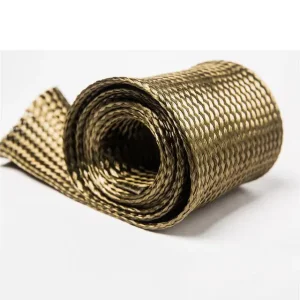
Braided basalt sleeves offer exceptional abrasion resistance and vibration damping. The interlocking weave pattern allows for flexibility (expandability/contraction) while maintaining a tight protective barrier against molten metal splashes or high-pressure friction. For global procurement officers, this longevity directly translates to a lower Total Cost of Ownership (TCO) due to reduced maintenance cycles.
Leveraging Jiujiang's industrial clusters for high-volume, precision manufacturing.
Founded in 2015 and situated in Jiangxi Province, China Beihai has pioneered the integration of basalt fiber R&D with large-scale industrial output. Our factory utilizes proprietary furnace technology that ensures consistent filament diameter—a critical factor for the uniform braiding of high-quality sleeves. By controlling the entire supply chain from raw rock processing to finished braided sleeves, we provide a 15-25% cost advantage over Western competitors without compromising on ASTM or DIN standards.
Navigating international trade requires more than just a good product. We offer localized support through technical data sheets (TDS) and material safety data sheets (MSDS) compliant with REACH and RoHS regulations. Our logistics network ensures DDP/CIF delivery options to North America, Europe, and the Middle East, with specific focus on meeting the UL-standard flame retardancy requirements for electrical insulation.
Our pricing model is transparent and volume-driven. Key variables affecting the basalt fiber sleeves pricelist include: 1) Inside Diameter (ranging from 6mm to 150mm), 2) Wall Thickness (standard vs. heavy-duty), and 3) Custom Coating (silicone, acrylic, or PTFE). For wholesale buyers, we offer tiered pricing tiers for 1000m, 5000m, and container-load orders, ensuring maximum profitability for distributors.
Where high-temperature resilience meets futuristic engineering needs.
Used extensively for turbocharger heat shields and exhaust manifold insulation. Basalt sleeves prevent heat soak in the engine bay, increasing overall performance and protecting sensitive electronic sensors from thermal degradation.
Lightweighting is the core objective. Basalt fiber's strength-to-weight ratio makes it ideal for protecting aircraft wiring harnesses and fuel lines against accidental fire and extreme pressure fluctuations.
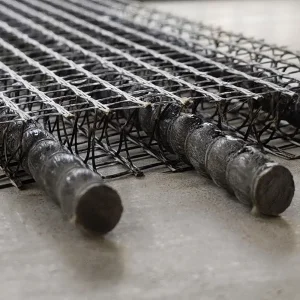
In seismic zones, basalt sleeves are used to encase rebar or structural cables to provide a secondary layer of corrosion protection and fire resistance, extending the life of bridges and high-rise foundations.
Protecting workers and equipment from steam pipe bursts. The chemical resistance of basalt ensures that it won't rot or weaken when exposed to oil, gas, or corrosive chemicals common in refineries.
Basalt as the sustainable alternative in the circular economy.
As the world pivots toward the UN Sustainable Development Goals (SDGs), basalt fiber is emerging as the premier eco-fiber. Unlike glass fiber (which requires energy-intensive chemical additives) or carbon fiber (which has a massive carbon footprint), basalt is made from a single ingredient: stone. It is 100% recyclable and non-toxic.
Market analysts predict a CAGR of 12.5% for basalt fiber products through 2030, driven by the electric vehicle (EV) battery shielding market. The need for fireproof barriers that can contain "thermal runaway" in lithium-ion batteries has positioned basalt fiber sleeves as a critical safety component for next-gen mobility.
Furthermore, the integration of Smart Weaving—incorporating fiber-optic sensors into basalt sleeves—is currently in the R&D phase at China Beihai, allowing for real-time monitoring of pipe temperature and structural health.
Expert answers to the most common procurement and engineering queries.
While carbon fiber is stiffer, basalt is much more impact-resistant and significantly cheaper (approximately 1/5th the cost). For thermal protection, basalt is superior because it does not conduct heat as readily as carbon fiber.
No. Basalt fiber has a diameter typically between 9 and 20 microns, which is well above the "respirable" range for human lungs. It is classified as safe to handle, though standard PPE (gloves/masks) is recommended to prevent minor skin irritation from fiber ends.
Yes. As a direct manufacturer, China Beihai can adjust braiding density and layer count to meet specific burst pressure or extreme abrasion requirements. We offer wall thicknesses from 0.5mm up to 5mm.
Standard inventory items ship within 7 days. Custom-braided sleeves typically have a lead time of 15-20 days. Sea freight to Europe/US takes an additional 30-40 days, while air freight takes 5-7 days.
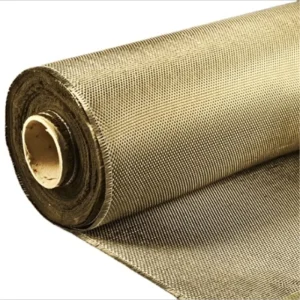
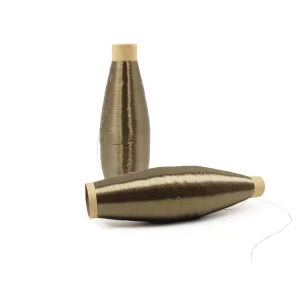
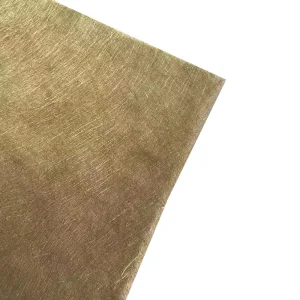
Complementary basalt products for integrated engineering solutions.
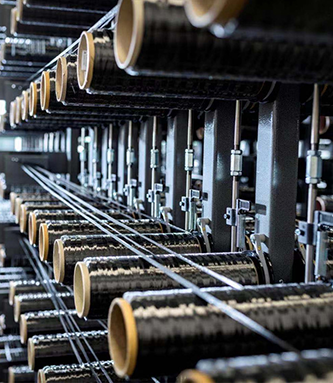
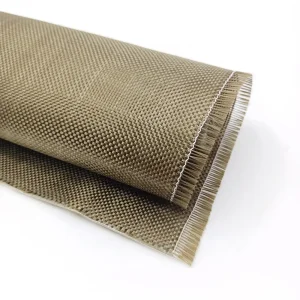
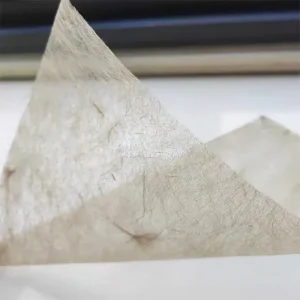
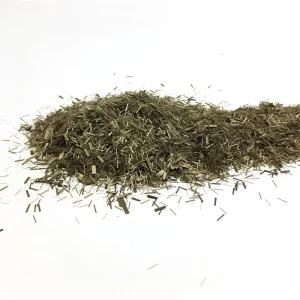
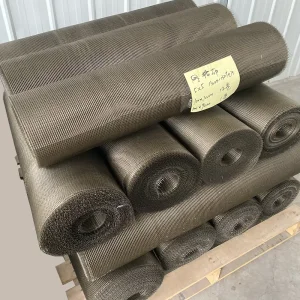
China Beihai is a high-tech enterprise focusing on the research, development, production and sales of high-performance basalt continuous fiber and its production equipment manufacturing, as well as a leading enterprise in the domestic basalt fiber industry.
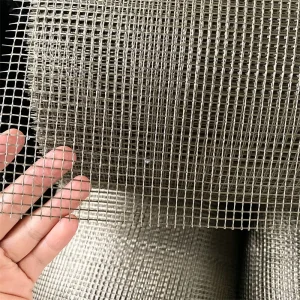
Its high strength, corrosion resistance and lightweight properties allow it to easily solve a variety of challenges in buildings, bridges, and aerospace infrastructure projects.
Beyond sleeves: our comprehensive range of basalt-based reinforcement materials.
 Beihai Fiberglass