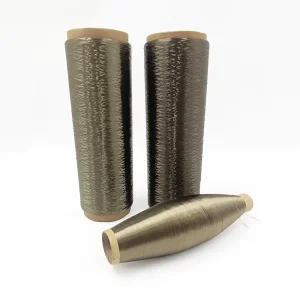
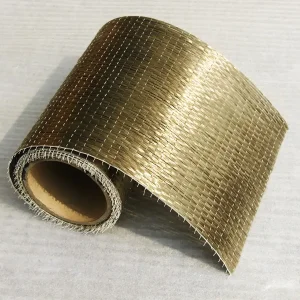
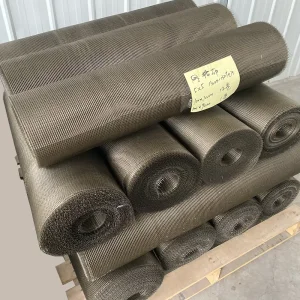
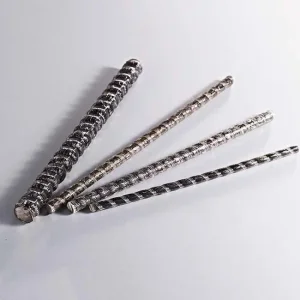
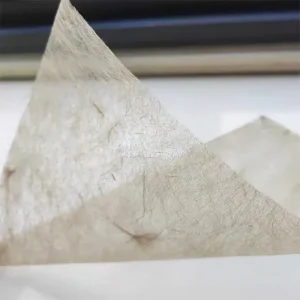
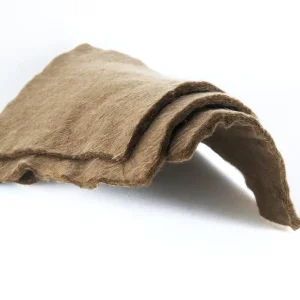
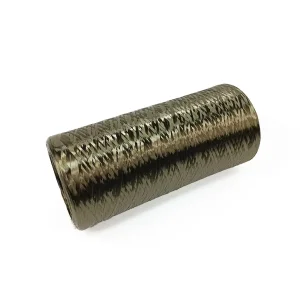
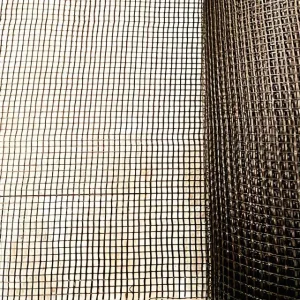
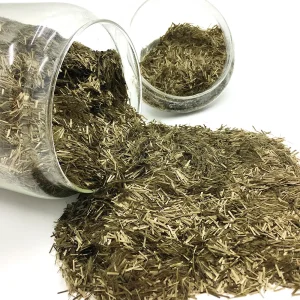
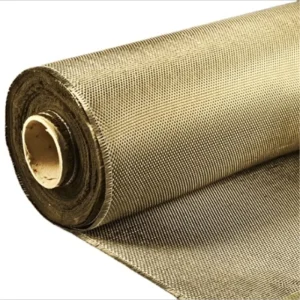
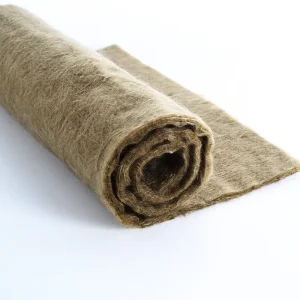
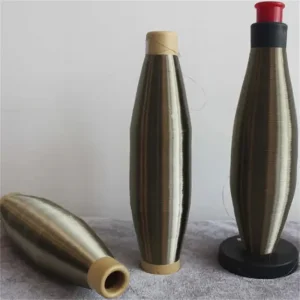
Discover our globally certified industrial basalt products
Strategic analysis of the evolving demand for inorganic fiber solutions
The global Basalt Fiber market is projected to witness a CAGR of over 12.5% through 2030. Driven by rigorous fire safety regulations and the global shift toward Net-Zero carbon emissions, basalt insulation felt has transitioned from a niche aerospace material to a mainstream industrial necessity.
Unlike glass wool or mineral wool, basalt fiber is derived from 100% natural volcanic rock. Its production process has a significantly lower carbon footprint, making it the preferred choice for LEED-certified green building projects and sustainable automotive manufacturing.
As a leading supplier, China Beihai (founded 2015) leverages decades of geological expertise to select premium basalt ores, ensuring that every batch of insulation felt meets ISO 9001 and CE international standards for thermal resistance.
Integrating AI-driven production with volcanic raw material mastery
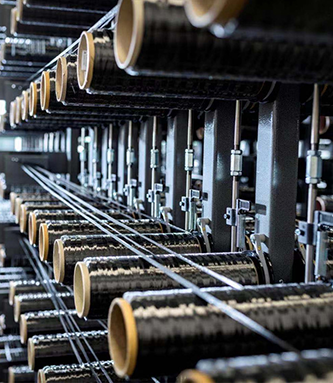
Located in Jiujiang, Jiangxi Province, China Beihai has pioneered the automation of continuous basalt fiber production. Our factory efficiency is anchored in three core pillars:
Solving extreme thermal and acoustic challenges across industries
Thermal protection systems for spacecraft shells and aircraft engine insulation.
Corrosion-resistant insulation for high-pressure pipelines and storage tanks.
Lightweight exhaust system heat shields and acoustic dampening panels.
Fireproof wall insulation and structural reinforcement for earthquake zones.
Saltwater resistant insulation for hull structures and engine rooms.
Technical data that differentiates Basalt Fiber from traditional alternatives
Unlike glass fiber, Basalt Insulation Felt does not require chemical additives during the melting process, meaning it produces zero toxic fumes when exposed to open flame—a critical factor for public safety in tunnels and skyscrapers.
The rise of basalt-carbon hybrids is creating a new class of materials that offer the high modulus of carbon fiber with the impact resistance and low cost of basalt.
Integration of sensor-embedded basalt mats to monitor structural integrity and thermal leakage in real-time for industrial "Digital Twin" systems.
Basalt is 100% recyclable back into the melting process. As global regulations tighten on landfilling mineral wools, basalt's recyclability is becoming a major procurement driver for Fortune 500 companies.
Expert answers for global procurement managers and engineers
A: For standard specifications, our China factory maintains a rolling stock. Custom thickness or density orders typically have a lead time of 15-25 days, depending on shipping destination.
A: While both are volcanic-based, basalt fiber has significantly longer filaments, providing superior mechanical strength, vibration resistance, and much lower moisture absorption.
A: Yes. Basalt fiber is inherently non-combustible. Our needle felts are classified as A1 non-combustible according to Euroclass standards, exceeding UL 94 requirements.
A: Price is primarily influenced by fiber diameter (finer fibers are more expensive), the quality of the basalt ore (SiO2 content), and the mechanical density of the needle mat.
Complete your industrial project with integrated basalt solutions
 Beihai Fiberglass