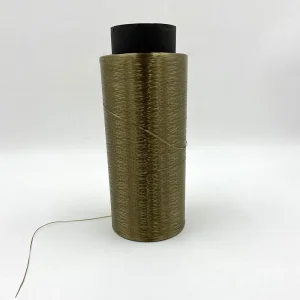
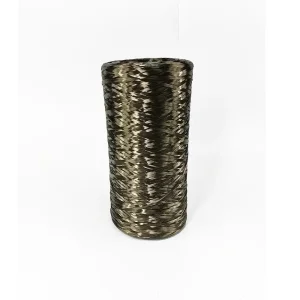
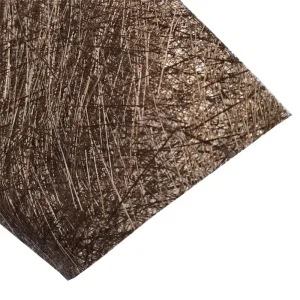
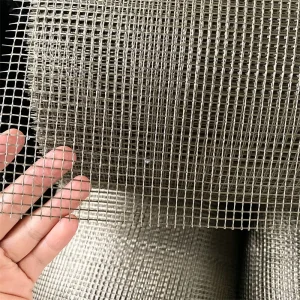
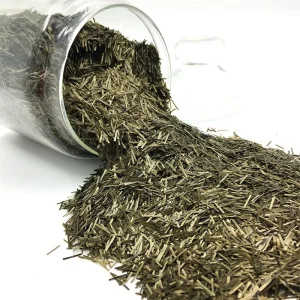
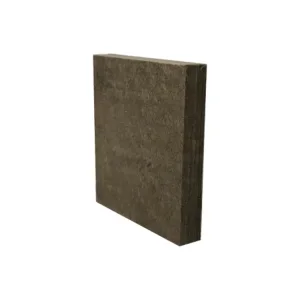
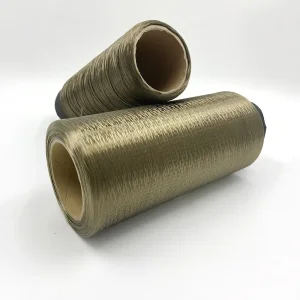
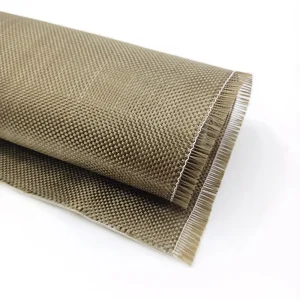
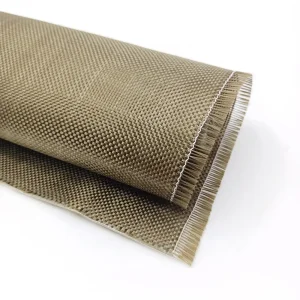
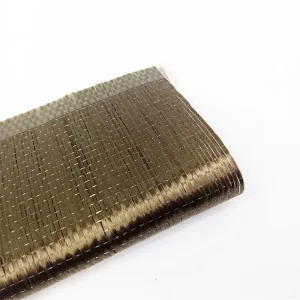
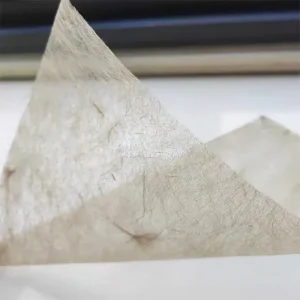
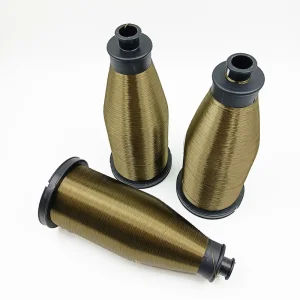
Engineered high-performance continuous basalt fiber products with exceptional tensile strength, alkali resistance, and thermal thresholds.
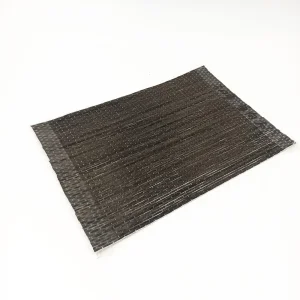
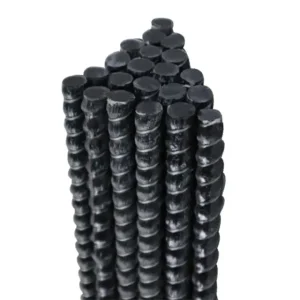
In modern structural engineering, the term "Basalt steel bar" refers to the next-generation composite upgrade to classic ferrous reinforcement: Basalt Fiber Reinforced Polymer (BFRP) Rebar. For decades, carbon steel reinforcement has served as the baseline tensile element in concrete structures. However, traditional steel remains inherently vulnerable to chloride-induced corrosion, carbonation, and electromagnetic interference. Civil engineering projects in harsh environments—coastal harbors, marine bridge piers, light rail transit systems, chemical storage zones, and high-frequency medical centers (such as MRI rooms)—suffer from early decay, leading to billions of dollars in structural rehabilitation and shortened asset life cycles.
As a leading high-tech enterprise founded in 2015 and based in Jiujiang, Jiangxi Province, China Beihai has pioneered the large-scale commercialization of continuous basalt fiber. BFRP reinforcement exhibits unique physical properties: it is 100% rustproof, possesses a tensile strength **three times greater than high-strength structural steel**, and has a density **only one-quarter** of that of steel. This comprehensive specification manual details the mechanical characteristics, pricing matrices, customized options, and strategic procurement frameworks that enable global engineering groups and industrial developers to confidently transition from heavy, corrosion-prone structural steel to high-durability Basalt composite rebar systems.
To understand the immense mechanical advantages and long-term cost benefits of basalt composite reinforcement, it is necessary to compare the engineering parameters of BFRP Rebar with traditional ASTM A615 Grade 60 carbon steel reinforcement. Below is the verified structural specification grid compiled by China Beihai’s Advanced R&D department:
| Performance Parameter | High-Performance BFRP Rebar (China Beihai) | Traditional Grade 60 Steel Rebar | Engineering Significance |
|---|---|---|---|
| Nominal Tensile Strength | 1100 - 1600 MPa (Diameter Dependent) | 400 - 550 MPa | Nearly 3x tensile load-bearing capacity per unit area |
| Tensile Modulus of Elasticity | ≥ 45 - 55 GPa | 200 GPa | Provides superior flexural elasticity, ideal for seismic absorption |
| Material Density | 1.9 - 2.1 g/cm³ | 7.85 g/cm³ | 75% lighter, reducing transportation costs and installation labor |
| Corrosion & Acid Resistance | Inherent (100% resistant to acids, alkalis, salts) | Highly Susceptible (Requires epoxy coating or repair) | Zero maintenance costs over a 100+ year service life |
| Electromagnetic Properties | Non-conductive, completely electromagnetic transparent | Highly conductive, creates magnetic interference | Required for MRI rooms, high-voltage substations, and rail lines |
| Thermal Conductivity | 0.35 W/m·K (Thermal Insulative) | 46.0 W/m·K (Thermal Bridge) | Eliminates structural thermal bridging in building envelopes |
| Coefficient of Thermal Expansion | 9.0 - 10.0 x 10⁻⁶ / °C (Matches Concrete) | 12.0 x 10⁻⁶ / °C | Prevents micro-cracking during extreme thermal cycles |
As global infrastructure investments accelerate, supply chain stability is a critical factor for general contractors and government developers. At our world-class production base in Jiujiang, Jiangxi Province, China Beihai operates an advanced smart factory utilizing automated raw material batching and 1450°C electric melting furnaces. By using natural volcanic basalt rock directly in our continuous fiber melting processes, we eliminate carbon-heavy intermediate processing. Our plant integrates state-of-the-art pultrusion machines, automatic sand-coating stations, and inline thermal curing systems to produce BFRP rebar with high structural integrity and dimensional precision.
Every batch of BFRP rebar manufactured by China Beihai undergoes extensive testing, including tensile properties under ASTM D7205, transverse shear resistance under ASTM D7617, and durability testing in severe alkaline environments. These strict protocols ensure that every meter of basalt fiber composite shipped to global partners meets the stringent quality requirements of ASTM D7957, ACI 440.1R, and international CE standards.
This advanced approach translates into direct commercial advantages for wholesale buyers: predictable manufacturing lead times, a highly robust supply chain unaffected by local steel tariff fluctuations, and the financial strength to execute multi-thousand-ton infrastructure supply agreements.
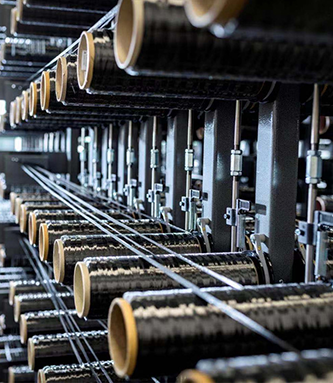
Because continuous basalt fiber is chemically inert and offers high mechanical resistance, it is uniquely suited for civil, marine, and industrial engineering applications. China Beihai designs and manufactures specific BFRP rebar configurations tailored for critical project demands:

Replaces steel in concrete foundations, architectural facades, and parking garage decks to prevent spalling and structural cracking due to moisture penetration.

Invaluable for tidal splash zones, saltwater canals, marine ports, and breakwaters, where saline water aggressively corrodes traditional steel reinforcement.

Maintains structural integrity in aggressive environments subject to acid runoff, chemical spills, and high organic solvent exposures.

Essential for MRI scanning units, high-voltage transmission tower bases, radar stations, and automated guided vehicle paths where metallic steel is prohibited.
Looking toward the future of structural engineering, China Beihai is actively executing a technical roadmap that incorporates advanced intelligence directly into composite reinforcement. Our research teams are developing "Smart BFRP Rebars" embedded with miniature fiber-optic sensors and Bragg gratings. These smart rebars allow engineers to monitor real-time internal stress, load distribution, and temperature changes in bridges and high-rise structures throughout their service life.
Additionally, we are testing bio-derived resins to replace traditional epoxy matrices. This transition will reduce the carbon footprint of BFRP manufacturing by an estimated 35%, aligning with international carbon-neutral mandates and securing a prominent position for our basalt fiber products in green building systems worldwide.
While raw carbon steel is priced heavily on volatile weight metrics, Basalt composite bars are quoted dynamically based on structural linear requirements, mechanical specifications, and volume commitments. Because basalt is approximately 75% lighter than steel, ocean freight costs per meter are reduced by over 60%. This shift in shipping weight significantly offsets initial material costs, yielding a lower Total Cost of Ownership (TCO) from day one.
We provide customizable quotes based on specific engineering projects. Specify your required rod diameter (range 4mm to 40mm), surface treatment (sand-coated, ribbed, or hollow-core), and total linear length to receive a tailored commercial proposal.
Every batch of continuous basalt fiber reinforcement is shipped with full mill certificates, including raw basalt mineral assay sheets, physical tensile test reports, and compliance documentation for customs clearance worldwide.
Utilizing Jiujiang's strategic logistics network of inland rivers and nearby maritime shipping terminals, China Beihai ensures uninterrupted shipping schedules and robust freight coordination for any global port destination.
To support engineering firms globally, China Beihai provides comprehensive localization and regional engineering support. Transitioning to composite reinforcement requires aligning with regional structural concrete standards, which vary by jurisdiction. In North America, we help design structures to comply with the American Concrete Institute’s ACI 440.1R-15 guidelines and ASTM D7957/D7957M. For projects in the European Union, our materials are certified under the relevant CE structural polymer frameworks and meet Eurocode 2 design requirements for flexural reinforcement and shear stress limits.
Additionally, our regional engineering teams assist with local building permit approvals, supply structural design software calculations for BFRP reinforcement, and provide on-site installation training for local construction crews. This comprehensive support minimizes installation issues and ensures that transition projects are completed smoothly, on time, and in compliance with all local standards.
Our manufacturing operations adhere strictly to international standards, backed by ISO 9001, CE, and rigorous laboratory verifications.
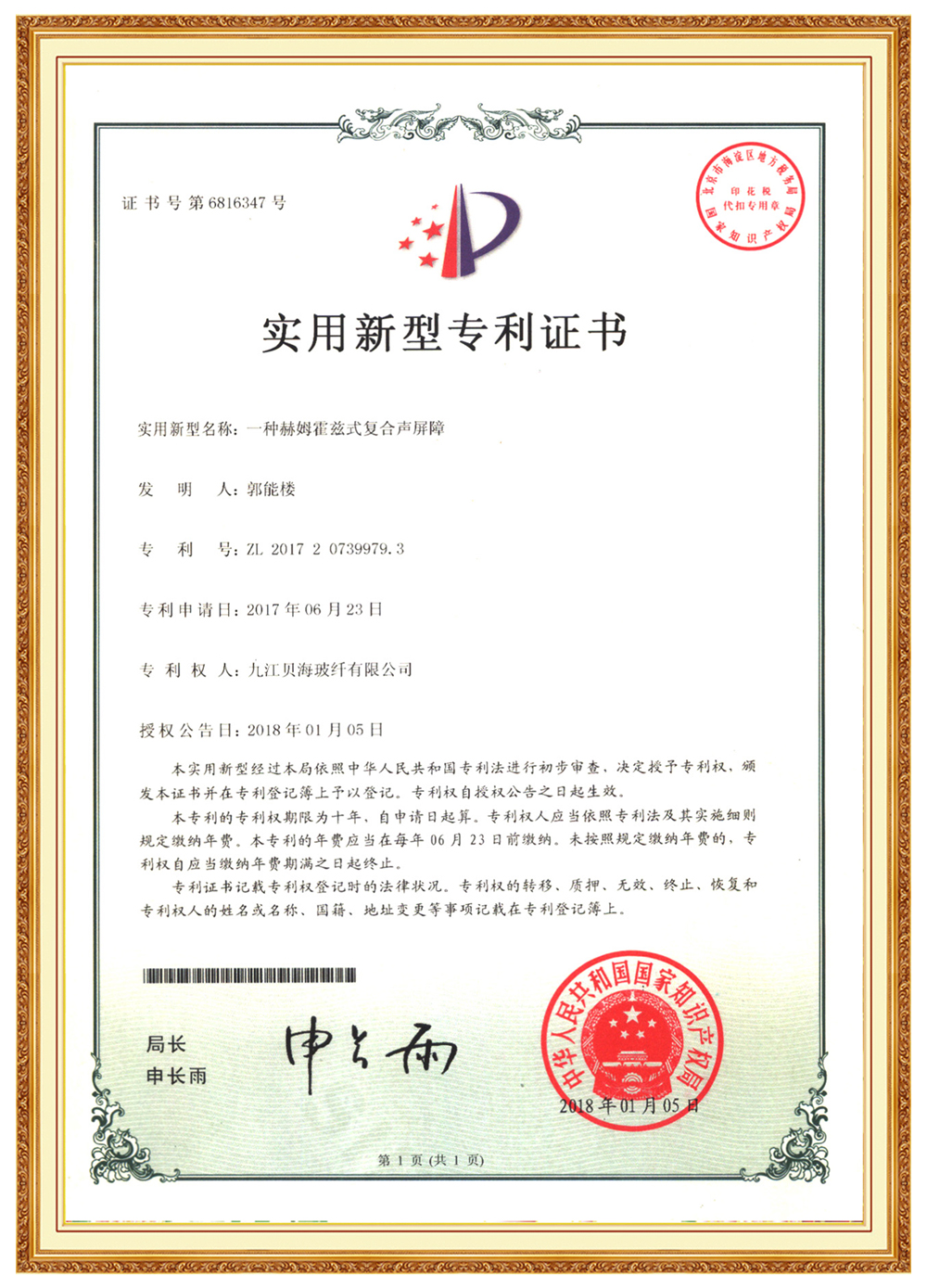



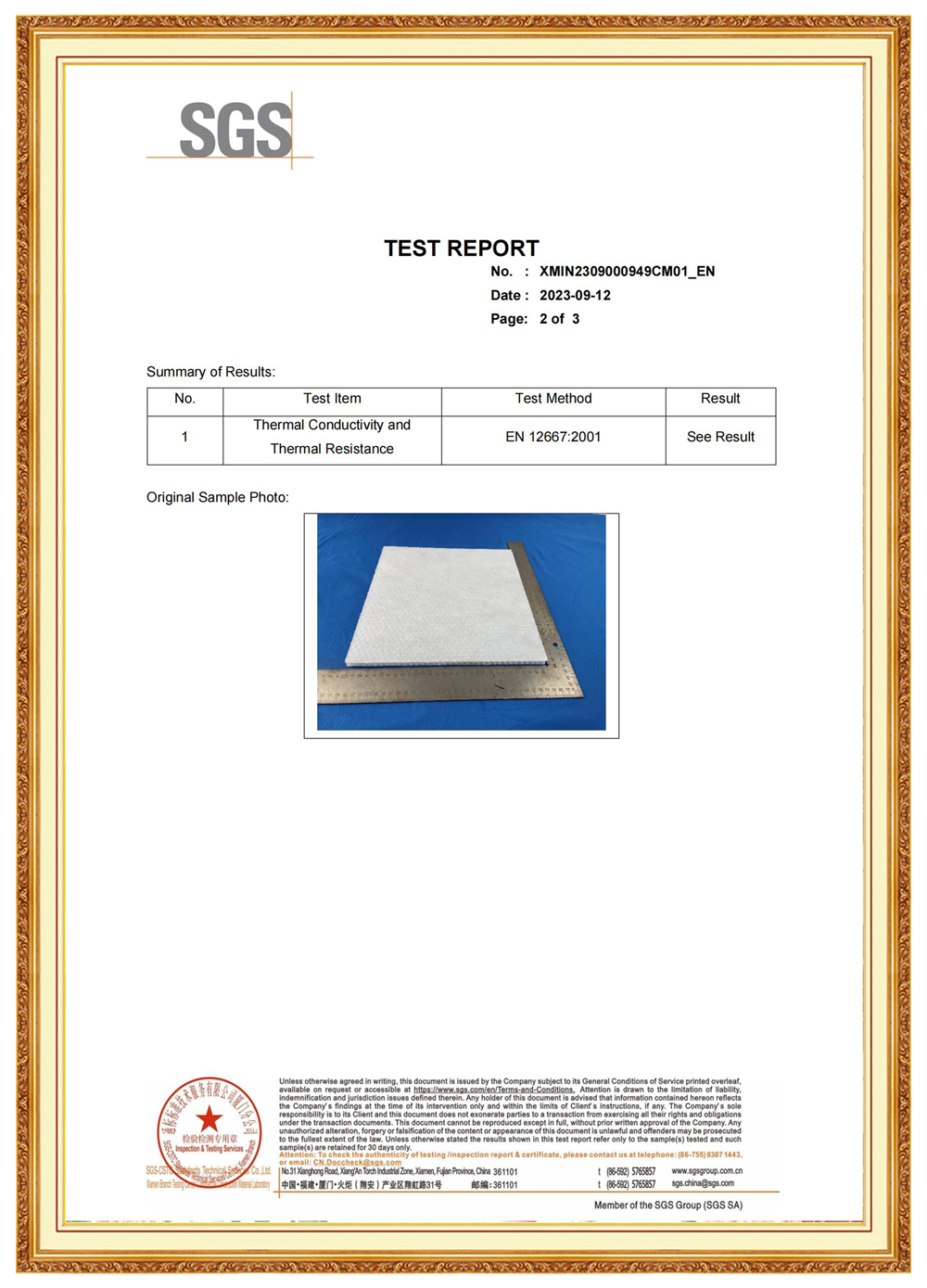
Get authoritative answers to technical and commercial questions about China Beihai’s high-performance basalt fiber composite rebar systems.
Engineered high-performance continuous basalt fiber products with exceptional tensile strength, alkali resistance, and thermal thresholds.
 Beihai Fiberglass