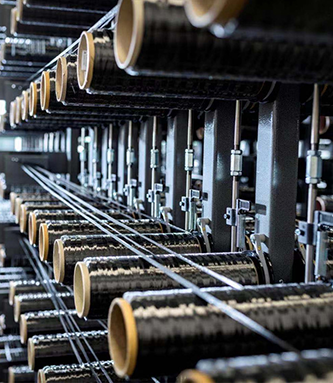
Wholesale Fire-resistant Yarn Quotes & Manufacturers

Advanced Basalt Fiber Technology: The Ultimate Barrier for Extreme Thermal Environments

01Global Status of Fire-Resistant Yarn Industry

The global industrial landscape is undergoing a radical shift toward safety-first high-performance materials. Fire-resistant yarn, particularly those derived from natural volcanic basalt, is no longer a niche requirement but a fundamental necessity in high-stakes industries. Unlike synthetic FR (Flame Retardant) yarns, basalt-based fire-resistant yarns offer inherent non-combustibility without the need for toxic chemical coatings.

Currently, the market is bifurcated between traditional glass fibers—which struggle with alkali resistance—and carbon fibers—which, while strong, are prohibitively expensive for mass infrastructure. China Beihai, founded in 2015, has emerged as a high-tech vanguard, bridging this gap by providing high-performance basalt continuous fiber that matches the durability of carbon fiber at a price point that facilitates global industrial adoption.
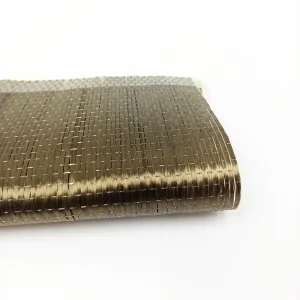
700°CContinuous Operating Temp
2.5xStrength vs. E-Glass
100%Natural & Recyclable

02Industrial Trends & Tech Roadmap

The 2024-2030 technical roadmap for fire-resistant yarns focuses on "Micro-filament Stability" and "Hybridization." As manufacturers, we are seeing a massive surge in demand for twisted yarns that can be integrated into 3D weaving processes for aerospace and electric vehicle (EV) battery protection.

Lightweighting

Replacing steel and heavy glass with basalt yarn reduces weight by up to 40% in automotive components.

Chemical Inertness

Basalt's natural resistance to acids and alkalis makes it the go-to for petrochemical filtration.

ESG Compliance

Basalt production emits significantly less CO2 compared to glass or synthetic polymer manufacturing.

03Localized Application Scenarios & Engineering Solutions

Building & Construction

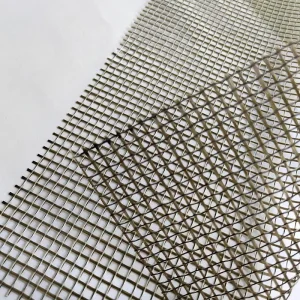
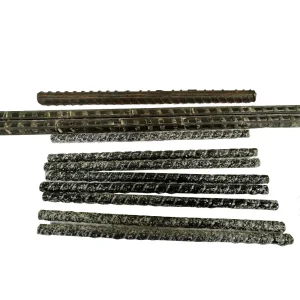
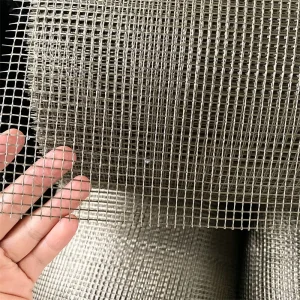
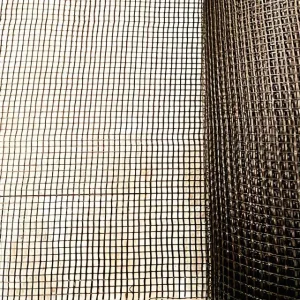
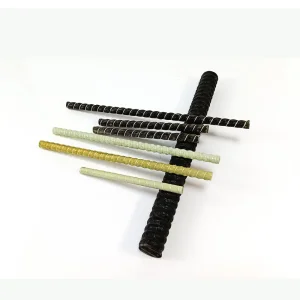
Our basalt fiber mesh and rebar are essential for tunnel reinforcement and earthquake-resistant structures where fire safety and corrosion resistance are non-negotiable.

Aerospace & Aviation

Applied in spacecraft shell materials and thermal protection systems. Basalt's stability at cryogenic and high temperatures (-260°C to 700°C) is unparalleled.

Automotive Industry

Utilized in brake pads, muffler insulation, and EV battery firewalls to prevent thermal runaway. Real-world tests prove basalt's superiority in impact resistance.

Marine Engineering

Basalt does not rust. It is the ideal reinforcement for bridge piers and offshore platforms exposed to salt spray and high humidity.

Petrochemicals

High-temperature filtration and pipe insulation. Basalt yarn prevents heat loss and resists corrosive chemical fumes.

China Beihai Facility

Who We Are: China Beihai Group

China Beihai is founded in 2015 and located in Jiujiang, Jiangxi Province. As a high-tech enterprise focusing on the R&D, production, and sales of high-performance basalt continuous fiber, we stand as a leading enterprise in the domestic basalt fiber industry.

Our Advantage: Choosing to work with China Beihai means working with a leading manufacturer of basalt products. Our commitment to quality, innovation, and sustainability sets us apart, ensuring our customers receive best-in-class solutions for their diverse needs.

What We Offer & Why It Matters

Advanced Manufacturing

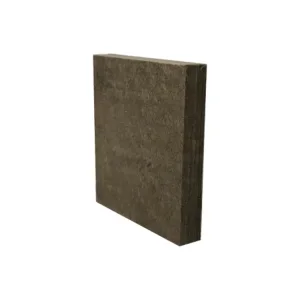
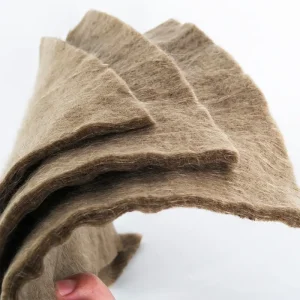
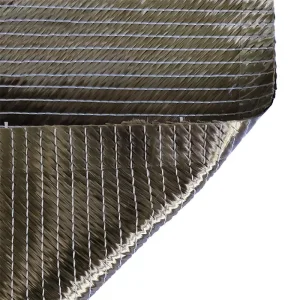
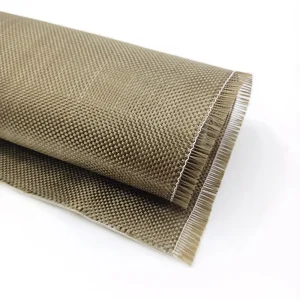
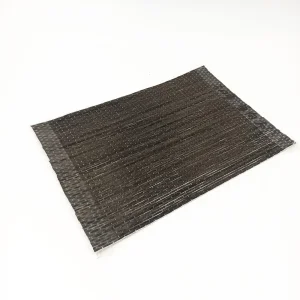
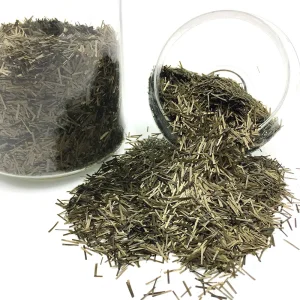
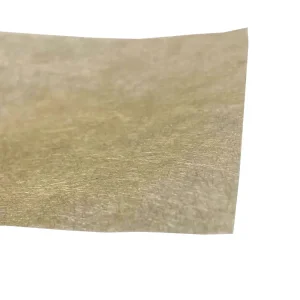
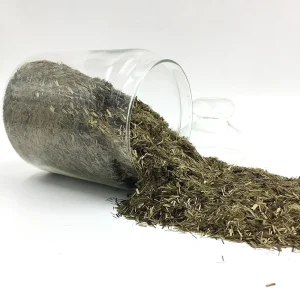
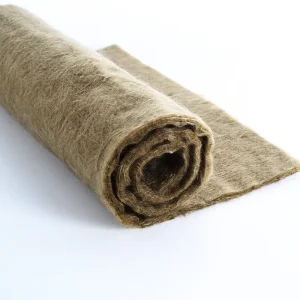
Specializing in basalt fiber mat (chopped strand and cloth), roving, yarn, and specialized construction materials like rebar and sleeves.

Infrastructure Longevity

In buildings, bridges, and roads, our fibers extend structural life and drastically reduce long-term maintenance costs.

Thought Leadership

We are a forward-thinking partner, providing comprehensive selection and industry expertise for all your basalt-derived product needs.

Expert Q&A: Fire-Resistant Yarn & Basalt Solutions

Q1: How does basalt fire-resistant yarn compare to glass fiber?
Basalt fiber offers significantly higher tensile strength and modulus compared to E-glass. More importantly, it is naturally resistant to alkali and acid, making it suitable for concrete reinforcement where glass fiber typically fails over time.
Q2: Can basalt yarn be used in high-frequency electronic environments?
Yes, basalt fiber has excellent dielectric properties and electromagnetic transparency, making it ideal for aerospace electronics and high-frequency communication housing.
Q3: Is basalt fiber truly "Green"?
Absolutely. It is made from 100% natural volcanic rock. The manufacturing process is mechanical and thermal, involving no chemicals or toxic additives, and the resulting product is 100% recyclable.
Q4: What is the maximum temperature basalt fiber can withstand?
Our basalt yarn can operate continuously at 700°C and maintain its structural integrity. It only begins to soften at approximately 1050°C.

Partner with the Leader in Basalt Technology

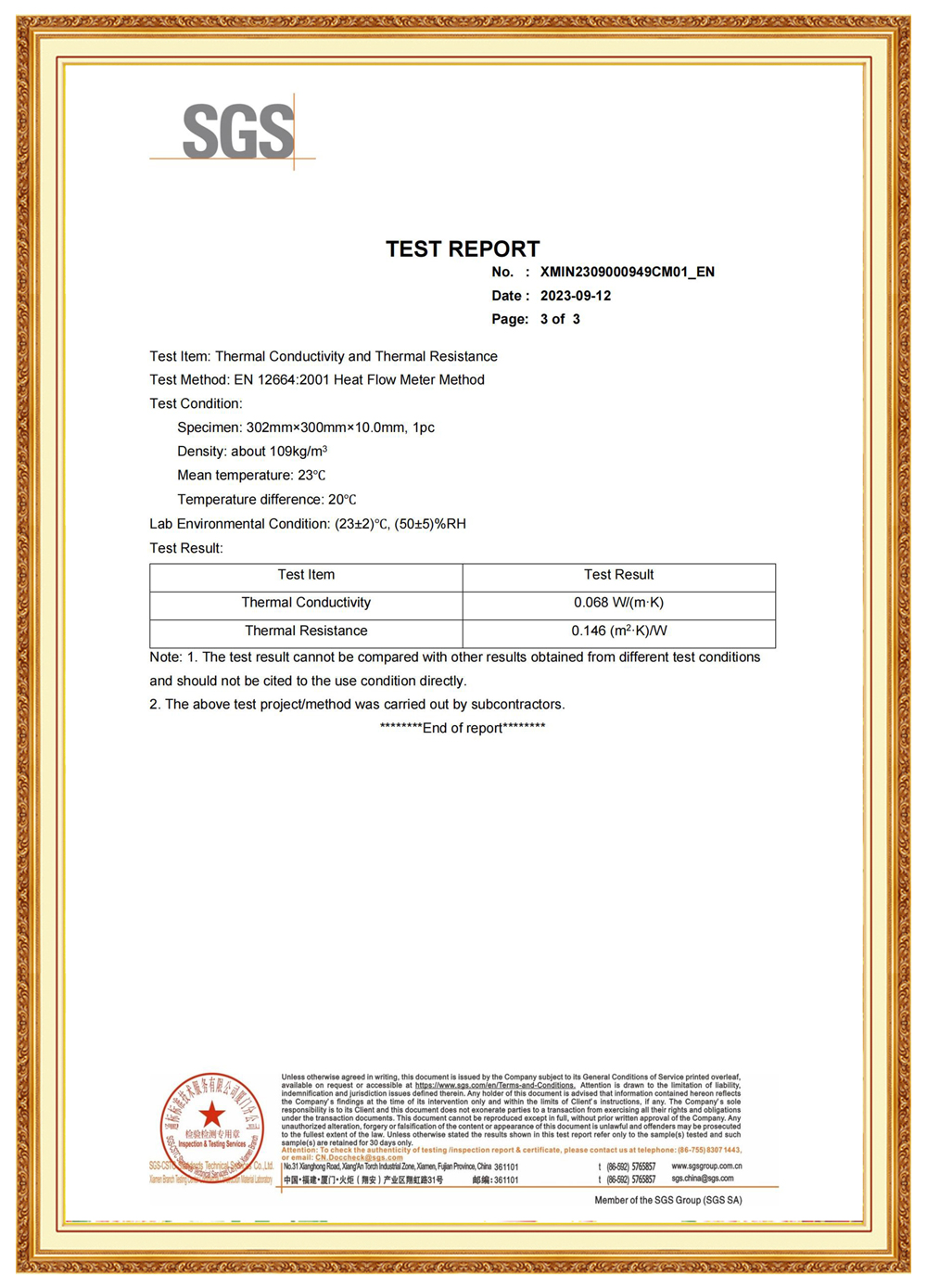
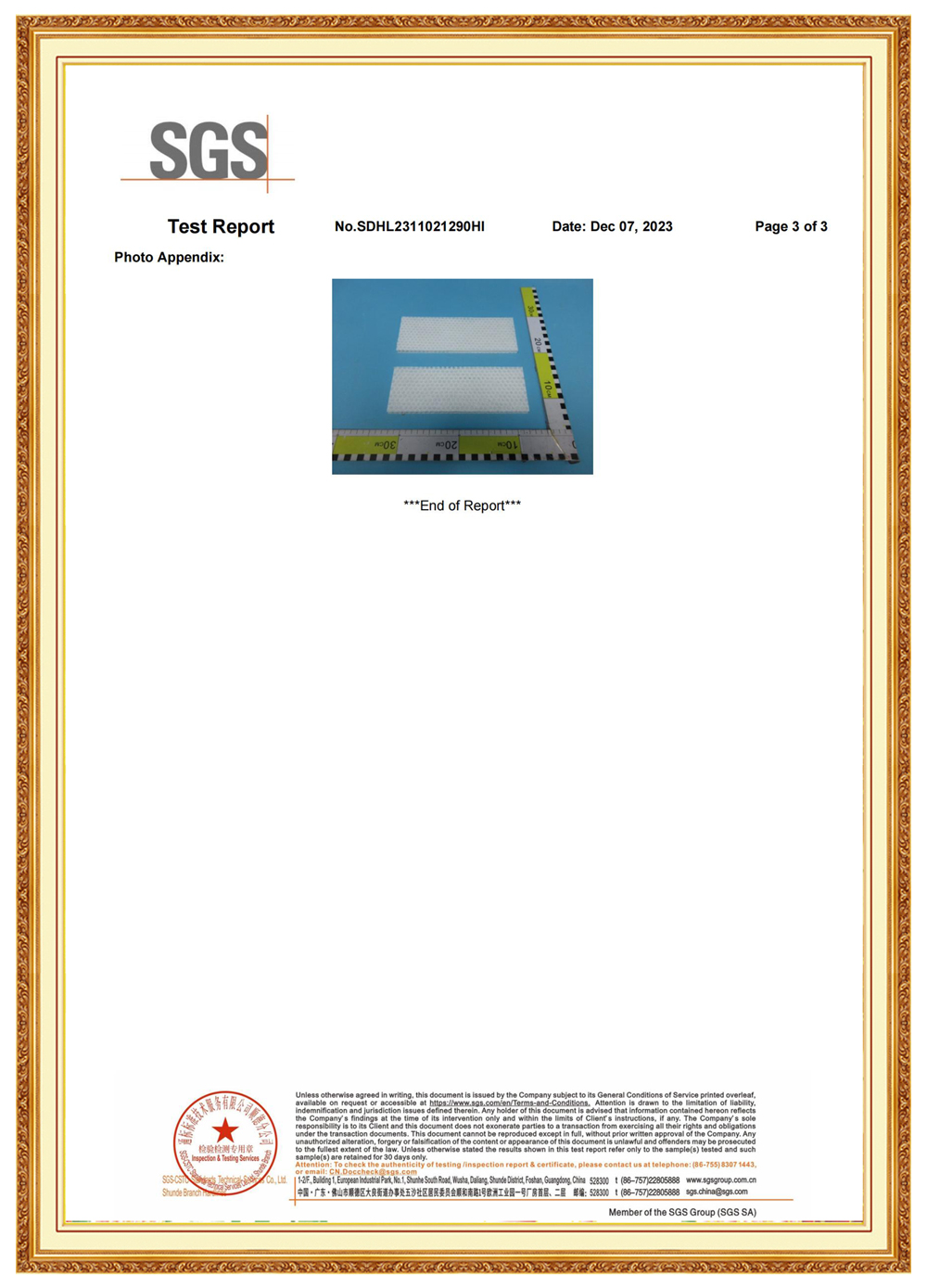
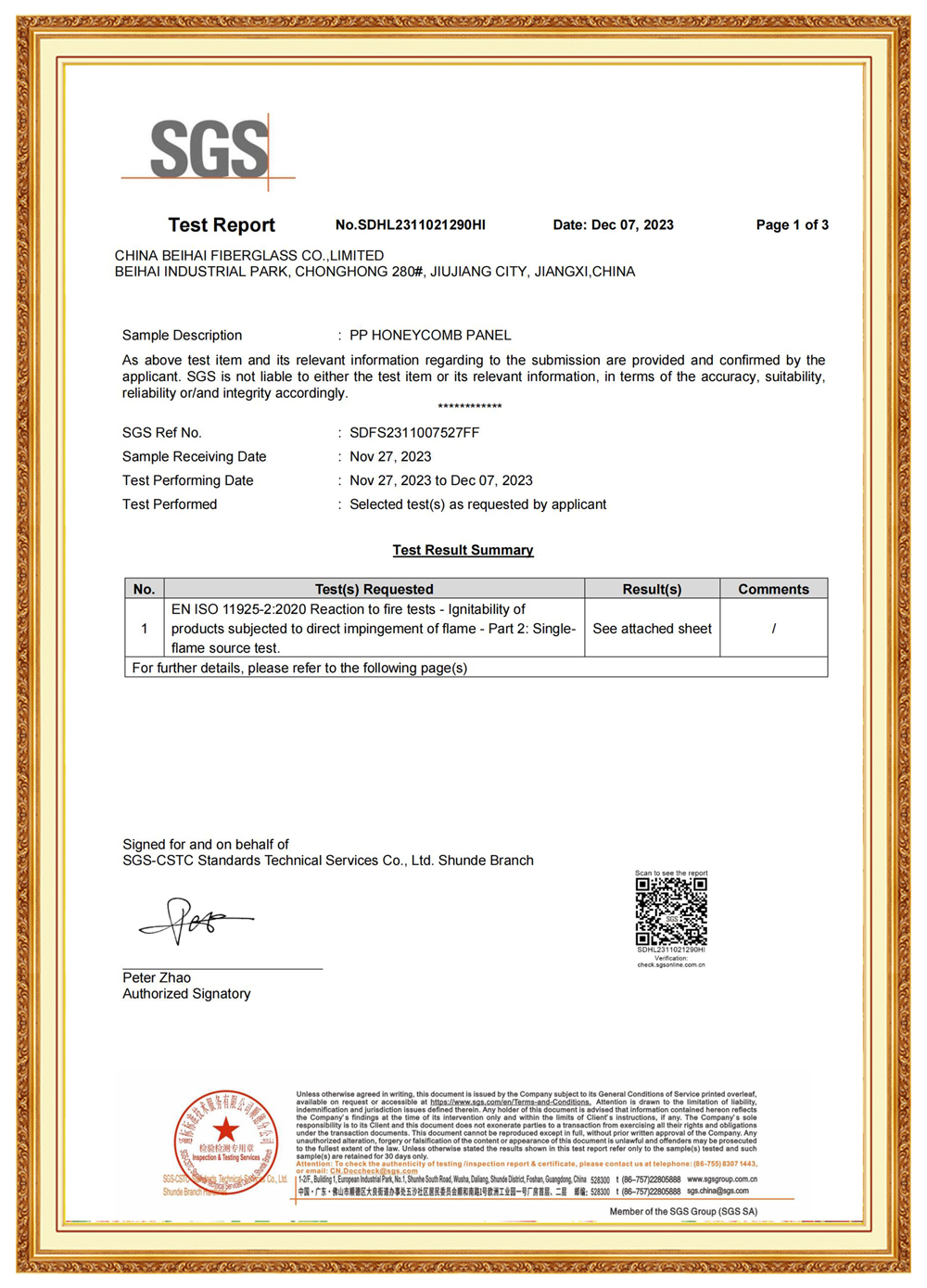
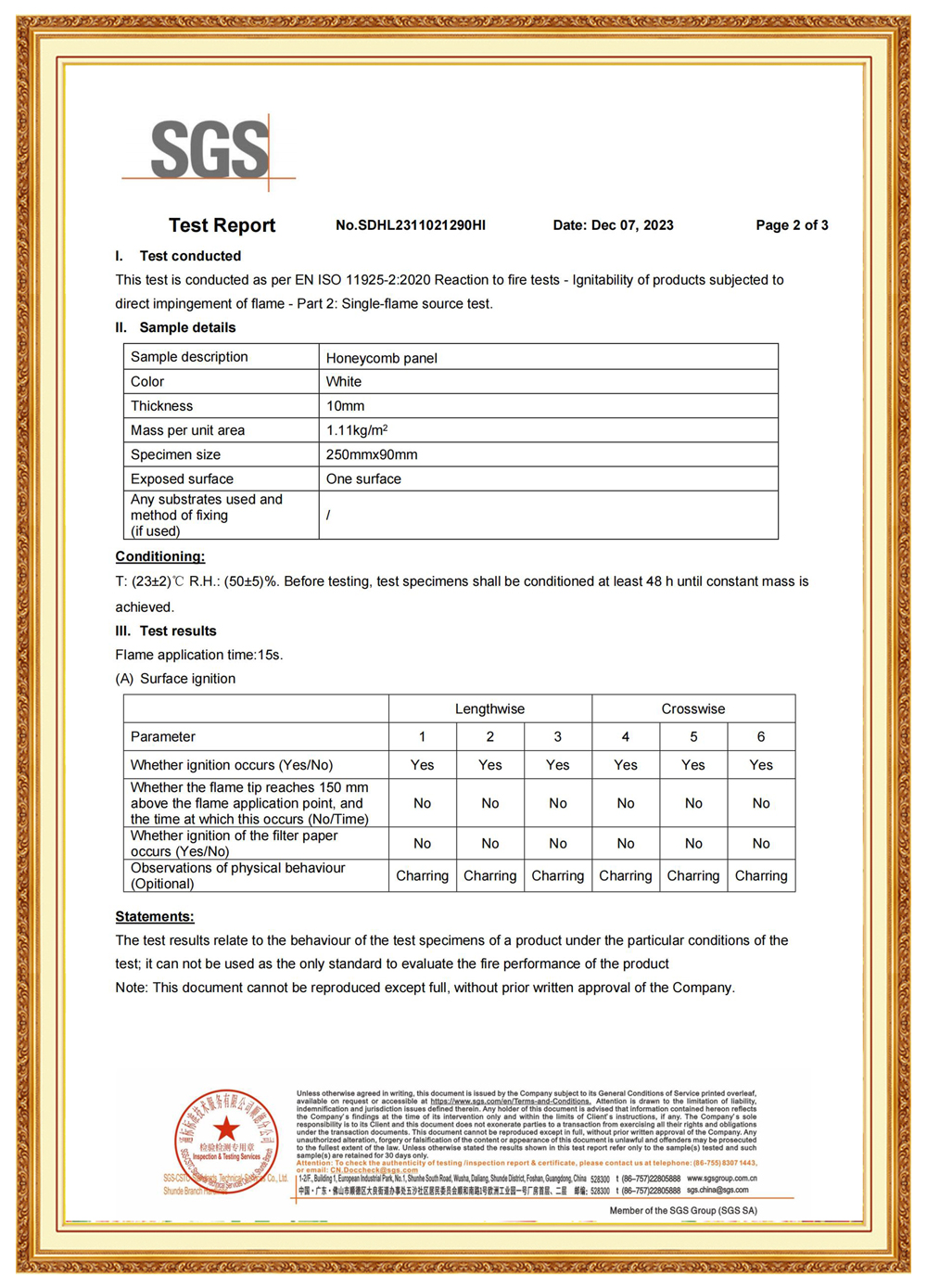
Our certificates (ISO, CE, and more) guarantee that every strand of yarn meets rigorous international standards.