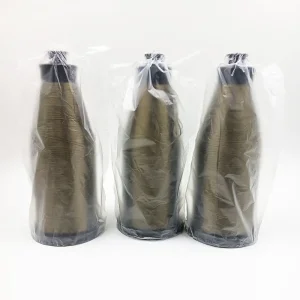
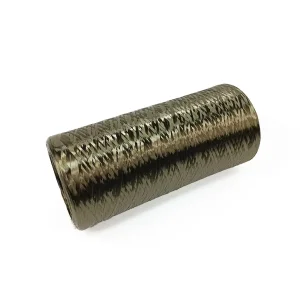
Mexico City (CDMX) and the surrounding industrial corridors of Toluca and Querétaro represent one of the most dynamic regions for advanced material adoption in North America. As the city sits on a high-seismic zone, the demand for non-corrosive, high-tensile reinforcement is no longer a luxury—it is a regulatory and safety necessity.
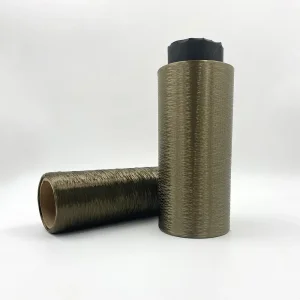
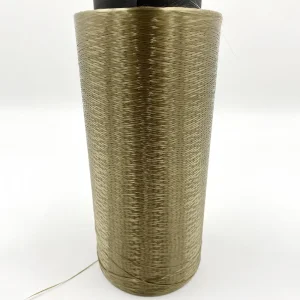
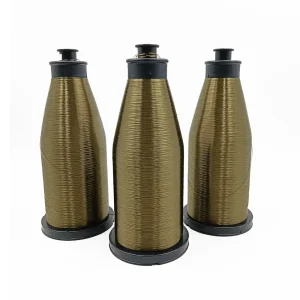
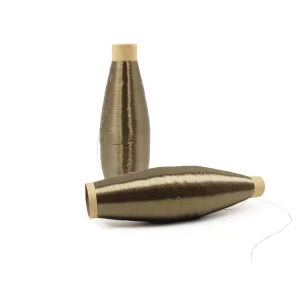
Our Basalt Fiber Roving factory serves the Mexico City market with materials that outperform traditional E-glass and carbon fiber in specific localized scenarios, such as high-alkali soil conditions and extreme thermal fluctuations common in the Valley of Mexico.
While the global basalt fiber market is projected to grow at a CAGR of 12.5%, the Mexican market is outpacing this due to the Nearshoring trend. North American manufacturers are relocating to Mexico City’s periphery, requiring local suppliers who understand NOM (Normas Oficiales Mexicanas) and international ASTM standards.
In Mexico City’s drainage and highway projects, corrosion is the primary cause of structural failure. Our basalt roving is used to create Basalt Rebar and Mesh that are impervious to chloride ion attack, extending the service life of public works by over 50 years compared to epoxy-coated steel.
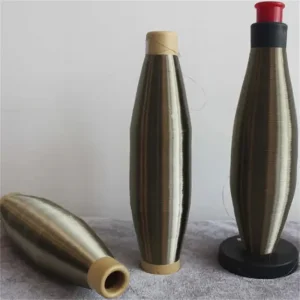
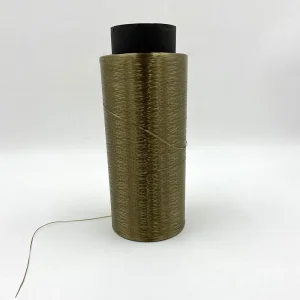
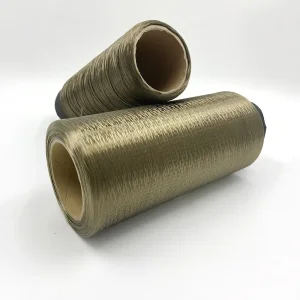
For the manufacturing hubs in nearby Puebla and Toluca, our Basalt Fiber Roving for SMC (Sheet Molding Compound) offers an eco-friendly alternative to glass fiber for engine covers, interior panels, and brake linings, providing better sound insulation and vibration damping.
Basalt fiber’s excellent dielectric properties make it ideal for the Mexico City telecommunications boom. It is used in manufacturing circuit boards and radomes that require high signal transparency and environmental durability.
China Beihai is committed to the Mexico City market through a three-tier technical roadmap:
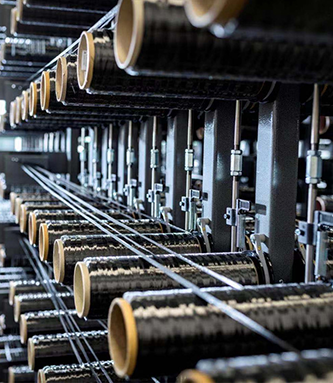
Founded in 2015 and located in the industrial heart of Jiujiang, China Beihai is a high-tech enterprise dedicated to the research and production of continuous basalt fiber. We operate at the intersection of geology and advanced material science, transforming volcanic rock into high-performance industrial solutions.
As a global leader, we don't just supply fiber; we provide Information Gain and technical expertise to our partners in Mexico and beyond.
Reinforcing Mexico City's high-rise residential projects with non-combustible fiber.
Improving ductility in concrete mixes for CDMX bridge pier protection.

Supplying composite rovings for the Bajio region automotive manufacturing belt.
Corrosion-resistant pipes and tanks for Mexico's energy infrastructure.
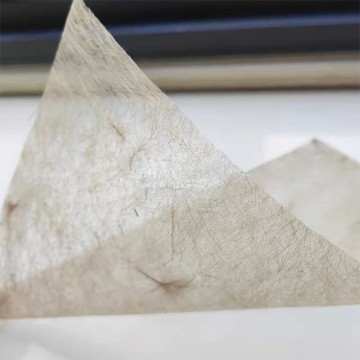
Engineered for resin-rich surfaces in Mexico City FRP projects.
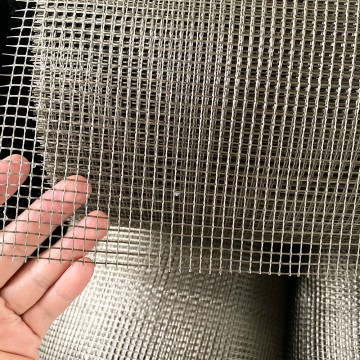
Superior reinforcement for plaster applications in CDMX seismic retrofits.
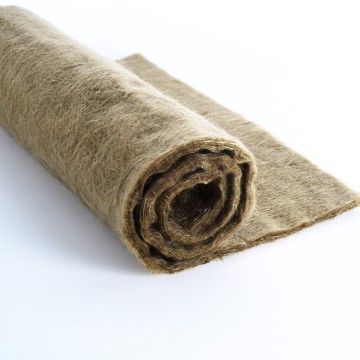
Bonding continuous fibers for extreme thermal insulation in Mexican foundries.
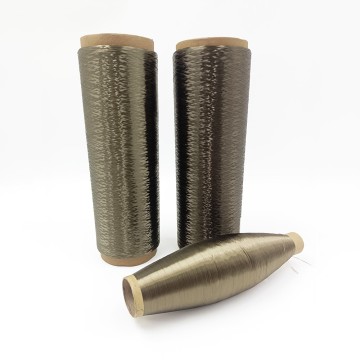
Enhanced mechanical stability for precision weaving in CDMX textile factories.
Unlike steel which oxidizes and glass which can degrade in highly alkaline environments, Basalt fiber is chemically inert. Its volcanic origin makes it naturally compatible with Mexico's soil chemistry, ensuring zero corrosion and long-term structural integrity.
Basalt fiber is inherently non-combustible with a melting point of approximately 1450°C. It meets stringent international fire safety standards and does not emit toxic smoke, making it safer for Mexico City’s dense urban developments.
Yes, our factory specializes in custom tex (weight) and sizing compatible with various resin systems (Epoxy, Vinyl Ester, Polyester) used in Mexican manufacturing plants.
While the initial cost per kg may be higher than low-end glass fiber, the Total Cost of Ownership (TCO) is lower due to increased strength (allowing for less material usage) and the elimination of maintenance costs associated with corrosion.
Contact our technical engineering team for quotes, samples, and compliance documentation.
Send Inquiry Now Beihai Fiberglass