As Uganda accelerates its Vision 2040, the demand for high-performance building materials has reached an unprecedented peak. From the expansion of the Entebbe-Kampala Expressway to the massive energy projects like Karuma Hydroelectric Power Station, the "Pearl of Africa" is transitioning toward sustainable, resilient infrastructure. Traditional steel reinforcement faces significant challenges in Uganda's varied climate—ranging from the humid Lake Victoria basin to the alkaline soils of the Albertine region.
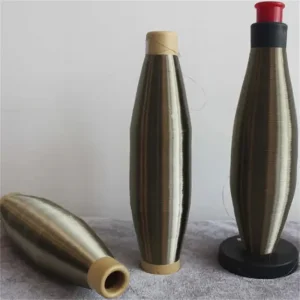
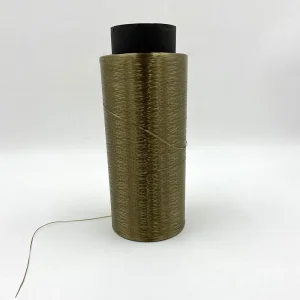
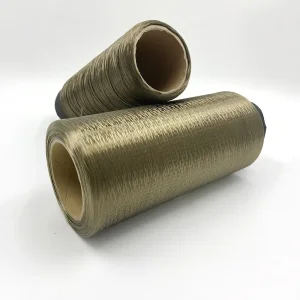
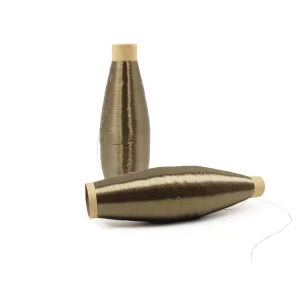
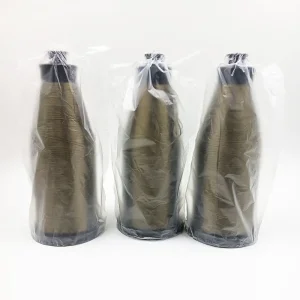
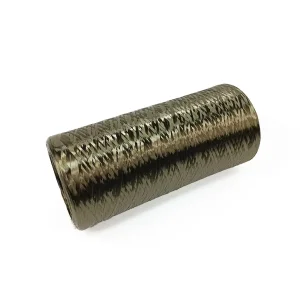
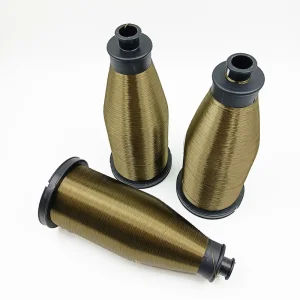
Basalt Fiber Roving, often called "the 21st-century green industrial material," is derived from natural volcanic rock through high-temperature melting. Unlike glass fiber, basalt fiber offers superior tensile strength and chemical stability. For the Ugandan market, it represents a strategic shift toward reducing maintenance costs and extending the lifespan of infrastructure from 50 to over 100 years.
Uganda's manufacturing sector is currently witnessing a 7.2% annual growth rate. The government’s Build Uganda Buy Uganda (BUBU) policy encourages the adoption of advanced technologies. However, the local supply chain for advanced composites is still developing. By integrating Basalt Fiber Roving into local production lines—such as pultrusion for rebar or filament winding for water pipes—Ugandan factories can produce world-class materials locally, reducing reliance on expensive imported steel.
Stronger than Steel
Weight of Steel
Rust Proof
Working Temp
The manufacturing process of Basalt Fiber Roving involves no chemical additives during the fiber-forming process, making it significantly more eco-friendly than Carbon or E-Glass fiber. Our technical roadmap for the East African region focuses on three core pillars:
Replacement of steel in bridge decks and coastal piers. Basalt roving is used to manufacture BFRP (Basalt Fiber Reinforced Polymer) rebar, which is immune to chloride ion corrosion found in alkaline Ugandan soils.
Uganda is an agrarian economy. Basalt fiber poles for greenhouses and trellis systems offer 20+ years of service without rot, unlike timber or metal, even in heavy rainfall zones like Mbale.
Used in the manufacture of high-voltage cable cores and wind turbine blades. Its non-conductive nature makes it safer for the expanding national grid managed by UMEME.
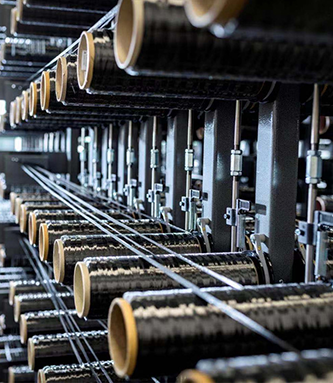
China Beihai, founded in 2015 and located in Jiujiang, Jiangxi Province, is a high-tech enterprise focusing on the research, development, production, and sales of high-performance basalt continuous fiber and its production equipment manufacturing. As a leading enterprise in the domestic basalt fiber industry, we have exported to over 60 countries, now focusing on the burgeoning African industrial market.
Choosing to work with China Beihai means working with a leading manufacturer. Our commitment to quality, innovation, and sustainability sets us apart, ensuring our customers receive best-in-class solutions for their diverse needs.
Contact Our Expert TeamWe understand the complexities of the Ugandan import market. To ensure a seamless procurement experience for our Ugandan partners, we provide:
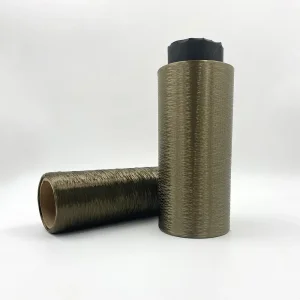
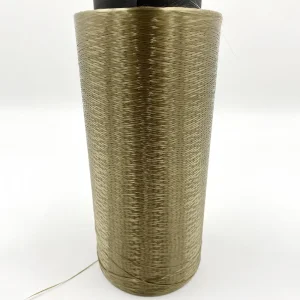
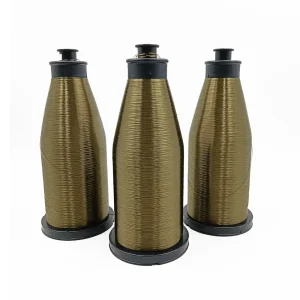
Get a detailed technical consultation and price list tailored to your project requirements.
Send Inquiry Now Beihai Fiberglass