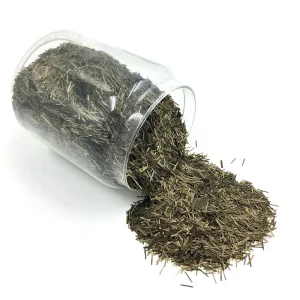
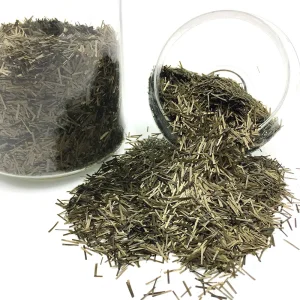
Explore our specialized range of continuous basalt fiber mesh, chopped strands, rebars, and needled mats designed to revolutionize modern construction, marine structures, and high-temperature systems.
A Comprehensive Industry Whitepaper on Technical Properties, Commercial Dynamics, and Global Supply Chains
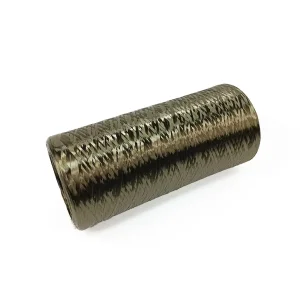
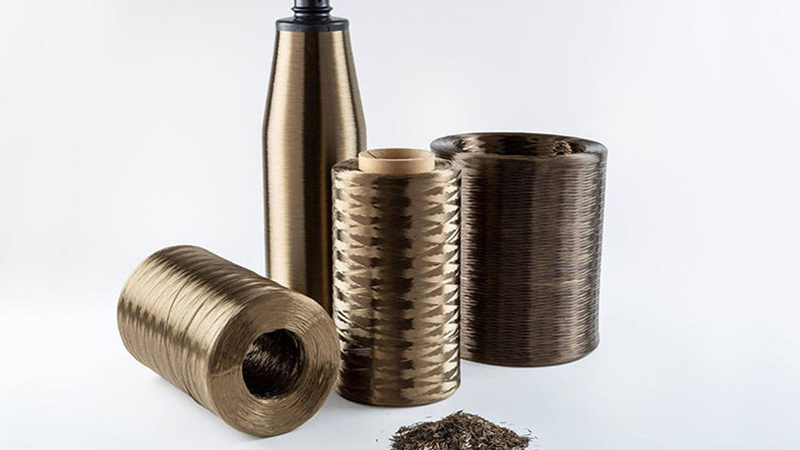
Continuous Basalt Fiber (CBF) roving represents one of the most significant engineering material innovations of the 21st century. Extracted from raw basalt rock—an igneous volcanic rock abundant globally—continuous roving is manufactured by melting quarried rock at extreme temperatures (typically 1450°C to 1500°C) without chemical additives. The molten lava is subsequently drawn through platinum-rhodium alloy bushing plates to yield ultra-fine continuous filaments ranging from 9 to 22 micrometers in diameter. These filaments are treated with tailored sizing agents and gathered into strands, culminating in basalt fiber roving.
Unlike glass fibers (E-glass or S-glass), basalt roving features an inherent dark golden-brown hue and possesses remarkable chemical, thermal, and mechanical profiles. Structurally, it outperforms glass fiber with a tensile strength exceeding 2,800 MPa and an elastic modulus reaching 85 to 90 GPa. Furthermore, it operates as an eco-neutral, fully recyclable material, positioning it as the ultimate green alternative to carbon fiber and synthetic polymers. Engineering groups, municipal developers, and heavy industries increasingly adopt basalt fiber roving as the primary reinforcement element in concrete structures, geo-grids, and high-performance composites.
The global demand for high-strength, anti-corrosive reinforcement materials is climbing, driven by aging municipal concrete systems, expanding subsea structures, and stringent decarbonization policies. Structurally compromised bridges, coastal docks, and high-speed rail sleepers constructed with standard carbon steel rebars are susceptible to severe corrosion caused by road salts, marine atmospheres, and concrete carbonation. This susceptibility necessitates expensive maintenance routines and significantly shortens the lifespan of critical infrastructures.
In response, international engineering firms are shifting from traditional steel towards structural composite systems utilizing Basalt Fiber Reinforced Polymers (BFRP). Basalt fiber roving acts as the foundational load-bearing element in pultruded BFRP rebars, dowel bars, structural profiles, and underground meshes. The North American and European markets exhibit notable adoption rates due to strict environmental mandates and lifecycle assessment (LCA) standards. Simultaneously, fast-developing economies across Asia-Pacific and South America deploy basalt fiber composites in deep-underground tunnel linings, hydraulic dams, and highway crash barriers where reliability under extreme environments is non-negotiable.
China has emerged as the global epicenter for industrial basalt fiber production, boasting some of the world's most sophisticated and cost-efficient melting plants. Located strategically in Jiangxi Province, China Beihai capitalizes on an extensive domestic basalt quarry network characterized by high silica (SiO2) and alumina (Al2O3) contents. These raw mineral characteristics yield fibers with optimal chemical resistance and tensile limits.
The cost efficiency of China-based plants is not derived solely from labor metrics. It stems from massive capital investments in fully automated, multi-end winding machinery, high-precision platinum-rhodium alloy bushing units, and clean-energy furnace systems that significantly lower energy consumption per metric ton. These modern production environments facilitate unmatched batch-to-batch consistency. Furthermore, China's robust industrial ecosystem guarantees a seamless supply of silane-based sizing formulations and structural resins, allowing manufacturers to deliver pre-sized roving engineered to bind perfectly with epoxy, vinyl ester, or phenolic matrices.
| Performance Criterion | Continuous Basalt Roving | Standard E-Glass Roving | High-Modulus Carbon Fiber |
|---|---|---|---|
| Tensile Strength (MPa) | 2800 - 4800 | 1500 - 2500 | 3500 - 4900 |
| Elastic Modulus (GPa) | 85 - 93 | 72 - 76 | 230 - 240 |
| Service Temp Range (°C) | -260 to +700 | -60 to +480 | -50 to +300 (Matrix dependent) |
| Alkali & Acid Resistance | Outstanding (Natural silicate base) | Moderate to Poor | Excellent (Conducts electricity) |
| Eco-Neutrality & Carbon Footprint | 100% natural, minimal melting emissions | Chemical synthesis emissions | Highly energy-intensive carbonization |
When evaluating procurement costs for basalt fiber roving, technical buyers must analyze variables beyond the baseline FOB price per metric ton. Sizing chemistry, strand count, linear density (Tex), and winding configurations (assembled vs. direct roving) dictate the final processing efficiency. Sizing agents account for a considerable portion of chemical formulation costs, meaning that cheap, non-compatible sizing will yield poor matrix wet-out, leading to delamination and reduced mechanical properties in the finished composite structures.
China Beihai provides clear and structured pricing based on raw material purity, processing specifications, and order volumes. Direct roving configurations intended for automated pultrusion and filament winding are optimized for seamless tensioning. Assembled rovings designed for chopping applications are engineered to fracture cleanly without excessive fuzz generation. Purchasing direct from an established high-tech enterprise like China Beihai mitigates structural risks, guarantees steady supply pipelines, and significantly reduces logistics overheads via coordinated shipments out of prominent domestic logistics hubs.
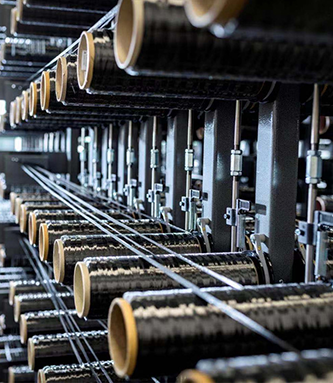
China Beihai was founded in 2015 and is located in Jiujiang, Jiangxi Province. As a leading high-tech enterprise, we focus extensively on the research, development, production, and distribution of high-performance basalt continuous fiber and its specialized manufacturing equipment. Today, China Beihai stands as an authoritative force in the domestic basalt fiber industry, serving as a trusted supplier to structural developers globally.
Our manufacturing lines are fully integrated with state-of-the-art smelting technology, yielding uniform filaments with unmatched physical and chemical stability. By controlling the entire manufacturing workflow—from stone feedstock selection to refined roving weaving—we deliver premium-grade basalt fibers that solve complex structural and thermal challenges across diverse continents.

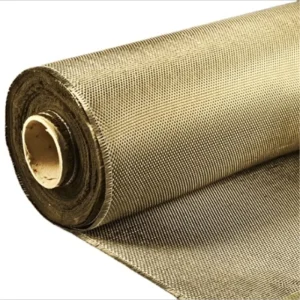
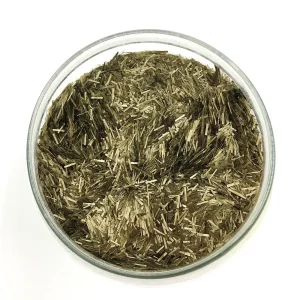
At China Beihai group, we specialize in the production of a wide range of high-performance products including basalt fiber mat (Basalt fiber chopped strand mat, Basalt fiber cloth), basalt fiber roving, basalt fiber yarn, basalt fiber chopped strands, and specialized basalt fiber products (Basalt Fiber rebar, basalt fiber sleeves, and tape). Our solutions are meticulously designed to fulfill the demanding requirements of various industries, providing robust, high-quality reinforcement solutions.

We are dedicated to the comprehensive engineering and manufacturing of a wide array of advanced basalt-based materials. Our primary focus centers on producing sustainable, highly durable solutions for infrastructural projects, geotechnical applications, marine environments, and manufacturing operations. With an unyielding commitment to material research, we tailor our chemical sizings and fiber formats to suit our global client base perfectly.

Partnering with China Beihai guarantees access to premium-grade, certified basalt products straight from the source. Our rigorous quality control protocols and state-of-the-art testing systems ensure that every batch exhibits maximum consistency in tensile performance, alkali resistance, and sizing compatibility. From rapid shipping coordinates to deep technical engineering support, we are your forward-thinking structural partner.
Basalt fiber is ideal for your engineering projects. Its high strength, corrosion resistance, and lightweight properties allow it to easily solve a variety of structural challenges.
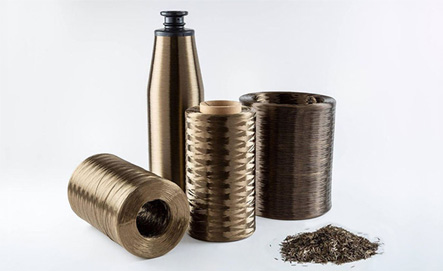
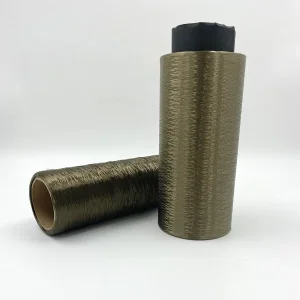
Our continuous basalt fiber roving is wound with absolute precision. Configured specifically for pultrusion and filament winding, this roving features optimal chemical compatibility with epoxy, vinyl ester, and polyurethane resins, providing unmatched directional tensile properties to composite tubes, profiles, and pressure vessels.
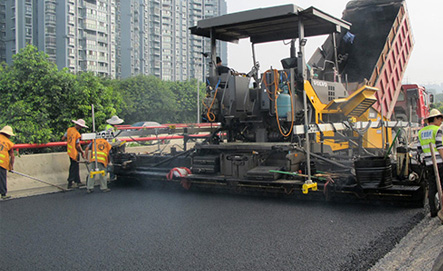
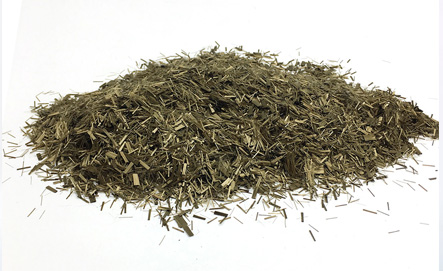
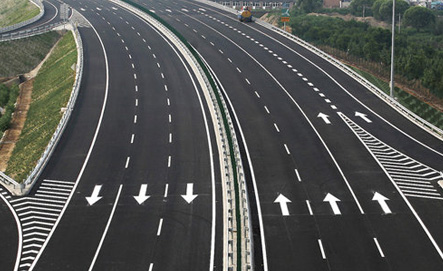
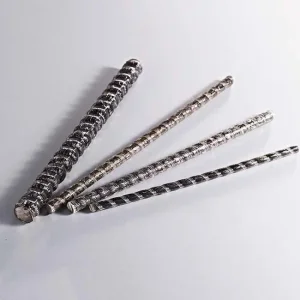
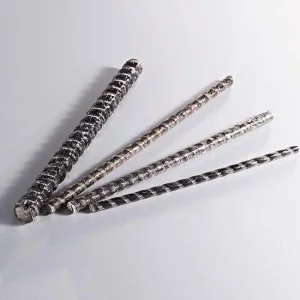
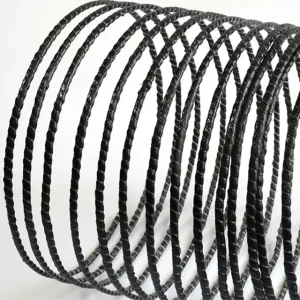
A highly resilient, non-metallic alternative to steel reinforcing bars, Basalt Fiber Rebar is extensively utilized to reinforce concrete structures in harsh environments. Offering absolute corrosion resistance against acids, alkalis, and salts, it enhances the operating lifetime of bridge decks, highways, marine seawalls, and airport runways.
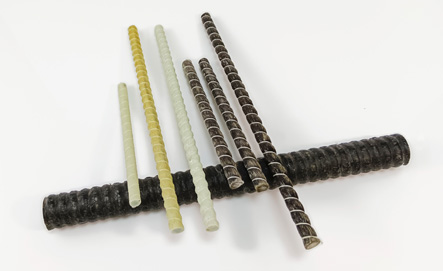
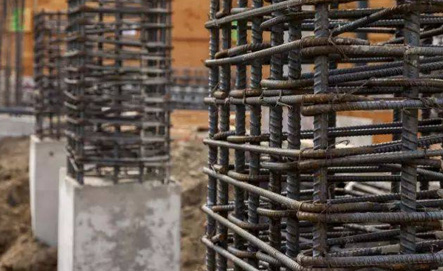
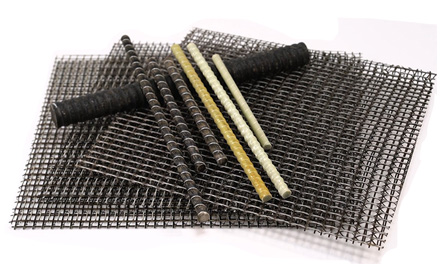
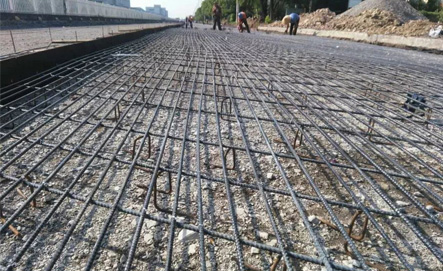
Providing high structural integrity and extreme environmental protection across multiple mechanical applications.
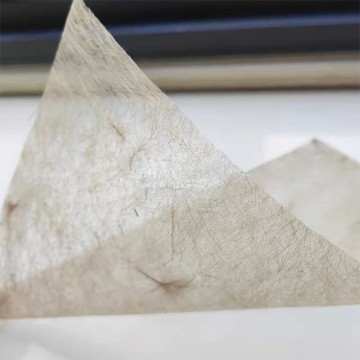
A non-woven thin sheet engineered to provide a smooth, resin-rich surface layer for fiber-reinforced plastic composites, enhancing surface corrosion resistance and stability.
Read More →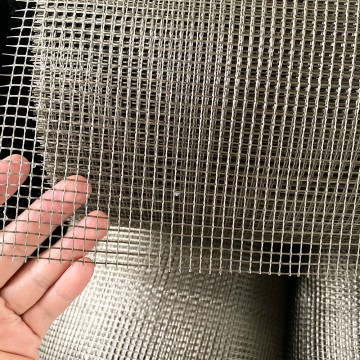
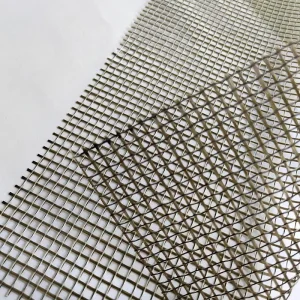
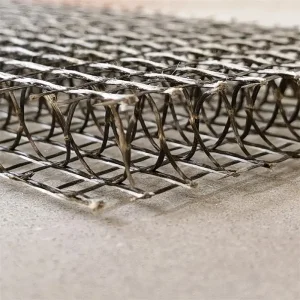
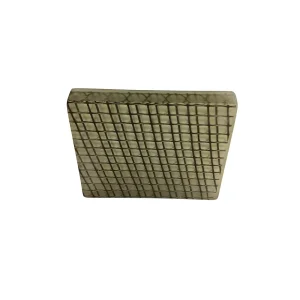
Our high-performance basalt fiber mesh provides a superior reinforcement solution for concrete and plaster applications where high alkali resistance is mandatory.
Read More →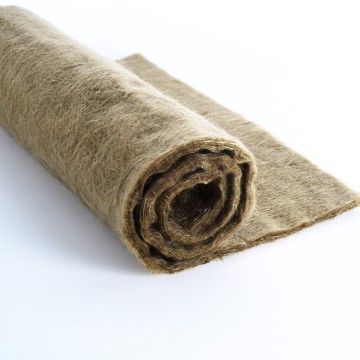
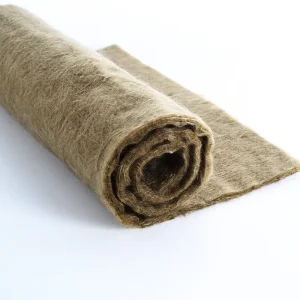
Manufactured by mechanically bonding continuous basalt fibers without chemical binders, ensuring extreme acoustic insulation and thermal barrier properties.
Read More →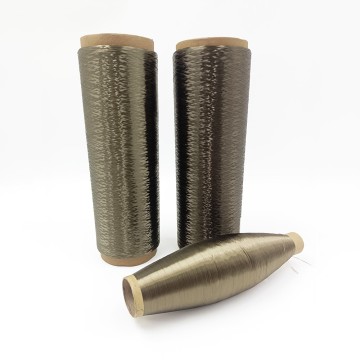
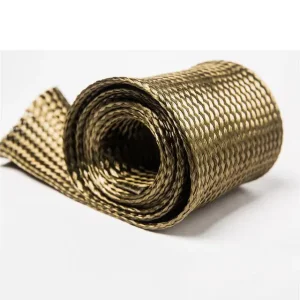
Engineered by twisting multiple continuous filaments together, designed to enhance tensile strength and structural integrity in extreme B2B weaving processes.
Read More →Through comprehensive engineering tests and refined chemical surface treatment technologies, our basalt fiber series has achieved widespread commercial success across major heavy industries.

Used to reinforce structural beams, floors, and external facades, offering a major anti-cracking solution.

Ideal for manufacturing aircraft interior panel components, shielding brackets, and cabin insulation due to fire-retardant properties.

Applied in thermal protection shields, satellite engine firebreaks, and spacecraft structural composites.

Imparts higher fracture toughness, extreme freeze-thaw durability, and complete chemical rust protection to heavy concrete structures.

Supports structural lightweighting by replacing steel body parts, exhaust silencers, and brake pad linings.

Wraps concrete bridge columns to shield them from wave impact, saline mist corrosion, and potential traffic collisions.

Non-reactive properties make basalt ideal for wrapping subterranean oil/gas pipes and constructing chemical storage tanks.

Completely impervious to salt water deterioration, making it perfect for hull structures, decks, and offshore oil platforms.
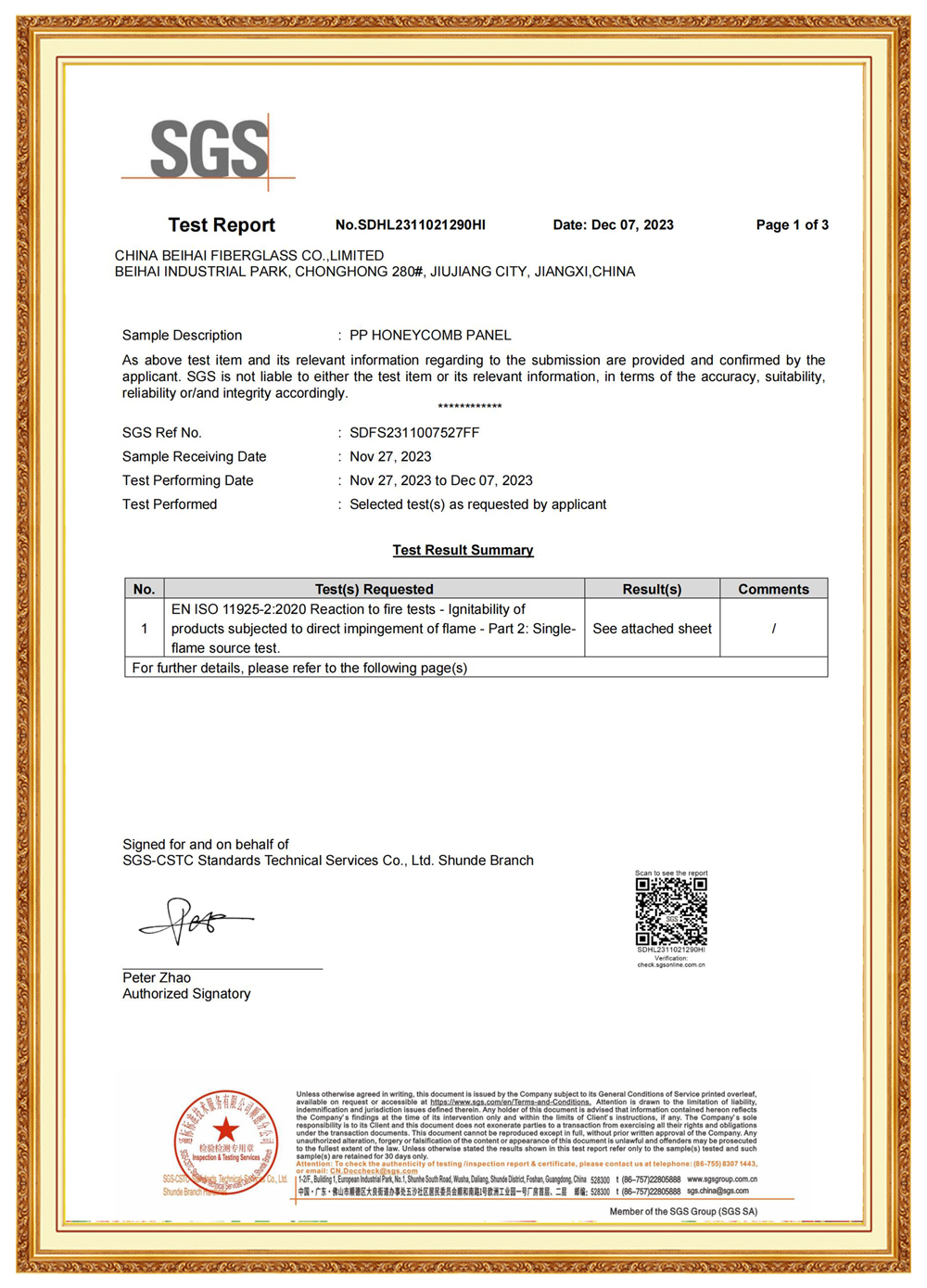
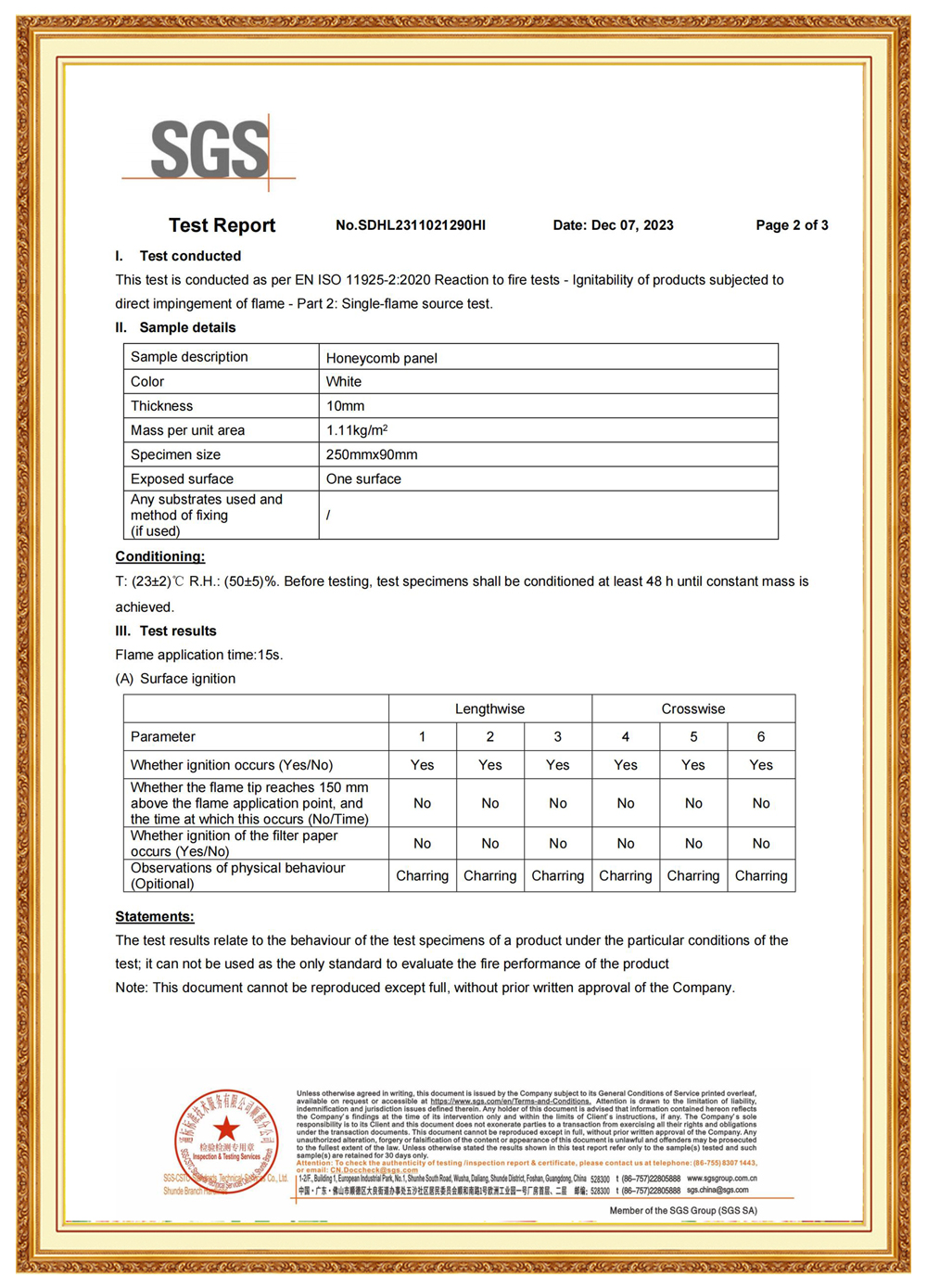
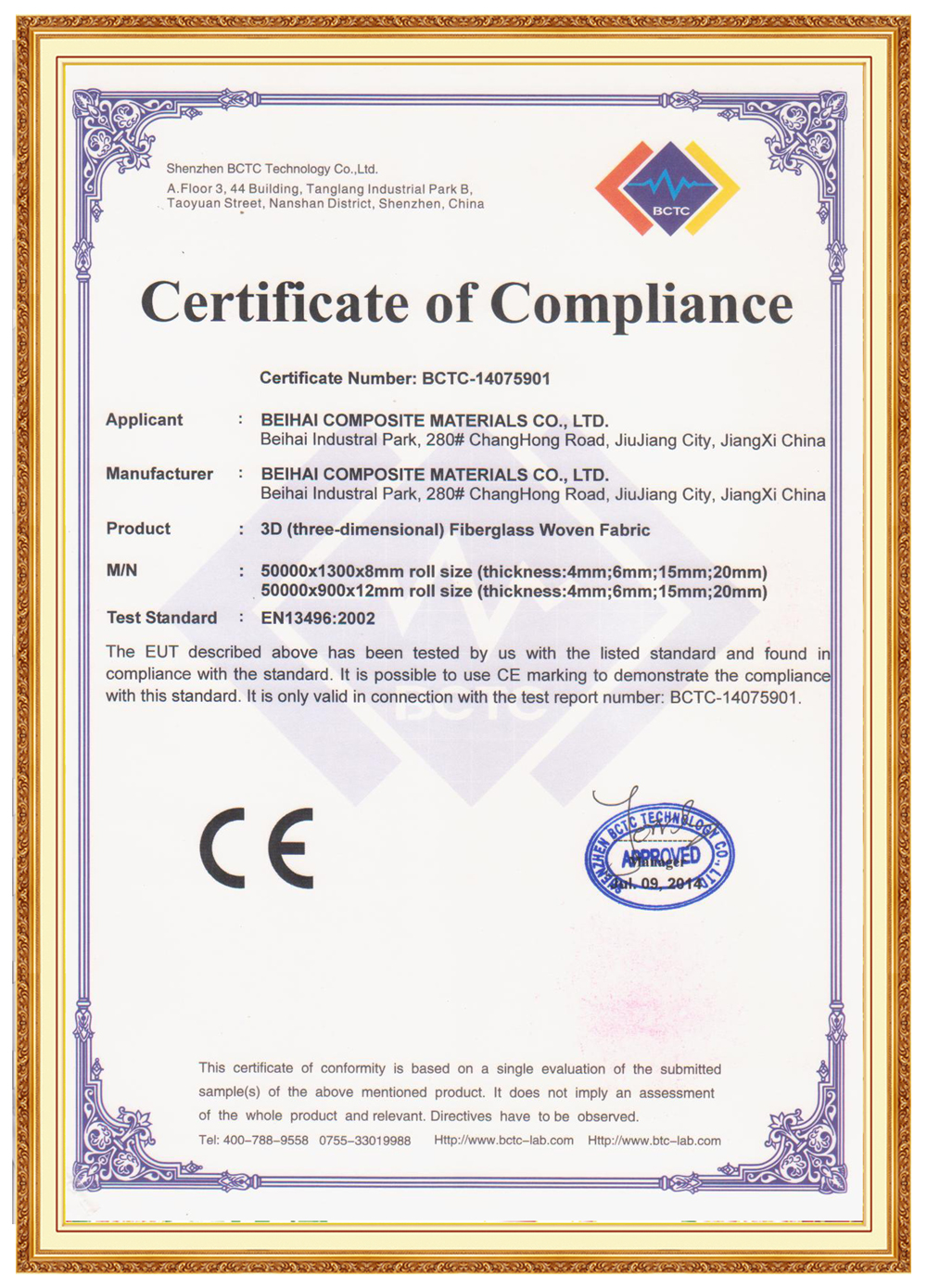
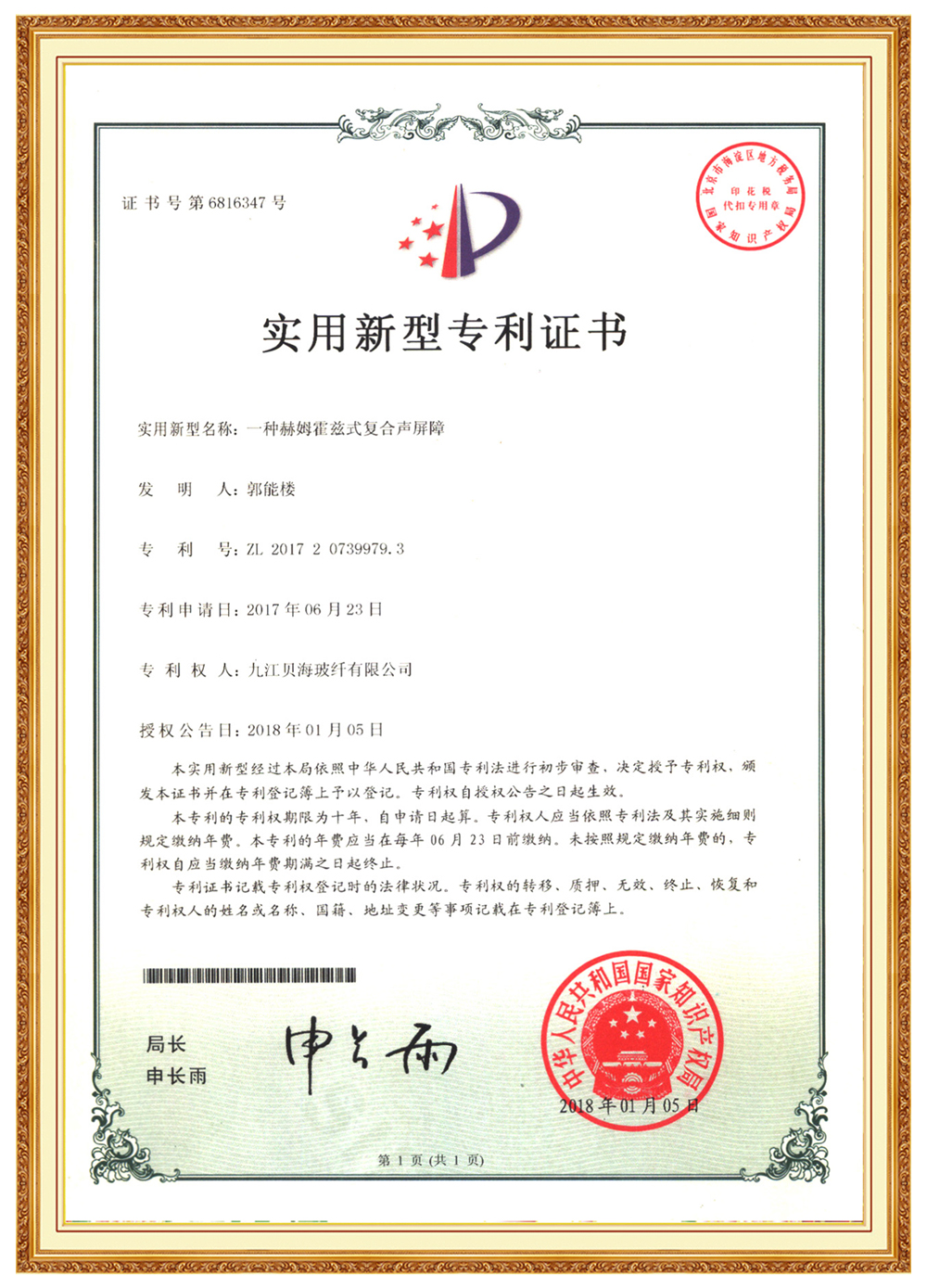
Our basalt fiber production lines adhere strictly to international ISO standards, satisfying rigorous mechanical, chemical, and ecological compliance frameworks.
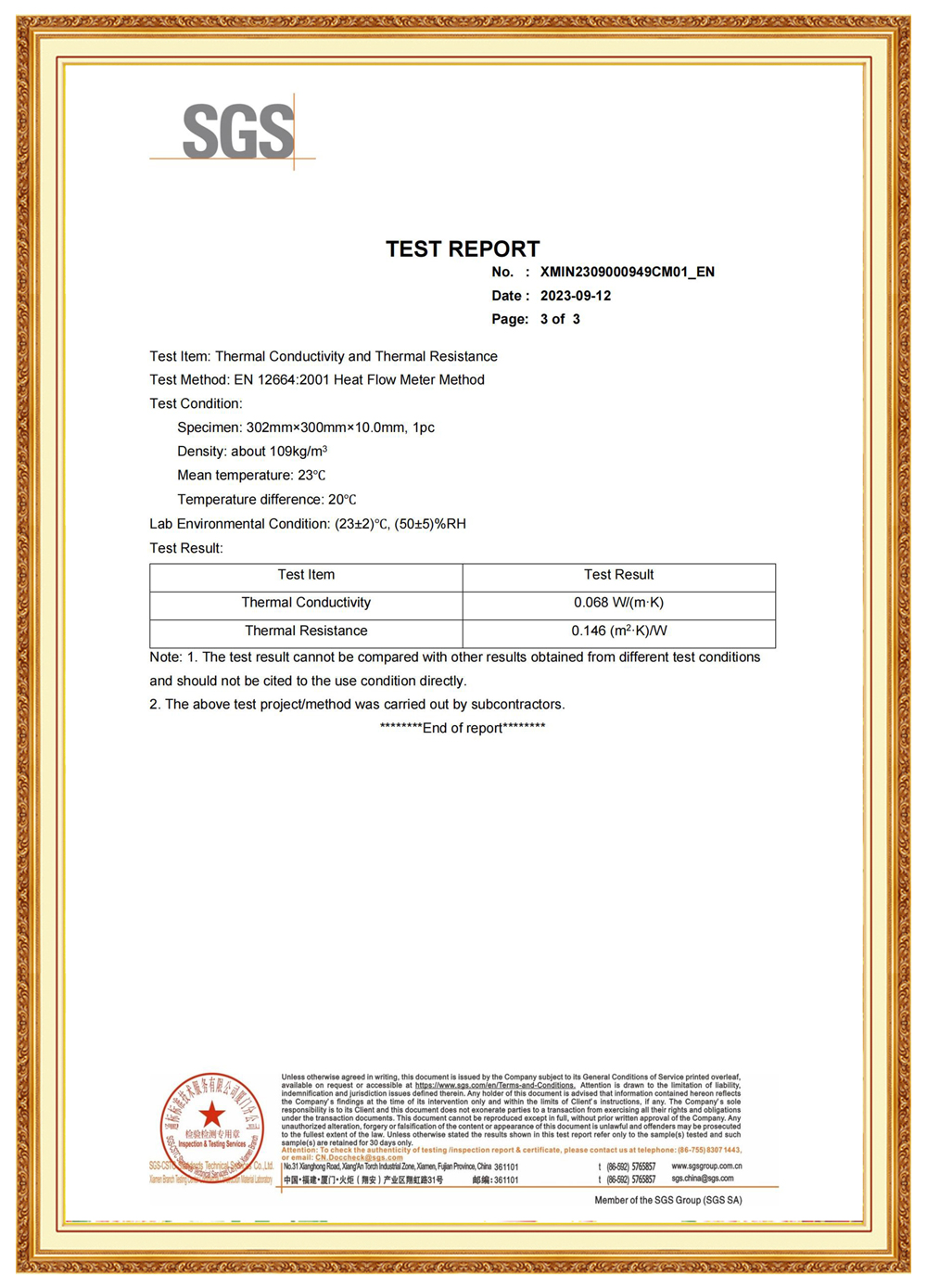
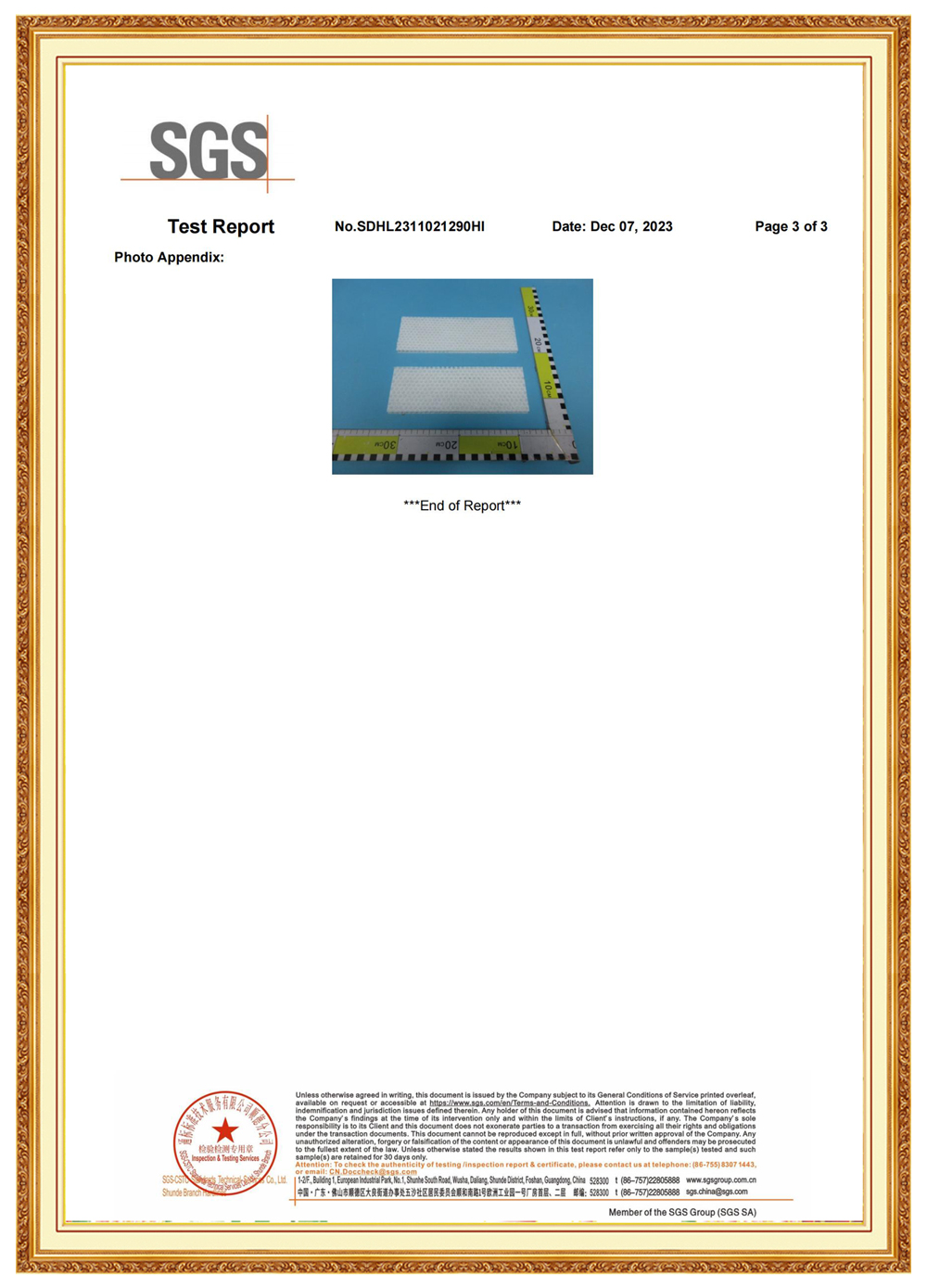
Keeping you connected with technical breakthroughs and scientific research regarding continuous basalt structures.

As advanced autonomous drones navigate wild zones to monitor forest health and robotic arms precisely weld complex industrial frames, the structural safety of these dynamic systems is increasingly supported by advanced basalt fiber composites. Offering an exceptional strength-to-weight ratio and superb electrical insulation, basalt roving is rapidly becoming the standard design material for chassis frames, housing shells, and high-frequency radomes.
 Our material scientists continue to optimize surface coupling agents to support ultra-high mechanical stress scenarios.
Direct responses to critical inquiries from structural engineers, international buyers, and material procurement professionals.
Secure premium, direct-from-factory basalt reinforcements to guarantee project structural safety and structural longevity.
 Beihai Fiberglass