Explore our premium engineered basalt reinforcement solutions tailored for specialized architectural, mechanical, and civil operations.
Founded in 2015 and situated in the industrial hub of Jiujiang, Jiangxi Province, China Beihai is a leading high-tech enterprise dedicated to research, manufacturing, and deep market integration of continuous basalt fibers.
By controlling the entire process from smelting engineering to secondary fabrication, we ensure that every batch meets standard international structural specifications.
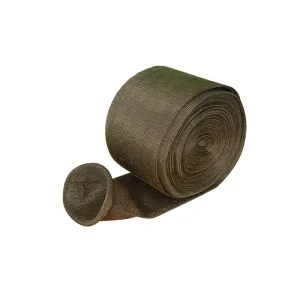
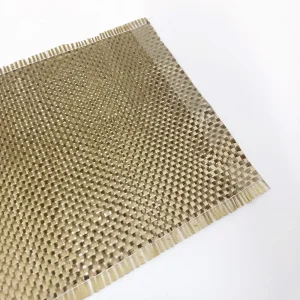
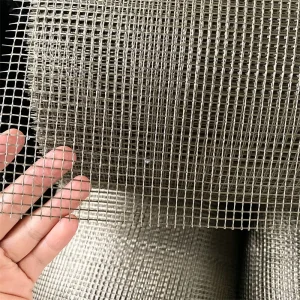
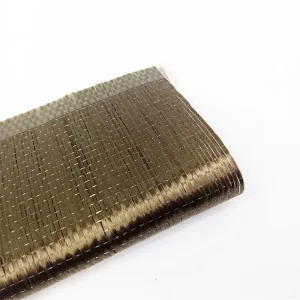
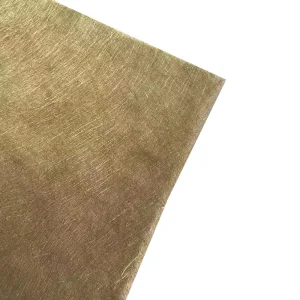
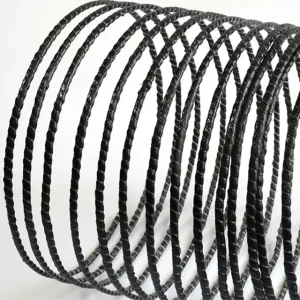
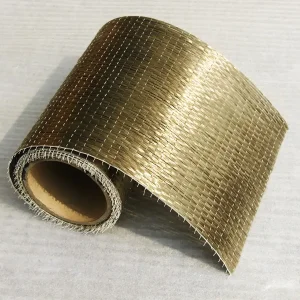
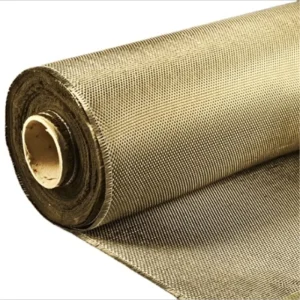
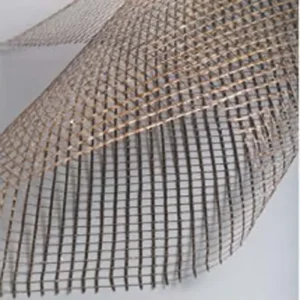
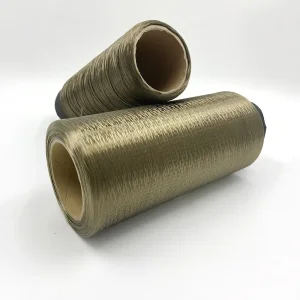
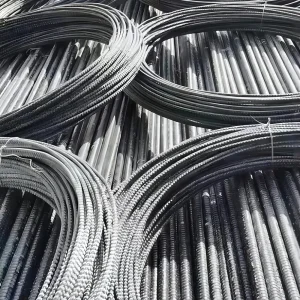
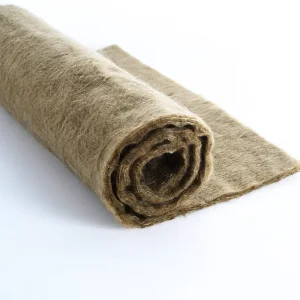
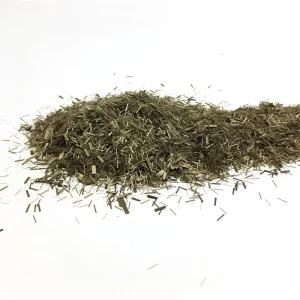
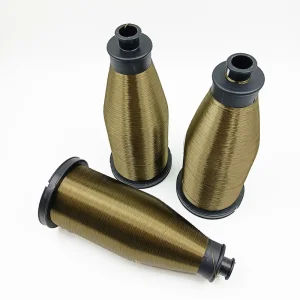
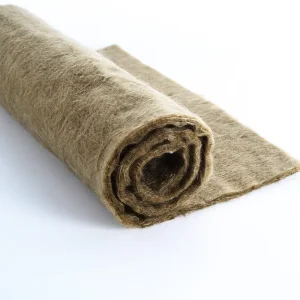
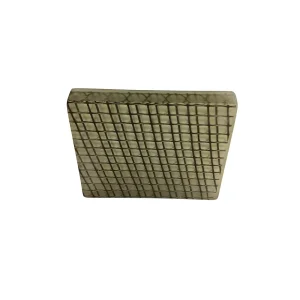
Our comprehensive production facilities produce an extensive lineup of basalt fiber solutions. From high-integrity basalt fiber mats, chopped strands, plain and twill fabrics, to specialized construction products such as Basalt Fiber Rebar (BFRP), high-temperature sleeving, and geogrid meshes.
Our solutions cater directly to marine engineering, traffic infrastructure, and high-precision composite structural projects globally.
Working with China Beihai means securing an uninterrupted supply chain directly from a premier manufacturer. Our emphasis on rigorous E-E-A-T principles guarantees that all material datasheets are fully auditable.
Our global engineering consultation team supports projects across North America, Europe, and Asia, ensuring full regulatory and code compliance.
A comprehensive mechanical and chemical evaluation of Basalt Fiber Reinforced Polymer (BFRP) reinforcement.
Key Insight: Basalt fiber rebar features a tensile strength three times greater than typical structural steel, combined with only a quarter of the structural weight. This prevents concrete spalling in environments vulnerable to salt corrosion, high chemical exposure, and humidity.
Continuous basalt fiber is produced by melting natural volcanic basalt rock at high temperatures exceeding 1450°C. The molten material is then extruded through platinum-rhodium alloy bushing plates into micro-filaments. These filaments are combined with advanced epoxy resin binders via pultrusion, forming Basalt Rebar. Unlike steel, basalt rebar is naturally impervious to corrosion, rendering it ideal for bridge decks, maritime retaining walls, and chemical processing facilities.
In addition to corrosion resistance, BFRP features low thermal conductivity (0.046 W/m·K) and absolute electromagnetic neutrality. In specialized applications like MRI facilities, toll stations, and high-voltage power sub-stations, this eliminates the risk of electromagnetic interference, structural heat buildup, and electrical induction issues common with traditional metallic reinforcements.
| Performance Parameter | Basalt Rebar (BFRP) | Carbon Fiber Rebar (CFRP) | Epoxy-Coated Steel |
|---|---|---|---|
| Tensile Strength (MPa) | 1100 - 1400 | 1600 - 2000 | 500 - 650 |
| Elastic Modulus (GPa) | 45 - 55 | 120 - 150 | 200 |
| Density (g/cm³) | 1.9 - 2.1 | 1.5 - 1.6 | 7.8 |
| Corrosion Resistance | Impervious to acid, alkali, & salt | Excellent | Prone to pitting over time |
| Thermal Conductivity | 0.046 W/m·K (Insulator) | Low | 54 W/m·K (High) |
A transparent breakdown of cost structures, size specifications, and market variables for global purchasing officers.
When assessing the **China Basalt Rebar Price**, raw pricing alone does not determine the total cost of ownership. The primary factors driving pricing tiers include rebar diameter (typically ranging from 4mm to 32mm), structural profile type (sand-coated, ribbed, or custom helical structures), mechanical resin choice (epoxy, vinyl ester, or polyurethane), and the overall volume of the procurement contract. Because of basalt’s low density, shipping costs per linear meter are lower compared to steel, yielding significant logistics savings.
| Standard Diameter (mm) | Nominal Weight (g/m) | Tensile Strength Minimum (MPa) | Indicative Price Range (USD/Meter)* | Standard Pack Length (m) |
|---|---|---|---|---|
| 4mm | 25 | > 1100 | $0.15 - $0.25 | 6m / 12m or Coils |
| 6mm | 56 | > 1100 | $0.28 - $0.40 | 6m / 12m or Coils |
| 8mm | 100 | > 1100 | $0.45 - $0.62 | 6m / 12m or Coils |
| 10mm | 157 | > 1100 | $0.70 - $0.95 | 6m / 12m |
| 12mm | 226 | > 1100 | $0.98 - $1.35 | 6m / 12m |
| 16mm | 402 | > 1100 | $1.75 - $2.30 | 6m / 12m |
| 20mm | 628 | > 1000 | $2.80 - $3.70 | 6m / 12m |
| 25mm | 980 | > 1000 | $4.50 - $5.90 | 6m / 12m |
*Note: The prices above represent historical averages. For current bulk quotes, custom resin formulations, and volume-based discounts, please contact our sales engineers directly.
High-performance continuous basalt fiber integration across major modern infrastructure domains.
Incorporating basalt rebar in bridge decks, high-speed rail concrete sleepers, and pavement continuously reinforced concrete pavements (CRCP) drastically reduces structural maintenance cycles. Its thermal coefficient closely matches concrete, minimizing internal structural shear stress.
Harsh marine environments accelerate steel oxidation and corrosion. China Beihai’s non-corrosive basalt rebar provides high durability for breakwaters, dock structures, floating dry docks, and coastal defense reinforcement structures.
For chemical containment dykes, concrete tanks holding corrosive chemicals, and petrochemical process foundations, basalt fiber materials prevent degradation caused by acidic and alkaline byproducts.
Our commitment to rigorous engineering standards, regulatory compliance, and eco-sustainable industrial design.
To ensure high quality, every metric ton of basalt fiber products leaving the China Beihai plants is tested against major global codes. Our products conform to ASTM D7957/D7957M (Standard Specification for Solid Round Glass Fiber Reinforced Polymer Bars for Concrete Reinforcement), **ACI 440.1R** (Guide for the Design and Construction of Structural Concrete Reinforced with FRP Bars), and standard European **ISO 10406-1** certification criteria.
The manufacturing process at China Beihai utilizes modern eco-friendly furnaces powered by electricity. Processing natural basalt stone into basalt fiber releases no hazardous chemicals or toxic emissions. Compared to carbon fiber manufacturing and structural steel blast furnaces, BFRP composite production maintains a significantly lower carbon footprint, aligning with global green building certification standards (such as LEED and BREEAM).
Looking ahead, China Beihai is actively testing the integration of fiber optic sensors directly into the core of basalt rebar during the pultrusion phase. This enables real-time structural health monitoring (SHM) for bridges and civil works, creating a self-reporting concrete system that signals overload issues before structural failure can occur.
Expert clarifications regarding mechanical performance, cost calculations, and installation techniques.
Due to its natural chemical resistance and protection against carbonation, basalt rebar prevents concrete degradation. Structures designed with high-quality BFRP can achieve a maintenance-free design life exceeding 100 years, outlasting epoxy-coated steel under similar environmental conditions.
Since basalt rebar is a thermoset polymer matrix composite, it cannot be bent on-site after curing. All specialized shapes, such as stirrups, curves, and standard L-bends, must be fabricated to order during manufacturing. China Beihai offers custom bending configurations based on your design schematics.
Basalt rebar features a thermal expansion coefficient (~10 x 10^-6/°C) that closely matches concrete. This similarity prevents internal cracking, debonding, and structural shear stress caused by thermal cycling, a common issue with other FRP alternatives.
Standard lead time for container orders is 15-25 days from contract finalization. Our closeness to major inland waterways and deepwater seaports allows for efficient routing to global destinations.
Yes. Our BFRP formulations include specialized UV-inhibiting additives in the resin matrix. However, for storage periods exceeding three months, we recommend covering the materials with tarpaulins to protect them from excessive direct sun exposure.
Review the rest of our premium engineered basalt solutions designed to meet strict mechanical and thermal requirements.
 Beihai Fiberglass