 Beihai Fiberglass
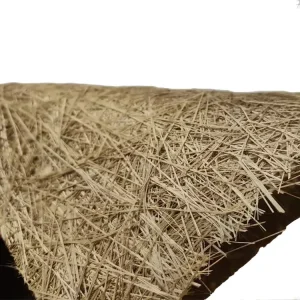
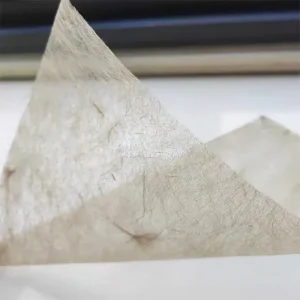
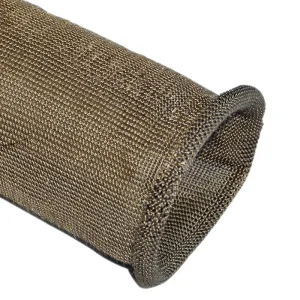
🌐 The Global Industrial Status of Fiberglass Needle Mat
The global Fiberglass Needle Mat market is currently undergoing a radical transformation. As industries move away from traditional asbestos-based materials and chemical-bonded felts, the demand for mechanically bonded, high-density insulation solutions has surged. China, as a leading global manufacturer, accounts for over 45% of the worldwide supply, driven by significant advancements in needling technology and raw material processing.
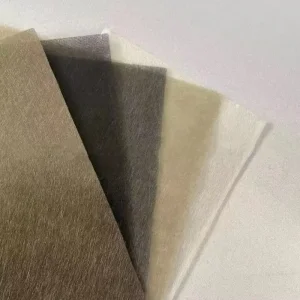
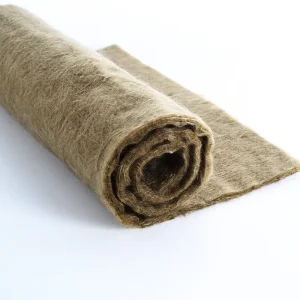
Information Gain Insight: Unlike traditional Chopped Strand Mats (CSM) that use chemical binders (emulsion or powder), the Needle Mat is purely mechanical. Thousands of hooked needles interlock the fibers, creating a product that is 100% inorganic, fireproof, and chemically inert. This is critical for EV battery insulation and high-end aerospace applications where outgassing is a prohibited risk.
650°C+
Continuous Operating Temp
35%
Acoustic Dampening Efficiency
A1
Non-Combustibility Grade
100%
Recyclable Material Base