In the landscape of 21st-century high-performance materials, Fire-Resistant Basalt Cloth has emerged as the definitive successor to traditional E-glass and a cost-effective alternative to carbon fiber. Derived from volcanic igneous rock, basalt fiber is a 100% natural, inorganic material that offers an unparalleled combination of thermal stability, chemical resistance, and mechanical strength.
The primary objective of this white paper is to dissect the "China Advantage" in the basalt supply chain and provide a comprehensive roadmap for industrial procurement officers, civil engineers, and aerospace designers. By understanding the molecular integrity of basalt—primarily composed of SiO₂, Al₂O₃, and Fe₂O₃—stakeholders can leverage its ability to withstand temperatures ranging from -260°C to over 980°C without significant structural degradation.
Current R&D at China Beihai focuses on plasma-enhanced chemical vapor deposition (PECVD) to apply nano-coatings on basalt cloth. This increases alkali resistance by 40%, making it ideal for the harshest concrete reinforcement environments.
The 2025 roadmap includes the mass production of Basalt-Aramid and Basalt-Carbon hybrids. These textiles offer the high modulus of carbon with the impact resistance and thermal insulation of basalt.
Unlike glass fiber, basalt is 100% recyclable. Our future factories are transitioning to "Closed-Loop Silicate Processing," where production waste is remelted into insulation-grade basalt wool.
The global basalt fiber market is projected to witness a CAGR of 12.5%. The shift toward "Green Buildings" and the stringent fire safety regulations in Europe and North America (ASTM E84, EN 13501-1) are driving the replacement of asbestos and ceramic fibers with basalt textiles. Basalt cloth is no longer a niche product; it is becoming the standard for Lithium-ion Battery Thermal Runaway Protection and Hydrogen Tank Reinforcement.
Annual Tonnage Capacity
Raw Material Autonomy
Energy Efficiency Gain
Certified Quality Control
The competitive pricing of China Fire-Resistant Basalt Cloth is not a result of "cheap labor" but rather Industrial Clustering and Vertical Integration. Located in Jiangxi, China Beihai benefits from proximity to high-quality basalt quarries and a sophisticated chemical supply chain for sizing agents.
Our factory utilizes a "One-Kiln-Multi-Bushing" technology, which significantly reduces the energy required to melt basalt rock (melted at 1450°C-1500°C). By optimizing the homogenization of the melt, we ensure that every square meter of fire-resistant cloth maintains consistent tensile strength and heat deflection properties.
With the rise of Electric Vehicles (EVs), basalt cloth is used as a fire barrier between battery cells to prevent thermal runaway propagation, outperforming glass fiber in high-intensity heat scenarios.
Basalt's innate resistance to salt-water corrosion (unlike steel or carbon fiber) makes it the preferred material for wrapping undersea oil pipelines and protecting bridge piers.
Installed as fire curtains in high-speed rail tunnels, basalt cloth prevents smoke spread and maintains structural integrity during extreme fire events, crucial for localized safety compliance.
Aerospace & Defense: Through fine process control, China Beihai’s basalt fiber is utilized in spacecraft shell materials and thermal protection systems. Its dielectric properties also make it invisible to radar, providing secondary benefits in specialized defense applications.
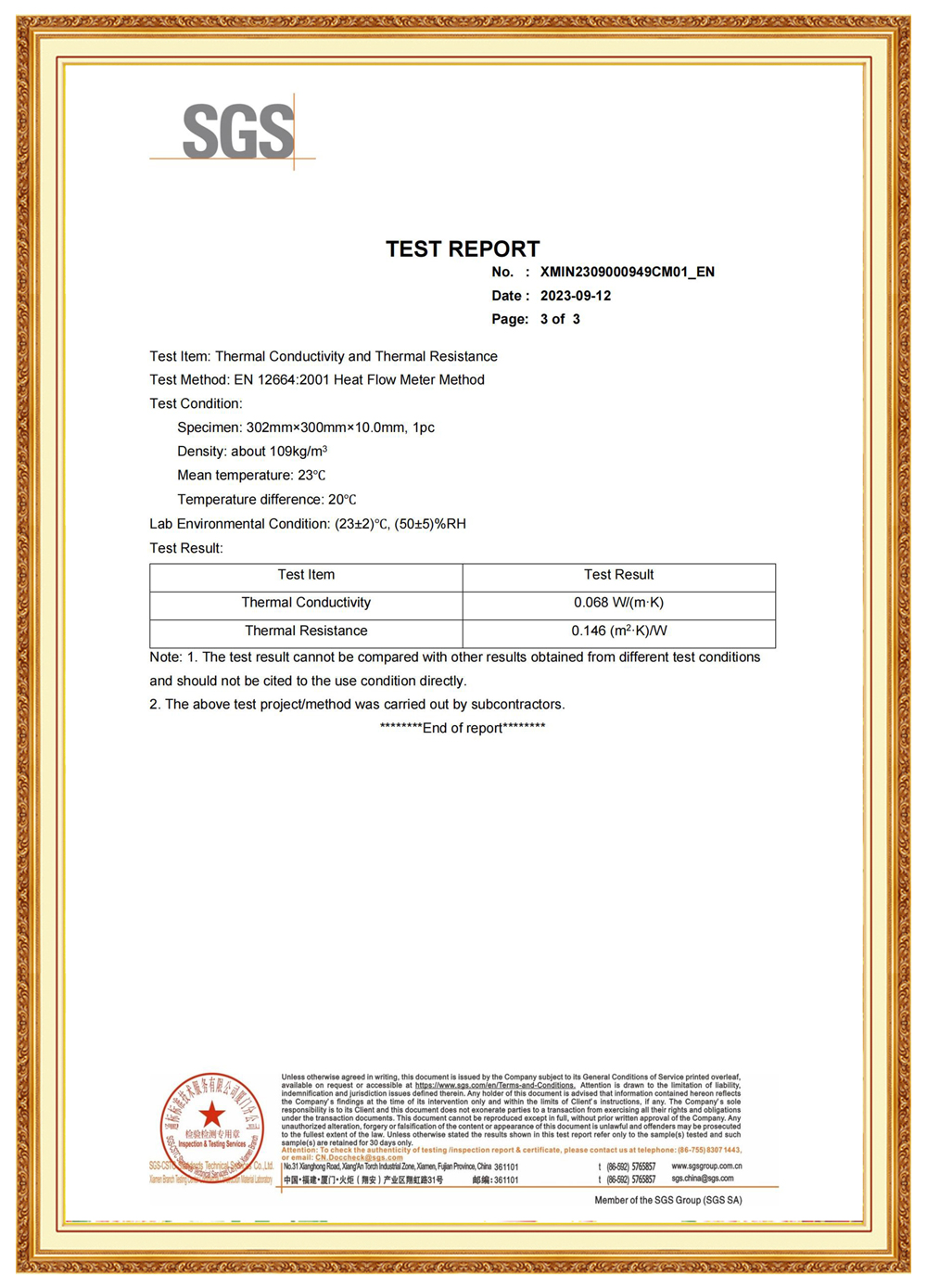
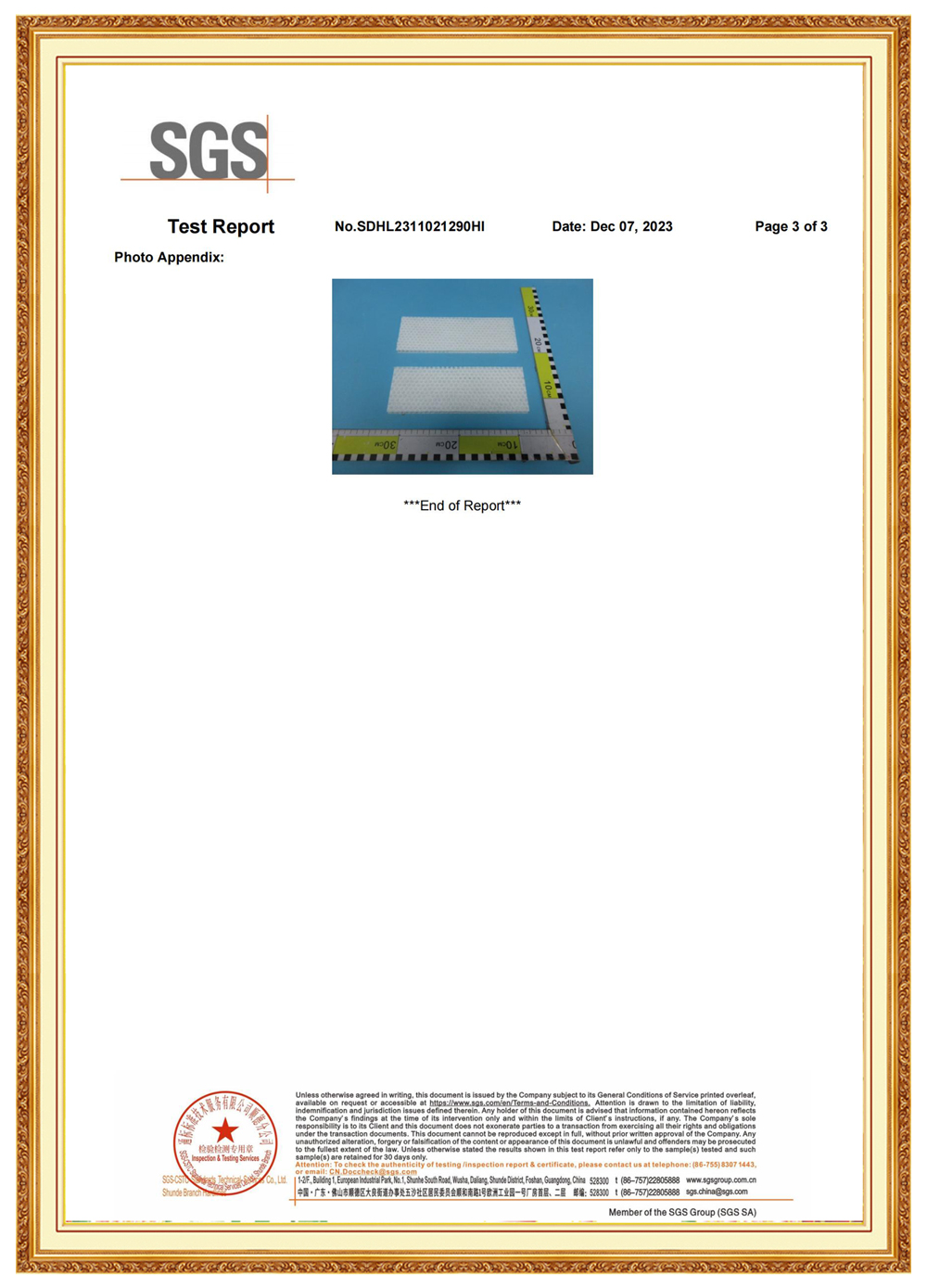
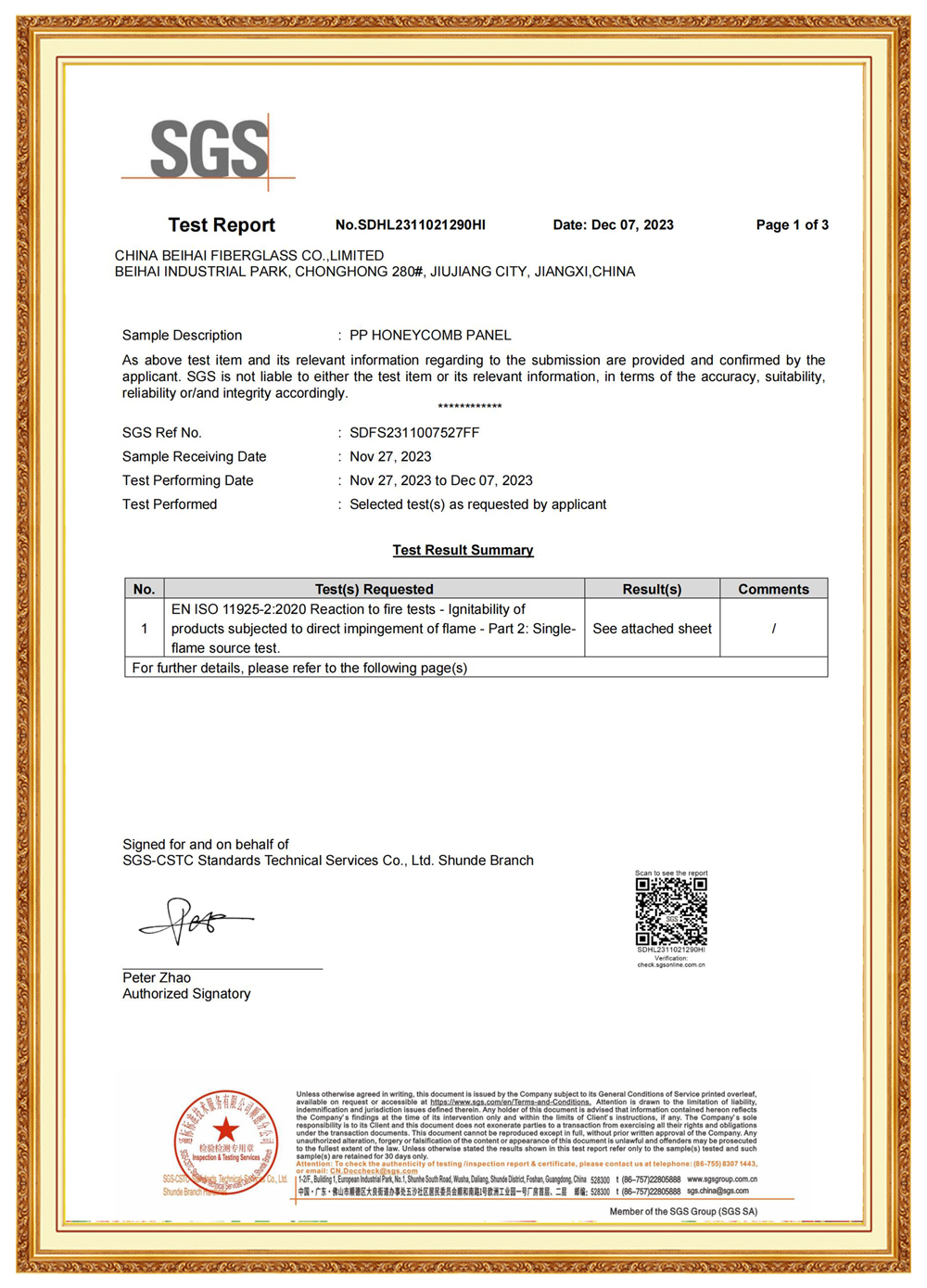
Navigating international standards is paramount for reliable procurement. China Beihai provides comprehensive documentation to ensure our products meet local regulations in North America, Europe, and Southeast Asia.
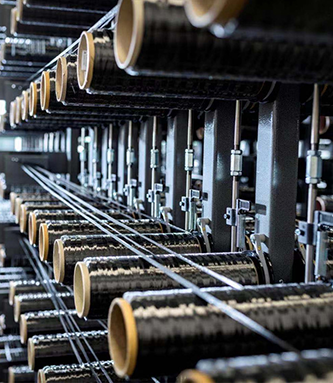
China Beihai was founded in 2015 and is located in Jiujiang, Jiangxi Province. As a high-tech enterprise focusing on the research, development, production, and sales of high-performance basalt continuous fiber and its production equipment manufacturing, we are a leading enterprise in the domestic basalt fiber industry.
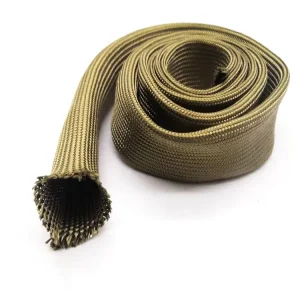
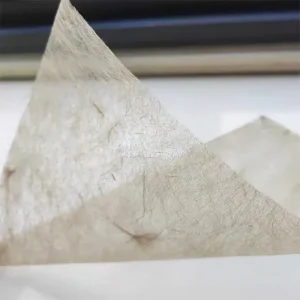
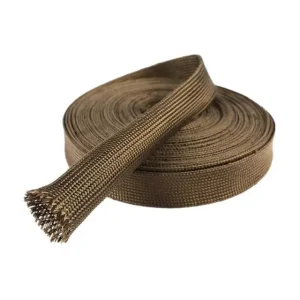
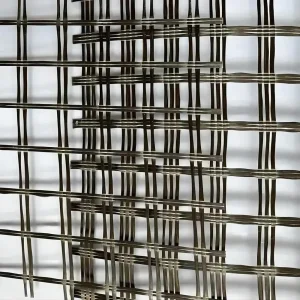
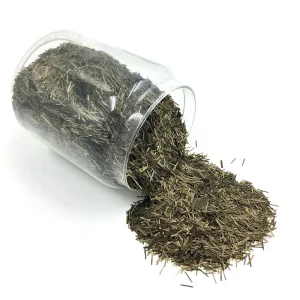
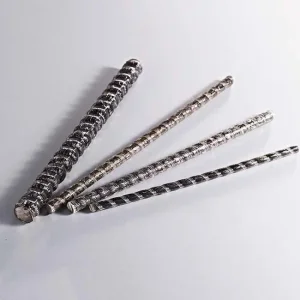
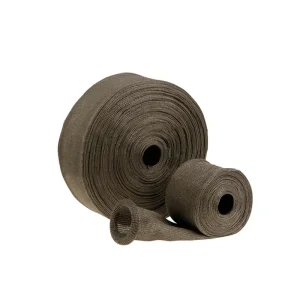
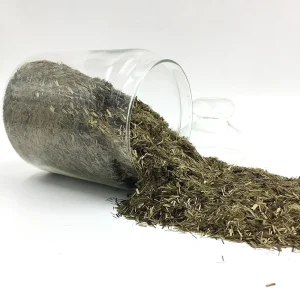
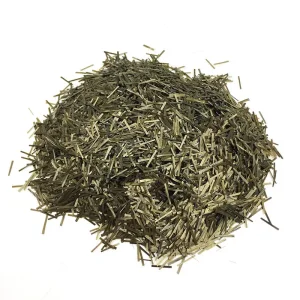
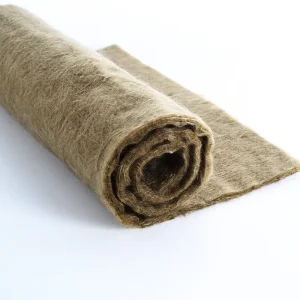
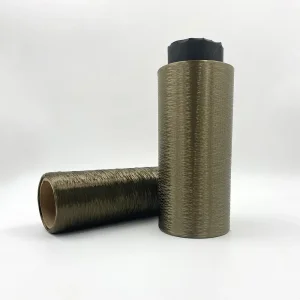
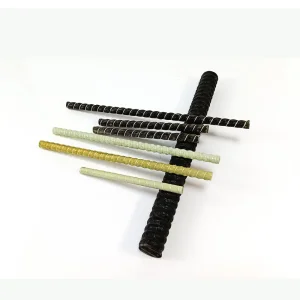
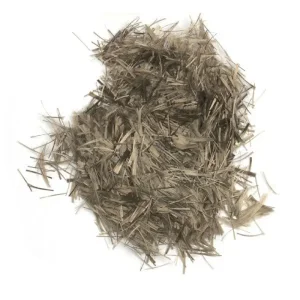
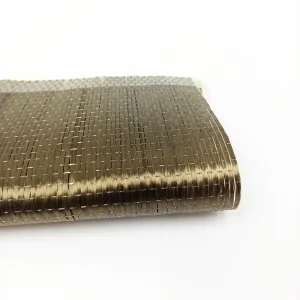
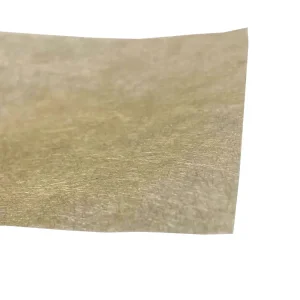
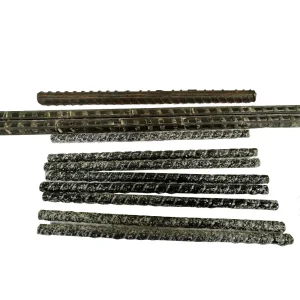
We specialize in basalt fiber mat, cloth, roving, yarn, chopped strands, rebar, sleeves, and tape.
Choosing China Beihai means reliability, sustainability, and industry expertise. We are a thought supplier for all your basalt product needs.

Our basalt products have diverse applications in house construction and infrastructure.

Ideal for manufacturing aircraft wings and engine components due to heat resistance.

Utilized in spacecraft shell materials and thermal protection systems.

Increases durability, crack resistance, and chemical stability in engineering projects.

Protects structures from vehicle collisions, fire, and natural corrosion.
 Beihai Fiberglass