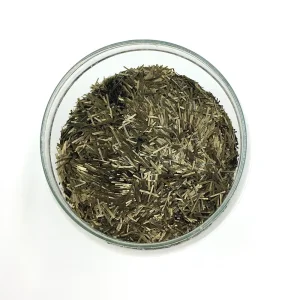
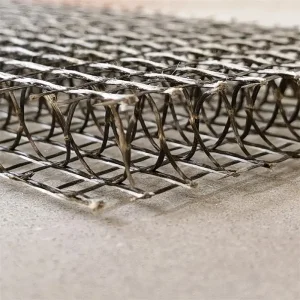
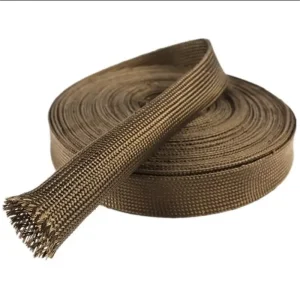
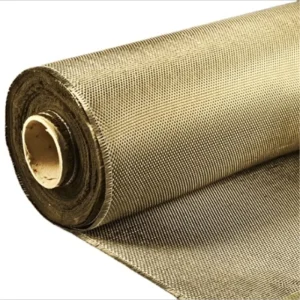
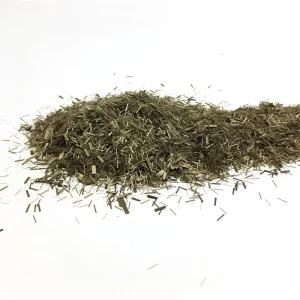
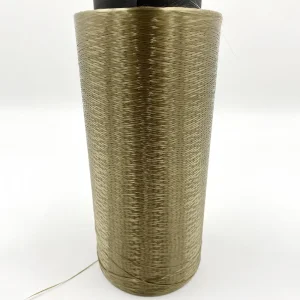
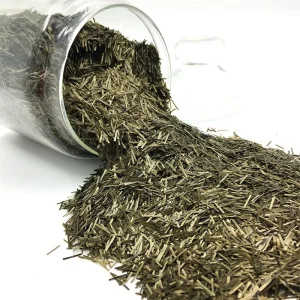
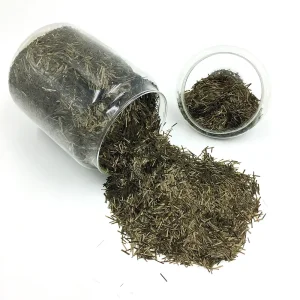
Founded in Jiujiang, Jiangxi Province, China Beihai has evolved into a national high-tech enterprise. We specialize in the R&D, production, and precision manufacturing of high-performance continuous basalt fiber (CBF). Our industrial complex represents the pinnacle of China's basalt fiber evolution.
Unlike synthetic fibers, our basalt products are derived from volcanic rock melted at extreme temperatures. This process results in a 100% natural, eco-friendly material with thermal stability from -260°C to 700°C, significantly outperforming glass fiber in tensile strength and alkali resistance.
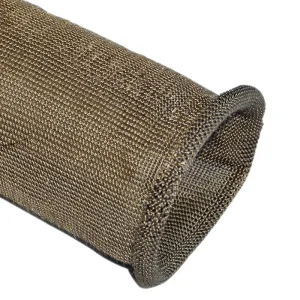
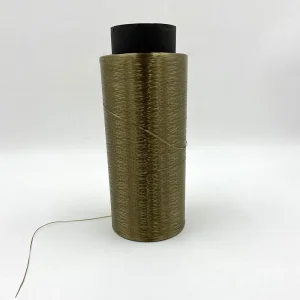
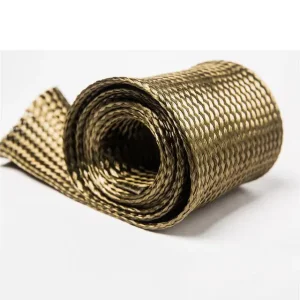
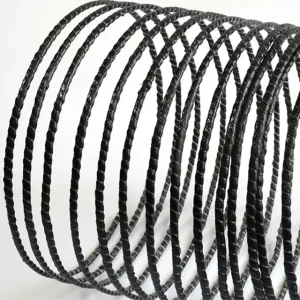
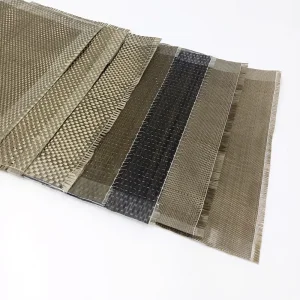
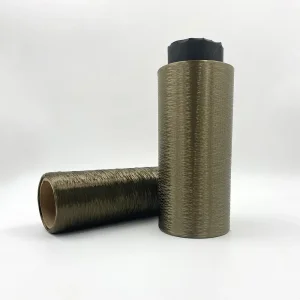
We provide end-to-end solutions: from raw roving to complex basalt rebar and fireproof textiles. As a leading supplier, we ensure that every meter of fiber meets stringent international quality standards, supporting critical infrastructure projects worldwide.
In the global quest for sustainable construction materials, China's Basalt Fiber Industry stands at the forefront. Our factory in Jiujiang leverages the unique geological wealth of China’s basalt deposits combined with advanced "pool kiln" melting technology. This synergy allows us to offer unmatched "Information Gain" to our procurement partners through:
Our R&D team has perfected surface treatment technologies that enhance the bonding between basalt fiber and polymer matrices, making our composites ideal for Aerospace shells and Hydrogen storage tanks.
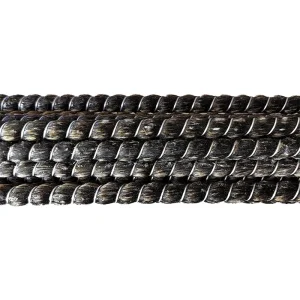
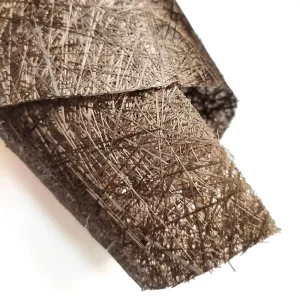
We control the entire supply chain—from mining the volcanic rock to manufacturing finished products like Basalt Rebar and Chopped Strand Mat. This ensures price stability and quality consistency.
China's industrial ecosystem allows for high-volume production without compromising on the meticulous quality control required for Bridge Road Construction and Petrochemical piping.

Basalt Rebar (4-30mm) replaces steel in coastal bridges, preventing corrosion and extending structural life by decades.

Lightweight 3D Mesh and Basalt Roving are used for drone frames and engine thermal protection systems.

Replacing E-glass with Basalt fiber in car bumpers and interior panels reduces vehicle weight while enhancing impact safety.

Corrosion-resistant sleeves and roving are vital for underground oil pipelines and chemical storage tanks.

As the world pivots toward Carbon Neutrality (Net Zero), Basalt fiber is emerging as the premier "green" alternative to carbon fiber. Its production process emits significantly less CO2 than glass or carbon fiber manufacturing.
 Beihai Fiberglass