Wholesale Epoxy Rebar Pricelist & Supplier

Industry-leading high-performance composite and epoxy-matrix reinforcing technologies designed for the extreme demands of structural engineering.

Featured Engineering Solutions - Core Inventory

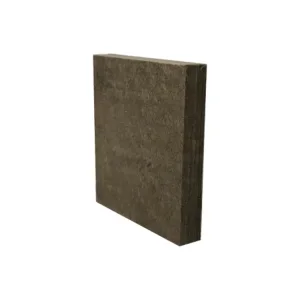
China Basalt Fiber Board Quotes, Suppliers

China Basalt Fiber Board Quotes, Suppliers

Learn More
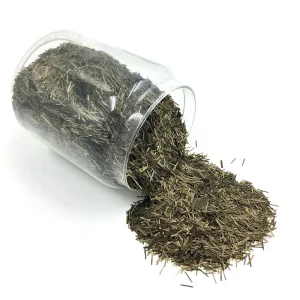
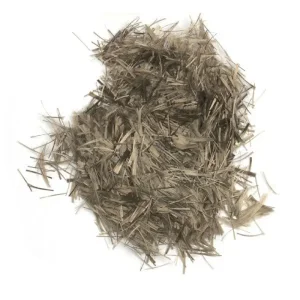
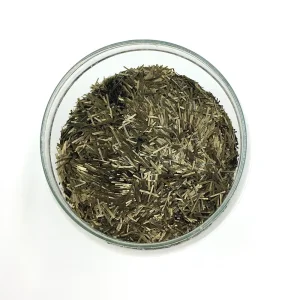
Wholesale Alkali Resistance Basalt Short Cut Fiber

Wholesale Alkali Resistance Basalt Short Cut Fiber Basalt Chopped Strands for Constructional Reinforcement

Learn More
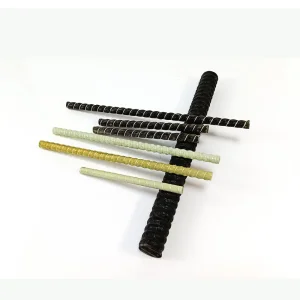
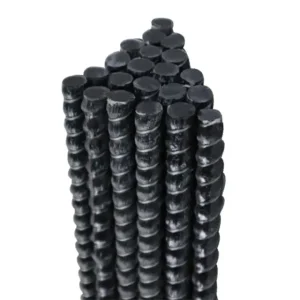
Custom Top Quality Non-conductive Basalt Fiber Rebar

Custom Top Quality Non-conductive Basalt Fiber Rebar Alkali Resistant Insulated Composite Rebar

Learn More
China High-Performance Basalt Fiber Board

China High-Performance Basalt Fiber Board Products, Suppliers

Learn More
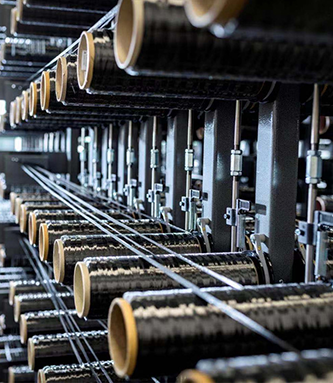
China Basalt Fiber Roving

China Basalt Fiber Roving For Manufacturing Composite Product, Factory

Learn More
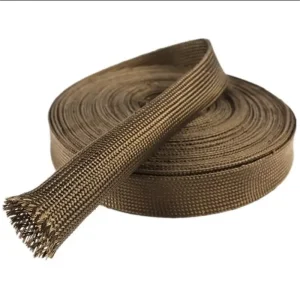
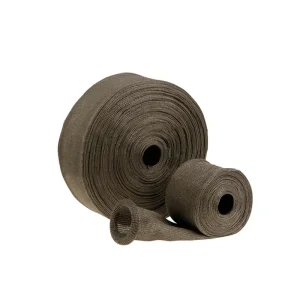
Wholesale High Temperature Resistance Basalt Fiber Sleeves

Wholesale High Temperature Resistance Basalt Fiber Sleeves And Tape Manufacturers

Learn More
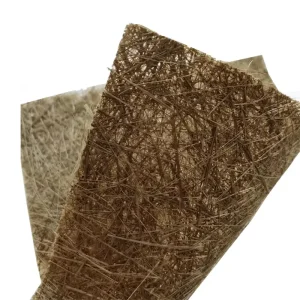
Wholesale Basalt Fiber Chopped Strands For Mat

Wholesale Basalt Fiber Chopped Strands For Mat Products, Manufacturers

Learn More
China High-Performance Material Basalt Fiber Products

China High-Performance Material Basalt Fiber Products, Manufacturers

Learn More

The Paradigm Shift in Structural Reinforcement: Advanced Epoxy Rebar Technology

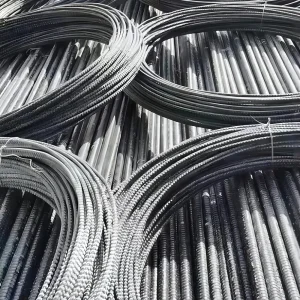
Civil and infrastructure engineering is currently witnessing a significant paradigm shift. For decades, traditional carbon steel rebar has been the default standard for concrete reinforcement. However, the inherent susceptibility of carbon steel to oxidation, chloride-induced corrosion, and chemical degradation has led to catastrophic infrastructure failures, prompting astronomical repair bills globally. Enter advanced Epoxy Rebar and its ultimate iteration: Epoxy-Matrix Basalt Fiber Reinforced Polymer (BFRP) Rebar.

As a leading high-tech enterprise, China Beihai (founded in 2015 and headquartered in Jiujiang, Jiangxi Province) has positioned itself at the absolute forefront of this technological revolution. We synthesize the chemical resilience of high-grade custom epoxy formulations with the extreme natural tensile capability of continuous volcanic basalt fibers. This comprehensive whitepaper provides engineers, procurement managers, and civil contractors with a profound technical dive into cost mechanisms, global supply dynamics, material physics, and procurement strategies of wholesale composite reinforcement solutions.

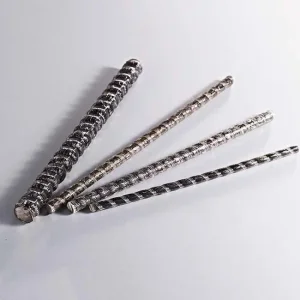
Important Technical Distinction: Modern "Epoxy Rebar" incorporates both traditional epoxy-coated carbon steel rebar (ECR) and high-performance Epoxy-matrix Basalt FRP rebar. ECR relies on a surface coating to block oxygen and moisture, whereas Epoxy-matrix BFRP integrates advanced epoxy resin throughout the entire fiber structure, ensuring structural performance that is chemically impervious to external elements.

Comprehensive Technical Analysis: Epoxy-Coated Steel vs. Epoxy-Matrix Basalt FRP

To make informed purchasing decisions at a wholesale level, engineers must evaluate material behavior across key performance indices. The following comparison outlines the critical engineering specifications:

Performance Characteristic Traditional Epoxy-Coated Steel (ECR) Epoxy-Matrix Basalt FRP (BFRP) Engineering Advantage of Epoxy-BFRP
Tensile Strength (MPa) 400 – 500 MPa 1,100 – 1,200 MPa Over 2x higher structural threshold
Density (g/cm³) 7.85 g/cm³ 1.9 – 2.1 g/cm³ 75% lighter, vastly reducing transport costs
Corrosion Mechanism Susceptible to underfilm rust if coating is chipped 100% chemically inert throughout the matrix Zero rust, infinite service life under pH 13+
Electrical Conductivity High conductivity Non-conductive (Insulative) Ideal for MRI rooms and high-voltage zones
Thermal Coeff. of Expansion 11.7 x 10^-6 /°C 9.0 – 10.0 x 10^-6 /°C Matches concrete, eliminating stress fractures
Lifecycle Expectancy 15 – 25 Years 100+ Years Vastly superior long-term ROI

The data highlights a compelling physical truth: Epoxy-matrix basalt composites possess double the tensile capability of traditional steel at a quarter of the structural weight. For large-scale civil works, this dramatically simplifies freight handling, lowers on-site physical fatigue, reduces crane operating hours, and effectively eliminates concrete spalling caused by internal corrosion expansion forces.

China Beihai Group: Empirical Strength by the Numbers

2015
Founded & Formulated
Near Jiujiang, Jiangxi, pioneering continuous basalt extrusion and advanced resin infusion.
2.4x
Strength-to-Weight Ratio
Allowing structural engineers to reduce overall reinforcing steel volume by up to 40%.
100%
Zero-Rust Certification
Fully resistant to high alkaline concrete hydration chemistry and extreme sea salt exposures.

Wholesale Price Architecture: What Controls the Epoxy Rebar Pricelist?

When sourcing large quantities from a dedicated industrial factory like China Beihai Group, a deep understanding of pricing structures is critical. Standard commodity steel pricing is typically dictated by bulk spot prices on metal exchanges. In contrast, the pricing model for wholesale Epoxy-Matrix Basalt Rebar is calculated based on linear volume, advanced polymer matrices, raw fiber sizing, and technical certification.

1. The Chemistry of Advanced Epoxy Polymer Selection

The binding agent in high-performance rebar is not standard plastic, but rather specialized thermosetting cross-linking epoxies. The quality of the epoxy directly dictates the rebar's resistance to alkali attacks in concrete environments (pH levels often exceeding 13). China Beihai applies custom-engineered epoxy resins that undergo comprehensive thermal cross-linking. Higher-grade epoxies with superior glass transition temperatures (Tg) command a slight premium but ensure the structural integrity remains stable across a wide temperature range.

2. Roving Quality and Pultrusion Processing Speeds

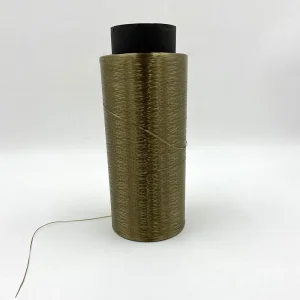
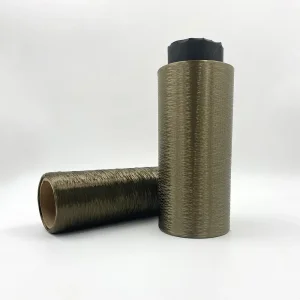
Our basalt continuous roving is manufactured by melting raw basalt stone at 1450°C and extruding it via platinum-rhodium alloy bushing plates. Standard rebar production requires a pull-speed optimization technique known as "pultrusion." Slow, high-pressure pultrusion ensures 100% saturation of every single micro-filament, leaving zero internal voids. A void ratio below 1% (which China Beihai maintains) is the standard for marine-grade composite rebar, influencing both wholesale cost and structural safety.

3. Scale Economics & Custom Fabrications

Because composite rebars cannot be easily bent on-site once cured, custom shapes (such as stirrups, bends, and specialized loops) must be fabricated in-house at our factory. Sourcing standard straight-length rebar allows for high-speed continuous production, driving wholesale prices to extremely competitive levels. Conversely, pre-bent shapes involve custom steel molds and localized assembly, which is reflected in specialized quotes.

Technology Roadmap: The Future of Epoxy Composite Rebars (2025–2035)

As an innovation-focused, high-tech enterprise, China Beihai continuously researches future technological advancements. Over the next decade, we are driving development in three core fields:

Bio-Sourced Green Epoxies

Replacing traditional petroleum-based polymers with plant-derived, highly stable epoxies to reduce the carbon footprint of future green structural builds.

Smart Self-Sensing Rebar

Embedding high-sensitivity optical fiber bragg gratings inside the epoxy matrix to allow structures to continuously stream load data and report stress levels.

Micro-Nano Surface Textures

Improving standard sand-coating techniques with hybrid micro-grooved patterns to double the bonding performance between rebar and low-slump concrete.

GLOBAL LOGISTICS POWERHOUSE

China Beihai Group: Factory Efficiency & Supply Chain Resilience

Established in Jiujiang, Jiangxi, China Beihai Group operates advanced manufacturing hubs designed for mass continuous output. Our strategic location near primary shipping routes and raw material basalt quarries enables a highly optimized supply chain that protects international buyers from market volatility.

Our factory integration guarantees that from raw volcanic rock melting to the final epoxy pultrusion process, everything is handled under one centralized system. This vertical integration allows us to manage quality control in real-time, maintain exceptionally stable pricing structures, and execute short lead times for high-volume orders globally.

Whether you are handling major marine terminal renovations in Europe, toll-road expansions in North America, or non-conductive electrical substations in the Middle East, China Beihai delivers certified high-performance reinforcement materials directly to your local port.
China Beihai Factory and Technical R&D Center

Localized Applications and Global Compliance Standards

A primary barrier to implementing advanced epoxy-matrix basalt rebar has historically been localized regulatory alignment. Over the past decade, however, major global standardization bodies have updated their codes to actively include and promote the use of fiber reinforced polymers:
  • North America (ACI & ASTM Compliance): Design approaches follow the strict guidelines of ACI 440.1R-15 (Guide for the Design and Construction of Structural Concrete Reinforced with FRP Bars). Mechanical properties are validated according to ASTM D7913 (Bond Strength of Fiber Reinforced Polymer Matrix Composite Bars).
  • Europe (Eurocodes Integration): With the inclusion of FRP materials in draft versions of Eurocode 2, European contractors actively deploy epoxy-matrix basalt rebar in bridge deck overlays, marine quay walls, and tunnel linings where exposure to de-icing salts is intense.
  • Asia-Pacific Infrastructure: Extensive high-speed rail lines and coastal seawalls rely heavily on non-corrosive composite rebar, avoiding structural degradation from stray currents and seawater immersion.
MRI Rooms & Insulated High-Voltage Installations: In medical and utility environments, the magnetic neutrality of epoxy-basalt rebar is highly valuable. Magnetic resonance imaging (MRI) suites require complete elimination of ferrous materials to prevent field distortion. Similarly, power stations and high-voltage transmission pads utilize these non-conductive rebars to isolate electrical paths, ensuring safe operation.

Comprehensive FAQ: Deep Domain Q&A

Q1: How does Epoxy-Matrix Basalt Rebar compare in initial purchase price versus traditional steel?
Historically, composite materials carried a price premium. Today, however, with rising metal processing costs and improved manufacturing efficiencies at China Beihai, the initial price difference has narrowed significantly. When considering the 75% weight reduction—which vastly lowers shipping and on-site crane costs—and the complete elimination of repair and maintenance cycles over a 100-year lifecycle, the total cost of ownership is far lower than traditional steel.
Q2: Can this rebar be bent or modified on the job site?
Thermoset epoxy-matrix composite rebars are cured at high temperatures in the factory, meaning they cannot be reshaped or bent once they leave the pultrusion line. All structural bends, stirrups, and custom hooks must be detailed during the design phase and manufactured directly by China Beihai. Straight sections, however, can be easily cut to length on-site using standard abrasive cutting wheels.
Q3: How does high-performance epoxy-basalt rebar behave in extreme fire conditions?
Concrete itself acts as an excellent thermal insulator. In the event of extreme heat reaching the rebar, the epoxy matrix will gradually soften once it exceeds its glass transition temperature (Tg). However, unlike steel—which conducts heat rapidly throughout the structural core and can cause sudden building collapse—basalt composites have exceptionally low thermal conductivity, keeping structural damage highly localized.
Q4: What certificates does China Beihai provide to ensure international structural compliance?
We provide complete material traceability reports for every batch, including raw basalt fiber density tests, resin-to-fiber ratio calculations, tensile strength measurements, and elastic modulus verifications in accordance with ASTM, ISO, and Eurocode guidelines. Our quality management systems are fully certified to meet standard international requirements.

Explore More Specialized High-Performance Products

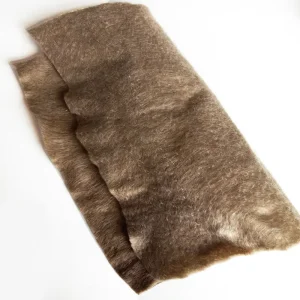
Custom 2025 Factory Hot Sale Fireproof Needled Felt

Custom 2025 Factory Hot Sale Fireproof Needled Felt Basalt Fiber Needled Mat

Learn More
Custom Insulation Basalt Fiber Wrapping Tape

Custom Insulation Basalt Fiber Wrapping Tape and Sleeving Product

Learn More
Custom High-strength corrosion-resistant basalt rebar

Custom High-strength corrosion-resistant basalt rebar Product, Supplier

Learn More
Wholesale High Temperature Resistant Basalt Fiber Roving

Wholesale High Temperature Resistant Basalt Fiber Roving Product, Supplier

Learn More
Wholesale High Strength Basalt Rebar

Wholesale High Strength Basalt Rebar for Underground Construction Pricelist

Learn More
Custom Corrosion-resistant Basalt Fiber Direct Roving

Custom Corrosion-resistant High-performance Basalt Fiber Direct Roving

Learn More
Wholesale High Quality Basalt Fiber Needled Mat

Wholesale High Quality Basalt Fiber Needled Mat Fireproof Needled Felt

Learn More
Custom Wear-resistant basalt fiber rebar

Custom Wear-resistant basalt fiber rebar Manufacturer, Factory

Learn More