Engineered for extreme load-bearing capacity, high temperature resistance, and long-term durability.
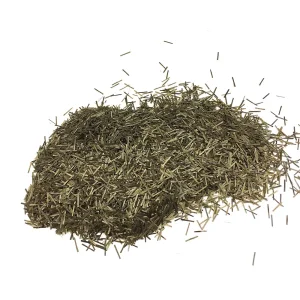
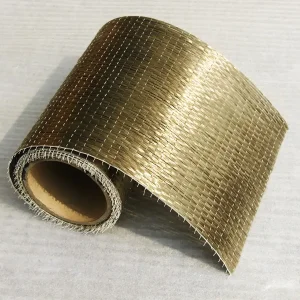
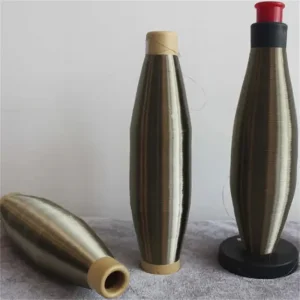
In the modern era of civil engineering and infrastructure development, structural longevity, cost efficiency, and environmental sustainability are the three pillars driving innovation. As global transportation networks expand and urban centers densify, traditional soil stabilization and asphalt paving methodologies face unprecedented mechanical stress. This is where high-performance Fiberglas Geogrids and advanced basalt fiber composites step in as game-changing engineering solutions.
The global demand for high-tensile geosynthetics is surging, driven by massive public-private partnership (PPP) infrastructure initiatives across North America, Europe, and the Asia-Pacific region. Municipalities and state departments of transportation (DOTs) are increasingly mandating the use of geogrids to combat subgrade failure, lateral displacement of aggregate base materials, and reflective cracking in asphalt overlays.
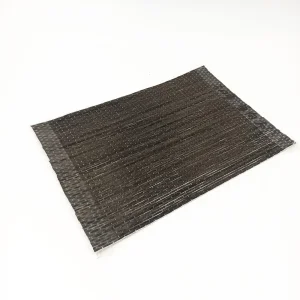
For procurement officers and global distributors, sourcing from a reliable wholesale Fiberglas geogrid factory is critical. The criteria for selection have shifted from mere unit pricing to comprehensive quality assurance, including compliance with international standards such as ASTM D6637 (for tensile properties) and ISO 9001 quality management systems. Modern factories must offer high-volume output, custom aperture sizing, and specialized coatings (such as bitumen, SBR, or PVC) to ensure chemical compatibility with varying soil and asphalt environments.
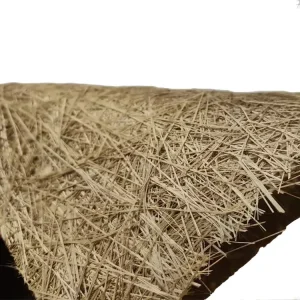
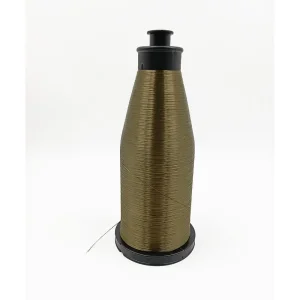
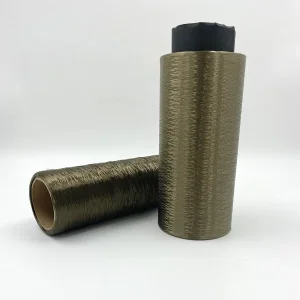
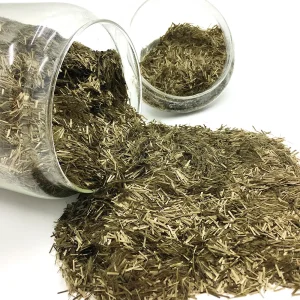
At the molecular level, fiberglass and basalt continuous fibers possess exceptional tensile strength, high elastic modulus, and low elongation (typically under 3%). Unlike polymeric geogrids, which are prone to creep under sustained loads, inorganic mineral-based geogrids maintain structural integrity over decades.
Our manufacturing process utilizes state-of-the-art warp-knitting technology to interweave high-modulus glass or basalt filaments into a stable grid structure. This matrix is then coated with an elastomeric polymer or bituminous substance. The coating serves a dual purpose: it protects the delicate mineral fibers from mechanical damage during aggregate compaction and optimizes the chemical bond with the surrounding asphalt binder, creating a monolithic reinforced system.
Founded in 2015 and strategically located in Jiujiang, Jiangxi Province, China Beihai is a premier high-tech enterprise dedicated to the research, development, production, and sales of high-performance basalt continuous fibers, advanced fiberglass composites, and state-of-the-art manufacturing equipment. As an industry leader, we bridge the gap between raw material synthesis and practical civil engineering applications.
Our expansive manufacturing facility integrates vertical supply chain capabilities, allowing us to control quality from the raw basalt rock melting process to the final warp-knitted geogrid and mesh products. This ensures that every roll of geogrid leaving our factory meets the rigorous mechanical demands of modern engineering projects.
Our high-performance geogrids and basalt fiber products are engineered to solve complex challenges across multiple industrial sectors:
Our basalt and fiberglass products find extensive applications in residential and commercial building construction, reinforcing plaster walls, preventing concrete shrinkage cracks, and improving structural load distribution.
In the aerospace field, basalt fibers are ideal for manufacturing aircraft wings, engine components, spacecraft shell materials, thermal protection systems, and high-temperature-resistant components due to their extreme thermal stability.
Basalt-added concrete offers a number of advantages in engineering projects, including increased strength and durability, increased crack resistance, improved chemical resistance, and improved workability over traditional steel rebar.
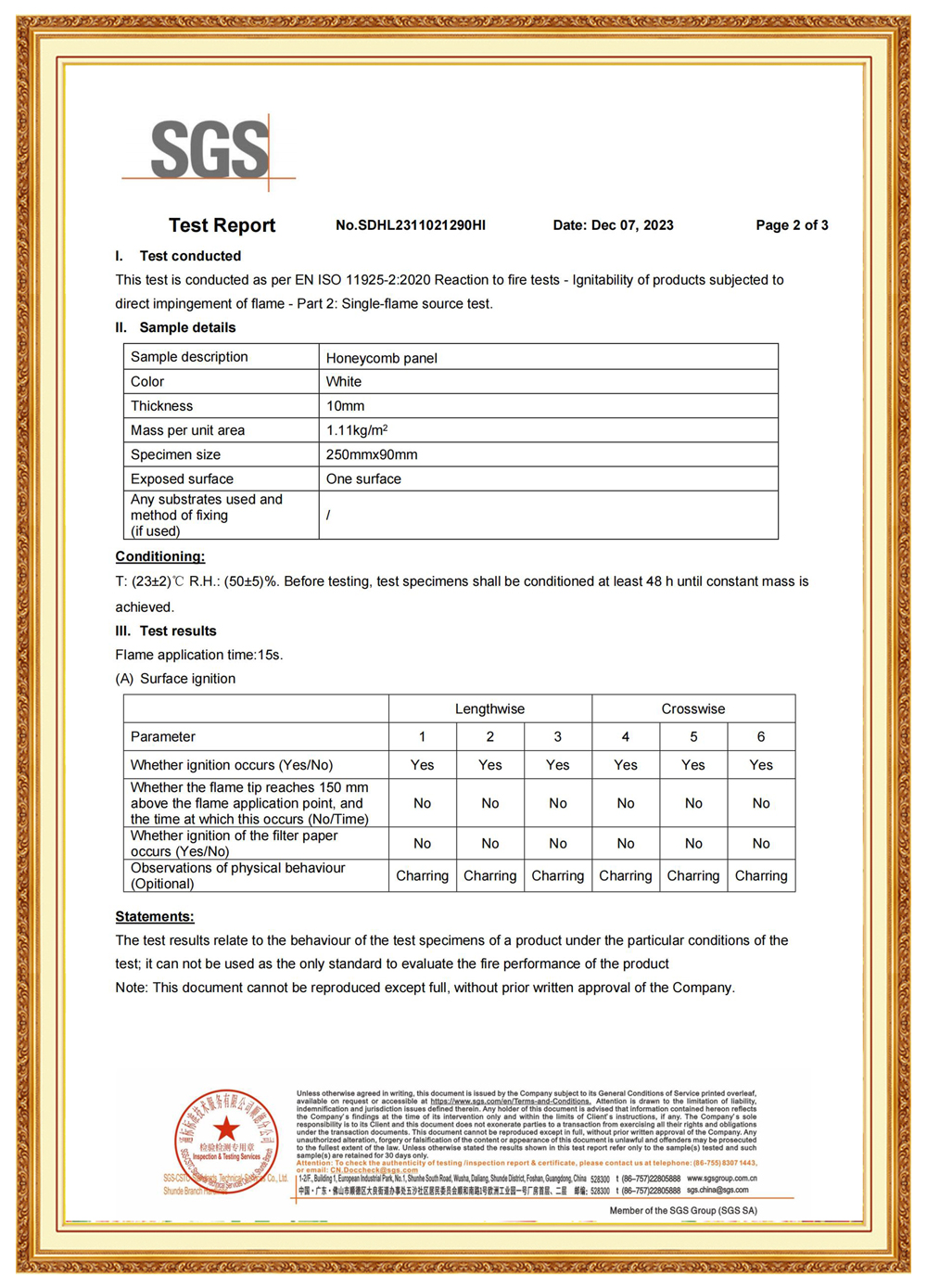
Navigating international import regulations and engineering standards can be challenging. China Beihai provides comprehensive localized support to our global partners. We offer complete technical documentation, including independent third-party test reports (SGS, TÜV), product data sheets (PDS), and installation guidelines tailored to local climatic conditions.
Whether you are reinforcing an interstate highway in the United States, stabilizing subgrade soils in a European logistics park, or building a high-speed rail network in Southeast Asia, our engineering team is available to assist with product selection, finite element analysis (FEA) modeling, and on-site installation training.
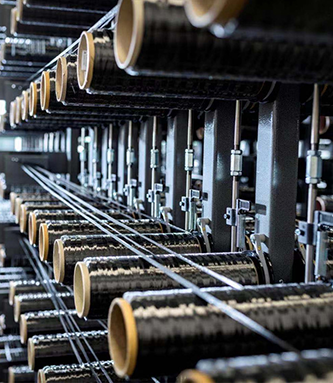
Basalt fiber is ideal for your engineering projects. Its high strength, corrosion resistance, and lightweight properties allow it to easily solve a variety of challenges in buildings, bridges, roads, and other infrastructure projects.
Expert answers to common questions regarding Fiberglas Geogrids, Basalt composites, and structural reinforcement.
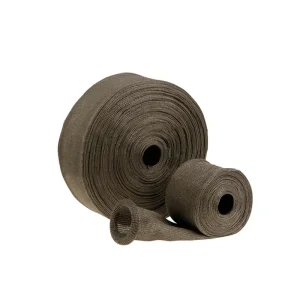
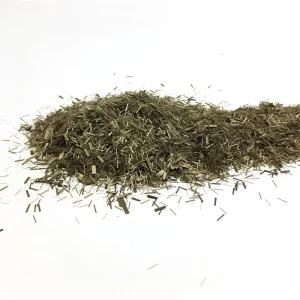
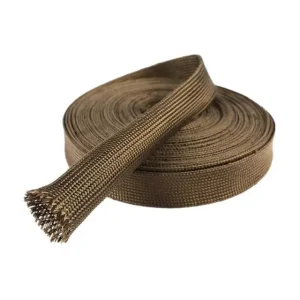
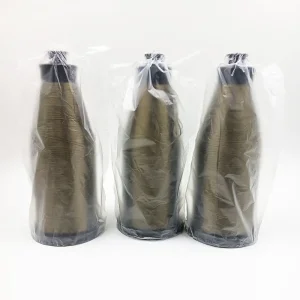
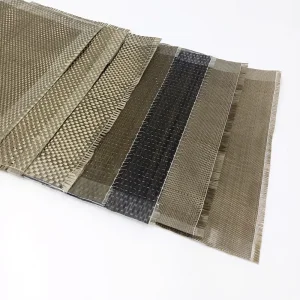
High-tensile basalt sleeves, heat insulation yarns, and structural repair meshes engineered for harsh industrial environments.
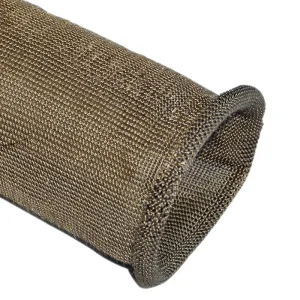
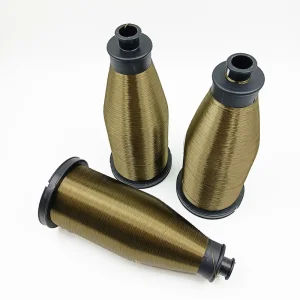
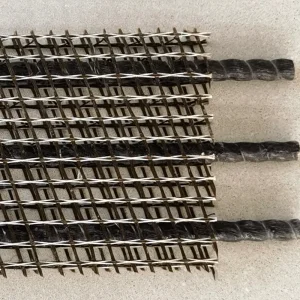
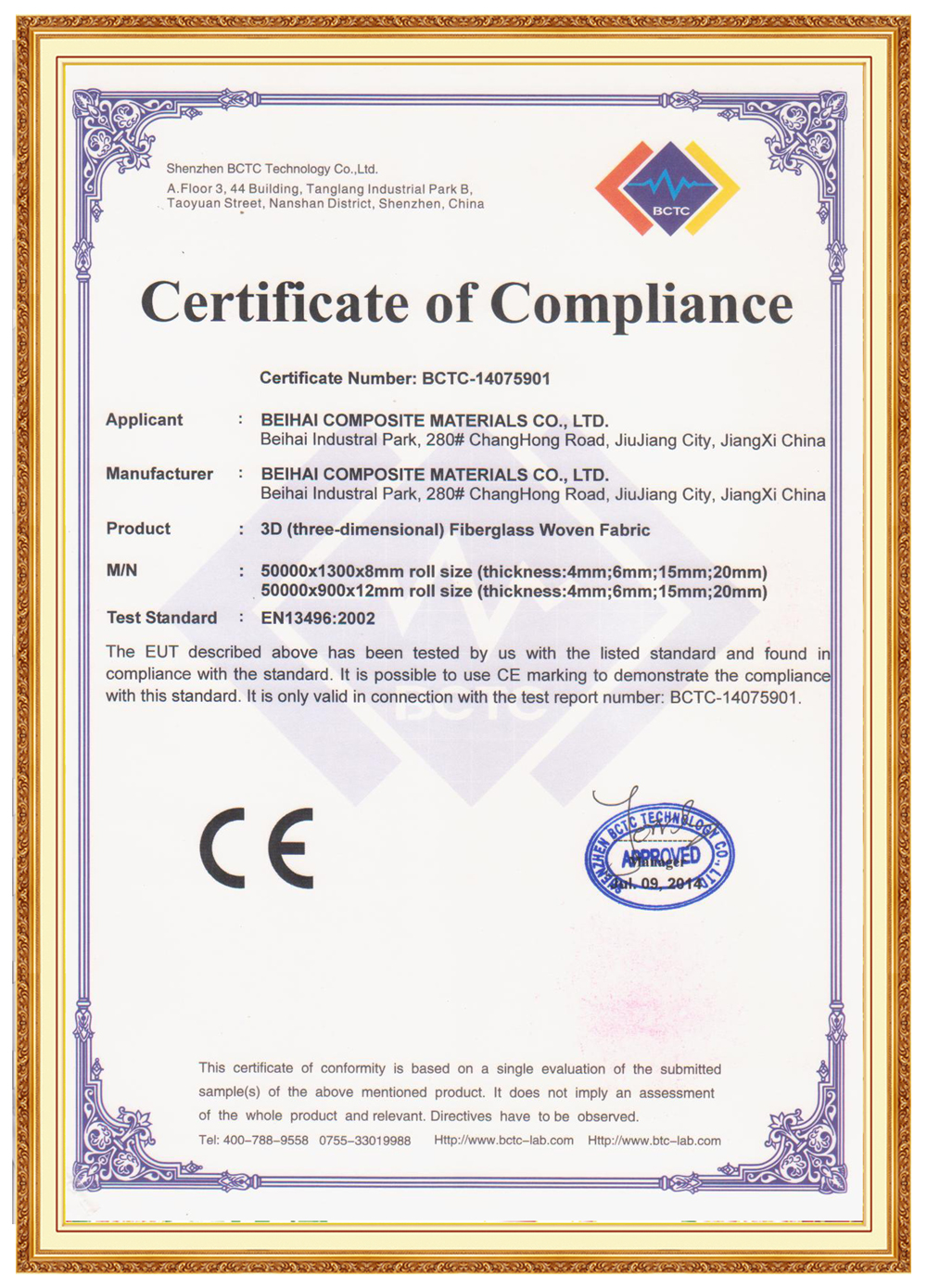
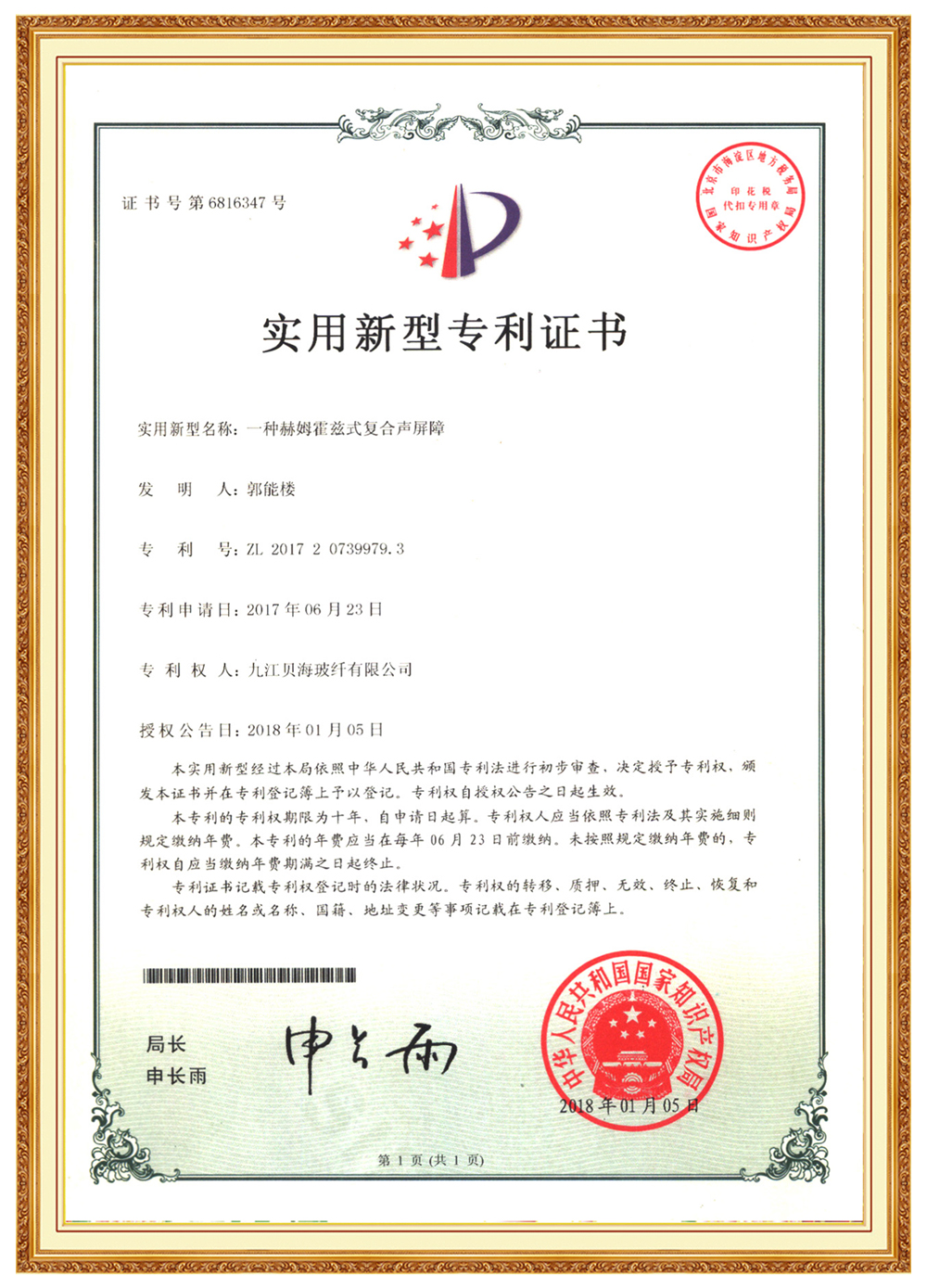
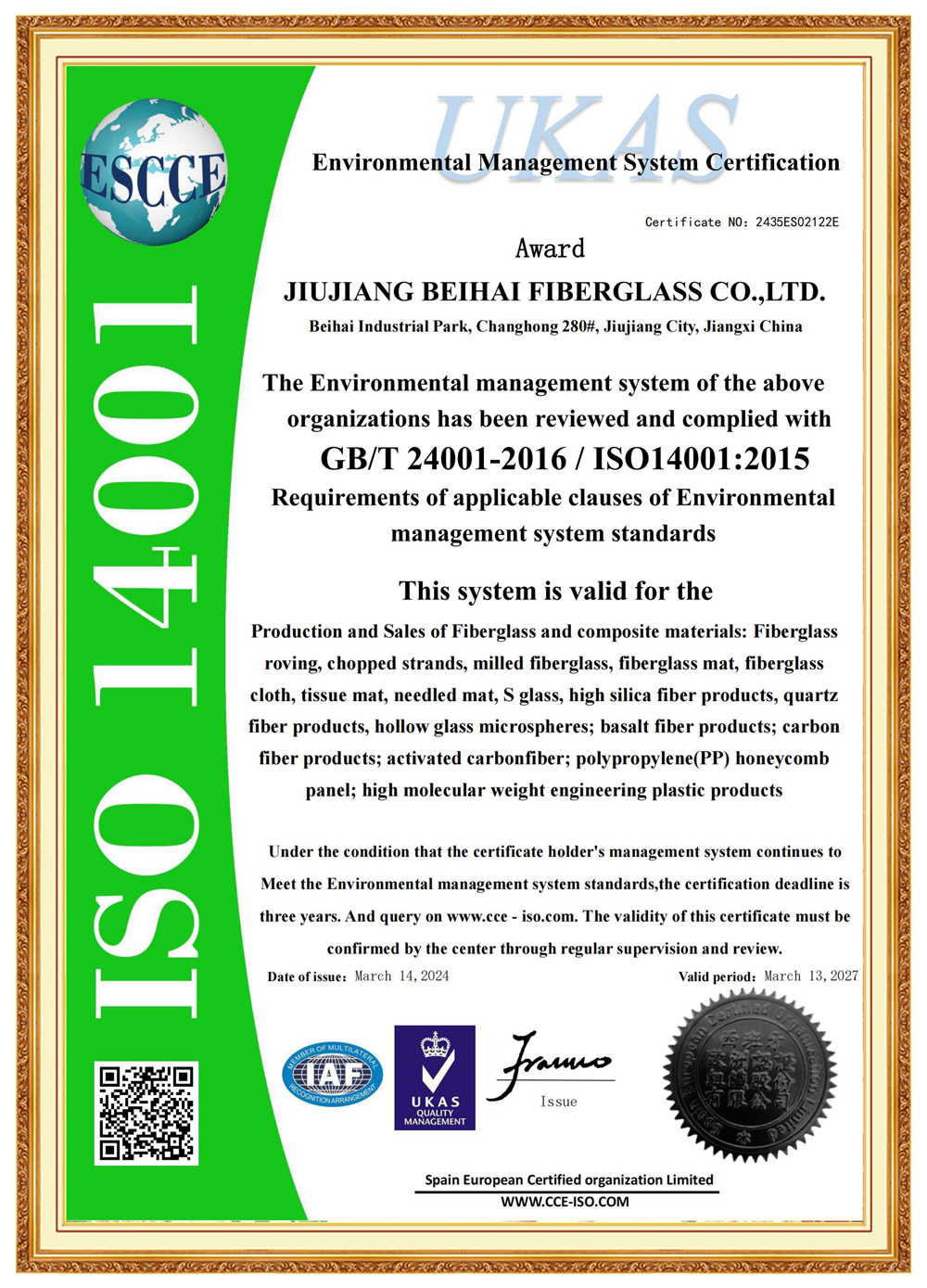
Our commitment to E-E-A-T principles is backed by rigorous testing and globally recognized quality standards.
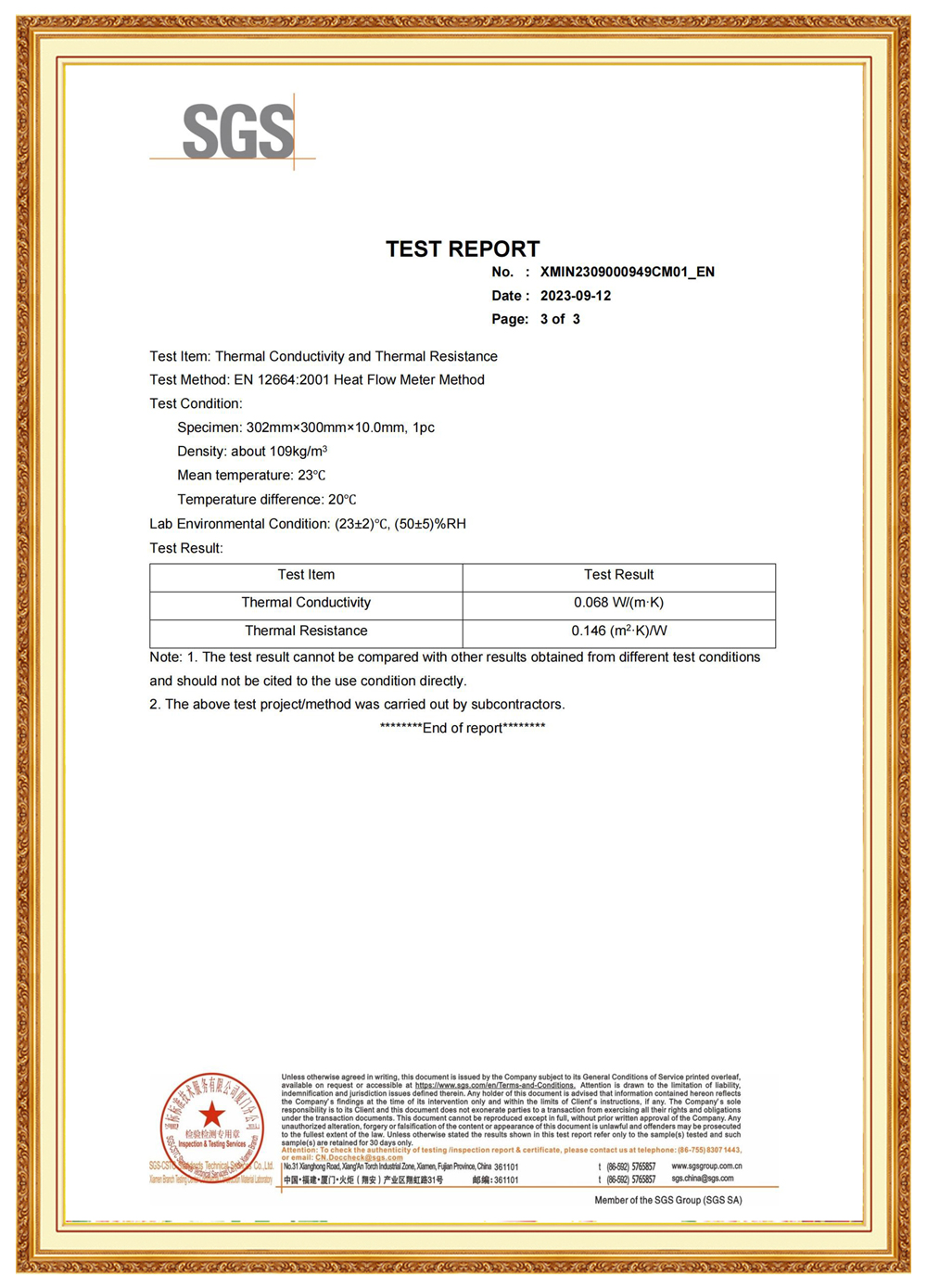
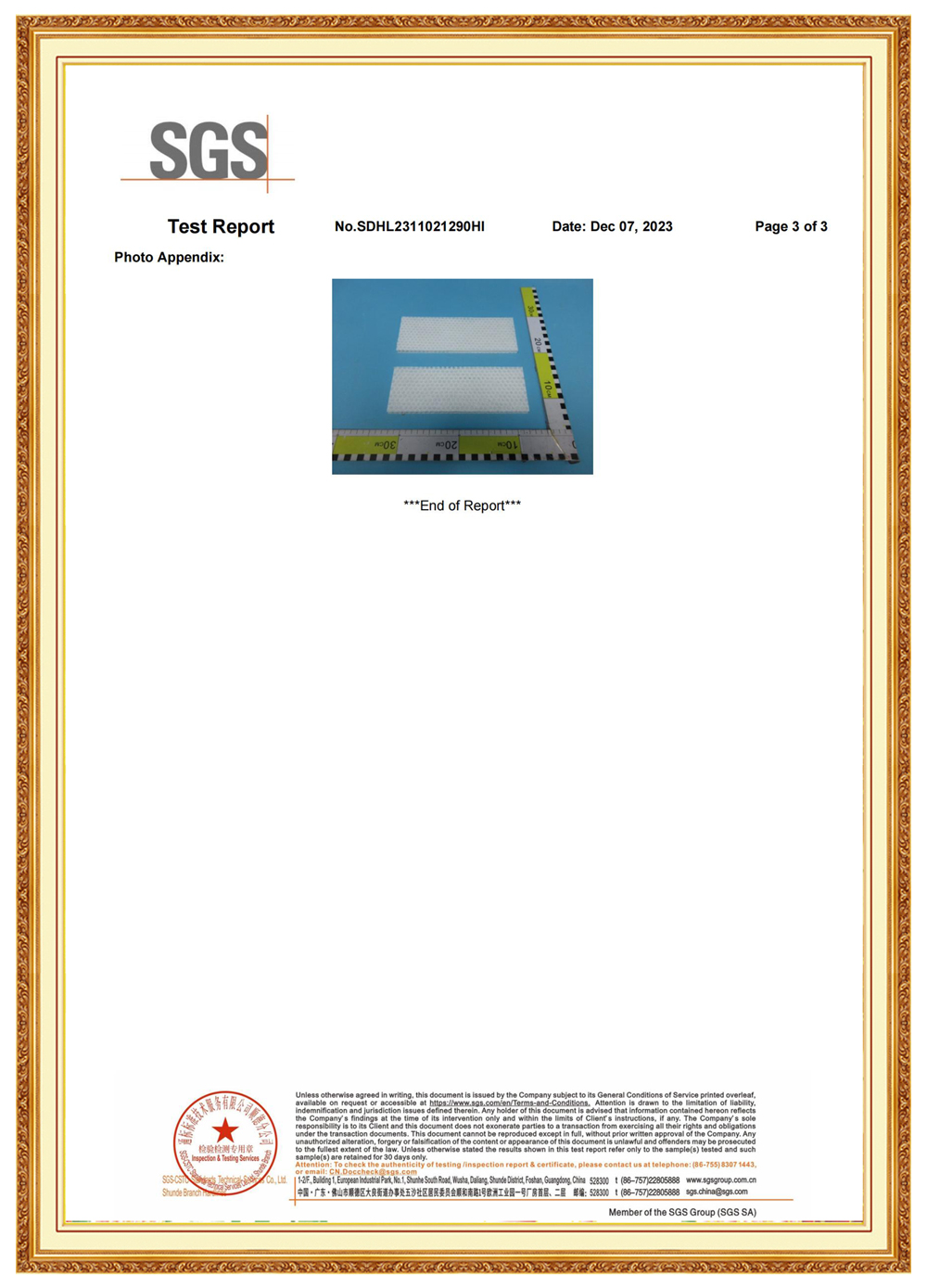
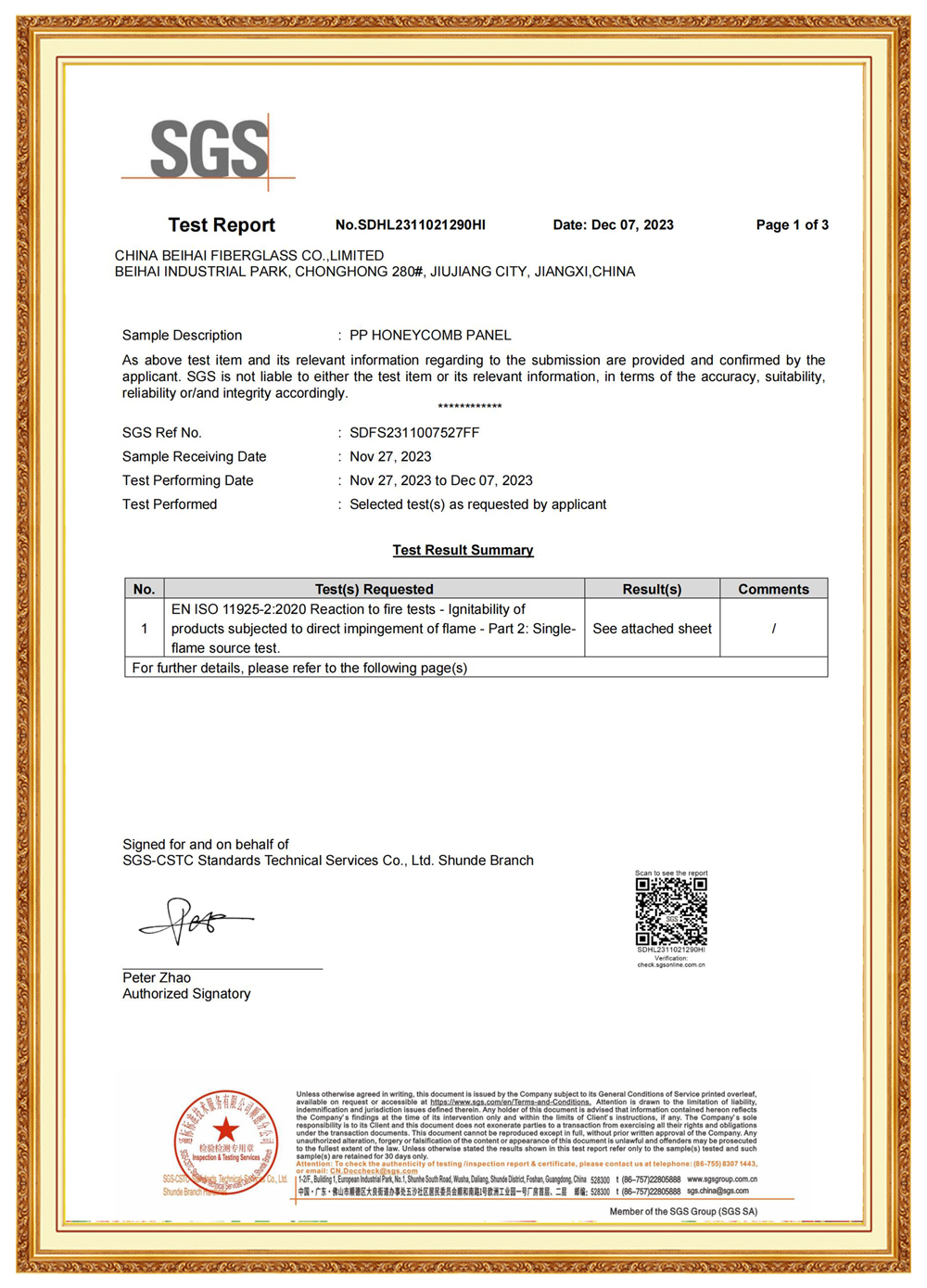

Stay updated with the latest breakthroughs in high-performance fibers and civil engineering technologies.

As drones slice through the sky to monitor wildfires, and intelligent robots execute repetitive tasks with precision on the factory floor, the efficient operation of this smart equipment is often underpinned by a "hardcore support" of advanced basalt fiber composites. From aerospace components to high-tensile geogrids, basalt continuous fiber is redefining structural durability.
Read Full Article Beihai Fiberglass