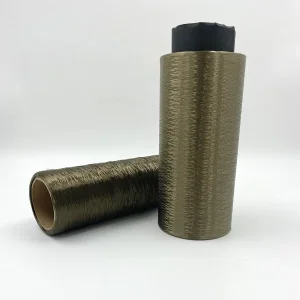
High-performance basalt fiber products for extreme industrial environments.
In the rapidly evolving industrial sector, High Temperature Sleeving has transcended its role as a simple protective cover to become a critical enabler of "Thermal Management 4.0". As global industries shift toward electrification and high-precision manufacturing, the demand for materials that can withstand temperatures exceeding 700°C while maintaining chemical stability is at an all-time high.
Market intelligence suggests that the global high-temperature insulation market is projected to grow at a CAGR of 6.5% through 2030. This growth is driven by the surge in Electric Vehicle (EV) battery safety requirements, aerospace exploration, and the modernization of petrochemical infrastructure. Basalt fiber, derived from volcanic rock, has emerged as the "Green Industrial Material of the 21st Century," offering superior information gain over traditional glass fibers due to its inherent resistance to UV radiation, acids, and alkalis.
Wholesale quotes for high-temperature sleeving are currently influenced by the volatility of energy costs and the push for sustainable, recyclable mineral-based fibers over synthetic alternatives.
Transitioning from E-glass to Basalt Continuous Fiber (BCF) allows factories to provide products with a working range of -260°C to +700°C, meeting stringent MIL-SPEC and ISO standards.
Factories are now prioritized based on their "green footprint." Basalt production involves no chemical additives during the melting process, aligning with global net-zero goals.
Selected volcanic basalt rock is melted at 1450°C-1500°C. Unlike glass fiber, no boron or other oxides are added, ensuring 100% natural purity.
Using platinum-rhodium alloy bushings to draw filaments with diameters between 9μm and 13μm, ensuring high tensile strength and flexibility.
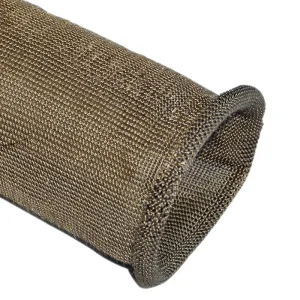
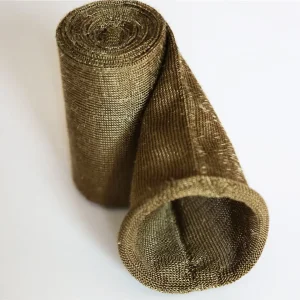
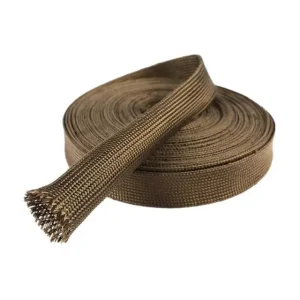
High-speed circular braiding machines interweave basalt yarns into seamless sleeves. Expansion ratios are carefully calibrated for various wire harness diameters.
Application of specialized coatings (silicone, acrylic, or vermiculite) to enhance fray resistance and dielectric strength for specific industrial quotes.
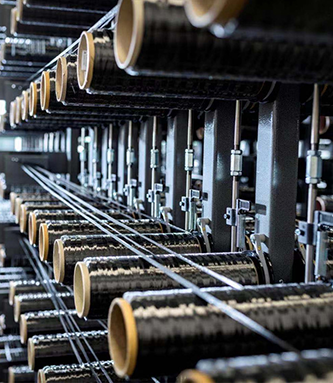
Founded in 2015 and located in Jiujiang, Jiangxi Province, China Beihai is a high-tech enterprise focusing on the research, development, production and sales of high-performance basalt continuous fiber. As a leading enterprise in the domestic basalt fiber industry, we manufacture our own production equipment, ensuring vertical integration and unmatched quality control in every high-temperature sleeve quote we provide.
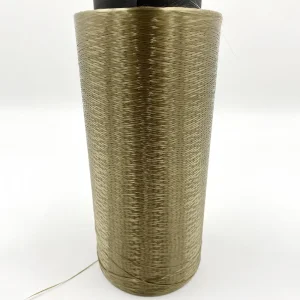
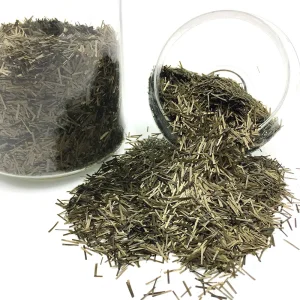
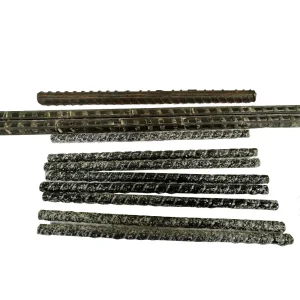
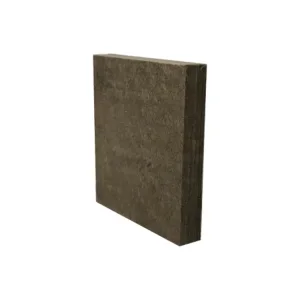
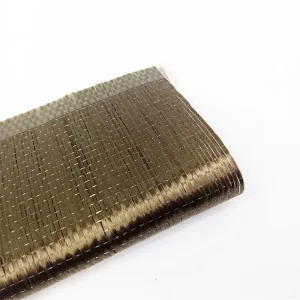
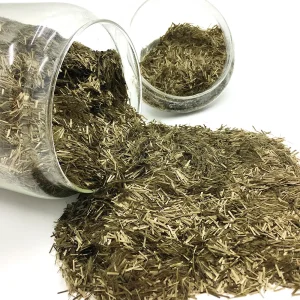
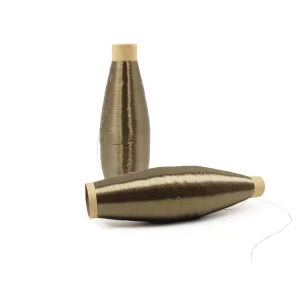
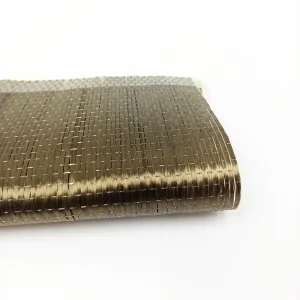
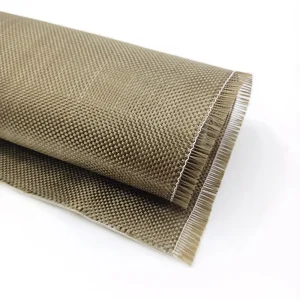
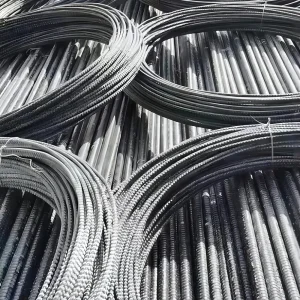
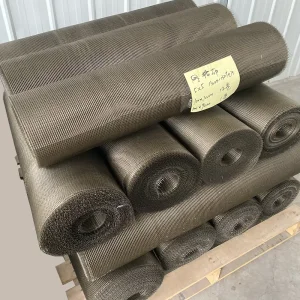
Basalt fiber mat, roving, yarn, chopped strands, rebar, sleeves, and tapes designed for diverse industrial needs.
Sustainability and innovation. Delivering best-in-class solutions for construction, aerospace, and automotive sectors.
How Basalt Sleeving and Composites are revolutionizing modern engineering.
Replacing steel with Basalt Fiber Rebar to eliminate corrosion in marine environments and extend structural life for bridges and highways.
Manufacturing aircraft wings and engine components using basalt composites that offer lightweight properties and extreme thermal resistance.
Thermal runaway protection for EV batteries using expandable basalt sleeving, providing a critical fire barrier between cells.
Unique corrosion resistance properties allow for basalt-based pipe insulation and protective tapes in highly acidic environments.
Browse our full range of factory-direct high-temperature solutions.
Conclusion & Future Outlook: As we look toward 2030, the integration of Artificial Intelligence in manufacturing (Smart Factories) will allow for real-time monitoring of fiber consistency and braiding tension, leading to even more reliable high-temperature sleeving solutions. China Beihai remains at the forefront of this revolution, combining volcanic power with high-tech engineering to protect the world's most critical infrastructure.
For procurement officers seeking Wholesale High Temperature Sleeving Quotes, it is essential to partner with factories that own the entire supply chain—from the basalt ore to the final braided product. This ensures not only price stability but also the information gain required for high-stakes engineering projects.
 Beihai Fiberglass