Understanding the question, "How is basalt formed?" is fundamental for any wholesale manufacturer or engineer looking to leverage this volcanic rock's unique properties. Basalt is an aphanitic (fine-grained) igneous rock formed from the rapid cooling of low-viscosity lava rich in magnesium and iron (mafic lava) exposed at or very near the surface of a terrestrial planet or a moon.
The process begins deep within the Earth's mantle, where partial melting of peridotite creates basaltic magma. As this magma rises due to its lower density, it erupts through volcanic vents or mid-ocean ridges. Upon contact with the atmosphere or ocean water, the magma undergoes rapid quenching. This swift temperature drop prevents large crystal growth, resulting in the dense, homogenous structure that makes basalt the ideal raw material for high-strength fibers.
Industrial-grade basalt typically contains 45% to 52% silica (SiO2). For manufacturers like China Beihai, the specific ratio of iron oxides (FeO and Fe2O3) and alumina (Al2O3) is critical, as these components dictate the fiber's thermal stability and tensile strength.
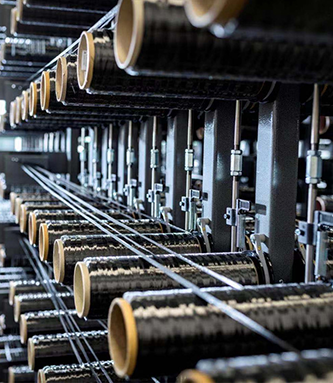
Who we are? Founded in 2015 and headquartered in Jiujiang, Jiangxi Province, China Beihai is a high-tech enterprise dedicated to the research, development, and mass production of high-performance basalt continuous fiber (CBF). As a leading enterprise in the domestic industry, we bridge the gap between geological raw material and advanced industrial applications.
Our facility integrates state-of-the-art production equipment manufacturing with a robust supply chain, ensuring that every strand of basalt fiber meets rigorous international standards for aerospace, construction, and automotive industries.
Continuous innovation in melt-spinning technology to enhance fiber consistency.
A decade of expertise in transforming volcanic rock into engineering excellence.
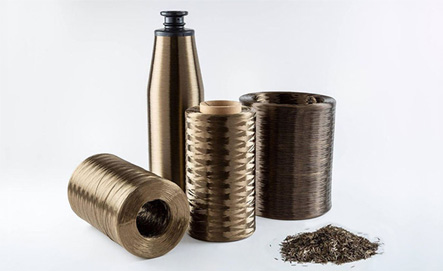
The global basalt fiber market is projected to reach USD 400+ million by 2027, driven by the demand for sustainable, non-corrosive reinforcement materials.
As industries move toward "Carbon Neutrality," basalt fiber—a 100% natural, recyclable material—is replacing carbon and glass fibers.
Unlike synthetic fibers, basalt is the most common rock on Earth, ensuring a stable, long-term raw material supply for wholesale manufacturers.
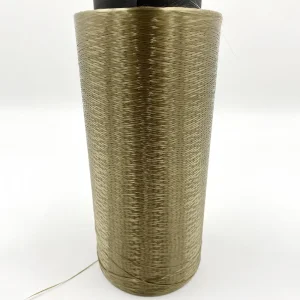
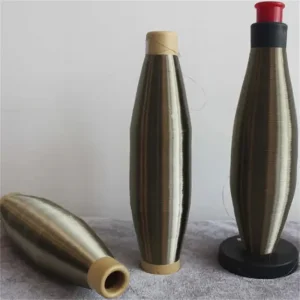
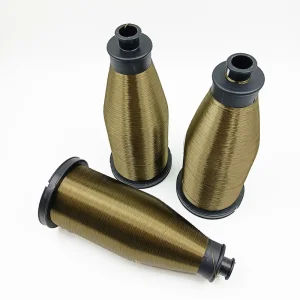
Manufacturing continuous basalt fiber is a sophisticated one-component process. Unlike glass fiber, which requires multiple raw materials, basalt fiber is produced by melting crushed basalt rock at 1450°C - 1500°C in a platinum-rhodium bushing.

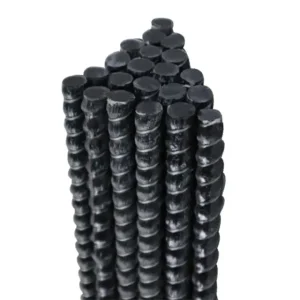
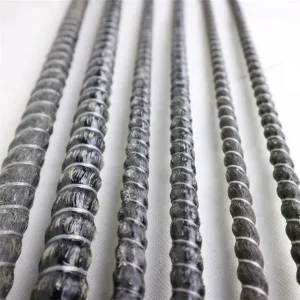
Basalt fiber rebar is a high-strength alternative to steel, ideal for bridges and highways where corrosion resistance is vital.

Ideal for manufacturing aircraft wings, spacecraft shell materials, and thermal protection systems due to extreme heat resistance.

Lightweight basalt fiber composites are used in engine components and body panels to improve fuel efficiency.

Unmatched corrosion resistance makes it the preferred material for storage tanks and high-pressure piping systems.

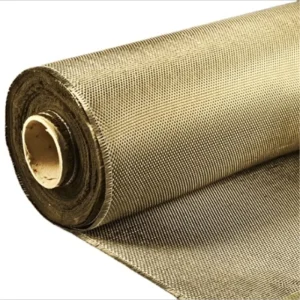
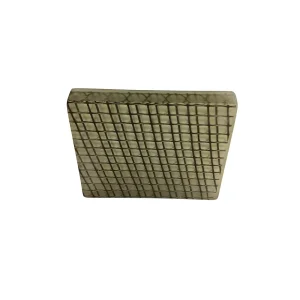
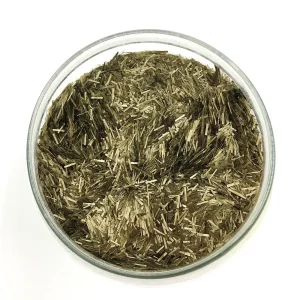
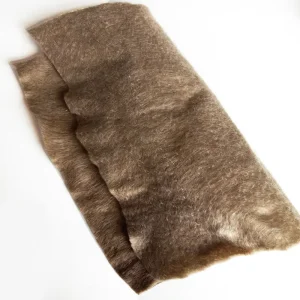
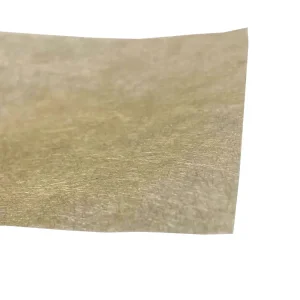
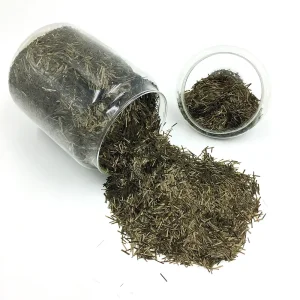
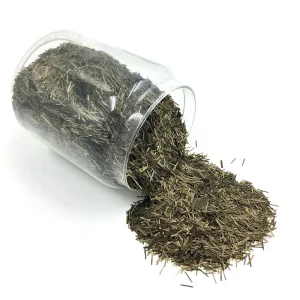
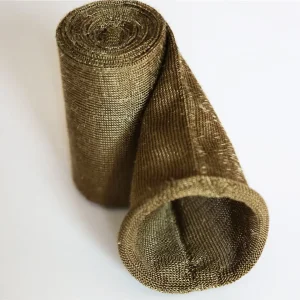
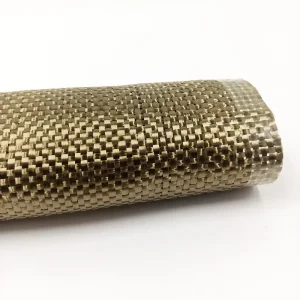
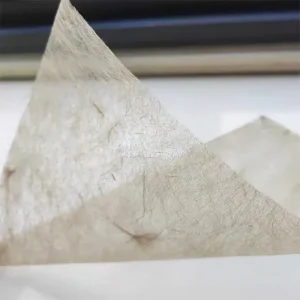
From basalt fiber roving and rebar to specialized sleeves and tapes, we offer a complete ecosystem of basalt products.

We deliver high-quality, eco-friendly solutions for geotechnical engineering and advanced manufacturing.

Partnering with China Beihai means accessing industry expertise, innovation, and a forward-thinking manufacturing partner.
As we integrate AI and IoT into industrial manufacturing, basalt fiber is evolving. Modern "Smart Basalt" composites are being developed with embedded sensors to monitor structural health in real-time—a crucial leap for bridge pier protection and aviation safety.
The trend towards modular construction also leverages basalt's lightweight properties to reduce onsite labor and logistics costs, making it a cornerstone of 21st-century infrastructure.

 Beihai Fiberglass