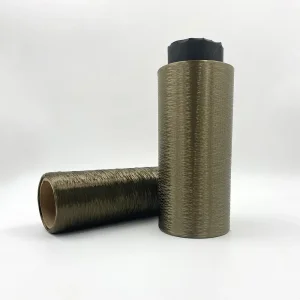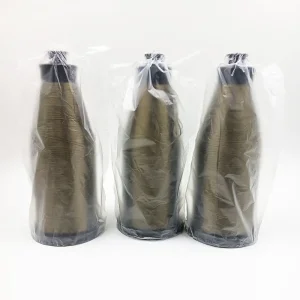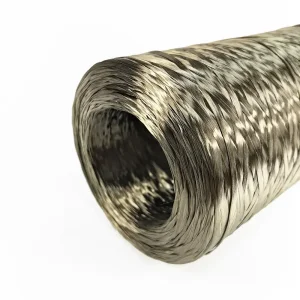
Optimized for high-strength composite production in Dutch industrial hubs.
View Details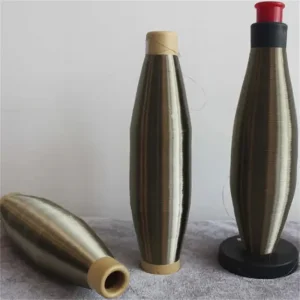
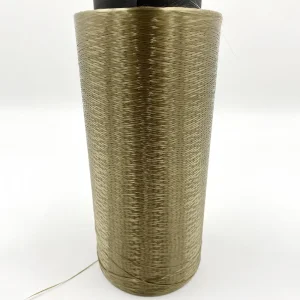
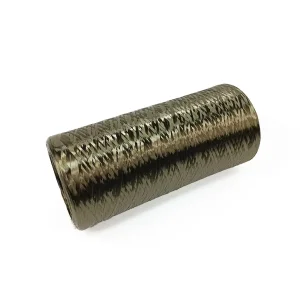
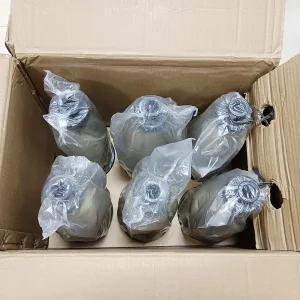
Wholesale solutions for thermal insulation and mechanical reinforcement.
View Details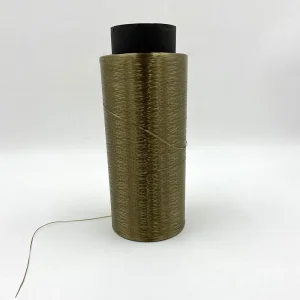
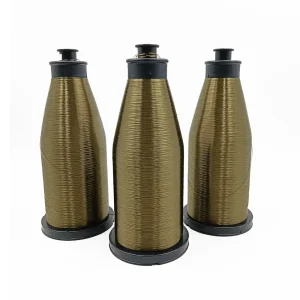
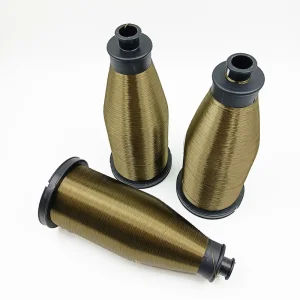
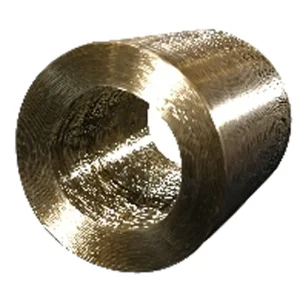
Exceptional thermal stability for extreme Dutch industrial environments.
View Details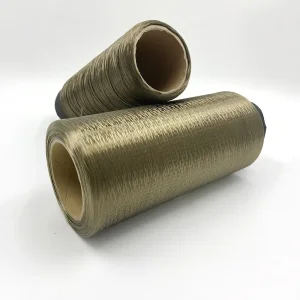
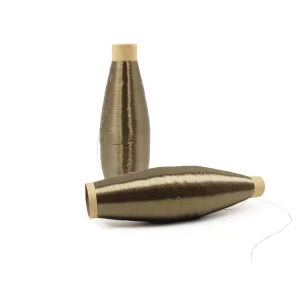
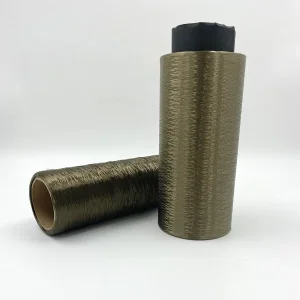
Precision-engineered for Sheet Molding Compound (SMC) applications.
View DetailsThe Netherlands stands at the global forefront of hydraulic engineering, offshore wind energy, and sustainable urban development. As the Dutch government pushes for a 100% circular economy by 2050, traditional materials like steel and carbon fiber are being scrutinized for their environmental impact and corrosion vulnerabilities. Basalt Fiber Roving, a 100% natural inorganic material derived from volcanic rock, is emerging as the "Green Material of the 21st Century" for the Dutch market.
In the Netherlands, the maritime and civil engineering sectors are the primary consumers of high-performance roving. With the constant challenge of seawater corrosion (alkali and salt), Dutch engineers are increasingly replacing E-glass and steel with basalt fiber. The pultrusion industry in North Brabant and the aerospace research clusters around Delft are actively integrating basalt fiber for its superior vibration damping and non-corrosive properties.
Globally, the Basalt Fiber market is projected to grow at a CAGR of 12.5%. While Russia and Ukraine were early pioneers, China has revolutionized the industry through advanced furnace technology and economies of scale. Today, China provides over 60% of the world's high-consistency continuous basalt fiber (CBF), meeting the rigorous standards of EU structural codes.
Located in Jiujiang, China Beihai is not just a manufacturer; we are a high-tech R&D powerhouse. Our factory advantages include:
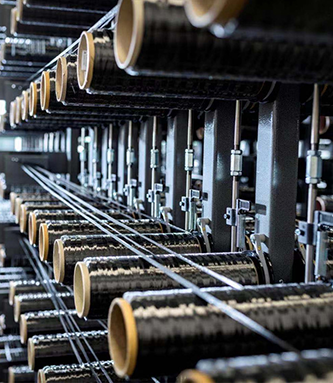
China Beihai was founded in 2015 and is located in Jiujiang, Jiangxi Province. As a high-tech enterprise, we focus on the research, development, production, and sales of high-performance basalt continuous fiber and specialized production equipment. We are recognized as a leading enterprise in the domestic basalt fiber industry, bridging the gap between raw volcanic rock and high-end engineering applications.
Learn More About Our FactoryThe industry is moving towards Hybrid Composites—combining Basalt with Carbon Fiber to balance cost and performance. Furthermore, the development of Thermoplastic Basalt Prepregs is set to revolutionize the automotive sector in Europe, offering recyclable parts that meet stringent EU end-of-life vehicle directives.
International buyers, particularly from the Netherlands and Germany, prioritize three factors:
Corrosion-free reinforcement for Dutch architectural icons.
High-vibration damping components for satellite and drone shells.
Ship hull reinforcement and pier protection in Rotterdam Port.
Heat shields and brake linings for high-performance electric vehicles.
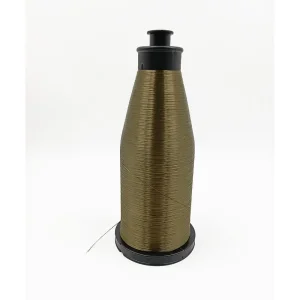
Perfectly aligned with the Dutch Green Building Council (DGBC) standards for low embodied carbon construction.
View Sustainable ProductBasalt fiber has significantly higher alkali resistance and zero water absorption compared to E-glass. In the high-salinity environment of the Netherlands, basalt prevents structural degradation and offers 15-20% higher tensile strength.
Typical sea freight from Jiujiang via Shanghai to Rotterdam takes 30-35 days. We also offer rail freight options via the New Silk Road for urgent Netherlands industrial projects (approx. 18-22 days).
Yes, our roving is treated with universal sizing agents designed for excellent wettability with major European resin brands like AkzoNobel and Hexion.
Unlike carbon fiber or glass fiber, basalt is made from a single-ingredient natural rock. It requires less energy to produce and can be fully recycled at the end of the product's life by melting it back into a basalt-like mineral, making it a "cradle-to-cradle" candidate.
Contact our expert technical team for customized basalt roving solutions and competitive wholesale quotes.
Send Inquiry Now Beihai Fiberglass