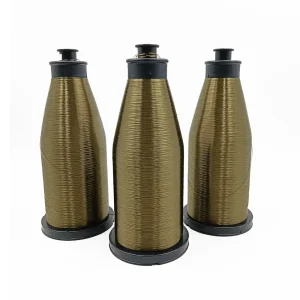
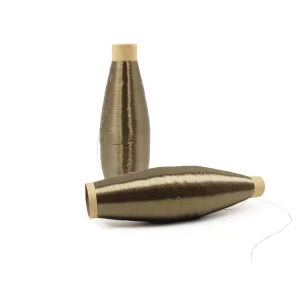
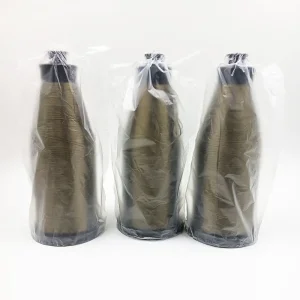
Engineered to meet the stringent technical criteria of local seismic designs, marine works, and highly corrosive conditions across the Oceanian landscape.
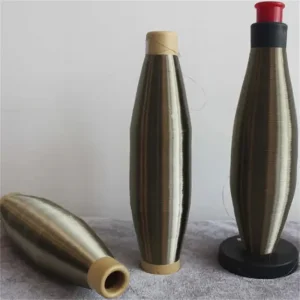
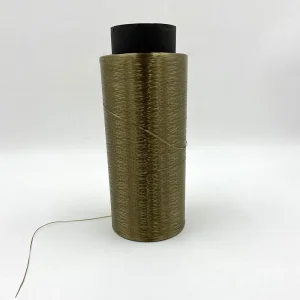
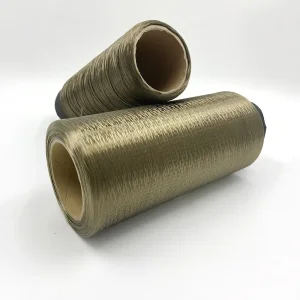
New Zealand's infrastructure faces severe environmental stressors, ranging from intensive seismic activity to high levels of airborne chloride exposure along its extensive coastlines. From the Waitematā Harbour in Auckland to deep geothermal facilities in Rotorua, standard reinforcement systems are prone to accelerated degradation. Continuous Basalt Fiber (CBF) roving provides an innovative solution to these persistent challenges. The chemical inertness of volcanic basalt ensures complete resistance to acidic, alkaline, and high-saline conditions, significantly extending the life cycle of structures and minimizing long-term maintenance costs.
The structural designs of New Zealand are guided by stringent safety and environmental regulations, notably the NZS 3101 concrete design standard and the NZS 1170.5 structural design action standard. Traditional steel reinforcement offers high load bearing capacity but is susceptible to severe structural rust and loss of mechanical integrity over time, especially during seismic occurrences. Basalt Fiber Roving and rebar present an alternative with high tensile strength (often exceeding 1100 MPa—nearly three times that of standard grade 300 steel) and an elastic modulus that aligns beautifully with complex high-stress applications, ensuring reliable energy dissipation and structural integrity.
As the New Zealand government aggressively pursues net-zero carbon goals through the Climate Change Response (Zero Carbon) Amendment Act, developers are heavily scrutinizing the embodied carbon in construction materials. Basalt fiber stands out as an eco-friendly option. Fabricated via single-component thermal extrusion of pure natural basalt rock without chemical additives, its production generates up to 80% fewer greenhouse emissions than carbon fiber or steel. This makes it an ideal choice for forward-looking engineering projects in Oceanian markets targeting Green Star certifications.
A complete performance matrix showing why professional engineers are transitioning to Continuous Basalt Fiber solutions.
| Performance Metrics | Continuous Basalt Fiber (CBF) | E-Glass Fiber | Structural Carbon Fiber | Structural Mild Steel |
|---|---|---|---|---|
| Tensile Strength (MPa) | 1,100 - 1,600 | 600 - 900 | 3,500 - 4,800 | 400 - 550 |
| Elastic Modulus (GPa) | 85 - 95 | 72 - 76 | 230 - 240 | 200 - 210 |
| Density (g/cm³) | 2.63 - 2.80 | 2.54 - 2.60 | 1.75 - 1.80 | 7.85 |
| Operating Temp Range (°C) | -260 to +700 | -60 to +300 | -50 to +650 | -40 to +450 |
| Alkali & Acid Resistance | Excellent (Extremely High) | Moderate to Poor | Excellent | Highly Susceptible to Rust |
| Carbon Footprint Index | Very Low | Low | High | Very High |
A premier industry leader in the continuous basalt fiber industry, uniting cutting-edge technology with high-volume industrial reliability since 2015.
Founded in 2015 and strategically based in Jiujiang, Jiangxi Province, China Beihai is a designated state-level high-tech enterprise. Our core focus centers on the comprehensive research, development, continuous spinning manufacturing, and global distribution of high-performance continuous basalt fiber materials, alongside supplying advanced proprietary modular fiber drawing machinery.
We boast an exhaustive, highly specialized product catalog that includes premium basalt fiber roving, technical basalt fiber mats (chopped strand mats & multi-axial fabrics), fine structural yarn, geogrids, structural basalt fiber rebar, thermal expansion sleeves, and specialized acid-resistant concrete reinforcement components.
By operating proprietary raw basalt quarrying lines and optimizing manufacturing processes, we ensure absolute chemical consistency. Our state-of-the-art facility guarantees large-scale output, competitive B2B direct-factory pricing, customizable Tex specifications, and rapid Oceanian logistics routes.
Bridging the gap between raw basalt fiber specifications and real-world structural performance across heavy industries.
New Zealand's commercial ports (such as Lyttelton and Tauranga) operate in high-salinity zones. Using basalt fiber roving for precast concrete components completely eliminates the risk of structural failure caused by chloride-induced internal rebar corrosion.
Engineered for high ductility and outstanding tensile properties, basalt fibers are used extensively in seismic retrofitting wraps. They strengthen existing masonry and concrete columns in earthquake-prone regions like Wellington and Canterbury.
Ideal for green residential and high-rise commercial structures throughout Auckland. It minimizes the environmental impact of modern building materials while enhancing thermal insulation and fire safety.
In high-precision manufacturing, basalt fiber roving is ideal for fabricating lightweight aerodynamic fairings, engine acoustic liners, structural high-impact underbody shields, and critical interior panels.
Our custom basalt geogrids and twisted roving networks offer robust soil containment and erosion control. They are perfect for stabilizing steep highway embankments and rugged terrains throughout New Zealand.
Thanks to its superb acid and chemical resistance, basalt roving is widely used in wrapping oil and gas transmission lines, chemical processing vessels, and complex industrial waste conduits.
Browse our complete range of certified technical basalt fiber products. We guarantee high chemical stability, excellent insulation properties, and customizable sizing agents.
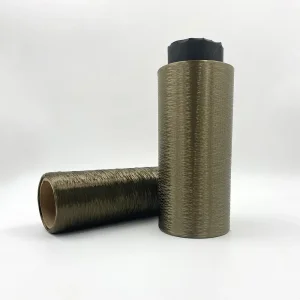
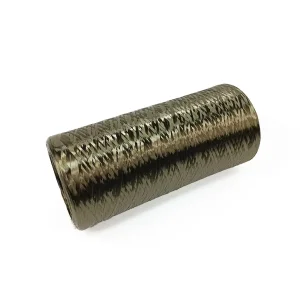
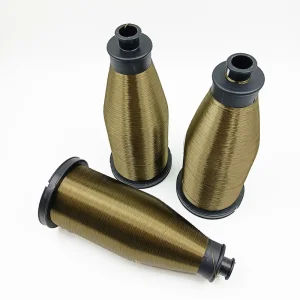
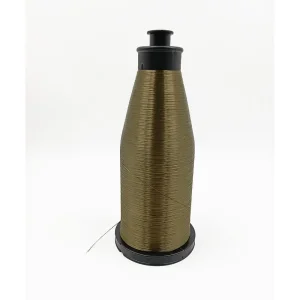
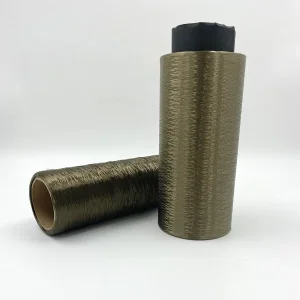
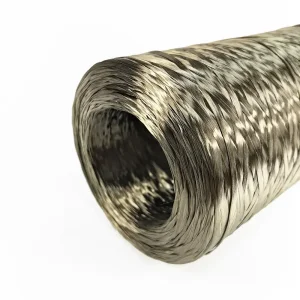
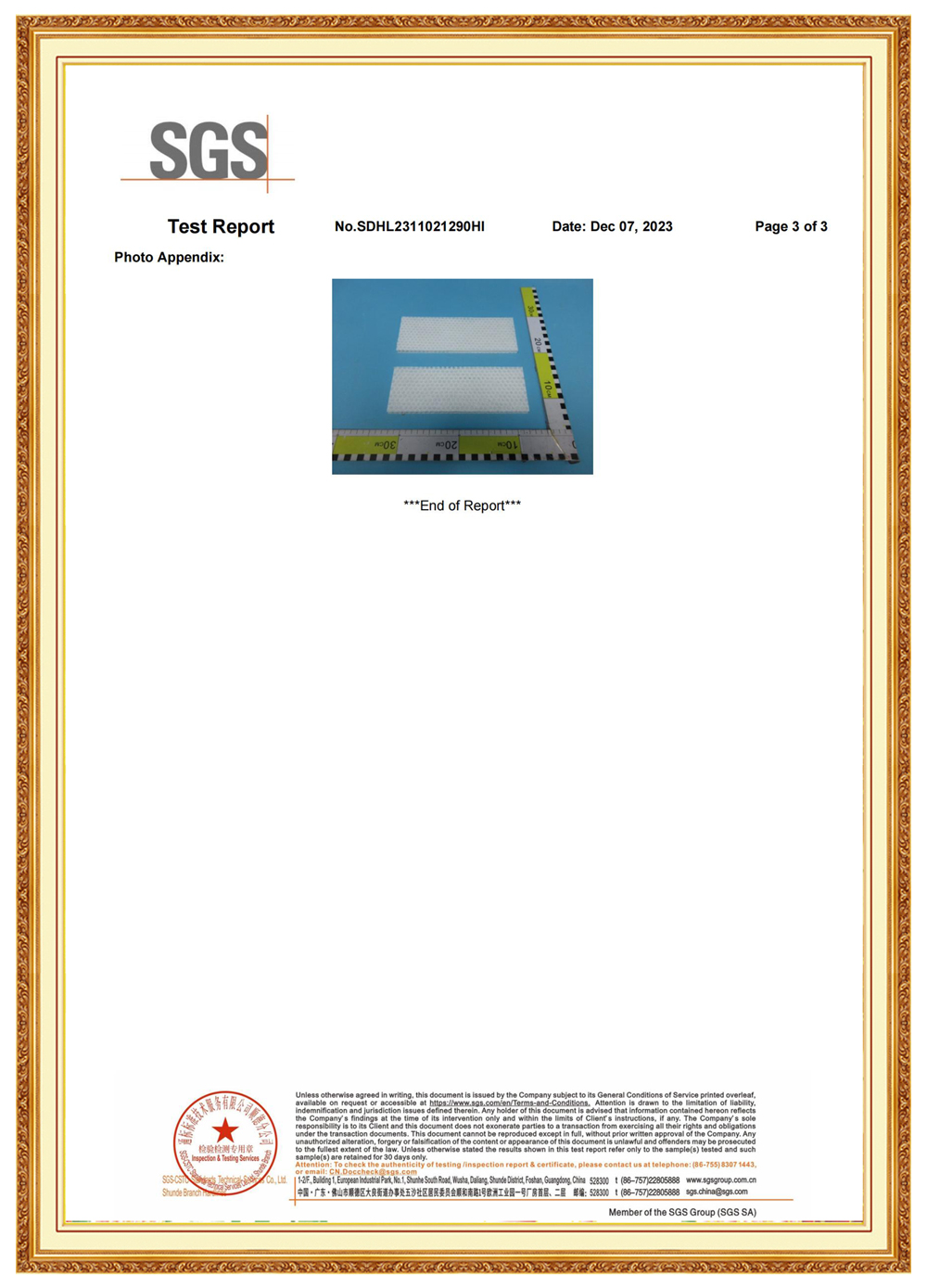
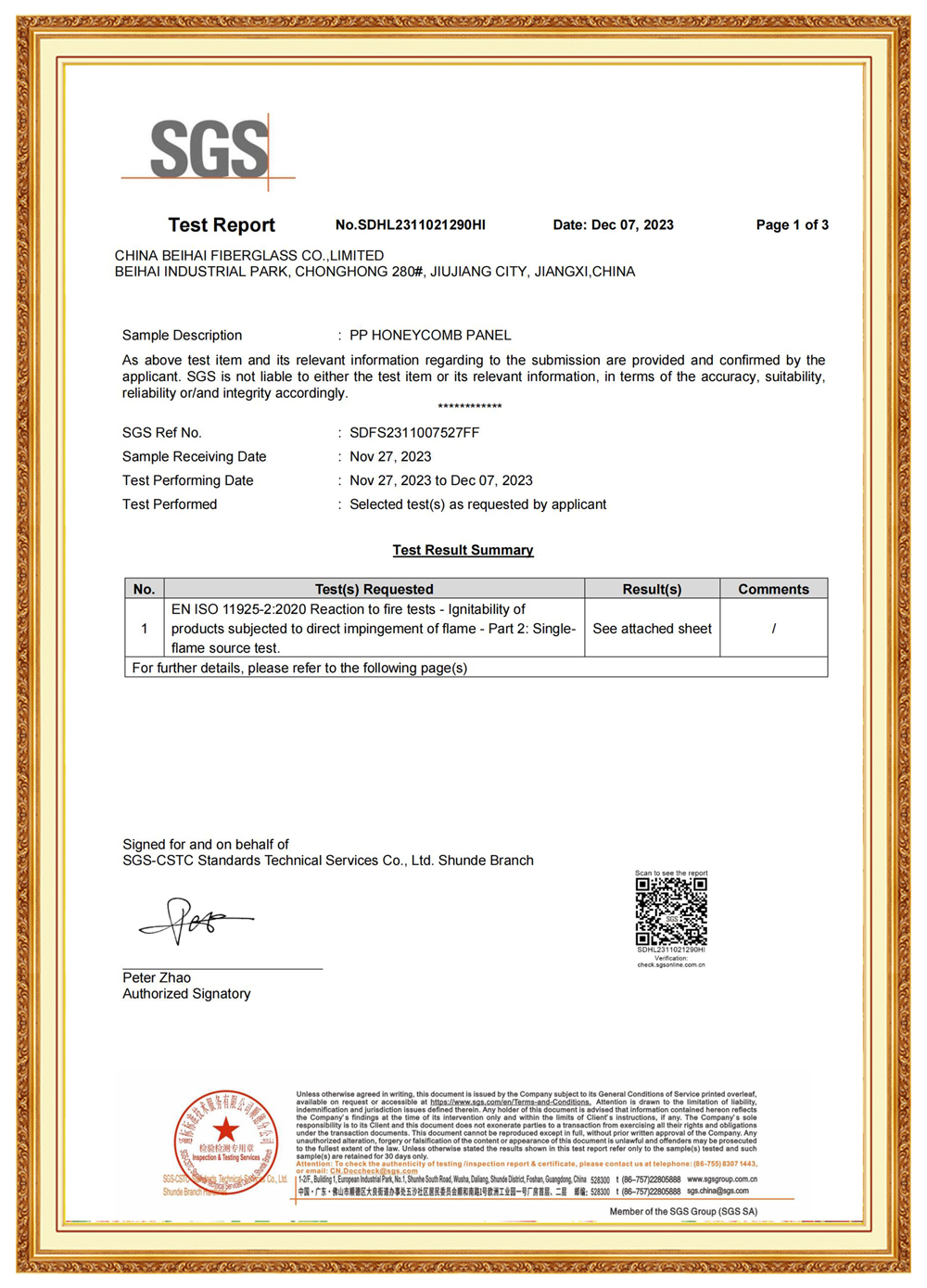
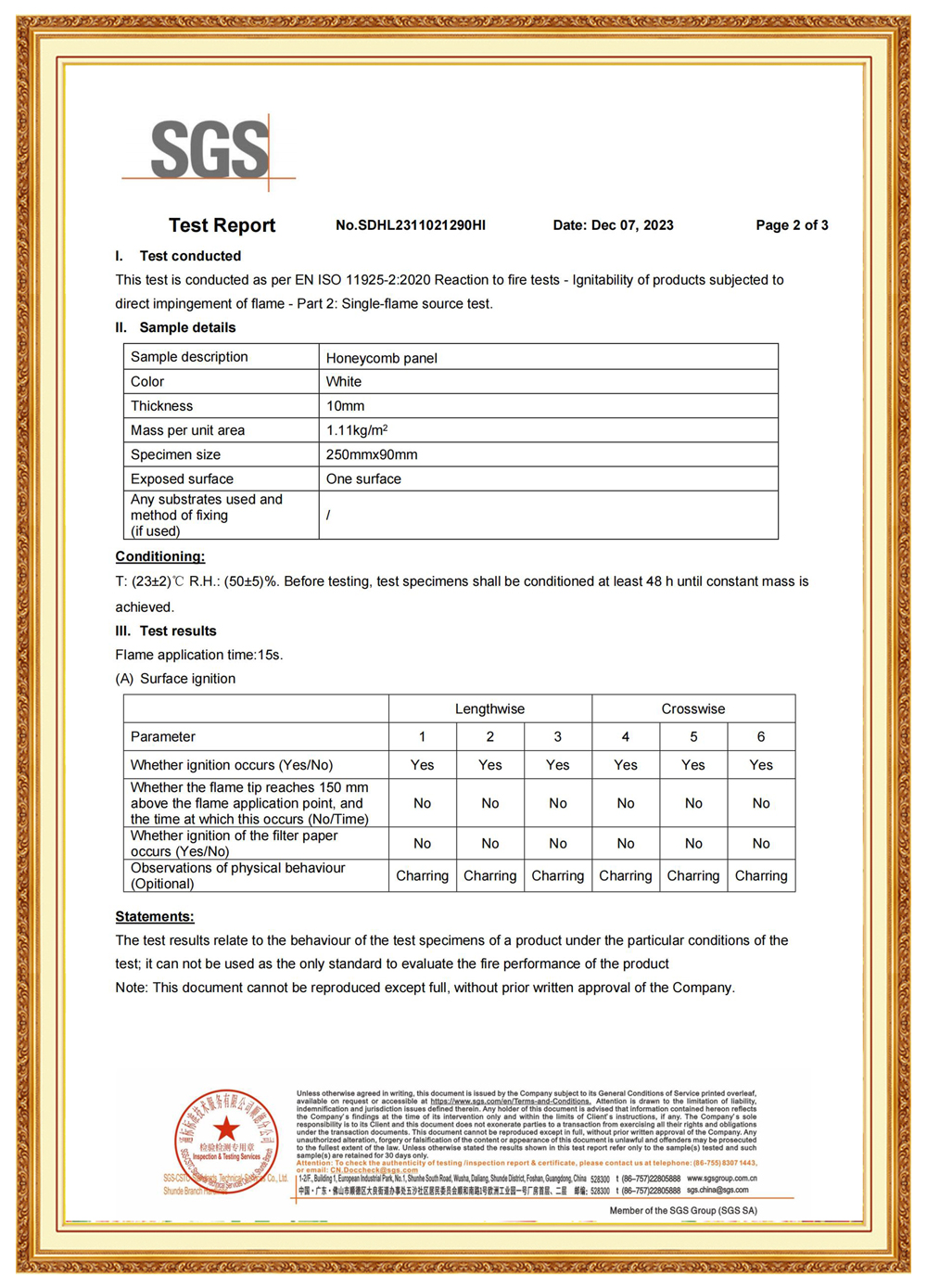
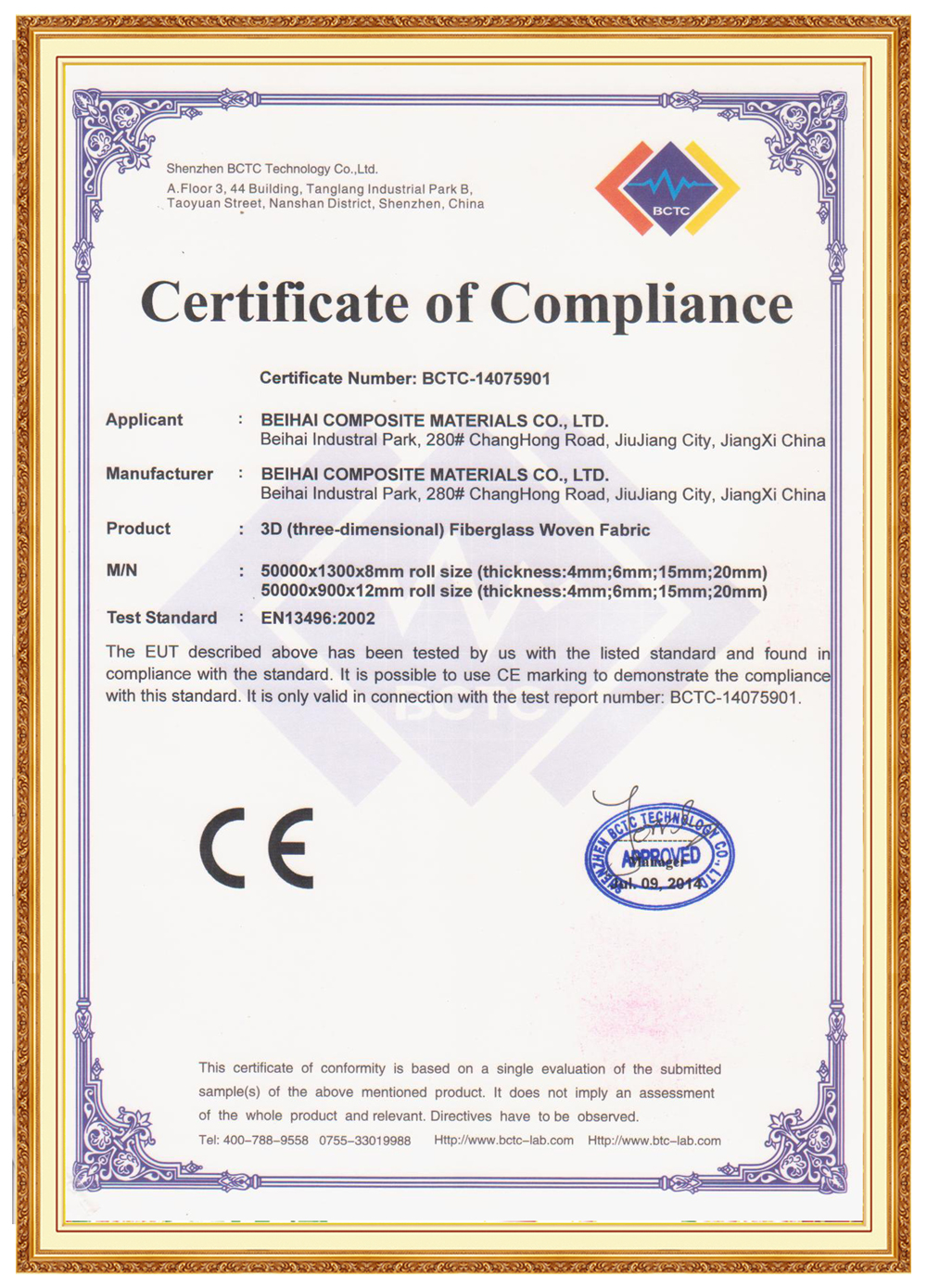
All China Beihai basalt products undergo strict validation protocols, conforming directly to ISO, CE, and ASTM global structural frameworks.
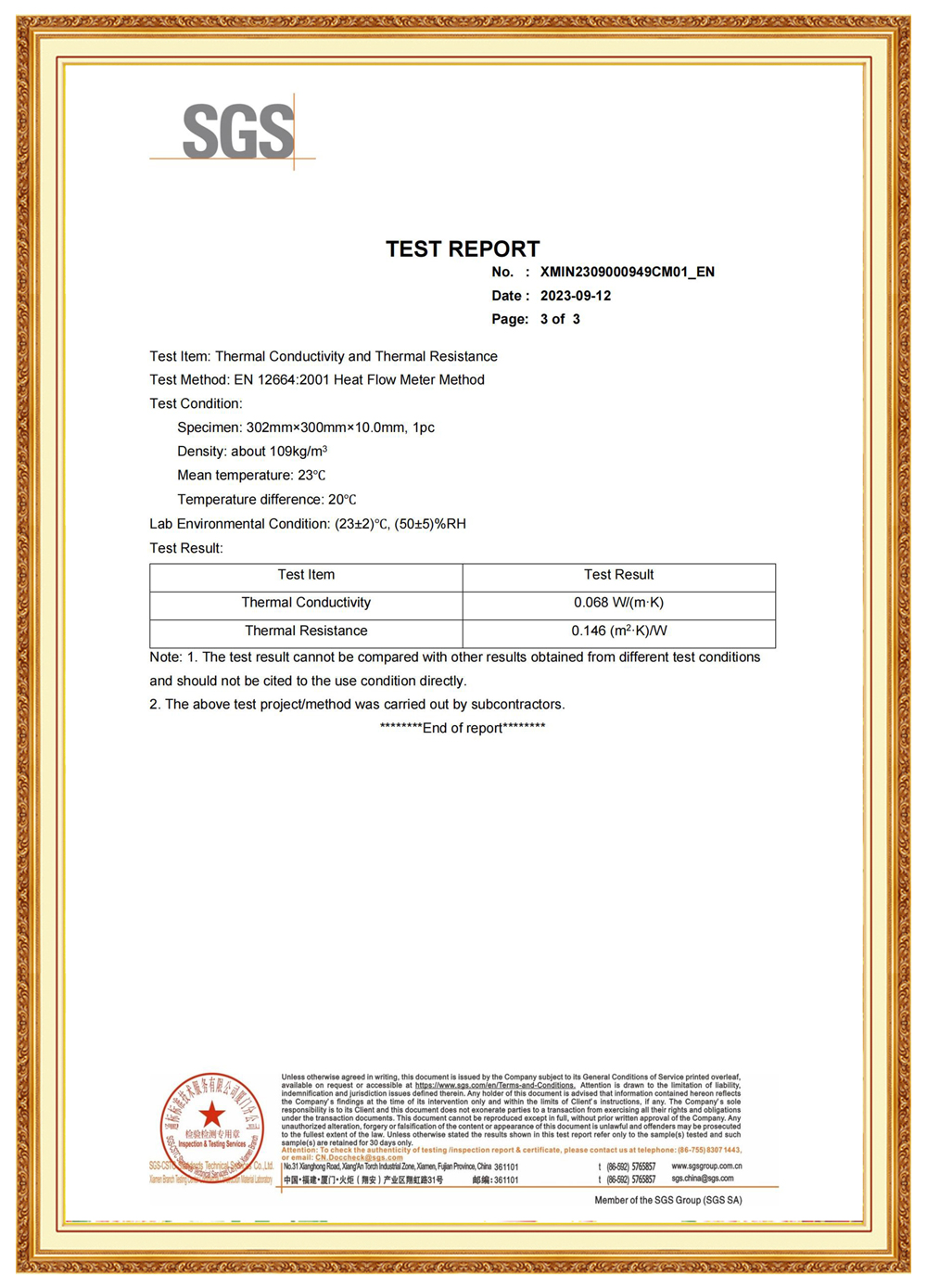
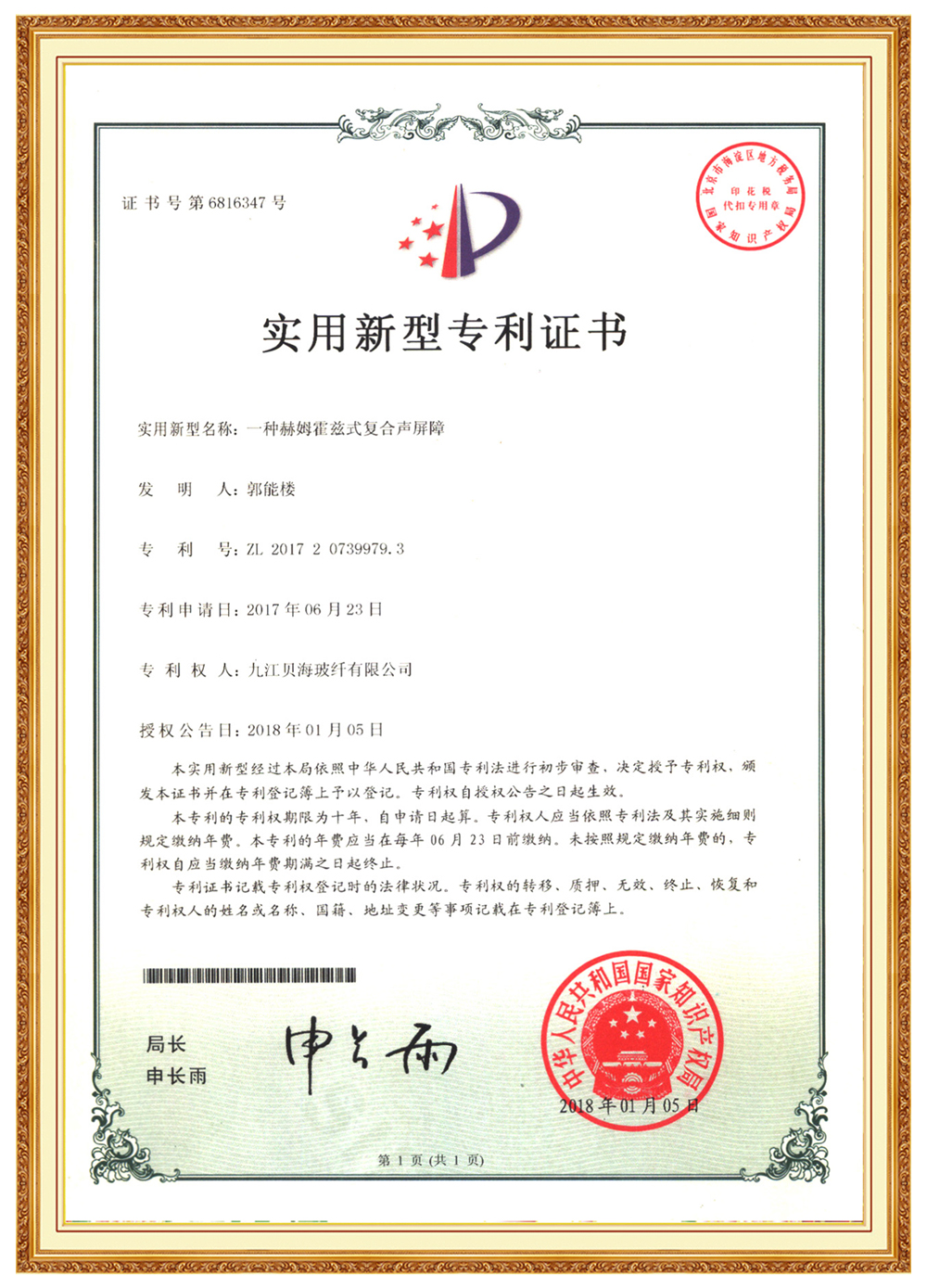
Stay up to date with the latest material breakthroughs and engineering developments in the field of high-performance composite products.

As drones monitor critical infrastructure and intelligent robotic lines demand lighter, stronger materials, continuous basalt fiber provides key structural support. Discover how volcanic rock extrusion is driving sustainable innovation across major industrial sectors.
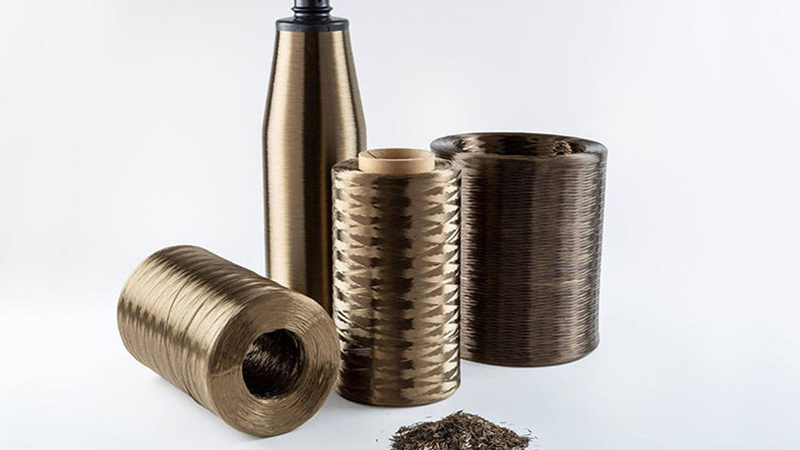
B2B procurement data shows a significant increase in basalt roving integration across earthquake-prone regions. This growth is driven by the material's superior tensile behavior, resistance to moisture intrusion, and chemical stability in aggressive environments.
Access our comprehensive library of technical reports, including detailed chemical resistance data and stress-strain testing graphs.
Get Full LibraryQuick answers to common questions about continuous basalt fiber roving, international freight logistics, and custom manufacturing specs.
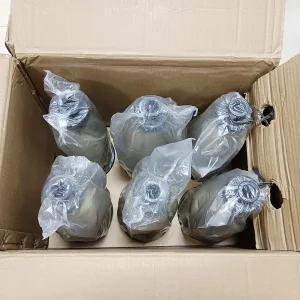
We provide full-service export support from our Jiujiang manufacturing base via major Chinese ports (Shanghai/Ningbo/Shenzhen) directly to Auckland, Lyttelton, or Tauranga. We supply all necessary documents, including bills of lading, detailed packing lists, certificates of origin, and technical compliance certificates to ensure smooth customs clearance and compliance with import regulations.
Yes. China Beihai specializes in manufacturing custom basalt roving ranging from 300 Tex to 4800 Tex. We apply specialized sizing formulations tailored to your specific production processes, including pultrusion, filament winding, weaving, or sheet molding compounds (SMC).
While carbon fiber offers higher tensile modulus, it is significantly more expensive. Basalt fiber roving provides a cost-effective alternative. It offers outstanding mechanical properties, excellent alkali and acid resistance, and a broad thermal operating range at a fraction of the cost, making it ideal for large-scale industrial and construction projects.
Absolutely. Our continuous basalt roving and structural rebar are thoroughly tested to meet international standards. Their high tensile strength, excellent fatigue resistance, and high elastic performance make them outstanding materials for seismic retrofitting, structural repairs, and reinforcing concrete structures in active seismic zones.
For standard specifications, production and packaging typically take 10 to 15 days. Ocean shipping to main ports in New Zealand and Oceania generally ranges from 18 to 25 days, depending on shipping schedules and port handling times.
Partner with a trusted manufacturer to secure high-performance, cost-effective basalt fiber products. Contact China Beihai for customized technical specifications, direct wholesale pricing, and comprehensive logistics support.
 Beihai Fiberglass