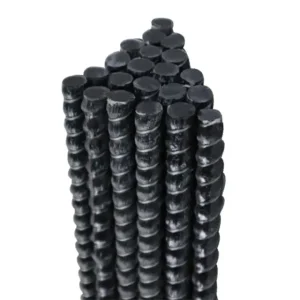
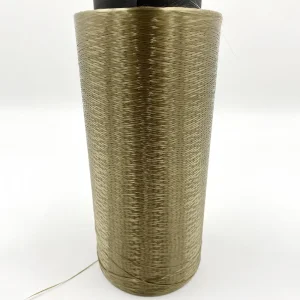
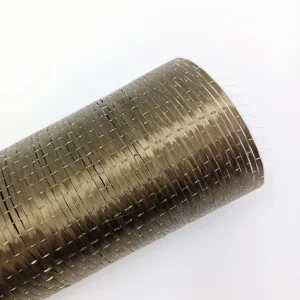
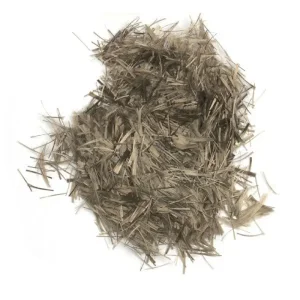
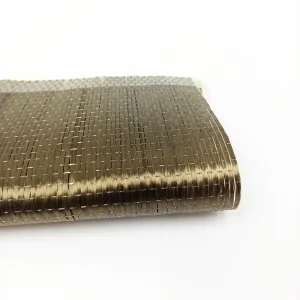
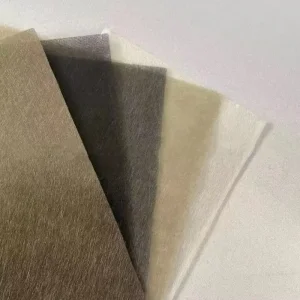
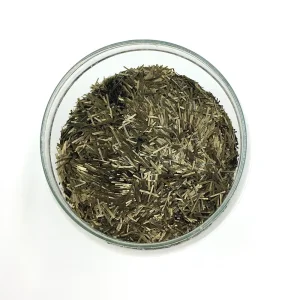
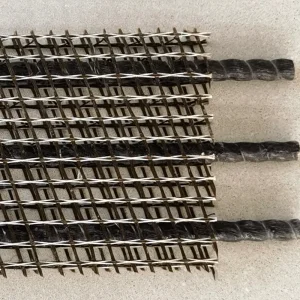
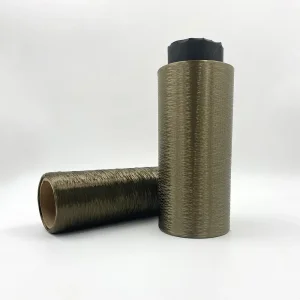
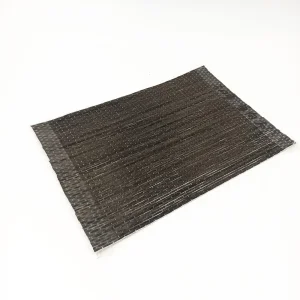
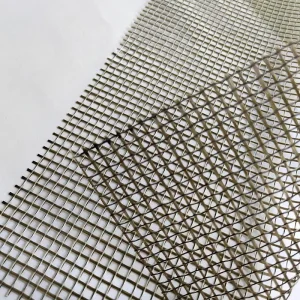
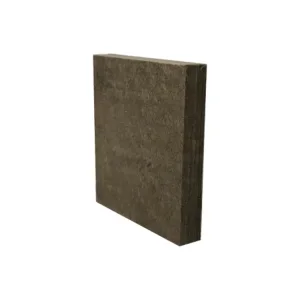
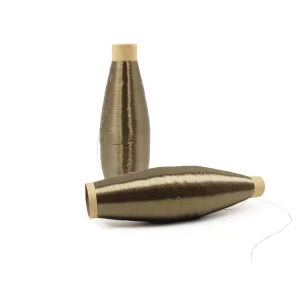
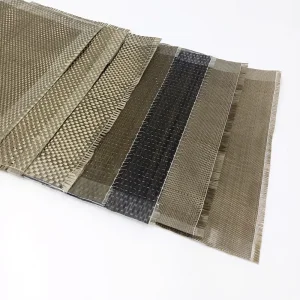
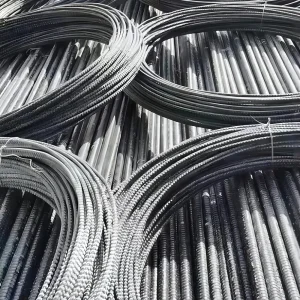
In the current era of industrial materials, Custom Basalt Fiber Reinforcement Mats have emerged as the "Green 21st-century material," bridging the gap between traditional glass fiber and high-cost carbon fiber. As a premier supplier and factory, China Beihai Group integrates the raw power of volcanic rock with advanced extrusion technology to deliver reinforcement solutions that are inherently non-corrosive, fire-resistant, and high-tensile.
Our continuous basalt fiber (CBF) is produced by melting 100% natural basalt rock at 1450°C. Unlike E-glass, it offers superior alkali resistance and thermal stability, making it the primary choice for concrete reinforcement and chemical tank linings.
Basalt reinforcement mats provide an isotropic strength distribution. This ensures that load-bearing structures like bridge decks and tunnel linings remain resilient against seismic activity and heavy environmental stressors.
Basalt is a single-component material. Its production requires fewer chemical additives than glass fiber, resulting in a lower carbon footprint and making it 100% recyclable at the end of its lifecycle.
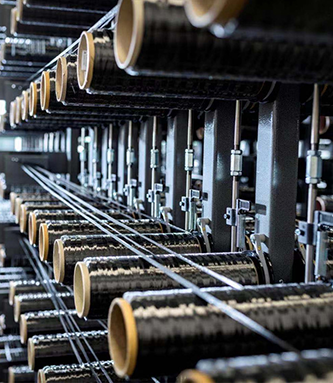
China Beihai is a high-tech enterprise focusing on the research, development, production, and sales of high-performance basalt continuous fiber. As a leading enterprise in the domestic basalt fiber industry, we don't just manufacture products; we engineer the machinery that powers the industry. Our focus on Supply Chain Resilience and R&D Innovation ensures that we remain a reliable partner for global infrastructure projects.
Melting Point Precision
Global Patent Holdings
Annual Production Capacity
Lighter than Steel Rebar
In healthcare and energy, conductivity is a risk. Our non-conductive basalt rebar and mats provide structural support without magnetic interference, essential for MRI rooms and high-voltage transformer foundations.
Basalt fiber tissue mats are used in manufacturing aircraft wings and engine components. Their ability to withstand thermal shock from -260°C to 700°C gives them a unique edge over carbon fiber in specific cryogenic and high-heat scenarios.
For bridge pier protection and tunnel reinforcement, basalt’s natural resistance to salt-water corrosion (alkali-resistance) extends the maintenance cycle of structures from 25 years to over 75 years.
The global basalt industry is shifting toward China due to its integrated supply chain. At China Beihai, we leverage local volcanic mineral resources and automated furnace technology to reduce "Information Gain" barriers, providing transparent pricing and consistent quality that Western manufacturers struggle to match at scale.
Basalt fiber offers significantly higher tensile strength and modulus compared to E-glass. More importantly, basalt is naturally resistant to alkali and acids, making it more durable in concrete environments where glass fiber eventually degrades.
Yes, our products undergo rigorous testing and are certified under ISO 9001. We provide CE certifications and ASTM standard test reports upon request to ensure compliance with local building codes in Europe and North America.
Absolutely. As a direct factory, we offer customization of GSM (Grams per Square Meter), width, and binder types (emulsion or powder) to suit your specific resin system (Epoxy, Polyester, or Vinyl Ester).
With our 5,000-ton annual capacity, standard orders are typically fulfilled within 14-21 days. We offer localized logistics support to ensure efficient shipping to global ports.
By 2030, the construction industry aims for a 40% reduction in carbon intensity. Basalt fiber is central to this transition. As a sustainable mineral-based material, it allows for thinner concrete sections and eliminates the need for rust-inhibiting chemicals. China Beihai is currently investing in "Smart Furnace" technology to further reduce the energy requirements of basalt extrusion, ensuring we remain the world's most efficient and eco-conscious supplier.
 Beihai Fiberglass