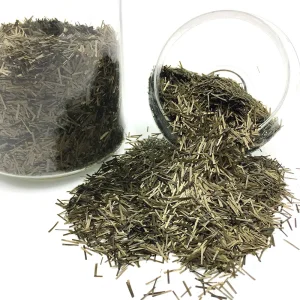
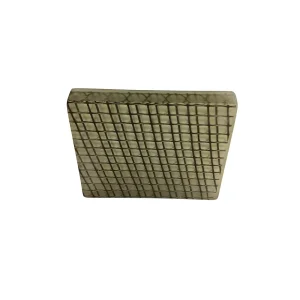
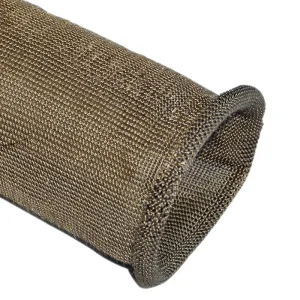
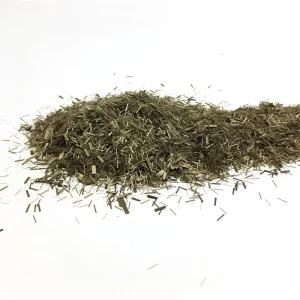
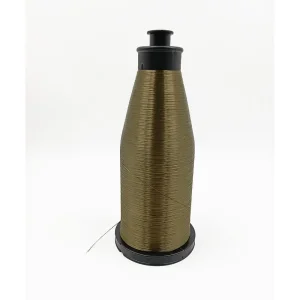
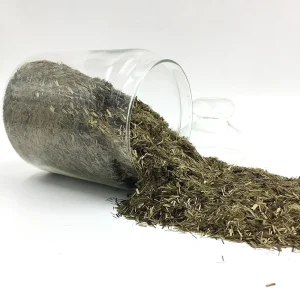
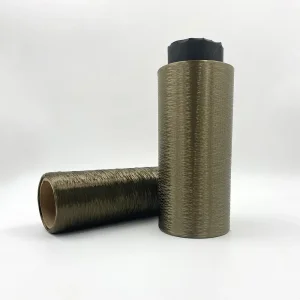
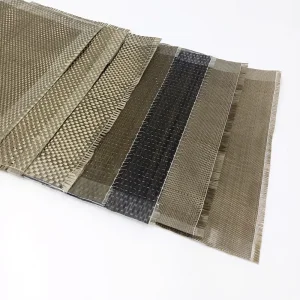
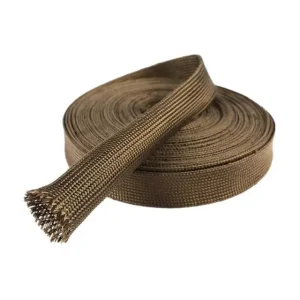
Basalt, often referred to as the "volcanic stone of the future," is fundamentally transforming global material science. Unlike synthetic materials that require complex chemical syntheses, continuous basalt fiber (CBF) is derived from naturally occurring volcanic rock, melted at high temperatures and extruded. This inherent geological origin provides a distinct advantage: sustainability and chemical purity.
The global infrastructure market is currently witnessing a paradigm shift. With the rising costs of carbon fiber and the durability limitations of traditional steel reinforcement, basalt fiber has emerged as the high-performance, cost-effective solution. Leading manufacturers are scaling production to meet the demands of aggressive green building policies in the EU and North America.
The innovation trajectory for basalt fiber manufacturing focuses on three key pillars: High-Temperature Melt Refinement, Surface Modification Technology, and Hybrid Composite Integration.
While basalt's strength is universal, its application is highly localized:
Basalt fiber is produced from a single raw material (basalt rock) without complex chemical additives or toxic precursors, making the entire life cycle—from production to recycling—vastly more environmentally sustainable.
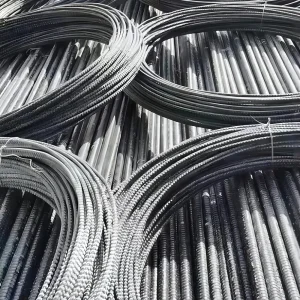
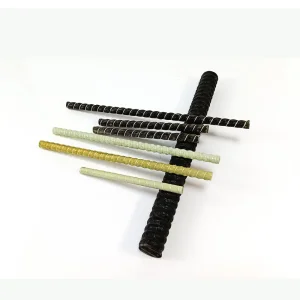
In corrosive environments or electromagnetic-sensitive applications (like medical imaging centers), basalt rebar is not just a replacement; it is a superior performance alternative due to its non-corrosive, non-magnetic, and thermally insulating properties.
Basalt fibers are chemically inert and resistant to moisture, UV radiation, and alkali attacks. When properly integrated into composites, they maintain structural integrity for decades, often exceeding the lifecycle of the structures they reinforce.
 Beihai Fiberglass